
While the allure of exploring altered states of consciousness can be a topic of interest for some travelers seeking unique experiences, the legality of substances like DMT (N,N-Dimethyltryptamine) in destinations such as California is a critical factor for responsible tourism. Understanding the legal landscape is paramount to ensuring a safe and lawful journey. This article will delve into the legal status of DMT within California, examining federal and state regulations, potential implications for travelers, and related discussions surrounding entheogenic substances.
Federal and State Drug Laws in California
The legal framework governing substances in the United States, including those with psychoactive properties, is complex, involving both federal and state legislation. Understanding this dual system is essential when considering any substance’s legal standing.
The Controlled Substances Act (CSA)
At the federal level, the primary legislation dictating the legality of drugs is the Controlled Substances Act (CSA) of 1970. This act classifies drugs into different schedules based on their potential for abuse, accepted medical use, and the likelihood of causing dependence. DMT is classified as a Schedule I substance under the CSA.
Schedule I Classification: This designation means that, according to the federal government, DMT has a high potential for abuse, no currently accepted medical use in treatment in the United States, and a lack of accepted safety for use under medical supervision. Substances within Schedule I are subject to the strictest regulations and prohibitions. Possessing, manufacturing, distributing, or dispensing any Schedule I substance is illegal under federal law.
California’s Drug Laws
California, like other states, has its own set of laws governing controlled substances. These laws often mirror federal regulations but can also include additional provisions or nuances.
Uniform Controlled Substances Act: California has adopted its own version of the Uniform Controlled Substances Act. Similar to the federal CSA, California’s Health and Safety Code classifies drugs into different schedules. DMT is also classified as a Schedule I controlled substance under California state law.
Penalties for Possession and Distribution: Consequently, possession, sale, cultivation, or transportation of DMT within California is illegal and carries significant penalties. These penalties can include fines, imprisonment, and a criminal record, which can have lasting impacts on employment, travel, and other aspects of one’s life. The severity of the penalties often depends on the quantity of the substance involved and whether it is intended for personal use or distribution.
Emerging Discussions and Decriminalization Efforts
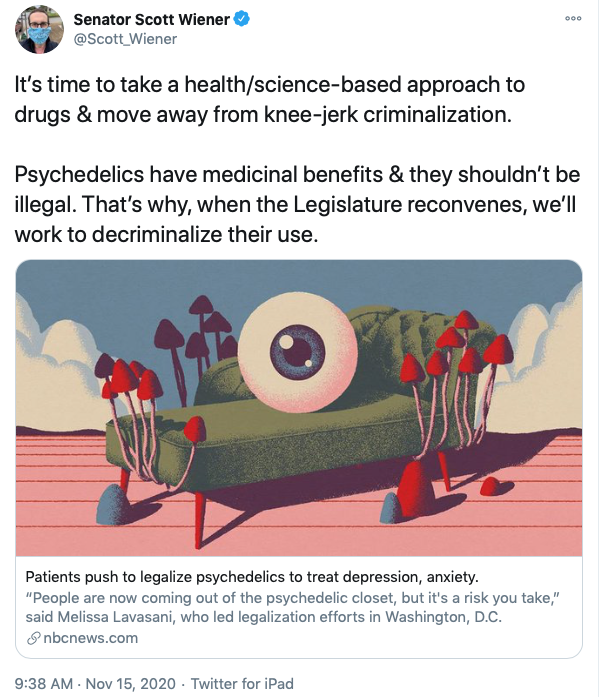
While DMT remains illegal under federal and state law in California, there are ongoing conversations and movements related to entheogenic substances and drug policy reform. These discussions are important for understanding the broader context of drug legality and potential future changes.
Entheogenic Substances and Cultural Significance
DMT is a naturally occurring psychedelic compound found in various plants and animals. It has been used for centuries in indigenous cultures for spiritual and ceremonial purposes. In recent years, there has been a resurgence of interest in the potential therapeutic and spiritual benefits of these naturally occurring psychedelics, often referred to as entheogens.
Research into Therapeutic Potential: Scientific research into the therapeutic applications of psychedelics, including psilocybin (found in “magic mushrooms”) and MDMA, has shown promising results for treating conditions such as depression, anxiety, and PTSD. While research on DMT’s therapeutic potential is less extensive than for other psychedelics, it is a subject of growing scientific interest.
The Role of Traditional Use: The historical and cultural significance of DMT in certain traditions has also fueled debates about its classification and legal status. Proponents of reform often highlight the distinction between naturally occurring substances used in traditional contexts and synthetic drugs with a higher perceived risk of abuse.
Decriminalization vs. Legalization
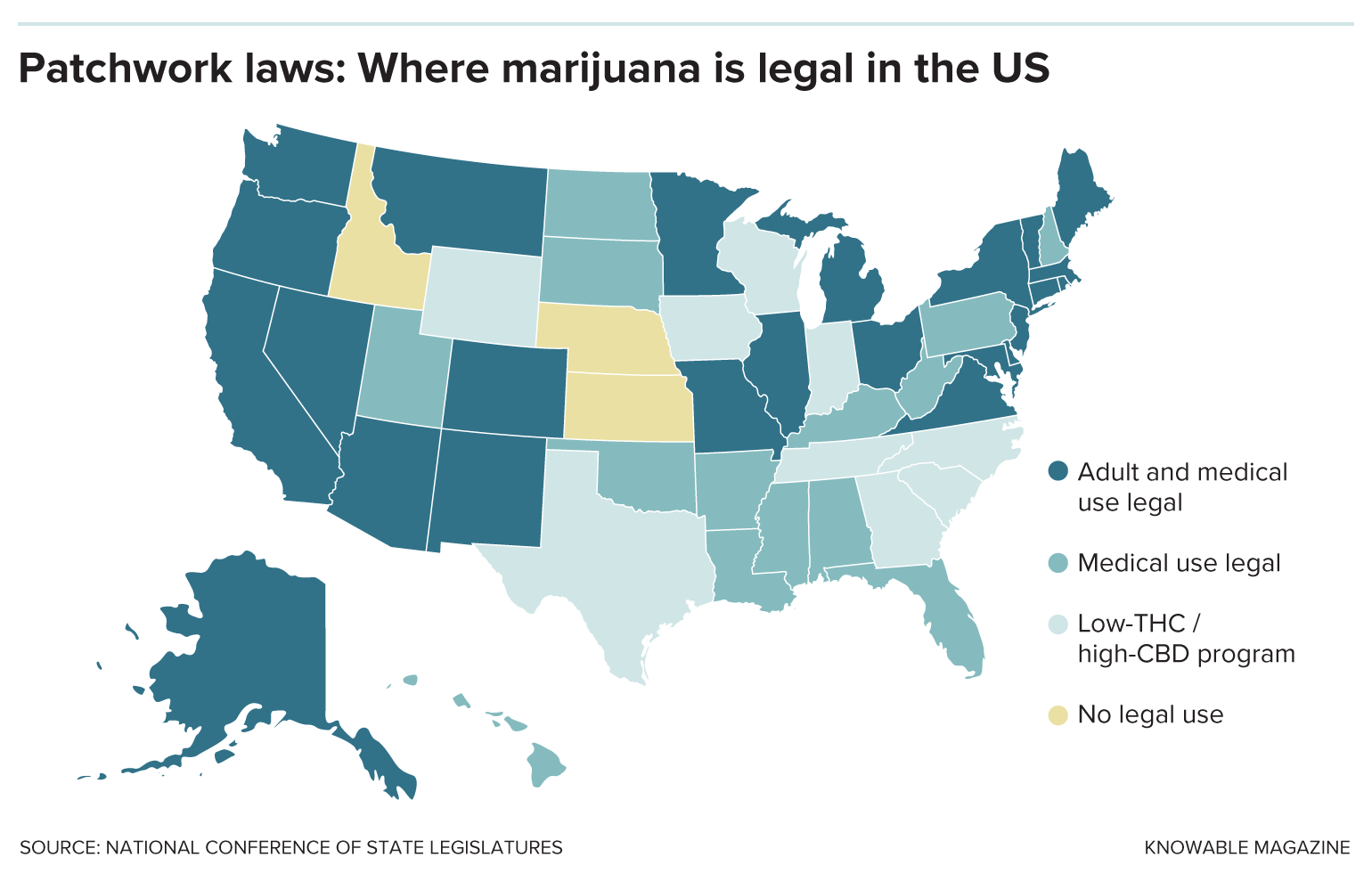
It is crucial to distinguish between decriminalization and legalization. Decriminalization typically refers to reducing or eliminating criminal penalties for possessing small amounts of a drug for personal use, often treating it as a civil infraction rather than a criminal offense. Legalization, on the other hand, would involve making the production, sale, and possession of a substance legal, often with regulations similar to those for alcohol or tobacco.
California’s Stance on Decriminalization: In recent years, several cities and states have begun to decriminalize or deprioritize the enforcement of laws against certain psychedelics. For instance, some localities in Oregon and Colorado have moved towards decriminalizing psilocybin and other entheogenic plants. While California has made strides in areas like cannabis reform, specific movements focused on decriminalizing DMT or other Schedule I psychedelics on a statewide level are still in early stages, if they exist at all. Travelers should be aware that even if certain other substances are decriminalized in specific areas, this does not extend to DMT.
Potential Future Changes: The landscape of drug policy is dynamic. As research continues and public opinion evolves, there may be shifts in how entheogenic substances are viewed and regulated. However, as of the current writing, DMT remains firmly in the illegal category under both federal and California state law.
Implications for Travelers and Visitors
For anyone planning a trip to California, understanding the legal status of DMT is not just an academic exercise; it has direct practical implications for one’s safety and freedom.
Travel and Substance Laws
When traveling, it is imperative to be aware of and adhere to the laws of the destination. Ignorance of the law is not a defense, and the consequences of violating drug laws can be severe.
Consequences of Possession: Possession of DMT in California can lead to arrest, significant fines, and lengthy prison sentences. A criminal conviction can impact future travel plans, particularly to countries with strict drug policies, and can also affect employment opportunities and the ability to obtain visas for other nations.
“Know Before You Go”: Responsible travelers always do their research. This includes understanding local laws, customs, and any restrictions on items or substances that might be brought into or used within the destination. For California, this explicitly includes DMT.
Related Travel Considerations
While the focus here is on DMT, the broader topic of altered states of consciousness and travel can intersect with other legal and ethical considerations.
Ayahuasca Retreats and Ceremonies: Some travelers seek out experiences with substances like DMT through ayahuasca, a psychoactive brew originating from the Amazon. While ayahuasca ceremonies are sometimes offered in various locations, including parts of the United States, it is crucial to understand that the possession and use of DMT remain illegal in California, regardless of the context or purported therapeutic benefits. Participating in such activities in California would carry legal risks.
Safety and Health: Beyond legal concerns, engaging with powerful psychoactive substances carries inherent health and psychological risks. It is essential to prioritize safety and well-being, which includes understanding and respecting the legal boundaries established to ensure public safety.

Conclusion: Adherence to Law for a Safe Journey
In conclusion, the question “Is DMT Legal In California?” has a clear and unequivocal answer: no. DMT is classified as a Schedule I controlled substance under both federal law in the United States and under California state law. This means that its possession, distribution, and manufacture are illegal and subject to stringent penalties.
For travelers visiting or residing in California, understanding this legal reality is paramount. While discussions surrounding the potential benefits of entheogenic substances and drug policy reform are ongoing and important, they do not alter the current legal status of DMT. Responsible tourism and personal safety necessitate strict adherence to the laws of the destination. Any exploration of consciousness-altering substances should be undertaken with a thorough understanding of and respect for the legal frameworks in place. By prioritizing legal compliance, visitors and residents can ensure a safe, responsible, and trouble-free experience in California.
LifeOutOfTheBox is a participant in the Amazon Services LLC Associates Program, an affiliate advertising program designed to provide a means for sites to earn advertising fees by advertising and linking to Amazon.com. Amazon, the Amazon logo, AmazonSupply, and the AmazonSupply logo are trademarks of Amazon.com, Inc. or its affiliates. As an Amazon Associate we earn affiliate commissions from qualifying purchases.