
The allure of the Texas Longhorn is deeply ingrained in the Texan identity, evoking images of wide-open ranges, rugged individualism, and a rich agricultural heritage. For many, owning a Texas Longhorn isn’t just about possessing a remarkable animal; it’s about embracing a piece of history and a tangible connection to the spirit of the Lone Star State. But beyond the romantic notions, a practical question arises for prospective owners and enthusiasts: what is the actual cost associated with acquiring and maintaining these iconic bovines? Understanding the investment involved requires looking at various factors, from the initial purchase price to ongoing care and potential additional expenses.
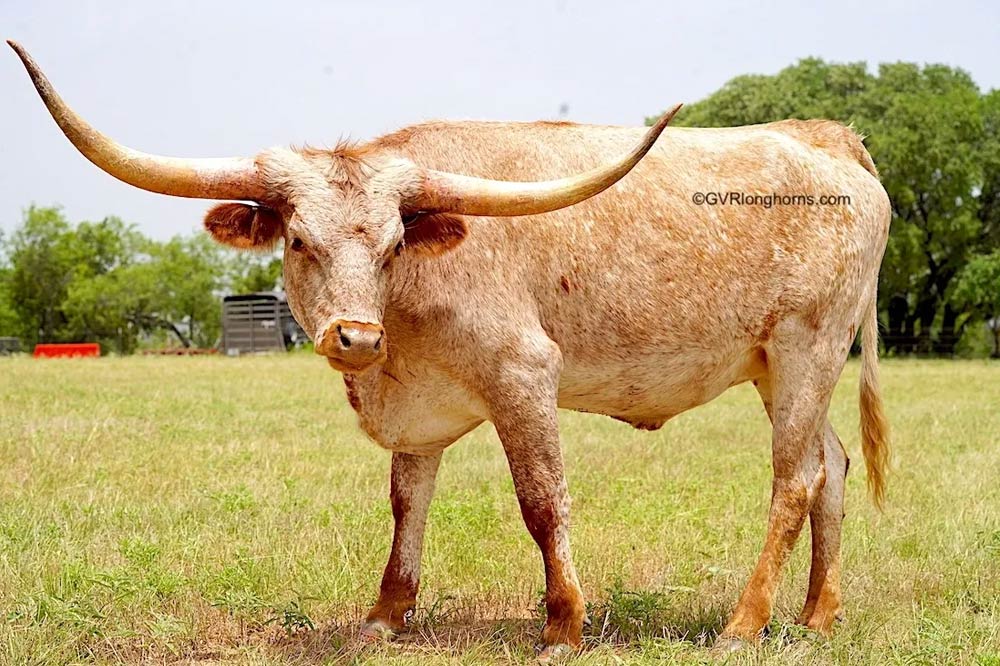
Factors Influencing Purchase Price
The price of a Texas Longhorn can vary dramatically, influenced by a confluence of factors that determine its pedigree, potential, and overall desirability. This variability means that a beginner looking for a gentle pasture companion will find very different options and price points compared to a seasoned rancher seeking a prize-winning breeding bull.
Bloodlines and Pedigree
At the forefront of price determination is the animal’s lineage. Texas Longhorns with exceptional bloodlines, particularly those tracing back to renowned sires and dams with proven track records in breeding, performance, or show rings, command higher prices. Breeders invest significant resources in maintaining and improving their herds, and this investment is reflected in the cost of their offspring. Animals registered with reputable Longhorn associations, such as the Texas Longhorn Breeders Association of America (TLBAA), often come with detailed pedigrees that attest to their genetic quality and potential. These registered animals represent a more predictable investment for those focused on breeding programs or exhibitions.
Age and Sex
The age and sex of a Texas Longhorn are also critical determinants of cost.
- Calves (Young Stock): Calves are generally the most affordable option. They offer the longest potential lifespan and the opportunity for an owner to imprint and train them from a young age. However, they require more time, patience, and specialized care to reach maturity.
- Yearlings and Two-Year-Olds: As Longhorns mature, their price typically increases. Yearlings and young adults have demonstrated some growth and development, offering a clearer picture of their future potential.
- Mature Cows: Mature cows, especially those that have a proven breeding history and have produced desirable calves, can be quite expensive. A cow that consistently produces high-quality offspring is a valuable asset to any breeder.
- Bulls: Mature bulls, particularly those with exceptional genetics, impressive horn spreads, and a calm temperament, are often the most expensive Longhorns. A bull with a strong lineage and proven fertility is the cornerstone of any successful breeding program.
- Steers: Steers, which are castrated males, are typically less expensive than intact bulls. They are often purchased for meat production or as pasture pets, as they are generally more docile.
Horn Spread and Conformation
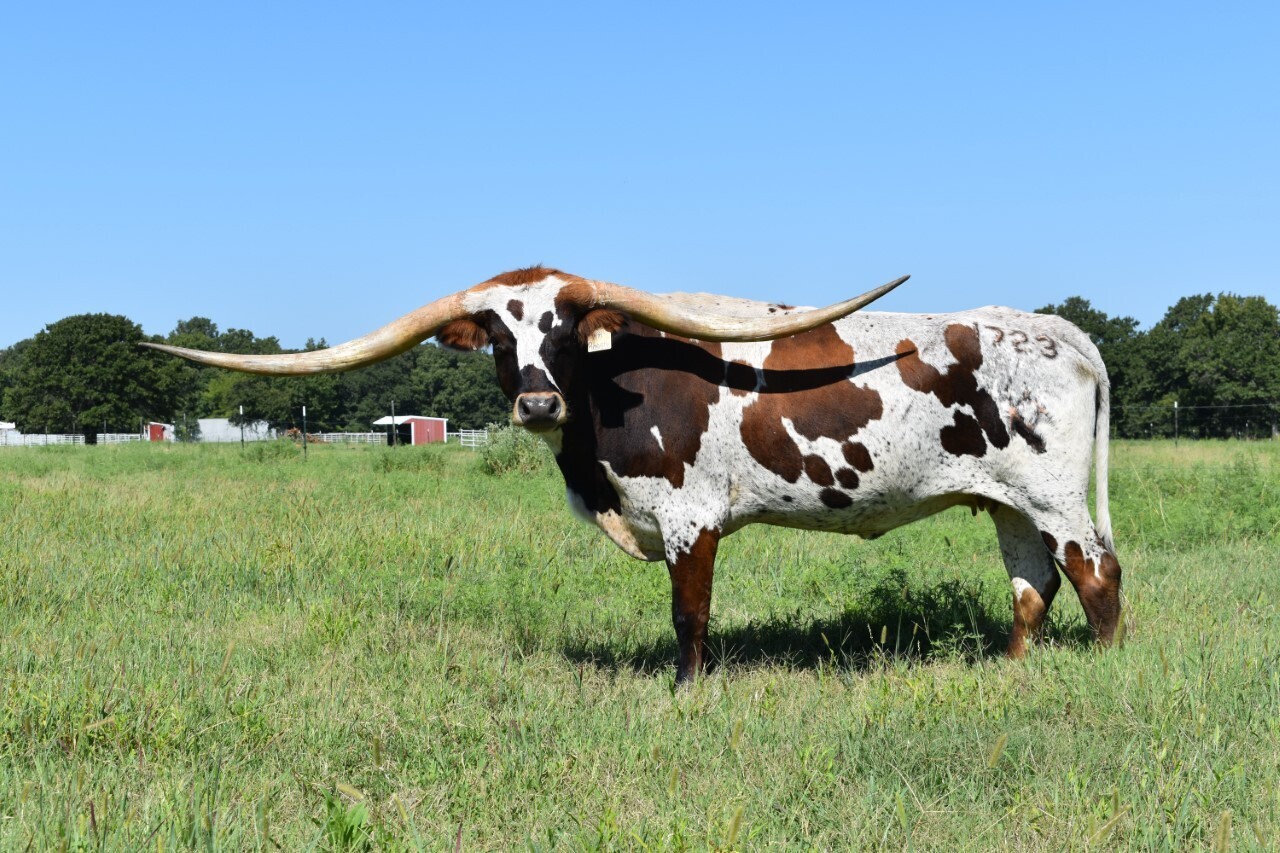
The defining characteristic of a Texas Longhorn is its impressive horns. The width and length of these horns, often measured from tip to tip, are a significant factor in an animal’s value, especially in the show ring and for collectors. Animals with exceptionally wide or long horns, often referred to as “great genetics” in the Longhorn community, can fetch premium prices. Beyond horn size, overall conformation – the animal’s physical structure and muscling – also plays a role, particularly for those interested in breeding or showing. Good conformation indicates good health, efficient movement, and genetic soundness.
Temperament and Trainability
For many owners, especially those new to cattle or seeking a more hands-on experience, temperament is paramount. Longhorns bred for docility and ease of handling, often referred to as “gentle” or “halter-broke,” will command a higher price than those that are more wild or difficult to manage. Animals that have been extensively socialized and trained are more approachable and suitable for hobby farms, petting zoos, or even as companion animals for those with ample space and knowledge.
Color and Markings
While less impactful than genetics or horn spread, unique or desirable color patterns can also influence the price of a Texas Longhorn. Certain color combinations or striking markings can make an animal more visually appealing and sought after, particularly in the show circuit or among collectors of unique specimens.
Geographic Location and Market Demand
The price of Texas Longhorns can also be influenced by their geographic location and the prevailing market demand in that region. Areas with a strong tradition of Longhorn ranching, such as Texas itself, may have a more robust market and a wider selection, potentially leading to more competitive pricing. Conversely, in regions where Longhorns are less common, the novelty and shipping costs can contribute to higher prices.
Average Cost Ranges
Given the myriad of influencing factors, providing a precise average cost is challenging. However, we can establish general ranges to offer a realistic expectation for potential buyers. These figures are approximate and can fluctuate based on market conditions and the specific attributes of the animal.
Steers and Companion Animals
For those seeking a Texas Longhorn as a pasture companion, a pet, or for meat production, the cost is generally lower.

- Young Steers (under 2 years): You might find young steers ranging from $500 to $1,500. These are often sold as weaned calves or yearlings.
- Mature Steers: A well-trained, gentle mature steer, suitable for close interaction or as a show prospect, could cost between $1,000 and $3,000.
- Open Heifers (non-breeding): Heifers not intended for breeding programs might be priced similarly to steers, from $700 to $2,000.
Breeding Stock and Show Prospects
Animals intended for breeding programs or with significant show potential will naturally carry a higher price tag.
- Young Heifers (potential breeders): Heifers with good bloodlines and conformation, destined for breeding, can range from $1,500 to $5,000 or more.
- Mature Cows (proven breeders): Proven breeding cows with excellent offspring records are highly valued. Prices can start at $3,000 and easily exceed $10,000, with exceptional individuals reaching $20,000 or higher.
- Young Bulls (potential herd sires): Young bulls with strong genetic potential might cost between $2,000 and $7,000.
- Proven Herd Sires: Top-tier bulls, with outstanding genetics, impressive horn spreads, and proven fertility, can be the most expensive Longhorns, with prices often starting at $5,000 and going up into the tens of thousands, sometimes exceeding $50,000 for elite animals.
Exceptional Animals
Longhorns that possess truly remarkable horn spreads, exceptional pedigrees, or have achieved significant success in shows can enter a different price bracket altogether. These are often considered investments in genetics and prestige, with prices that can reach $10,000, $20,000, or even considerably more for championship-caliber animals.
Ongoing Costs of Ownership
Acquiring a Texas Longhorn is just the initial investment. Responsible ownership entails ongoing expenses to ensure the animal’s health, well-being, and productivity. These costs are crucial to factor into the overall financial commitment.
Shelter and Fencing
Texas Longhorns are hardy animals, but they still require adequate shelter from extreme weather conditions. This could range from a simple three-sided loafing shed to a more elaborate barn. Essential for containment are robust fences. Given their strength and tendency to test boundaries, strong fencing is a necessity to prevent escapes and protect the animals from predators. The cost of materials and installation can be significant, especially for larger pastures.
Feed and Nutrition
While Longhorns are known for their foraging abilities and can thrive on pasture, supplemental feeding is often necessary, especially during winter months or periods of drought. High-quality hay, mineral supplements, and a consistent supply of clean water are essential. The quantity and type of feed will depend on the animal’s age, sex, condition, and the availability of grazing. This is an ongoing, recurring expense.
Veterinary Care
Regular veterinary check-ups, vaccinations, and parasite control are vital for maintaining the health of your Longhorns. While generally hardy, they can still be susceptible to common bovine diseases. In case of illness or injury, veterinary bills can range from routine check-ups to emergency procedures, which can be substantial. Building a relationship with a veterinarian experienced with cattle is highly recommended.
Hoof Trimming and Horn Care
Depending on the terrain and the animal’s activity, periodic hoof trimming may be necessary. While Longhorns typically wear down their own hooves, in some cases, professional trimming might be required. Horn trimming is rarely needed unless there is a specific issue, but owners should be aware of potential growth patterns and ensure horns do not interfere with the animal’s well-being.
Registration and Association Fees
If you plan to register your Longhorns with an association or participate in shows, there will be associated fees for registration, transfers, and membership dues. These costs are typically annual or per-animal.
Insurance
For valuable breeding stock or show animals, considering livestock insurance can provide financial protection against loss due to death, theft, or injury. The cost of insurance will vary based on the value of the animals and the coverage provided.
Making an Informed Decision
Purchasing a Texas Longhorn is a significant undertaking that extends beyond the initial purchase price. It’s a commitment to providing a specific environment, nutrition, and care. Potential owners should conduct thorough research, speak with experienced Longhorn breeders, and visit various ranches to gain a comprehensive understanding of the breed and the associated costs. By carefully evaluating the initial investment and the ongoing expenses, prospective owners can make an informed decision that ensures both their satisfaction and the well-being of these magnificent animals. Owning a Texas Longhorn can be an incredibly rewarding experience, offering a unique connection to the heritage of Texas and the enduring spirit of the American West.
LifeOutOfTheBox is a participant in the Amazon Services LLC Associates Program, an affiliate advertising program designed to provide a means for sites to earn advertising fees by advertising and linking to Amazon.com. Amazon, the Amazon logo, AmazonSupply, and the AmazonSupply logo are trademarks of Amazon.com, Inc. or its affiliates. As an Amazon Associate we earn affiliate commissions from qualifying purchases.