
Understanding property taxes is crucial for anyone considering a move to, investing in, or owning property in the Centennial State. While Colorado offers a high quality of life, stunning natural beauty, and a thriving economy, the associated tax burdens, particularly property taxes, are a significant factor in financial planning. This guide delves into the intricacies of Colorado’s property tax system, aiming to provide clarity for residents, potential homeowners, and investors alike.
Understanding Colorado’s Property Tax Framework
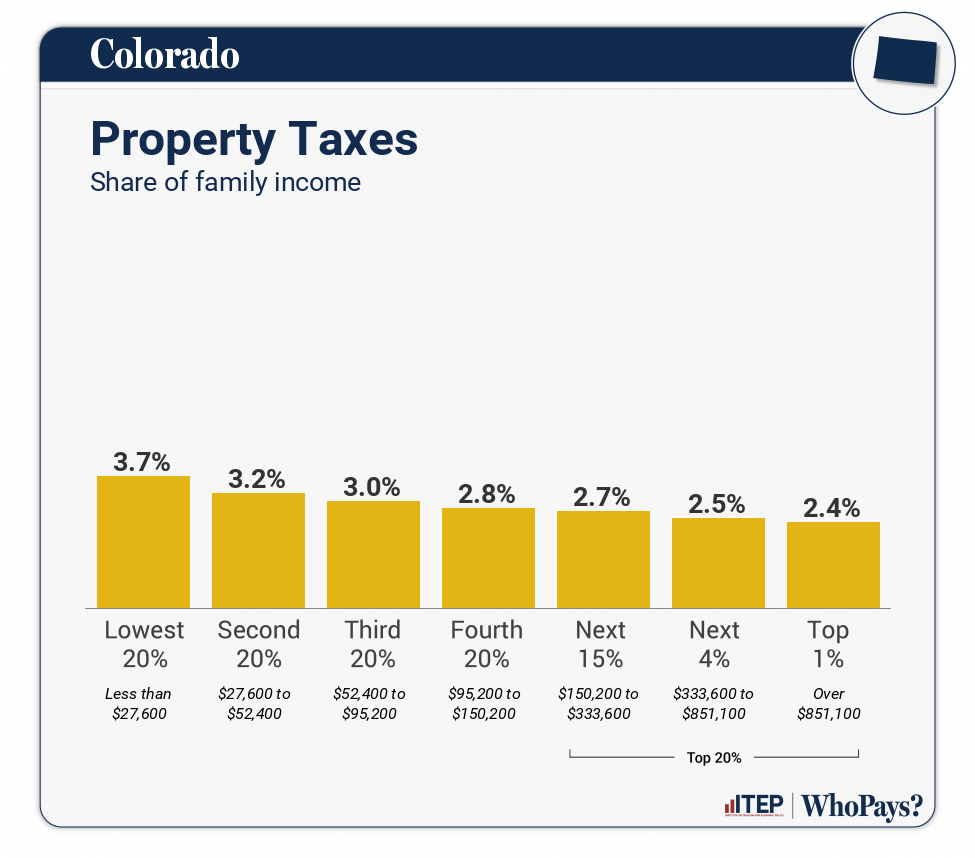
Colorado’s property tax system is a complex interplay of state statutes, local ordinances, and constitutional provisions. Unlike some states that rely heavily on income tax, Colorado’s fiscal structure places a notable emphasis on property taxes to fund essential local services such as schools, public safety, and infrastructure.
The Role of Valuation
The foundation of any property tax calculation is the valuation of the property. In Colorado, property taxes are levied on the “actual value” of real property. This actual value is determined by the county assessor’s office. The assessment process is guided by specific statutes that dictate how properties are appraised.
Key Valuation Concepts:
- Actual Value: This is defined as 100% of the market value of the property. Market value is generally considered the most probable price a property would bring in a competitive and open market under all conditions requisite to a fair sale, the buyer and seller each acting prudently and knowledgeably, and assuming the price is not affected by undue stimulus.
- Assessed Value: This is the percentage of the actual value that is subject to taxation. Colorado law mandates that residential real property is assessed at 7.15% of its actual value. For non-residential properties, including commercial, industrial, and agricultural lands, the assessment rate is higher, typically 29%. This distinction is significant, as it means residential properties are taxed at a substantially lower effective rate than other types of property.
- Taxable Value: This is the assessed value minus any applicable exemptions. For instance, homestead exemptions, if available and utilized, would reduce the taxable value.
The county assessors are required to conduct reappraisals of all taxable property within their counties at least once every odd-numbered year. This ensures that property valuations are kept relatively current with market conditions. However, due to the inherent lag in assessment cycles and the volatility of real estate markets, there can be a discrepancy between the assessed value and the immediate market value at any given point in time.
The Mill Levy: Setting the Tax Rate
Once the taxable value of a property is determined, the next step is to apply the mill levy. A “mill” is one-tenth of a cent, or $0.001. The mill levy is essentially the tax rate. It is expressed in mills, and it is the sum of all the individual mill levies imposed by various local taxing authorities that have jurisdiction over the property.
Components of the Mill Levy:
- School Districts: A significant portion of property tax revenue typically goes towards funding local school districts.
- Counties: County governments levy taxes to fund a wide range of county services.
- Cities and Municipalities: Incorporated cities and towns levy their own mill levies for municipal services.
- Special Districts: These can include fire districts, water and sanitation districts, park and recreation districts, and library districts, among others. Each of these entities can levy its own mill levy to fund its specific operations.
The total mill levy applied to a property is the aggregate of the mill levies from all the taxing districts in which the property is located. For example, a property within the city limits of Denver might have mill levies from the Denver Public Schools, Denver County, the City and County of Denver, and potentially a local fire district.
The calculation is straightforward:
- Property Tax = Taxable Value × (Total Mill Levy / 1000)
For instance, if a property has a taxable value of $300,000 and the total mill levy is 70 mills, the annual property tax would be:
- $300,000 × (70 / 1000) = $21,000
Factors Influencing Property Tax Amounts
Several factors contribute to the variation in property tax amounts across Colorado. Understanding these can help potential residents and investors better estimate their potential tax liabilities.
Location, Location, Location
This age-old real estate adage holds particularly true for property taxes. The specific county, city, and even neighborhood a property is located in will significantly impact the tax burden.
- County Assessor’s Valuation Practices: While state law dictates the assessment rates, how county assessors conduct appraisals can lead to variations. Market dynamics in different counties will also influence the “actual value” assigned to properties.
- Local Government Spending Needs: Areas with higher demands for public services, such as robust police and fire departments, extensive park systems, or well-funded libraries, may have higher mill levies to support these services. For instance, a property in a desirable Aspen neighborhood might have a higher actual value and a different combination of local taxing districts than a property in a more rural area of Weld County.
- School District Funding Models: The financial health and funding needs of local school districts can also play a substantial role in the overall mill levy.
Property Type and Usage
As mentioned earlier, Colorado differentiates between residential and non-residential properties in its assessment rates.
- Residential Properties: These benefit from the lower 7.15% assessment rate. This is a significant advantage for homeowners, making Colorado relatively attractive for residential property ownership compared to states with higher residential assessment rates.
- Commercial, Industrial, and Agricultural Properties: These are assessed at a much higher rate (29%), leading to a substantially higher property tax bill for the same actual value. This is a common practice to shift a larger portion of the tax burden to businesses and less to individual homeowners.
- Vacant Land: The assessment rate for vacant land often falls under the non-residential category, meaning it is also subject to the higher 29% assessment rate.
Property Value

This is the most direct determinant of property tax. A higher actual value will naturally result in a higher taxable value (even with the lower assessment rate for residential properties) and, consequently, a higher tax bill, assuming the mill levy remains constant. The booming real estate market in many parts of Colorado, particularly in areas like the Front Range and near mountain towns, has led to significant increases in property values, and therefore, property taxes for many owners.
Exemptions and Abatements
Colorado offers certain property tax exemptions that can reduce the tax burden for eligible property owners.
- Homestead Exemption: While Colorado does not have a broad homestead exemption in the same way some other states do, it does offer a senior homestead exemption for qualifying seniors. To qualify, individuals must be at least 65 years old, own and occupy the property as their primary residence, and have owned it for at least 10 consecutive years. This exemption reduces the taxable value of the property.
- Other Exemptions: There are also exemptions for certain types of properties, such as those owned by charitable organizations, governmental entities, and veterans with disabilities, though these are generally less common for typical homeowners.
- Tax Abatement: In cases of significant overvaluation or other specific circumstances, property owners may be able to apply for a tax abatement, which can provide a reduction or refund of property taxes.
Navigating Property Tax in Major Colorado Cities
The property tax landscape can vary significantly even between major urban centers within Colorado. Here’s a brief overview of what one might expect in some of the more populated areas:
Denver Metropolitan Area
The Denver metro area, encompassing cities like Denver itself, Aurora, Lakewood, and Boulder, experiences high property values due to its economic opportunities and desirable lifestyle.
- High Property Values: These areas consistently rank among the most expensive real estate markets in the state. This means that even with a moderate mill levy, the actual dollar amount of property tax can be substantial due to the high actual value of properties.
- Diverse Mill Levies: Property owners in the Denver metro area will encounter a range of mill levies depending on the specific municipality, school district, and any special districts they fall within. For example, the mill levies in Boulder might differ from those in Denver or Aurora.
- Impact of Growth: Rapid population growth and development in the metro area often lead to increased demand for public services, which can contribute to upward pressure on mill levies over time.
Colorado Springs and Southern Colorado
Colorado Springs and other cities in southern Colorado, such as Pueblo, generally offer more affordable housing markets compared to the Denver metro area.
- Lower Property Values: The lower actual values of properties in these regions tend to result in lower property tax bills, even if the mill levies are comparable to some areas in the north.
- Mill Levy Variations: While overall property values might be lower, the mill levies themselves can still vary significantly based on local government needs and school district funding.
- Economic Factors: The economic base of these cities can influence local government budgets and, by extension, property tax rates.
Mountain Towns
Resort towns like Vail, Aspen, and Breckenridge are renowned for their luxury real estate and stunning natural surroundings.
- Extremely High Property Values: These areas often command some of the highest real estate prices in the entire country. This translates into very high actual property values and, consequently, very significant property tax liabilities, even with the residential assessment rate.
- Mill Levies for Tourism and Services: Property taxes in these tourist-dependent economies often fund infrastructure, public safety, and services catering to both residents and a large influx of visitors. The mill levies can be substantial to maintain these high-demand services and amenities.
- Investment Property Considerations: For those investing in vacation rentals or second homes in these popular destinations, property taxes are a major operating expense to factor into profitability.
Strategies for Managing Property Taxes
While property taxes are an unavoidable aspect of homeownership, there are strategies individuals can employ to manage their tax obligations.
Understanding Your Tax Bill
The first step is to thoroughly understand your annual property tax bill. It should clearly itemize the actual value, assessed value, taxable value, and the breakdown of mill levies from each taxing district. If you believe there is an error in the valuation or calculation, you have the right to appeal.
Appealing Your Property Valuation
If you believe your property has been overvalued by the county assessor, you have the right to file an appeal. The process typically involves submitting an appeal to the county board of equalization within a specified timeframe after receiving your Notice of Valuation. This often requires presenting evidence to support your claim, such as comparable sales data from your neighborhood or professional appraisals.
Taking Advantage of Exemptions
Ensure you are taking advantage of any property tax exemptions for which you qualify. For seniors, specifically researching and applying for the senior homestead exemption can provide meaningful relief.
Monitoring Mill Levy Changes
While individual homeowners have little control over mill levies, staying informed about local government budgets and potential changes to mill levies in your area can help you anticipate future tax increases. Attending local government meetings or reviewing published budget documents can provide valuable insights.

Considering Property Use
For investors or those with multiple properties, understanding the difference in assessment rates between residential and non-residential properties can inform investment decisions. For instance, if you own a property that could be classified as either commercial or residential, understanding the tax implications is crucial.
In conclusion, Colorado’s property tax system is designed to fund essential local services, with a strong emphasis on residential property relief through a lower assessment rate. While property values in many parts of the state have seen significant appreciation, leading to higher tax bills, understanding the valuation process, mill levies, and available exemptions can empower property owners to navigate their tax obligations effectively. Careful consideration of location, property type, and potential appeals or exemptions will be key to managing property tax liabilities in the Centennial State.
LifeOutOfTheBox is a participant in the Amazon Services LLC Associates Program, an affiliate advertising program designed to provide a means for sites to earn advertising fees by advertising and linking to Amazon.com. Amazon, the Amazon logo, AmazonSupply, and the AmazonSupply logo are trademarks of Amazon.com, Inc. or its affiliates. As an Amazon Associate we earn affiliate commissions from qualifying purchases.