
Navigating the construction landscape in a sprawling metropolis like Houston, Texas involves understanding the fundamental costs associated with its building blocks. Among these, concrete stands out as a ubiquitous and essential material. For those embarking on renovation projects, commercial developments, or even planning a backyard oasis, a crucial question arises: “How much does one cubic yard of concrete cost in Houston, Texas?” This article delves into the various factors influencing concrete pricing, providing a comprehensive overview for homeowners, contractors, and developers alike.
The price of concrete is not a static figure; it’s a dynamic equation influenced by a multitude of variables. Understanding these components is key to budgeting accurately and making informed decisions when sourcing this vital construction material.
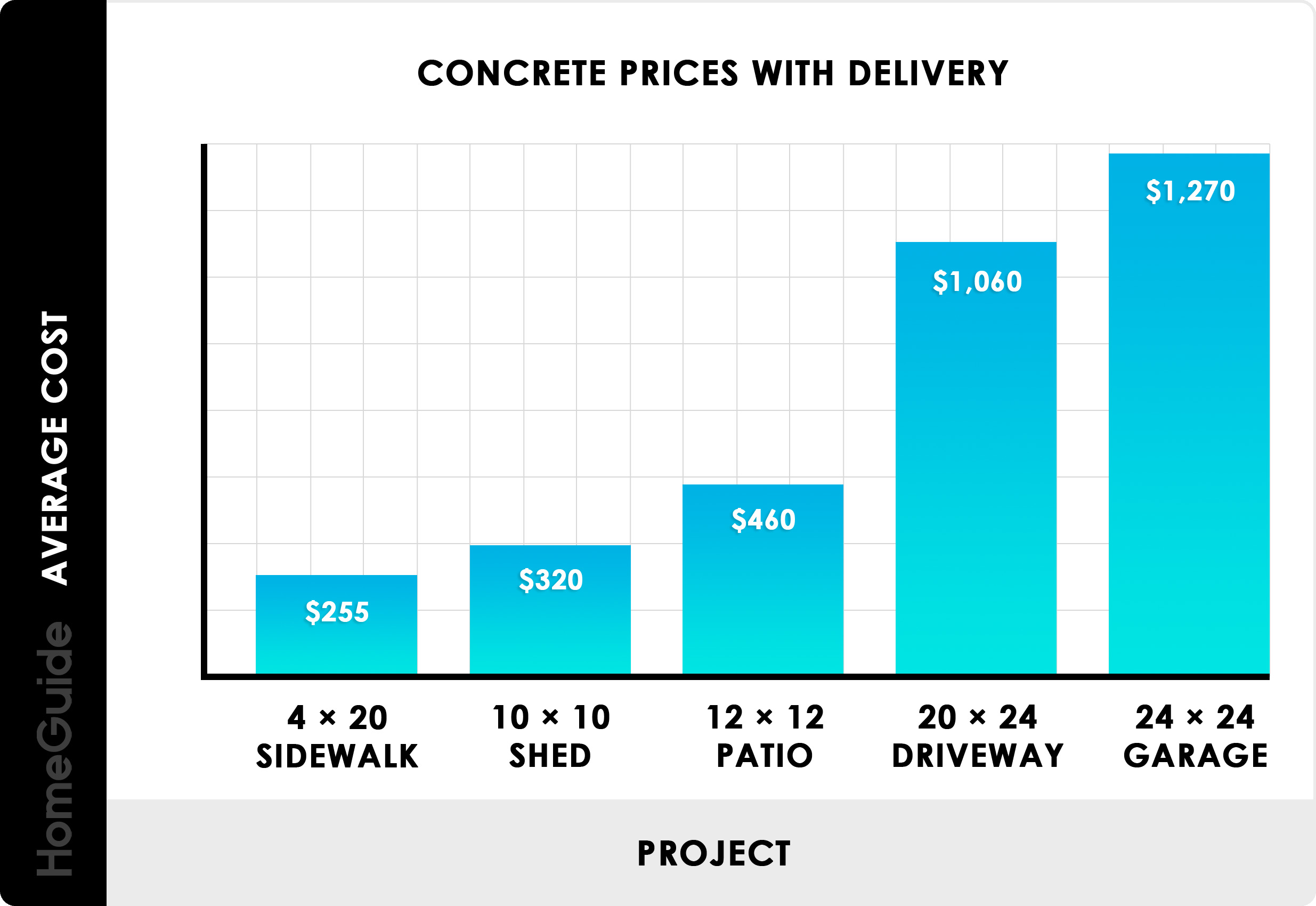
Factors Influencing Concrete Pricing in Houston
The cost of concrete is a composite of several distinct elements, each playing a role in the final per-cubic-yard price. These elements range from the raw materials used in the concrete mix to the logistical challenges of delivery and market demand.
Material Composition and Mix Design
The foundational cost of concrete is determined by its constituent ingredients. A standard concrete mix typically comprises cement, aggregates (sand and gravel), and water. However, the specific proportions and types of these materials can significantly alter the price.
Cement Content
Cement is the binder that holds the aggregates together. Higher cement content generally leads to stronger, more durable concrete, but also increases the cost. Specialty cements, such as those offering enhanced resistance to sulfates or rapid setting capabilities, will command a premium.
Aggregate Quality and Source
The type, size, and quality of aggregates used are also critical. Clean, well-graded aggregates are essential for a strong mix. Proximity to aggregate quarries can influence transportation costs. In Houston, Texas, readily available local sources of sand and gravel help to keep these costs relatively stable compared to regions where these materials must be transported over long distances.
Water-Cement Ratio
The amount of water used in the mix is crucial for workability and strength. An optimal water-cement ratio is necessary for achieving the desired performance characteristics. Excessive water can weaken the concrete, while insufficient water can make it difficult to place and finish.
Admixtures and Specialty Additives
Beyond the basic components, various admixtures can be incorporated into concrete to modify its properties. These additives can significantly impact the price per cubic yard.
Water Reducers
These admixtures reduce the amount of water needed while maintaining workability, leading to stronger and more durable concrete. They are a common and often cost-effective addition.
Accelerators and Retarders
Accelerators speed up the setting time of concrete, which is useful in colder weather or when quick turnaround is required. Retarders slow down the setting time, beneficial in hot weather or for large pours where extended workability is needed. Both can add to the overall cost.
Air Entrainers
These admixtures create microscopic air bubbles within the concrete, improving its resistance to freeze-thaw cycles and de-icing salts. They are particularly valuable in climates prone to such conditions, though Houston, Texas typically experiences milder winters.
Fibers
Synthetic or steel fibers can be added to enhance tensile strength, reduce cracking, and improve impact resistance. Fiber-reinforced concrete is often used in industrial floors, pavements, and precast elements, and its cost will be higher than standard mixes.
Strength Requirements (PSI)
Concrete is often specified by its compressive strength, measured in pounds per square inch (PSI). Higher PSI ratings indicate stronger concrete and generally come with a higher price tag.
- 3000 PSI: A common strength for residential flatwork, sidewalks, and driveways.
- 3500 PSI: Often used for patios, garage floors, and general-purpose construction.
- 4000 PSI and above: Required for more demanding applications like structural columns, beams, retaining walls, and commercial slabs.
The increase in cost per cubic yard for each incremental rise in PSI is typically moderate but can accumulate significantly for large projects.
Delivery and Logistics
The physical delivery of concrete is a significant cost factor. Ready-mix concrete is batched at a plant and transported to the job site in specialized trucks.
Distance from Batch Plant
The further the job site is from the nearest ready-mix concrete plant, the higher the transportation costs will be. Houston, Texas is a large city with multiple batch plants, but traffic congestion can also impact delivery times and add to expenses.
Delivery Time and Truck Availability
Scheduling concrete delivery during peak hours or on weekends might incur additional charges. The availability of ready-mix trucks can also be a factor, especially during busy construction seasons.
Site Accessibility
Difficult site access for ready-mix trucks can lead to extra labor costs for pumping the concrete or require smaller, more expensive volumetric mixer trucks.
Market Demand and Economic Conditions
Like any commodity, the price of concrete is subject to supply and demand dynamics.
Seasonal Fluctuations
Construction activity often peaks during warmer months, leading to increased demand for concrete. This surge in demand can sometimes drive up prices.
Fuel Costs
The price of fuel directly impacts transportation costs for raw materials and the delivery of the final product. Fluctuations in gasoline and diesel prices can therefore influence concrete pricing.
Local Economic Growth
A booming economy in Houston, Texas with robust construction activity will generally see higher demand for concrete, potentially leading to increased prices. Conversely, a downturn can lead to more competitive pricing.
Estimating the Cost of 1 Cubic Yard of Concrete in Houston
Given the numerous influencing factors, providing a precise, universally applicable price for one cubic yard of concrete in Houston, Texas is challenging. However, we can establish a realistic range based on common scenarios and current market observations.
Standard Residential Concrete (3000-3500 PSI)

For most common residential applications, such as driveways, sidewalks, patios, and standard garage slabs, a concrete mix with a strength of 3000 to 3500 PSI is typically sufficient.
Estimated Price Range
In Houston, Texas, the cost for one cubic yard of standard residential concrete, including delivery, typically falls between $150 and $200. This price can vary based on the specific supplier, the exact mix design, and the distance from the batch plant.
- Lower end ($150-$170): May be achievable for larger orders or from suppliers with more competitive pricing and closer proximity to your site.
- Higher end ($180-$200): Might reflect smaller orders, specialized delivery requirements, or specific admixture needs.
Commercial and Structural Concrete (4000+ PSI)
For commercial projects, structural elements, or applications requiring enhanced durability and load-bearing capacity, a higher strength concrete mix (4000 PSI and above) is necessary. These mixes often involve more cement and potentially specialized aggregates or admixtures.
Estimated Price Range
The cost for one cubic yard of commercial-grade concrete in Houston, Texas generally ranges from $170 to $240, or even higher for very specific performance requirements.
- 4000 PSI: Typically around $170-$200 per cubic yard.
- 4500-5000 PSI: Can range from $190-$230 per cubic yard.
- High-performance mixes: With advanced admixtures, fibers, or special aggregates, the cost can exceed $240 per cubic yard.
Specialty Concrete and Additives
When specialty concretes or significant amounts of additives are required, the price will increase further.
- Fiber-reinforced concrete: The addition of fibers can add $20-$50 or more per cubic yard.
- Self-consolidating concrete (SCC): Known for its high flowability, SCC is more expensive, often adding $50-$100+ per cubic yard.
- Colored concrete: Pigments to color the concrete can add $30-$60 per cubic yard.
Obtaining Accurate Quotes in Houston
To get the most accurate pricing for your specific project in Houston, Texas, it is essential to contact multiple ready-mix concrete suppliers.
What to Ask When Getting Quotes
When you call suppliers, be prepared to provide detailed information about your project to ensure you receive a relevant and accurate quote:
- Quantity Needed: How many cubic yards of concrete do you require? It’s always wise to order slightly more than your exact calculation to account for spillage, uneven subgrade, or over-excavation. A general rule of thumb is to add 5-10% for contingency.
- Required Strength (PSI): Specify the exact PSI rating needed for your application (e.g., 3000 PSI, 4000 PSI).
- Application: Clearly state what the concrete will be used for (e.g., driveway, patio, foundation, structural beam). This helps suppliers recommend the appropriate mix.
- Desired Slump: The slump test measures the workability of fresh concrete. While not always a primary cost driver for standard mixes, it’s important for the contractor’s ease of placement. Common slumps range from 4 to 6 inches.
- Any Special Requirements: Mention if you need specific admixtures (accelerator, retarder, water reducer, air entrainment), fibers, or color.
- Delivery Location: Provide the full project address and any specific site access details (e.g., narrow gate, steep incline).
- Desired Delivery Date and Time: Be as precise as possible to help with scheduling.
Reputable Concrete Suppliers in Houston
Houston, Texas boasts numerous reputable ready-mix concrete suppliers. Some of the larger national and regional companies that operate in the area include:
- LafargeHolcim (now Holcim)
- CEMEX
- Martin Marietta
- Buzzi Unicem
In addition to these, many local and independent suppliers can offer competitive pricing and personalized service. Always check online reviews and ask for references from contractors or previous customers.
Beyond the Per-Yard Cost: Additional Considerations
While the price per cubic yard is a primary concern, several other factors contribute to the overall cost of a concrete project.
Labor Costs
The cost of labor for pouring, finishing, and curing the concrete is a significant component of any project. This cost varies based on the complexity of the job, the experience of the crew, and local labor rates in Houston, Texas.
Site Preparation
Before concrete can be poured, the site must be properly prepared. This includes excavation, grading, compacting the subgrade, and installing formwork. These preparatory steps involve equipment rental, labor, and materials, all of which add to the total project cost.
Reinforcement
Most concrete applications, especially those bearing significant loads, require reinforcement for added strength and crack resistance. This typically involves rebar (steel reinforcing bars) or wire mesh. The cost of reinforcement materials and their installation should be factored into your budget.
Finishing Techniques
The type of finish desired can also influence labor costs. A basic broom finish is standard and cost-effective. Smoother finishes like troweled finishes or decorative finishes such as stamping, staining, or exposed aggregate will incur additional labor and material costs.
Curing and Sealing
Proper curing is essential for the concrete to reach its designed strength and durability. This often involves methods like water curing, covering with plastic sheeting, or applying curing compounds. Sealing the concrete after it has cured provides protection against stains, water penetration, and abrasion, and also adds to the final cost.

Conclusion
The question of “How much for 1 cube of concrete in Houston, Texas?” is multifaceted. While a standard cubic yard of concrete typically ranges from $150 to $200 for residential use and $170 to $240 for commercial applications, this figure is a starting point. The final cost is a composite of material composition, strength requirements, admixtures, delivery logistics, market conditions, and crucial on-site factors like labor, site preparation, and finishing techniques. By understanding these variables and obtaining detailed quotes from reputable suppliers in Houston, Texas, you can effectively budget for your construction or renovation needs.
LifeOutOfTheBox is a participant in the Amazon Services LLC Associates Program, an affiliate advertising program designed to provide a means for sites to earn advertising fees by advertising and linking to Amazon.com. Amazon, the Amazon logo, AmazonSupply, and the AmazonSupply logo are trademarks of Amazon.com, Inc. or its affiliates. As an Amazon Associate we earn affiliate commissions from qualifying purchases.