
Navigating the landscape of auto insurance in Texas can feel like charting a course through a vast and varied territory. Known for its sprawling cities, extensive highways, and unique driving conditions, the Lone Star State presents a dynamic environment for motorists, and consequently, for insurance providers. Understanding the factors that influence auto insurance premiums is crucial for Texans aiming to secure comprehensive coverage without overspending. This guide delves into the average costs, the key determinants of pricing, and strategies for finding affordable auto insurance within the state.
Understanding Average Auto Insurance Costs in Texas
The average cost of car insurance in Texas fluctuates based on a multitude of variables, making it challenging to pinpoint a single, definitive figure. However, industry analyses and consumer surveys provide valuable insights into general trends. Nationwide, the average annual premium for full coverage auto insurance hovers around $1,770, while Texas often sees figures slightly higher, sometimes ranging from $1,800 to over $2,500 annually for comprehensive and collision policies. These numbers are not static and can vary significantly based on location within Texas, the type of vehicle insured, the driver’s history, and the coverage levels chosen.

For minimum liability coverage, which is the state-required minimum, costs are substantially lower, typically falling between $400 and $700 per year on average. However, it is strongly advised for most drivers to opt for more robust coverage than the state minimum, as it offers significantly greater financial protection in the event of an accident.
Factors Influencing Premiums
Several interconnected factors contribute to the overall cost of auto insurance in Texas:
-
Location, Location, Location: Where you live within Texas plays a significant role. Major metropolitan areas like Houston, Dallas, San Antonio, and Austin generally experience higher premiums than rural or suburban areas. This is often attributed to increased traffic density, a higher incidence of theft, and a greater likelihood of claims due to more frequent accidents. For instance, zip codes with a higher rate of uninsured drivers or more crowded roadways tend to correlate with higher insurance costs.
-
Driver Demographics: Age, gender, marital status, and driving record are fundamental pricing components. Younger, less experienced drivers typically face higher rates due to their statistical propensity for more accidents. Conversely, experienced, mature drivers often benefit from lower premiums. A clean driving record, free of tickets and accidents, is one of the most powerful tools a driver has for keeping insurance costs down.
-
Vehicle Characteristics: The make, model, year, and safety features of your vehicle significantly impact your insurance rates. Expensive, high-performance, or frequently stolen vehicles usually command higher premiums. Conversely, cars with excellent safety ratings and lower repair costs may result in more affordable insurance. For example, insuring a Ford F-150 will likely cost more than insuring a modest Honda Civic.
-
Coverage Selections: The type and amount of coverage you choose are direct cost drivers.
- Liability Coverage: This is mandatory in Texas and covers damages you cause to others. It includes bodily injury liability and property damage liability.
- Collision Coverage: Pays for damage to your own vehicle resulting from a collision with another object or vehicle.
- Comprehensive Coverage: Covers damage to your vehicle from non-collision events such as theft, vandalism, fire, or natural disasters like hail.
- Uninsured/Underinsured Motorist (UM/UIM) Coverage: Essential in Texas, this protects you if you’re hit by a driver who has no insurance or insufficient insurance.
- Personal Injury Protection (PIP): Covers medical expenses and lost wages for you and your passengers, regardless of who is at fault.
- Medical Payments (MedPay): Similar to PIP, this covers medical expenses for you and your passengers.
Choosing higher coverage limits or adding optional coverages like roadside assistance or rental car reimbursement will naturally increase your premium.
-
Credit Score: In Texas, as in many other states, insurers often use credit-based insurance scores to help predict the likelihood of a driver filing a claim. Individuals with better credit scores generally receive lower premiums, as insurance companies view them as less risky.
-
Driving History: Past accidents, traffic violations, and DUIs are significant factors that can dramatically increase your insurance rates, often for several years.
Average Rates by City and Coverage Type
To illustrate the variation in costs, here’s a look at estimated average annual premiums for full coverage in some major Texas cities, keeping in mind these are approximations and can vary widely:
- Houston: Due to its size and traffic density, Houston often has some of the highest rates in the state. Full coverage can average between $2,200 and $2,800 annually.
- Dallas: Similar to Houston, Dallas drivers may expect to pay in the range of $2,100 to $2,700 annually for full coverage.
- San Antonio: Rates in San Antonio might be slightly lower than Houston and Dallas, perhaps averaging $2,000 to $2,600 per year for comprehensive policies.
- Austin: While growing rapidly, Austin’s rates can be competitive, often falling within $1,900 to $2,500 annually for full coverage.
Minimum liability coverage will, of course, be considerably less in each of these cities, often under $700 annually. However, it’s crucial to remember the limitations of minimum coverage and its inability to adequately protect against substantial financial loss.
Comparing Minimum vs. Full Coverage
The difference in price between minimum liability and full coverage is significant, but so is the protection offered.
-
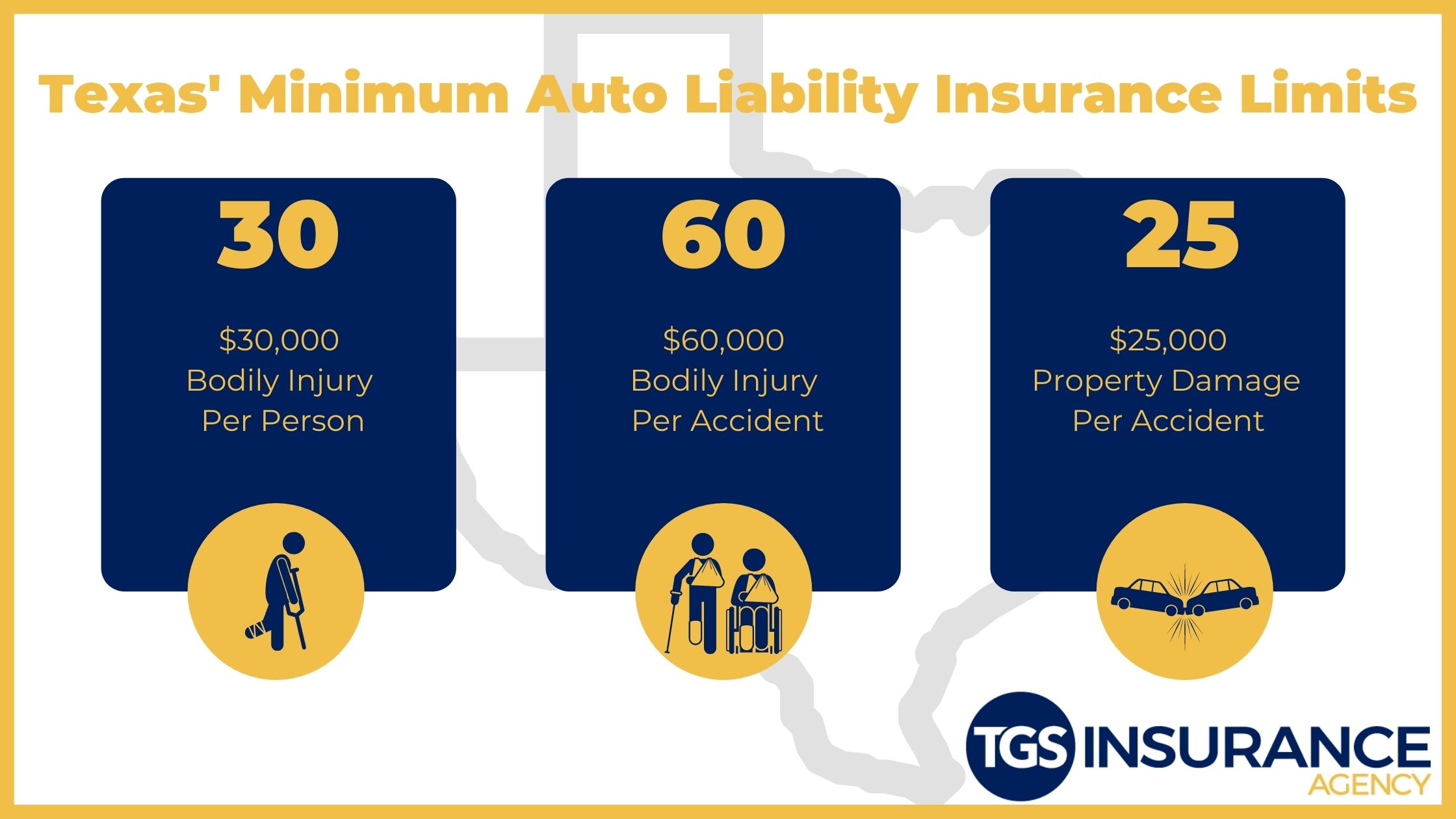
Minimum Liability: This typically includes $30,000 of bodily injury liability per person, $60,000 of bodily injury liability per accident, and $25,000 of property damage liability per accident. While it meets state requirements, it may not be enough to cover the costs of a serious accident. If your liability exceeds these limits, you are personally responsible for the difference.
-
Full Coverage: This usually encompasses liability limits higher than the state minimum, plus collision and comprehensive coverage. For example, a full coverage policy might have bodily injury limits of $100,000 per person / $300,000 per accident, $100,000 in property damage liability, and $500 deductibles for collision and comprehensive. This level of coverage provides much greater peace of mind and financial security.
The price difference for this enhanced protection is often a few hundred to a thousand dollars per year, a cost many Texans find well worth the security it provides against unexpected financial burdens.
Factors That Can Increase Your Premium
Beyond the core factors, certain situations and choices can lead to higher auto insurance rates in Texas:
- At-Fault Accidents: A recent at-fault accident will almost certainly cause your premium to rise. Insurers view drivers who have caused accidents as higher risk. The severity of the accident and whether it involved injuries or significant property damage will influence the extent of the premium increase.
-
Traffic Violations: Speeding tickets, running red lights, and other moving violations signal to insurers that you may be a less safe driver. Multiple tickets in a short period can lead to substantial premium hikes or even policy cancellation.
-
DUIs and DWIs: Driving under the influence of alcohol or drugs is one of the most serious offenses and results in dramatically increased insurance costs. Many insurers will require you to file an SR-22 form, which proves you have the required liability coverage, and may even drop your policy altogether, forcing you to seek coverage from high-risk insurers.
-
Adding a Young Driver: Adding a teenager to your policy can significantly increase your premium. Their inexperience makes them a higher risk in the eyes of insurance companies.
-
Modifications to Your Vehicle: Customizations like loud exhaust systems, body kits, or performance enhancements can sometimes lead to higher premiums, as they may be seen as increasing the risk of theft or damage, or indicating a more aggressive driving style.
-
Low Deductibles: Choosing lower deductibles for collision and comprehensive coverage means you pay less out-of-pocket when you file a claim, but it also means your insurer pays more, thus increasing your premium.
Strategies for Lowering Your Auto Insurance Costs in Texas
Fortunately, there are numerous proactive steps Texans can take to reduce their auto insurance expenses:
Shop Around and Compare Quotes
This is arguably the most effective strategy. Insurance companies use different algorithms and pricing models, meaning the same coverage can vary dramatically in price from one insurer to another. Dedicate time to gather quotes from at least three to five different insurance companies. Consider both national carriers and regional providers operating in Texas.
Bundle Policies
Many insurers offer discounts for bundling multiple insurance policies, such as auto and homeowners insurance, or auto and renters insurance. This can lead to significant savings on both policies. For example, bundling your State Farm auto insurance with a homeowners policy from the same company could yield a noticeable reduction.
Increase Your Deductibles
While not ideal for immediate out-of-pocket expenses, raising your collision and comprehensive deductibles (e.g., from $500 to $1,000) can lower your monthly premiums. Ensure you can comfortably afford to pay the higher deductible if you need to file a claim.
Improve Your Driving Record
The most direct way to lower your rates is to maintain a clean driving record. Avoid speeding, avoid accidents, and never drink and drive. If you have past violations, focus on demonstrating responsible driving behavior over time.
Drive Less
Many insurers offer discounts for low-mileage drivers. If you don’t commute long distances or use your car frequently, inquire about usage-based insurance programs or low-mileage discounts.
Ask About Discounts
Inquire about all available discounts. Common discounts include:
- Good Student Discount: For young drivers with excellent grades.
- Defensive Driving Course Discount: Completing an approved defensive driving course can sometimes earn you a discount or help clear minor tickets.
- Safety Features Discount: Vehicles equipped with anti-theft devices, airbags, and anti-lock brakes may qualify for discounts.
- Multi-Car Discount: Insuring multiple vehicles with the same company.
- Loyalty Discount: Staying with an insurer for several years.
Consider Usage-Based Insurance
Telematics programs, often called “pay-as-you-drive” or “behavior-based insurance,” use a device or smartphone app to track your driving habits. If you’re a safe driver, you may qualify for significant discounts. Companies like Progressive with their Snapshot program, or Allstate with Drivewise, offer these options.
Re-evaluate Your Coverage Needs Periodically
As your circumstances change (e.g., your car ages and depreciates, you pay off your loan, or your financial situation improves), your coverage needs may also change. Regularly review your policy with your agent to ensure you’re not over-insured or under-insured. For older vehicles with low market value, dropping collision and comprehensive coverage might be a financially sound decision, even if it means taking on more risk.

The Importance of Uninsured/Underinsured Motorist Coverage in Texas
Texas has a significant percentage of uninsured drivers. This makes carrying Uninsured/Underinsured Motorist (UM/UIM) coverage not just a recommendation, but a necessity for protecting yourself financially. If you are involved in an accident with a driver who has no insurance or not enough insurance to cover your damages and medical bills, your UM/UIM coverage will step in to help. This coverage can be a lifesaver and is often surprisingly affordable compared to the potential costs of being unprotected.
In conclusion, understanding auto insurance costs in Texas requires a comprehensive look at individual circumstances and the broader market. By being informed about the factors that influence premiums, actively seeking out savings opportunities, and ensuring you have adequate protection, Texans can navigate the complexities of auto insurance and secure policies that offer both affordability and peace of mind on the road.
LifeOutOfTheBox is a participant in the Amazon Services LLC Associates Program, an affiliate advertising program designed to provide a means for sites to earn advertising fees by advertising and linking to Amazon.com. Amazon, the Amazon logo, AmazonSupply, and the AmazonSupply logo are trademarks of Amazon.com, Inc. or its affiliates. As an Amazon Associate we earn affiliate commissions from qualifying purchases.