
Navigating the complex landscape of self-defense laws is a crucial aspect of responsible living, especially for those who prioritize personal safety as part of their lifestyle. In a dynamic state like California, understanding the legality of various self-defense tools, such as collapsible batons, is paramount for residents and visitors alike in 2024. The legislative environment in California often presents unique challenges and considerations that differ significantly from other states, demanding a proactive approach to staying informed. This article delves into the specifics surrounding collapsible batons, exploring the legal framework, possession rules, and the broader implications for individuals seeking to make informed choices about their personal safety and lifestyle within the Golden State.
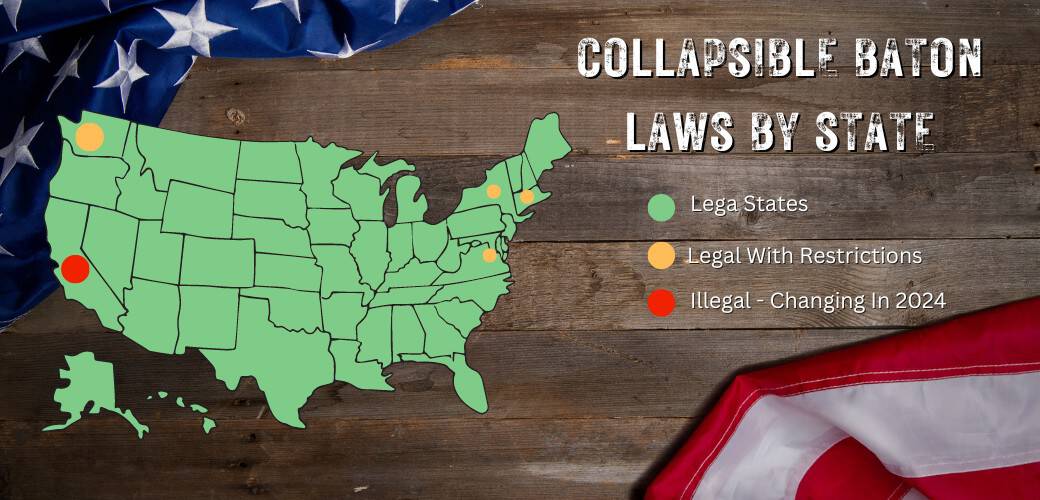
Understanding California’s Self-Defense Weapon Laws
California maintains a stringent regulatory environment concerning weapons, particularly those designated as “less lethal” or “impact weapons.” The intent behind these laws is often to balance an individual’s right to self-defense with public safety concerns, leading to nuanced classifications and restrictions. For anyone considering carrying a collapsible baton, a thorough grasp of these foundational laws is essential. The state’s penal code categorizes various items, and understanding where collapsible batons fall within these classifications is the first step toward compliance. Unlike firearms, which have their own extensive set of regulations, impact weapons like batons are often subject to different, yet equally strict, rules that govern their manufacture, sale, possession, and use. This legal framework directly influences the lifestyle choices individuals can make regarding personal protection.
The Legal Framework for Batons
Under California Penal Code 22210, it is generally illegal for any person to manufacture, import, sell, give, or possess any “billy, blackjack, sap, or slungshot.” Collapsible batons, depending on their design and intended use, are often interpreted by law enforcement and the courts as falling under the definition of a “billy” or “sap.” A “billy” is typically defined as a short, heavy club, often weighted at one end, used as a weapon. While a collapsible baton might appear distinct, its function as an impact weapon makes it susceptible to this classification. This broad interpretation is a critical point for individuals, as it means that even if an item is marketed as a “telescopic baton” or “expandable stick,” it could still be deemed illegal under the existing penal code. The law prioritizes the functional nature of the item over its specific marketing name, emphasizing how crucial it is for individuals to look beyond surface-level descriptions when considering such tools for their personal safety strategy. This also shapes the responsible lifestyle of citizens who wish to be prepared without inadvertently breaking the law.
Defining “Assault Weapon” in California
While collapsible batons are not classified as “assault weapons” in the same vein as certain firearms, California’s robust definition of “weapon” is broad enough to encompass them within prohibited items. The term “assault weapon” typically refers to firearms with specific features, but the state’s approach to potentially dangerous items is comprehensive. For impact weapons like batons, the law focuses more on their potential for misuse and their inherent design as offensive or defensive instruments. This distinction is important because it means the legal restrictions on batons stem from a different section of the penal code than those for firearms, often leading to less public awareness about their specific prohibitions. For an informed lifestyle, knowing these categories and distinctions is vital, as ignorance of the law is never an excuse. Residents and those planning extended stays in California must therefore consider the implications of these classifications on their personal safety tools.
Possession and Carry: What Residents and Visitors Need to Know
The legality of possession and carry for collapsible batons in California is not merely a matter of classification but also involves specific rules about how and where such items can be carried. These regulations significantly impact an individual’s daily lifestyle, from their choice of personal safety gear to how they navigate public and private spaces. For a responsible and compliant lifestyle in California, understanding these nuances is essential. The state makes clear distinctions between open carry and concealed carry, and furthermore, designates specific locations where even otherwise legal items may be prohibited.
Open vs. Concealed Carry
For items like collapsible batons, which are generally categorized as illegal “billys” or “saps” under California Penal Code 22210, the distinction between open and concealed carry often becomes moot. If an item is broadly prohibited, its method of carry does not render it legal. However, for context, in cases where an item might be legal for certain individuals (e.g., law enforcement officers) or under specific, very limited circumstances, California generally has strict rules. Concealed carry of any weapon, even those that are legal to own, often requires a permit or specific authorization. For the general public, carrying a collapsible baton, whether openly displayed or hidden from view, would likely be considered illegal possession and subject to criminal penalties. This means that a person’s lifestyle choice to carry such an item for self-defense could have severe legal repercussions, regardless of whether it’s visible or not. The law aims to prevent the presence of these items in public, framing them as a public safety concern.
Prohibited Locations and Circumstances
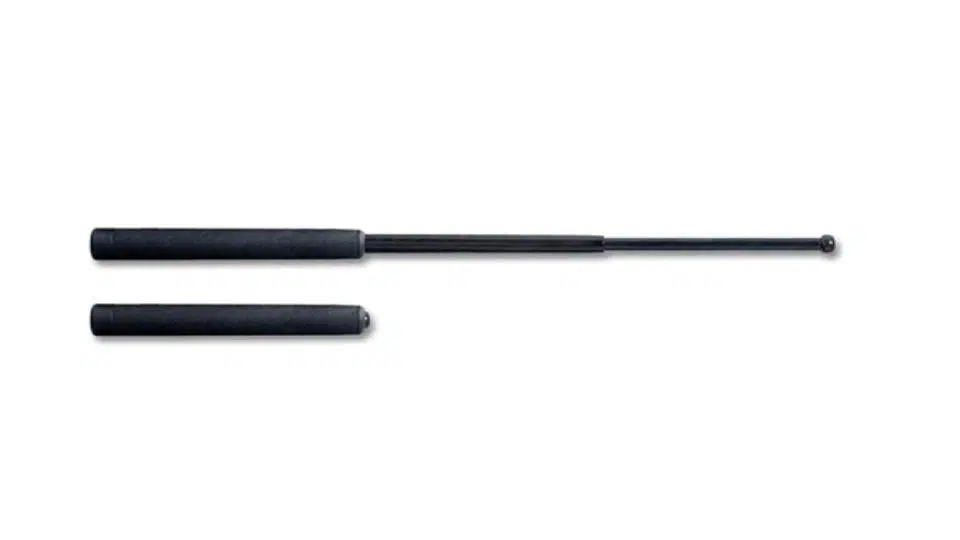
Even if, hypothetically, an individual believed their collapsible baton was legal (which, as established, is generally not the case for the public in California), there are numerous locations and circumstances where carrying any weapon is strictly prohibited. These include, but are not limited to, schools, government buildings, courthouses, polling places, and many private establishments with posted restrictions. The principle here is that certain environments demand a heightened level of safety and security, leading to blanket prohibitions on weapons. For a lifestyle that involves frequenting such places, understanding these restrictions is vital. Attempting to enter a school or a courthouse with any prohibited item, including a collapsible baton, can lead to immediate arrest and severe penalties, separate from the charges for illegal possession. Therefore, individuals must always be mindful of their surroundings and the specific regulations that apply to different locations within their daily routines, ensuring their lifestyle choices remain within legal bounds.
The Nuance of “Legitimate Self-Defense”
The concept of “self-defense” is a fundamental right, yet its application in California is heavily regulated, particularly when it involves the use of weapons. While the law permits individuals to defend themselves and others from imminent harm, it also places strict limitations on the types of tools that can be used and the level of force deemed reasonable. This balance is critical for any individual integrating self-protection into their lifestyle. The state’s legal framework for self-defense is not a blanket authorization to carry or use any item one deems necessary but rather a carefully calibrated set of principles that assess proportionality, necessity, and intent.
Reasonable Force and Intent
In California, the use of force in self-defense must be “reasonable” given the circumstances. This means the force used must not be excessive or greater than necessary to repel the threat. For instance, using a weapon to defend against a non-lethal threat could be deemed unreasonable. When it comes to items like collapsible batons, even if one were to argue their possession was legal (a challenging premise, as discussed), their use in a self-defense scenario would be scrutinized under the “reasonable force” standard. The very nature of a baton as an impact weapon means its use can easily lead to serious injury, raising questions about whether less lethal alternatives were available or appropriate. The intent behind carrying such a weapon is also a factor. While an individual might genuinely intend it for self-defense, its classification as a prohibited weapon means that the intent to use it for protection does not override the illegality of its possession. For a responsible lifestyle, understanding these parameters is crucial: personal safety must be pursued within the bounds of what the law considers reasonable and permissible.
The Importance of Legal Consultation
Given the complexities and strict interpretations of California weapon laws, relying on general information or assumptions about self-defense tools can be perilous. For anyone with questions about personal safety devices, especially items like collapsible batons, seeking legal advice from a qualified California attorney is not merely advisable but essential. A legal professional can provide specific guidance tailored to an individual’s unique situation, clarify current statutes, and explain the potential legal ramifications of possessing or using particular items. This proactive step is an integral part of maintaining a legally compliant and informed lifestyle. The landscape of weapon laws can change, and interpretations may evolve, making ongoing awareness and expert consultation invaluable for those committed to lawful self-protection.
Collapsible Batons in the Broader Lifestyle Context
Considering the legal restrictions, the discussion around collapsible batons in California naturally shifts toward alternative self-defense strategies and the broader implications for an informed and secure lifestyle. For many, personal safety is a significant component of their daily routine and overall peace of mind. When a specific tool is largely prohibited, it necessitates exploring other avenues that are both effective and legally sound, integrating seamlessly into one’s life choices.
Alternative Self-Defense Options
Given the general illegality of collapsible batons for most civilians in California, individuals seeking self-defense options must explore alternatives that align with state laws. These options typically include non-lethal tools that are specifically permitted or training in personal defense techniques that do not rely on prohibited weapons. Common legal self-defense tools in California include pepper spray (with specific container size limitations), personal safety alarms, and flashlights designed for tactical use (which can deter or temporarily disorient an attacker). Additionally, self-defense classes focusing on martial arts, Krav Maga, or other hand-to-hand combat techniques offer empowering ways to enhance personal safety without carrying any prohibited items. Incorporating such training into one’s lifestyle not only builds confidence but also provides practical skills that are legally defensible. This holistic approach to personal safety is a vital aspect of an informed lifestyle in California, ensuring individuals are equipped without risking legal complications.
Staying Informed with Current Regulations
The legal landscape surrounding weapons and self-defense in California is subject to change, with new legislation potentially introduced or existing laws reinterpreted. For individuals committed to a lifestyle of safety and legal compliance, staying abreast of these developments is an ongoing responsibility. Regularly checking official California government websites for legislative updates, consulting with legal experts, and participating in reputable personal safety forums can help individuals remain informed. This proactive engagement ensures that one’s personal safety strategy evolves with the law, preventing inadvertent violations and promoting responsible citizenship. Ultimately, an informed lifestyle in California means understanding not just what is permitted today, but also anticipating and adapting to future changes in the legal framework surrounding personal defense.
LifeOutOfTheBox is a participant in the Amazon Services LLC Associates Program, an affiliate advertising program designed to provide a means for sites to earn advertising fees by advertising and linking to Amazon.com. Amazon, the Amazon logo, AmazonSupply, and the AmazonSupply logo are trademarks of Amazon.com, Inc. or its affiliates. As an Amazon Associate we earn affiliate commissions from qualifying purchases.