
Navigating the requirements and costs associated with vehicle state inspections in Texas is a crucial aspect of responsible vehicle ownership for residents and visitors alike. Understanding these mandates ensures compliance with state law, promotes road safety, and can impact your ability to enjoy the vast Texas landscape and its many attractions. While the price itself is a straightforward figure, the context surrounding it—what it covers, where to get it done, and potential additional fees—provides a more complete picture for any traveler or resident looking to keep their vehicle road-ready.
The Standard State Inspection Fee in Texas
The official state-mandated fee for a vehicle inspection in Texas is set by the state government. This fee is standard across all licensed inspection stations in the state, ensuring a consistent price for this essential service.

Fixed Fee Structure
As of the latest regulations, the standard fee for a vehicle state inspection in Texas is $7.50. This price covers the basic safety check of your vehicle. It’s important to note that this is the inspection fee itself, not necessarily the total cost you might incur at an inspection station, as additional services or potential repairs can increase the final bill.
What the $7.50 Covers
This modest fee grants you a comprehensive safety inspection designed to ensure your vehicle meets minimum roadworthiness standards. The inspection typically includes checks on:
- Brakes: Ensuring they are functioning correctly and have adequate pad life.
- Lights: Verifying that headlights, taillights, brake lights, and turn signals are operational and properly aimed.
- Tires: Checking for adequate tread depth and any signs of damage or excessive wear.
- Windshield Wipers and Washers: Confirming they work to clear your view.
- Horn: Ensuring it functions as a warning device.
- Mirrors: Checking for proper placement and condition.
- Steering and Suspension: Examining for any obvious defects that could compromise control.
- Exhaust System: Looking for leaks or excessive noise.
- Glass: Ensuring the windshield and windows are free from obstructions or significant cracks that could impair visibility.
- Seat Belts: Verifying they are present and functional.
For certain vehicle types, additional components may be inspected. For instance, motorcycles have a slightly different inspection checklist but the fee remains the same.
Beyond the Inspection Fee: Potential Additional Costs
While the $7.50 is the fixed price for the inspection itself, it’s crucial to understand that this is not always the total amount you will pay at an inspection station. Several factors can lead to additional charges, particularly if your vehicle does not pass the initial inspection.
Re-inspection Fees
If your vehicle fails the initial safety inspection, you will likely need to have it re-inspected after making the necessary repairs. Some inspection stations may charge a reduced fee for a re-inspection, while others may charge the full $7.50 again. It is advisable to inquire about the station’s policy on re-inspection fees before you leave. Often, if you complete the repairs and return to the same station within a specified timeframe (usually 30-60 days), the re-inspection may be free or offered at a discounted rate.
Repair Costs
The most significant potential additional cost arises if your vehicle fails the inspection and requires repairs. The inspection station will identify the issues, but they are not obligated to perform the repairs themselves. You are free to take your vehicle to any mechanic of your choice for the necessary work. The cost of these repairs will vary widely depending on the nature of the problem and the parts and labor required. For example, replacing worn brake pads will be less expensive than addressing an issue with the steering system.
Emission Inspections (Where Applicable)
Historically, Texas had a two-step inspection process that included a separate emissions test in certain counties. However, as of January 1, 2025, Texas has eliminated the requirement for separate emissions inspections for most vehicles. The state has transitioned to a “one-sticker” program, meaning a single safety inspection sticker will be issued after passing the safety check. This simplification eliminates the separate emissions fee that used to apply in areas like Houston and Dallas. If you own a vehicle that is exempt from inspection, such as a new car for its first few years or an older vehicle that is at least 25 years old and hasn’t had its appearance significantly altered from its original manufactured state, you will not incur this fee.
Inspection Station Surcharges (Rare)
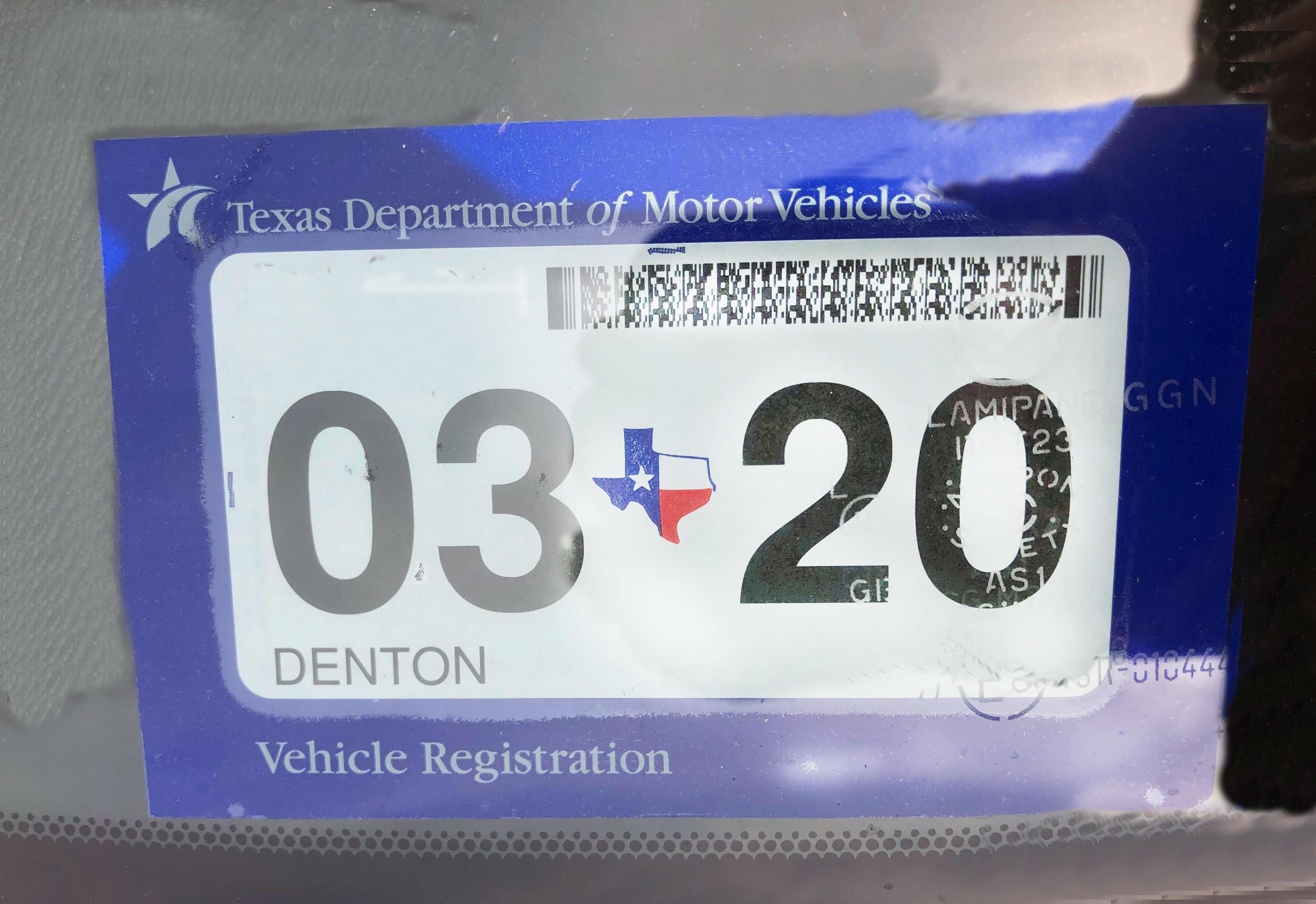
While the $7.50 inspection fee is state-mandated, some inspection stations might, in rare cases, attempt to add minor administrative fees. However, the Texas Department of Public Safety (DPS) has guidelines in place to prevent excessive charges. If you encounter a station attempting to charge significantly more than $7.50 for the inspection itself without valid justification (like additional vehicle specific checks or a legitimate re-inspection fee), it’s worth questioning.
Where to Get Your Vehicle Inspected
Finding a licensed inspection station in Texas is straightforward. These stations are authorized by the state to perform vehicle safety inspections and issue the official inspection certificates.
Licensed Inspection Stations
Inspection stations can be found at a wide variety of businesses, including:
- Auto repair shops
- Car dealerships
- Some service stations and convenience stores
- Dedicated inspection-only facilities
To identify a licensed station, look for a sign displaying the official Texas Vehicle Inspection Program logo. You can also use the Texas DPS website to search for authorized inspection stations in your area.
Choosing an Inspection Station
When selecting a station, consider the following:
- Convenience: Is it located close to your home or workplace?
- Wait Times: Some stations are busier than others. Checking online reviews or calling ahead can give you an idea of typical wait times.
- Reputation: If your vehicle requires repairs, it can be beneficial to choose a station that also performs repairs or has a trusted partner mechanic. However, remember you are not obligated to have repairs done at the inspection station.
- Clarity on Fees: As mentioned, it’s wise to confirm their policy on re-inspection fees before you begin.
The Importance of the State Inspection for Travelers and Residents
The state inspection in Texas serves a dual purpose: it’s a legal requirement and a safety measure. For visitors exploring the vast distances of Texas, from the Big Bend National Park to the coastal plains near Galveston, a properly maintained vehicle is paramount.
Road Safety
The primary goal of the inspection is to ensure that vehicles on Texas roads are safe to operate. A malfunctioning brake system or bald tires can lead to serious accidents, endangering the driver, passengers, and other road users. Regular inspections help catch potential issues before they become critical.
Legal Compliance
Driving a vehicle without a valid Texas inspection sticker is a violation of state law. If pulled over by law enforcement, you can face fines and be required to get your vehicle inspected immediately. This is particularly important for residents who rely on their vehicles for daily commutes and errands. For tourists, ensuring your vehicle is compliant before embarking on a long road trip across the state can prevent unnecessary stress and legal complications.
Vehicle Longevity and Value
Regularly passing state inspections can indirectly contribute to your vehicle’s longevity. By addressing minor issues identified during the inspection, you prevent them from escalating into more significant and costly problems. This proactive approach can save you money in the long run and help maintain your vehicle’s resale value, whether you’re looking to sell it in Austin or trade it in at a dealership.
In conclusion, the $7.50 state inspection fee in Texas is a small price to pay for the peace of mind and assurance of safety it provides. While additional costs can arise if repairs are needed, understanding the process and potential expenses allows Texas residents and visitors to budget accordingly and ensure their journeys across the Lone Star State are safe and compliant.
LifeOutOfTheBox is a participant in the Amazon Services LLC Associates Program, an affiliate advertising program designed to provide a means for sites to earn advertising fees by advertising and linking to Amazon.com. Amazon, the Amazon logo, AmazonSupply, and the AmazonSupply logo are trademarks of Amazon.com, Inc. or its affiliates. As an Amazon Associate we earn affiliate commissions from qualifying purchases.