
Navigating the landscape of earnings in the Lone Star State involves understanding a medley of factors that influence the take-home pay. While the allure of Texas lies in its vastness, burgeoning economy, and often lower cost of living compared to other states, the actual amount appearing in your bank account after taxes and deductions is a nuanced calculation. This article delves into the key components that determine your paycheck in Texas, from state-specific tax policies to common deductions, offering insights for both seasoned residents and newcomers to this dynamic region.
Understanding Texas’s Tax Structure
Texas stands out among U.S. states for its distinctive approach to taxation, most notably its absence of a state income tax. This characteristic is a significant draw for individuals and businesses alike, offering a distinct advantage in personal finance and corporate budgeting. However, the absence of income tax does not mean Texans are exempt from contributing to state and local revenues. Instead, the state relies heavily on other forms of taxation to fund public services.
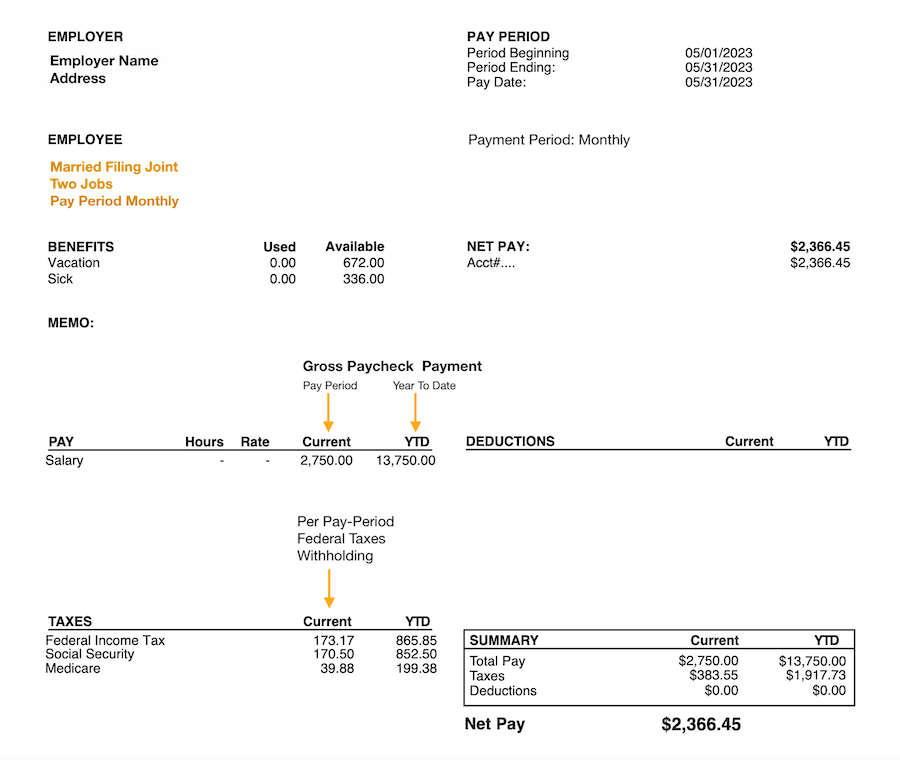
The Absence of State Income Tax
One of the most compelling aspects of earning a living in Texas is the lack of a state income tax. This means that your gross salary is not reduced by a percentage at the state level, unlike in many other U.S. states. For example, if you earn $60,000 annually in Texas, your entire $60,000 is subject to federal income tax, but no portion of it is withheld for state income tax purposes. This can translate into a noticeably larger paycheck compared to working in a state with a progressive income tax system. This policy has been a cornerstone of Texas’s economic development strategy, aiming to attract investment and skilled labor by reducing the financial burden on its residents.
Reliance on Sales and Property Taxes
While state income tax is absent, Texas compensates through robust sales and property taxes. The state sales tax rate is a flat 6.25%, but many cities and counties levy additional local sales taxes, bringing the total rate in some areas to over 8.25%. This tax is applied to most retail sales of tangible goods and certain services. For instance, a $100 purchase in Houston might incur an additional $8.25 in sales tax. This indirect taxation means that a significant portion of your spending directly contributes to state and local government budgets.
Property taxes, on the other hand, are generally higher in Texas than in many other states. These taxes are levied by local governments – counties, cities, school districts, and special districts – and are based on the assessed value of real estate. Homeowners in cities like Dallas or Austin, for example, will see a portion of their annual expenses dedicated to property taxes, which fund local services such as schools, police, and fire departments. The rate varies significantly by location, but it’s a crucial component to factor into the overall cost of living and, indirectly, the effective take-home pay after accounting for housing expenses.
Federal Income Tax Implications
Despite the absence of state income tax, federal income tax remains a significant deduction from your paycheck in Texas, just as it is everywhere else in the United States. The federal government levies income tax based on a progressive system, meaning higher earners pay a larger percentage of their income in taxes. Deductions, credits, and your filing status (single, married filing jointly, etc.) all play a critical role in determining your federal tax liability. Understanding federal tax brackets and available deductions is essential for accurately estimating your net pay.
Common Payroll Deductions in Texas
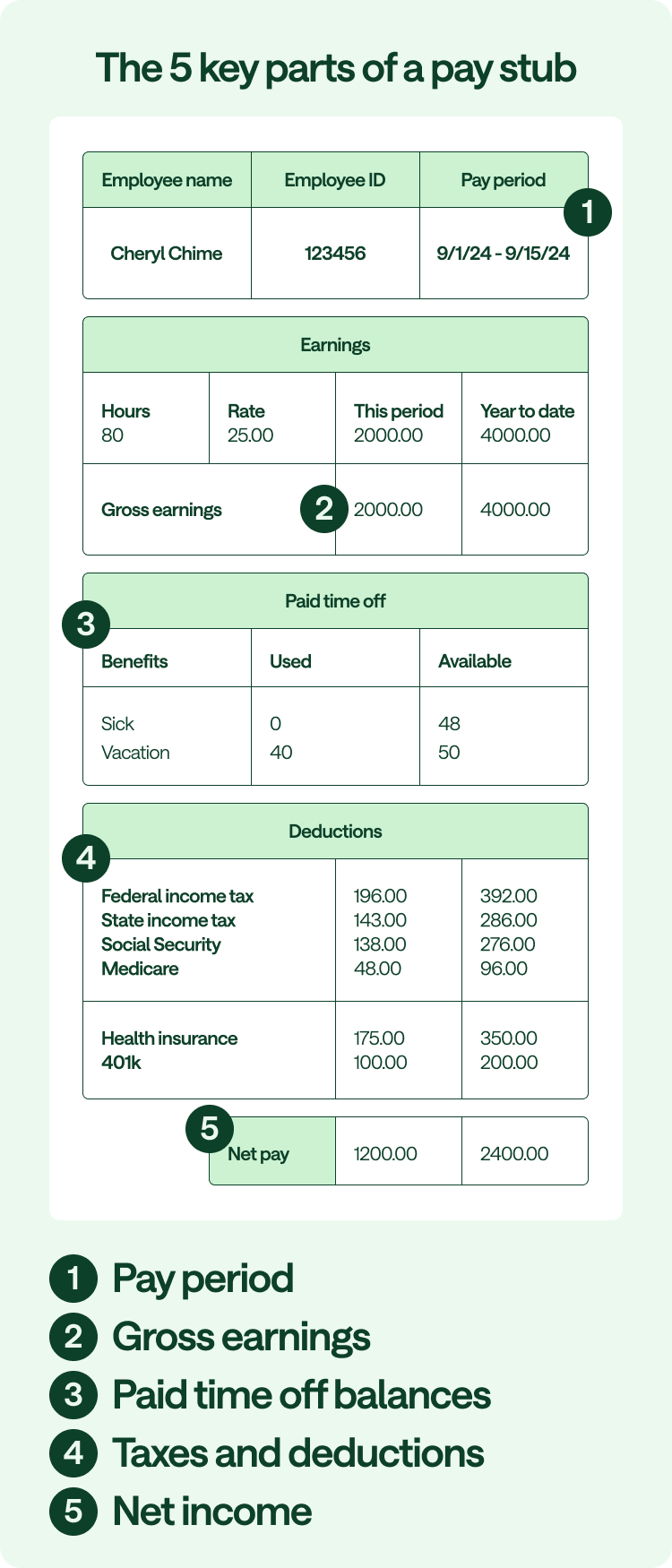
Beyond taxes, several other deductions are typically subtracted from an employee’s gross pay. These deductions can be mandatory, such as Social Security and Medicare taxes, or voluntary, such as health insurance premiums and retirement contributions. The specific deductions will vary depending on your employer, your chosen benefits, and your personal financial decisions.
Mandatory Federal Deductions
Two non-negotiable deductions from virtually every paycheck in Texas (and across the U.S.) are FICA taxes, which cover Social Security and Medicare.
- Social Security Tax: As of recent regulations, employees contribute 6.2% of their gross income up to an annual wage base limit (which adjusts yearly). For 2023, this limit was $160,200. This tax funds retirement, disability, and survivor benefits.
- Medicare Tax: Employees contribute 1.45% of their gross income with no wage base limit. For higher earners, an additional Medicare tax of 0.9% may apply to income above certain thresholds.
These taxes are crucial for funding vital federal programs that support millions of Americans.
Voluntary Deductions and Benefits
Many employees opt for additional deductions to secure benefits and plan for the future. These can significantly impact the net amount received on a paycheck.

- Health Insurance Premiums: If your employer offers health insurance, a portion of the premium is typically deducted from your paycheck. The amount varies widely based on the plan chosen (e.g., PPO, HMO), the level of coverage, and the employer’s contribution. Some plans may also allow for pre-tax deductions, which can reduce your taxable income.
- Retirement Contributions (401(k), etc.): Contributing to a 401(k) or other employer-sponsored retirement plan is a common and highly recommended practice. These contributions are often made on a pre-tax basis, lowering your current taxable income and allowing your investments to grow tax-deferred. The percentage or fixed amount you choose to contribute will directly affect your take-home pay.
- Life Insurance and Disability Insurance: Premiums for employer-provided or supplemental life insurance and long-term/short-term disability insurance are also frequently deducted from paychecks. These voluntary benefits offer financial protection for you and your family in unforeseen circumstances.
- Other Deductions: Depending on the employer, other deductions might include contributions to flexible spending accounts (FSAs) for healthcare or dependent care, union dues, or wage garnishments (if applicable due to legal obligations).
Estimating Your Texas Paycheck
To provide a practical estimation of your paycheck in Texas, let’s consider a hypothetical scenario. Suppose an individual earns an annual gross salary of $70,000 in Dallas, Texas.
Example Calculation
Gross Annual Salary: $70,000
Gross Bi-weekly Pay: $70,000 / 26 pay periods = $2,692.31
Deductions:
- Federal Income Tax: This is the most variable deduction. For a single filer with standard deductions in 2023, the approximate federal income tax bracket for this income might fall within the 12% to 22% range, depending on the exact taxable income after other deductions. Let’s estimate an average withholding rate of 15% for federal income tax.
- Estimated Federal Income Tax (annual): $70,000 * 15% = $10,500
- Estimated Federal Income Tax (bi-weekly): $10,500 / 26 = $403.85
- Social Security Tax: 6.2% of $2,692.31 = $166.92
- Medicare Tax: 1.45% of $2,692.31 = $39.04
- Health Insurance Premium: $75 bi-weekly (pre-tax deduction)
- 401(k) Contribution: 5% of $2,692.31 = $134.62 (pre-tax deduction)
Total Estimated Bi-weekly Deductions: $403.85 (Federal Tax) + $166.92 (Social Security) + $39.04 (Medicare) + $75.00 (Health Ins.) + $134.62 (401k) = $819.43
Estimated Net Bi-weekly Pay: $2,692.31 – $819.43 = $1,872.88
Important Note: This is a simplified estimation. Actual federal income tax withholding depends on the W-4 form you submit to your employer, which accounts for marital status, dependents, and other income or deductions. The state sales tax and property taxes are not directly deducted from your paycheck but are expenses you will incur.
Factors Influencing Your Net Pay
- Your W-4 Form: This IRS form is crucial. Accurately filling out your W-4 helps your employer withhold the correct amount of federal income tax. Adjustments for dependents, multiple jobs, or other income sources can significantly alter withholding.
- Employer Benefits Package: The cost and type of benefits offered by your employer will directly impact your deductions. A more comprehensive benefits package might mean higher deductions, but also greater financial security.
- Retirement Contributions: The more you contribute to pre-tax retirement accounts, the lower your current taxable income will be, but also the lower your take-home pay will appear on each paycheck.
- Location Within Texas: While state income tax is zero, local property taxes and sales taxes vary, impacting your overall financial picture and the effective cost of living. For instance, owning a home in a high-cost-of-living area like downtown Austin will have different property tax implications than living in a more rural part of West Texas.
- Wage Garnishment: Court-ordered wage garnishments for child support, alimony, or debts will also reduce your net pay.
The Broader Financial Picture in Texas
Understanding your paycheck is only one part of the financial equation in Texas. The state’s economic environment, cost of living, and long-term financial planning considerations are equally important for residents.
Cost of Living Variations
Texas is a large state with diverse economic hubs, each offering a different cost of living. Major metropolitan areas like Houston, Dallas, Austin, and San Antonio generally have higher housing costs and living expenses compared to smaller towns or rural areas. However, even within these cities, neighborhoods can vary significantly in affordability. The absence of state income tax can help offset higher costs in some areas, but it’s essential to research the specific costs in your chosen locality. For example, the median home price in Austin is considerably higher than in El Paso, and property tax rates can also differ.
Economic Opportunities and Growth
Texas boasts a robust and diversified economy, with strong sectors in energy, technology, aerospace, healthcare, and agriculture. This economic vitality often translates into competitive salaries and ample job opportunities. Cities like Austin have become hubs for tech innovation, attracting talent from across the country. Houston, with its deep ties to the energy industry and its status as a major port city, offers a wide array of employment options. This dynamic job market can mean higher earning potential, which, combined with the tax advantages, can lead to a favorable financial situation for many.
Planning for Future Financial Goals
With a clearer understanding of your take-home pay in Texas, you can better plan for your financial future. This includes setting aside funds for emergencies, investing for retirement, saving for major purchases like a home, and planning for your children’s education. The absence of state income tax allows for more disposable income that can be directed towards these goals. Utilizing employer-sponsored benefits like 401(k)s and understanding the tax advantages of these accounts is crucial. Furthermore, exploring investment opportunities within Texas, such as real estate or local business ventures, can be part of a comprehensive financial strategy. Engaging with a financial advisor who understands the Texas market can provide personalized guidance for achieving your long-term objectives in the Lone Star State.
LifeOutOfTheBox is a participant in the Amazon Services LLC Associates Program, an affiliate advertising program designed to provide a means for sites to earn advertising fees by advertising and linking to Amazon.com. Amazon, the Amazon logo, AmazonSupply, and the AmazonSupply logo are trademarks of Amazon.com, Inc. or its affiliates. As an Amazon Associate we earn affiliate commissions from qualifying purchases.