
Securing a motorcycle license in California is more than just a bureaucratic step; it’s the gateway to experiencing the Golden State’s diverse landscapes and vibrant culture from an entirely new perspective. Whether you dream of cruising along the scenic Pacific Coast Highway, navigating the bustling streets of Los Angeles, or exploring the vast deserts of the inland empire, a motorcycle license unlocks unparalleled freedom and adventure. This guide will demystify the process, outlining the essential steps, requirements, and tips to help you successfully obtain your California motorcycle endorsement.
Understanding the California Motorcycle License Requirements
The California Department of Motor Vehicles (DMV) outlines specific criteria for obtaining a motorcycle license, often referred to as a Class M license. The requirements can vary slightly depending on your age, but the fundamental process involves a combination of knowledge tests, practical skills assessments, and age-specific endorsements.

Age-Specific Requirements
Under 18 Years Old: Aspiring riders under the age of 18 face a more stringent pathway. They are required to complete a motorcycle safety course approved by the California Motorcyclist Safety Program (CMSP). Upon successful completion, they will receive a certificate that waives the riding skills test at the DMV. Additionally, they must hold an instruction permit for at least six months, during which time they cannot carry passengers or ride at night. They also need to pass the motorcycle knowledge test.
18 Years and Older: For applicants 18 and older, the process is more streamlined. You can choose to either complete a CMSP-approved rider training course or take the riding skills test at a DMV field office. Both options require passing the motorcycle knowledge test first. Completing a safety course is highly recommended for all riders, regardless of age, as it significantly enhances riding skills and safety awareness.
Essential Documentation
Before visiting the DMV, ensure you have all the necessary documentation ready. This typically includes:
- Proof of Identity: A valid driver’s license from another state, a U.S. passport, or other acceptable forms of identification.
- Proof of California Residency: Utility bills, rental agreements, or bank statements showing your current address in California.
- Social Security Card: Your original Social Security card.
- Proof of Legal Presence: If you are not a U.S. citizen, you’ll need documentation proving your legal presence in the United States.
- Motorcycle Safety Course Completion Certificate (if applicable): This is mandatory for applicants under 18 and optional but recommended for others.
The Steps to Obtaining Your Motorcycle License
The journey to your California motorcycle license involves several distinct stages, each designed to ensure you possess the necessary knowledge and skills to operate a motorcycle safely.
Step 1: Obtain a Motorcycle Instruction Permit
Before you can legally operate a motorcycle on public roads, you’ll need a motorcycle instruction permit. To get this, you must:
- Visit a DMV Field Office: Make an appointment in advance to minimize wait times.
- Pass the Motorcycle Knowledge Test: This multiple-choice test covers traffic laws, safe riding practices, and motorcycle-specific regulations. Study the California Motorcycle Handbook thoroughly.
- Pass a Vision Test: You’ll need to meet the minimum vision standards.
- Pay the Application Fee: The fee amount can be found on the California DMV website.
Once you have your instruction permit, you can legally practice riding under certain conditions. For those under 18, there are restrictions on carrying passengers and riding at night. For those 18 and older, while there are no explicit restrictions on passengers or time of day with an instruction permit, it is strongly advised to practice in safe environments and under supervision when possible.
Step 2: Pass the Motorcycle Riding Skills Test
This is the practical assessment of your ability to safely control a motorcycle. You have two main options to fulfill this requirement:
Option A: Complete a CMSP-Approved Rider Training Course
This is often the most favored and practical route. These courses are designed for beginners and experienced riders alike, teaching essential riding techniques, hazard avoidance, and defensive riding strategies. Upon successful completion of a course, you will receive a waiver for the DMV’s riding skills test. This option is highly beneficial as it provides professional instruction and builds confidence. Popular CMSP-approved courses can be found through various organizations and private training facilities across California.
Option B: Take the Riding Skills Test at the DMV
If you choose not to attend a formal training course, you will need to schedule a riding skills test at a California DMV field office. You must provide your own motorcycle, which must be properly registered and insured. The test evaluates your ability to perform basic maneuvers such as:
- Cone Weave: Maneuvering through a line of cones at a controlled speed.
- Turning: Smoothly executing turns from a straight line.
- Braking: Controlled stopping from various speeds.
- Obstacle Avoidance: Safely swerving to avoid an imaginary obstacle.
- U-Turns: Executing a legal U-turn in a designated area.
It is crucial to practice these maneuvers thoroughly before your test. The DMV examiner will be looking for smooth control, proper use of brakes and clutch, and overall safe operation of the motorcycle.
Step 3: Convert Your Permit to a Full License
Once you have successfully passed both the knowledge test and the riding skills test (or obtained a waiver from a CMSP course), you can return to the DMV to convert your instruction permit into a full Class M license.
- Complete Application Forms: You will need to fill out the necessary application forms.
- Pay Final Fees: There will be an additional fee for the license endorsement.
- Receive Your License: You will typically receive a temporary license on the spot, with your permanent license mailed to you later.
Tips for Success and Safe Riding
Obtaining your motorcycle license is just the beginning of your riding journey. Here are some tips to help you succeed throughout the process and beyond:
Prepare for the Knowledge Test
- Study the Official Handbook: The California Motorcycle Handbook is your primary resource. Pay close attention to sections on laws, safe riding practices, and motorcycle operation.
- Take Practice Tests: Many online resources offer practice knowledge tests that simulate the actual DMV exam. This is an excellent way to gauge your readiness.
- Understand Common Pitfalls: Be aware of questions related to right-of-way, lane positioning, and the effects of alcohol on riding.
Excel on the Riding Skills Test
- Practice Consistently: If you are taking the skills test at the DMV, practice the required maneuvers in a safe, open space. Familiarize yourself with the specific layout and expectations of the test.
- Control Your Speed: Smooth acceleration and deceleration are key. Avoid jerky movements.
- Look Where You Want to Go: Your body follows your eyes. Focus on your intended path during maneuvers.
- Master Clutch and Throttle Control: Practice smooth engagement of the clutch and throttle for low-speed control.
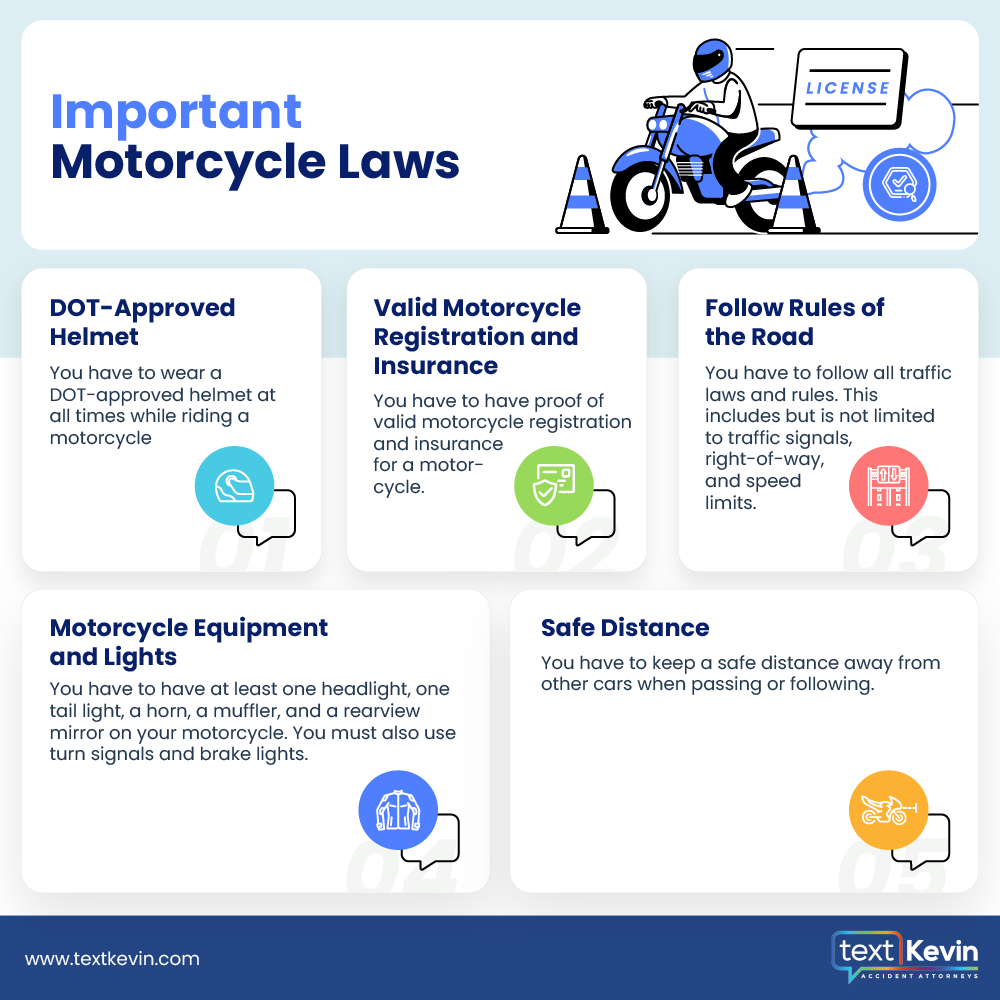
- Proper Gear: Wear appropriate protective gear, including a helmet, eye protection, gloves, a long-sleeved jacket, long pants, and sturdy footwear, even for the skills test.
Choose the Right Motorcycle
- Start Small: If you are a new rider, consider starting with a smaller displacement motorcycle that is easier to handle and more forgiving.
- Get Familiar with Your Bike: Before your skills test, spend ample time getting comfortable with the controls, weight, and handling characteristics of the motorcycle you plan to use.
Embrace Continuous Learning
- Consider Advanced Training: Even after obtaining your license, consider enrolling in advanced rider training courses. These courses can refine your skills, introduce you to advanced techniques, and enhance your overall safety on the road.
- Ride Defensively: Always assume other drivers may not see you. Maintain a safe following distance, scan constantly, and be prepared to react.
- Maintain Your Motorcycle: Regular maintenance is crucial for safety. Ensure your tires, brakes, lights, and other essential components are in good working order.
Enjoy the Ride
The effort invested in obtaining your motorcycle license in California is rewarded with an incredible sense of freedom and the opportunity to experience the state’s natural beauty and vibrant communities in a truly unique way. From the sun-drenched beaches of Southern California to the majestic mountains of the Sierra Nevada, your motorcycle can be your key to unforgettable adventures. Ride safely, ride smart, and embrace the open road.
LifeOutOfTheBox is a participant in the Amazon Services LLC Associates Program, an affiliate advertising program designed to provide a means for sites to earn advertising fees by advertising and linking to Amazon.com. Amazon, the Amazon logo, AmazonSupply, and the AmazonSupply logo are trademarks of Amazon.com, Inc. or its affiliates. As an Amazon Associate we earn affiliate commissions from qualifying purchases.