
Navigating the process of obtaining a driver’s license in a new state can sometimes feel like deciphering a complex map. For those newly arrived or looking to get behind the wheel legally in the Lone Star State, understanding the requirements and steps for a Texas driver’s license is paramount. This guide aims to demystify the procedure, covering everything from eligibility and required documentation to the actual application and testing phases. Whether you’re moving to the bustling streets of Dallas or the vibrant culture of Austin, this comprehensive overview will equip you with the knowledge to secure your Texas driver’s license smoothly.
Understanding Eligibility and Requirements
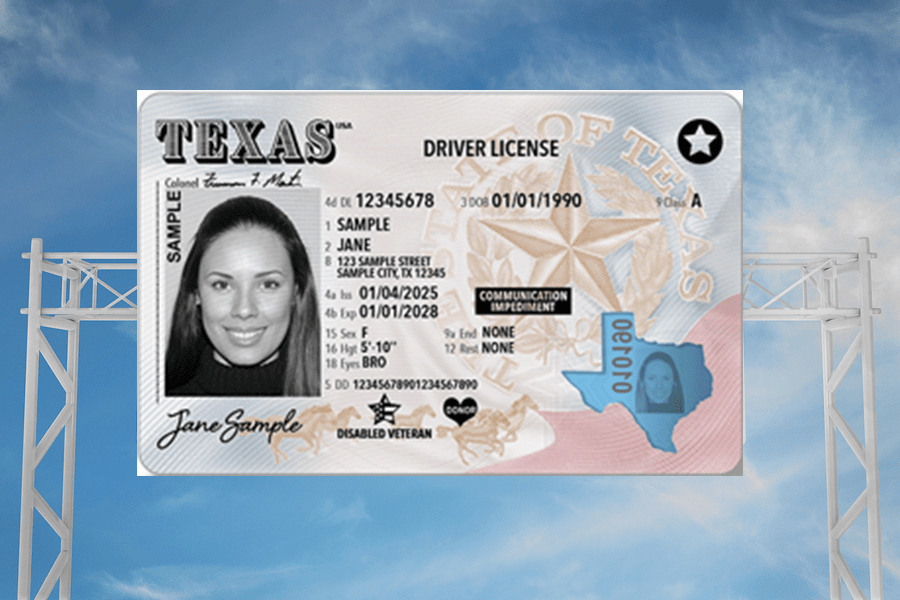
Before embarking on the application journey, it’s crucial to ascertain your eligibility and gather the necessary prerequisites. The Texas Department of Public Safety (DPS) oversees the issuance of driver’s licenses, and their guidelines are designed to ensure all drivers possess the fundamental knowledge and skills to operate a vehicle safely.
Residency and Age
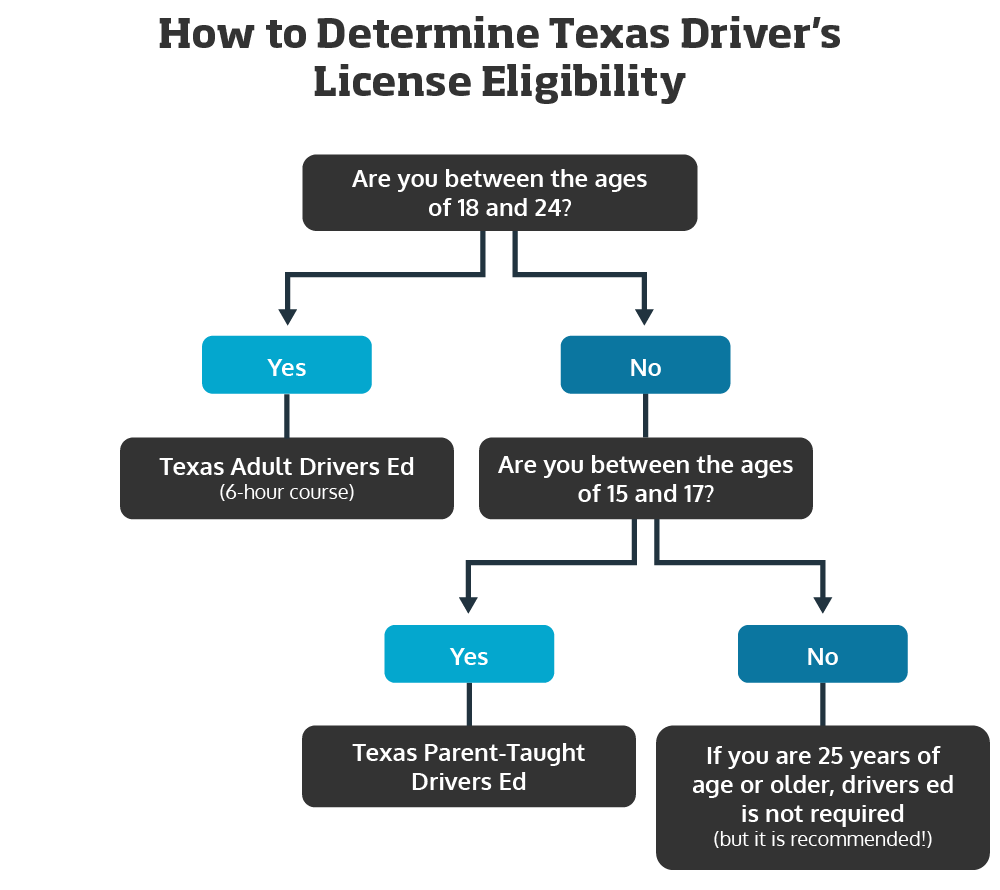
To apply for a Texas driver’s license, you must establish residency in the state. This typically means demonstrating that you live in Texas and intend to make it your permanent home. For individuals under 18 years of age, specific provisional license requirements apply, often involving a graduated driver’s license (GDL) program. This program is designed to introduce new drivers to driving in stages with restrictions that are gradually lifted as they gain experience and demonstrate responsible driving habits. Applicants must also meet minimum age requirements, which vary depending on the type of license being sought. For a standard Class A, B, or C driver’s license, you generally need to be at least 16 years old.
Identification and Documentation
A critical component of the application process is presenting valid proof of identity, residency, and legal presence in the United States. The DPS has a strict list of acceptable documents, and it is advisable to gather these well in advance to avoid delays. Common documentation includes:
- Proof of Identity: Typically a U.S. birth certificate or a U.S. passport.
- Proof of Social Security Number: Your Social Security card or an official document showing your SSN.
- Proof of Texas Residency: Utility bills, lease agreements, or bank statements showing your name and Texas address.
- Proof of Lawful Presence: This could be a U.S. birth certificate, U.S. passport, or an employment authorization document for non-U.S. citizens.
It is essential to consult the official Texas DPS website for the most current and exhaustive list of acceptable documents. Documents must be original or certified copies; photocopies are generally not accepted.
The Application Process: Step-by-Step
Once you have confirmed your eligibility and gathered your documentation, you can proceed with the application process. This involves several distinct stages, from completing the initial application form to passing the required tests.
Completing the Application Form
The first formal step is to complete the Application for Driver’s License (DL-44). This form can often be accessed and partially completed online through the Texas DPS website, which can expedite your visit to a driver’s license office. Be prepared to provide accurate personal information, including your full legal name, date of birth, address, and contact details. You will also be asked about your driving history, including any previous licenses or traffic violations.
Taking the Knowledge Test
A fundamental part of obtaining a Texas driver’s license is demonstrating your understanding of traffic laws, road signs, and safe driving practices. This is assessed through a knowledge test, often referred to as the written test. The test typically consists of multiple-choice questions. To prepare effectively, it is highly recommended to study the official Texas Driver Handbook. This comprehensive guide covers all the material you need to know for the test. Many driver education programs and online resources also offer practice tests that can help you gauge your readiness. Passing the knowledge test is a prerequisite for moving on to the behind-the-wheel driving test.
The Driving Test (Road Test)
The driving test, or road test, is designed to evaluate your ability to operate a vehicle safely and competently in real-world driving conditions. You will be required to demonstrate proficiency in a variety of maneuvers, including:
- Basic Vehicle Control: Starting, stopping, accelerating, and steering.
- Lane Changes and Following Distances: Safely changing lanes and maintaining appropriate space between your vehicle and others.
- Turns: Executing turns at intersections, including right turns, left turns, and U-turns when permitted.
- Parking: Parallel parking and parking on a hill.
- Observing Traffic Laws: Adhering to speed limits, traffic signals, and signs.
- General Safety: Using turn signals, checking blind spots, and being aware of your surroundings.
You will need to provide a safe and properly registered vehicle for the test, equipped with functioning brakes, headlights, taillights, and turn signals. An examiner will accompany you during the test and assess your performance based on a standardized checklist. Failure to demonstrate adequate driving skills or follow instructions may result in failing the test, requiring you to reschedule and retake it.
Special Considerations and Additional Steps
Depending on your age, circumstances, and specific needs, there may be additional steps or special considerations to be aware of when applying for your Texas driver’s license.
Provisional License for Minors
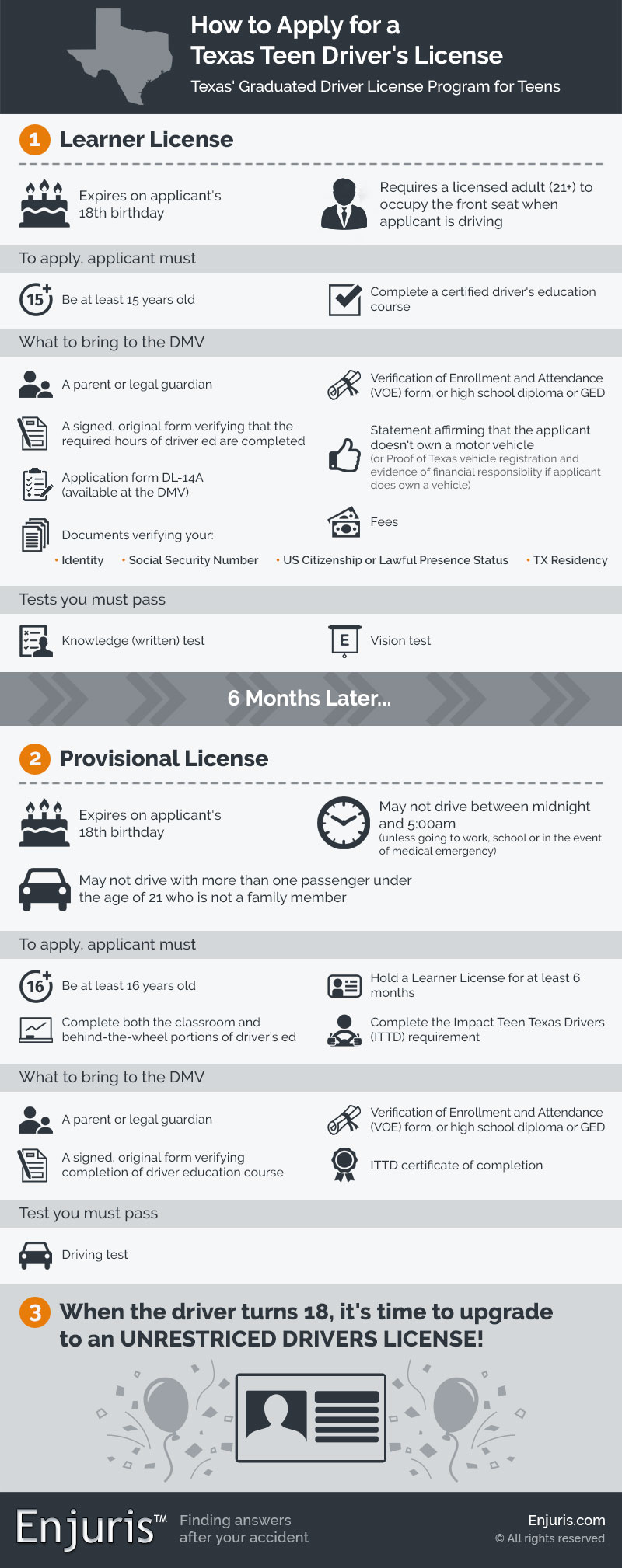
As mentioned earlier, individuals under 18 years old must obtain a provisional driver’s license. This GDL program involves several stages, starting with a learner’s permit obtained at age 15. After holding a learner’s permit for at least six months and completing a state-approved driver education course, an applicant can apply for a provisional license at age 16. This provisional license comes with certain restrictions, such as limitations on the number of passengers and driving during nighttime hours, which are lifted upon reaching the age of 18 and obtaining a full unrestricted license.
Transferring an Out-of-State License
If you are moving to Texas from another U.S. state and already possess a valid driver’s license, the process is generally more streamlined. You will typically be required to surrender your out-of-state license and apply for a Texas license within a specified timeframe (usually 90 days of establishing residency). You will still need to provide the required documentation, but you may be exempt from taking the knowledge and driving tests, provided your previous license is current and valid. However, the DPS reserves the right to require any applicant to take tests if deemed necessary.
Obtaining a Commercial Driver’s License (CDL)
For individuals seeking to operate commercial vehicles, such as large trucks or buses, a Commercial Driver’s License (CDL) is required. The process for obtaining a CDL is more rigorous than for a standard driver’s license. It involves additional knowledge tests, specialized skills tests, and often requires specific endorsements depending on the type of vehicle and cargo you intend to transport. You will need to meet stricter medical requirements and undergo more extensive training.
Real ID Compliance
In line with federal requirements, Texas offers a Real ID-compliant driver’s license. To obtain a Real ID, you will need to provide more extensive documentation than for a standard license, including proof of identity, Social Security number, and two proofs of Texas residency. A Real ID-compliant license can be used for boarding domestic flights and accessing certain federal facilities. While not mandatory, it is a convenient option for many residents.
Visiting a Driver’s License Office
The culmination of your preparation is visiting a Texas Department of Public Safety driver’s license office. It is wise to plan your visit strategically to minimize wait times.
Scheduling and Preparation
Many DPS offices offer online appointment scheduling, which is highly recommended. This allows you to choose a specific date and time for your visit, reducing the likelihood of a lengthy wait. Arrive at the office on time and ensure you have all your original documents, completed application forms, and payment for any applicable fees. The fees vary depending on the type of license and any endorsements.
The Office Experience
Upon arrival, you will likely receive a number and wait to be called to the counter. A DPS representative will review your documents, verify your information, and take your photograph. You will then proceed to a testing station for any required vision, knowledge, or driving tests. If all requirements are met and tests are passed, your new Texas driver’s license will be issued. In some cases, you may receive a temporary paper license on-site, with your permanent card mailed to your address within a few weeks.
Securing a driver’s license in Texas is a structured process designed to ensure road safety and legal compliance. By understanding the requirements, preparing your documentation diligently, and following the outlined steps, you can navigate this process with confidence and soon be enjoying the freedom of driving in the Lone Star State. Remember to always consult the official Texas DPS website for the most up-to-date information and specific requirements.
LifeOutOfTheBox is a participant in the Amazon Services LLC Associates Program, an affiliate advertising program designed to provide a means for sites to earn advertising fees by advertising and linking to Amazon.com. Amazon, the Amazon logo, AmazonSupply, and the AmazonSupply logo are trademarks of Amazon.com, Inc. or its affiliates. As an Amazon Associate we earn affiliate commissions from qualifying purchases.