
Nestled in the heart of the Sonoran Desert, Scottsdale, Arizona, boasts a climate as captivating as its landscape. Known for its abundant sunshine and unique desert environment, understanding Scottsdale’s weather is paramount for any traveler planning a visit. The city experiences distinct seasons, each offering a different facet of its arid beauty, from scorching summers to wonderfully mild winters. This guide delves into the nuances of Scottsdale’s climate, helping you prepare for an unforgettable travel experience.
Understanding Scottsdale’s Desert Climate
Scottsdale’s climate is primarily characterized by its location within the Sonoran Desert, one of the hottest and wettest deserts in North America. This classification means long, intensely hot summers and short, mild winters, with two distinct rainy seasons. The region receives an average of just over 9 inches of rain annually, predominantly during the winter months and the late summer monsoon season. What travelers often appreciate most is the city’s remarkable consistency of clear skies, with over 300 sunny days per year, making it an ideal destination for those seeking warmth and outdoor pursuits.

The Hot, Dry Summers
From June through September, Scottsdale transforms into a sun-baked oasis, with daily high temperatures consistently exceeding 100°F (38°C). July and August are typically the hottest months, often seeing temperatures soar above 110°F (43°C). While the heat is intense, the low humidity during much of the summer makes it a “dry heat,” which some find more tolerable than humid climates. Evenings offer some relief, with temperatures dropping into the 70s or 80s°F (20s°C), making outdoor dining and starlit strolls pleasant. This season also brings the much-anticipated monsoon, typically from mid-July through early September, which can introduce dramatic thunderstorms, brief heavy rainfall, and impressive lightning displays, providing a temporary break from the heat and nourishing the desert landscape.
Mild, Sunny Winters
In stark contrast to its summers, Scottsdale’s winters (December to February) are renowned for being exceptionally mild and pleasant. Average daytime temperatures range from the mid-60s to low 70s°F (18-23°C), with abundant sunshine. Nights are cool, often dropping into the 40s°F (4-9°C), sometimes even dipping below freezing, though frost is rare. This idyllic weather makes Scottsdale a prime winter escape for visitors from colder climates, offering perfect conditions for golfing, hiking, and exploring the desert comfortably. Rainfall is more common during these months, usually as gentle, widespread showers.
Pleasant Shoulder Seasons
The transitional periods of spring (March to May) and fall (October to November) are arguably the most desirable times to visit Scottsdale. These shoulder seasons offer a perfect balance of warmth and comfort, with fewer extreme temperatures.
- Spring: March and April bring glorious weather, with average highs in the 70s and 80s°F (20s°C) and lush desert blooms after winter rains. By May, temperatures begin to climb, often reaching the high 90s°F (30s°C), signaling the approach of summer.
- Fall: October and November see the intense summer heat recede, with daytime temperatures generally in the 80s°F (20s°C) in October and dropping into the 70s°F (20s°C) by November. The air is crisp, and the sky remains clear, offering a wonderful environment for all outdoor activities.
Seasonal Weather Patterns and What to Expect
Each season in Scottsdale presents unique characteristics that will influence your packing choices and activity planning.
Summer (June – September): Intense Heat
Expect brilliant, relentless sunshine and extremely high temperatures. While the “dry heat” can be more manageable, staying hydrated is crucial. Indoor activities, resorts with large pools, and early morning or late evening outdoor excursions become the norm. The monsoon season within this period brings a dramatic shift, with increased humidity and the possibility of sudden, powerful thunderstorms in the afternoons and evenings. These storms, while short-lived, can cause flash flooding and create stunning photographic opportunities.
Fall (October – November): Ideal Conditions
This is one of the peak seasons for tourism, and for good reason. The weather is consistently beautiful, with warm, sunny days and cool, comfortable nights. Humidity is low, and the air is clear. This period is perfect for all outdoor pursuits, from hiking the trails of the McDowell Sonoran Preserve to exploring Old Town Scottsdale and enjoying al fresco dining.
Winter (December – February): Perfect Escape
Often considered the high season, Scottsdale’s winters are a dream for those escaping colder climates. Mild temperatures, abundant sunshine, and verdant desert landscapes (thanks to winter rains) create an inviting atmosphere. While days are warm, evenings can be quite cool, so layering is advisable. This season is prime for golf, tennis, cycling, and enjoying outdoor festivals and events without the intensity of the summer sun.

Spring (March – May): Blooming Beauty
Spring brings another wave of fantastic weather, with gradually increasing temperatures. The desert comes alive with wildflowers, making it a particularly scenic time for nature lovers. Early spring offers conditions similar to fall, excellent for all outdoor activities. As May approaches, the heat begins to build, and you’ll start to see more people gravitating towards pools and air-conditioned venues, preparing for summer.
Preparing for Scottsdale’s Climate
Regardless of when you visit, a few key considerations will ensure comfort and enjoyment in Scottsdale’s unique environment.
Hydration and Sun Protection
These are non-negotiable, especially outside of the winter months. The dry air, coupled with intense sunshine, can lead to rapid dehydration and sunburn.
- Hydration: Drink plenty of water throughout the day, even if you don’t feel thirsty. Carry a reusable water bottle, especially when exploring.
- Sun Protection: Always apply broad-spectrum sunscreen with a high SPF, even on cloudy days or in winter. Wear a wide-brimmed hat, sunglasses, and lightweight, long-sleeved clothing to protect against harmful UV rays. Seek shade during the hottest parts of the day.
Layering for Comfort
While summers are consistently hot, and winters consistently mild, temperature fluctuations can occur.
- Summer: Evenings can be warm, but air-conditioned interiors can be chilly. A light sweater or shawl can be useful indoors.
- Winter: Days are sunny and warm, but nights can be cold. Pack layers that include a warm jacket or sweater for evenings and early mornings.
- Shoulder Seasons: These are the most variable. Light layers that can be easily added or removed are ideal for adapting to changing temperatures throughout the day.
Understanding the Monsoon Season
If visiting in late summer, be aware of the monsoon. While exciting, these storms can bring sudden, strong winds, heavy rain, and dust storms. Check local weather forecasts, and if a storm is approaching, seek shelter indoors. Roads can become slick, and visibility can drop quickly during a dust storm (haboob), so exercise caution if driving.
How Weather Influences Your Scottsdale Experience
The climate of Scottsdale profoundly shapes the available activities and the overall vibe of your visit.
Outdoor Activities and Trail Exploration
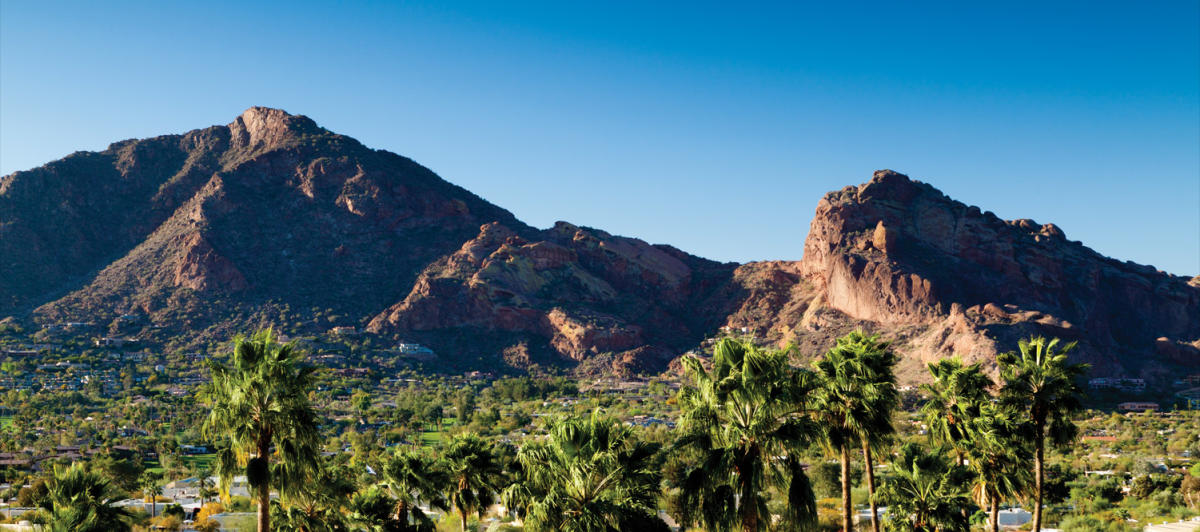
The pleasant winter and shoulder seasons are prime for outdoor adventures. Hiking trails at Camelback Mountain or within the McDowell Sonoran Preserve, golfing on world-class courses, and cycling through scenic routes are incredibly popular. During summer, these activities are best reserved for very early mornings, before the sun reaches its peak intensity, or late evenings. Many trails are even closed during extreme heat advisories for safety. The Desert Botanical Garden offers beautiful outdoor experiences that are particularly enjoyable in cooler months, though they also host special evening events during summer.
Resort and Poolside Leisure
Scottsdale is renowned for its luxurious resorts and expansive pools, which become sanctuaries during the summer months. Many resorts offer chilled pools, water parks, and shaded cabanas, making poolside relaxation a primary activity. Even during cooler months, heated pools remain popular, offering a comfortable place to swim and lounge under the sun.
Dining and Nightlife Considerations
Al fresco dining is a quintessential Scottsdale experience, thriving in the mild winter and shoulder seasons. Restaurants with patios and outdoor seating are highly sought after. In summer, dining shifts indoors to air-conditioned comfort, though many establishments offer misters on their patios for those who still wish to dine outdoors in the evenings. Nightlife in Old Town Scottsdale is vibrant year-round, with indoor venues providing refuge from summer heat and outdoor patios buzzing with activity during the cooler months. Attractions like Taliesin West, Frank Lloyd Wright’s winter home, adjust tour schedules with shorter or earlier morning tours in summer, maximizing visitor comfort.
Ultimately, Scottsdale’s weather is a key part of its allure. By understanding its seasonal patterns and preparing accordingly, travelers can maximize their enjoyment of this remarkable desert destination, regardless of the time of year.
LifeOutOfTheBox is a participant in the Amazon Services LLC Associates Program, an affiliate advertising program designed to provide a means for sites to earn advertising fees by advertising and linking to Amazon.com. Amazon, the Amazon logo, AmazonSupply, and the AmazonSupply logo are trademarks of Amazon.com, Inc. or its affiliates. As an Amazon Associate we earn affiliate commissions from qualifying purchases.