
Understanding the legal landscape surrounding a third Driving While Intoxicated (DWI) charge in Texas is crucial for anyone facing such a serious accusation. Unlike first or second offenses, a third DWI in the Lone Star State is classified as a felony, carrying significantly harsher penalties, including mandatory prison time. However, navigating the complexities of the Texas legal system with the right legal counsel and strategic approach can offer avenues to mitigate the most severe outcomes, potentially avoiding jail time. This guide delves into the critical factors and strategies involved in defending against a third DWI charge in Texas, focusing on the legal nuances and potential defenses.
Understanding the Severity of a Third DWI in Texas
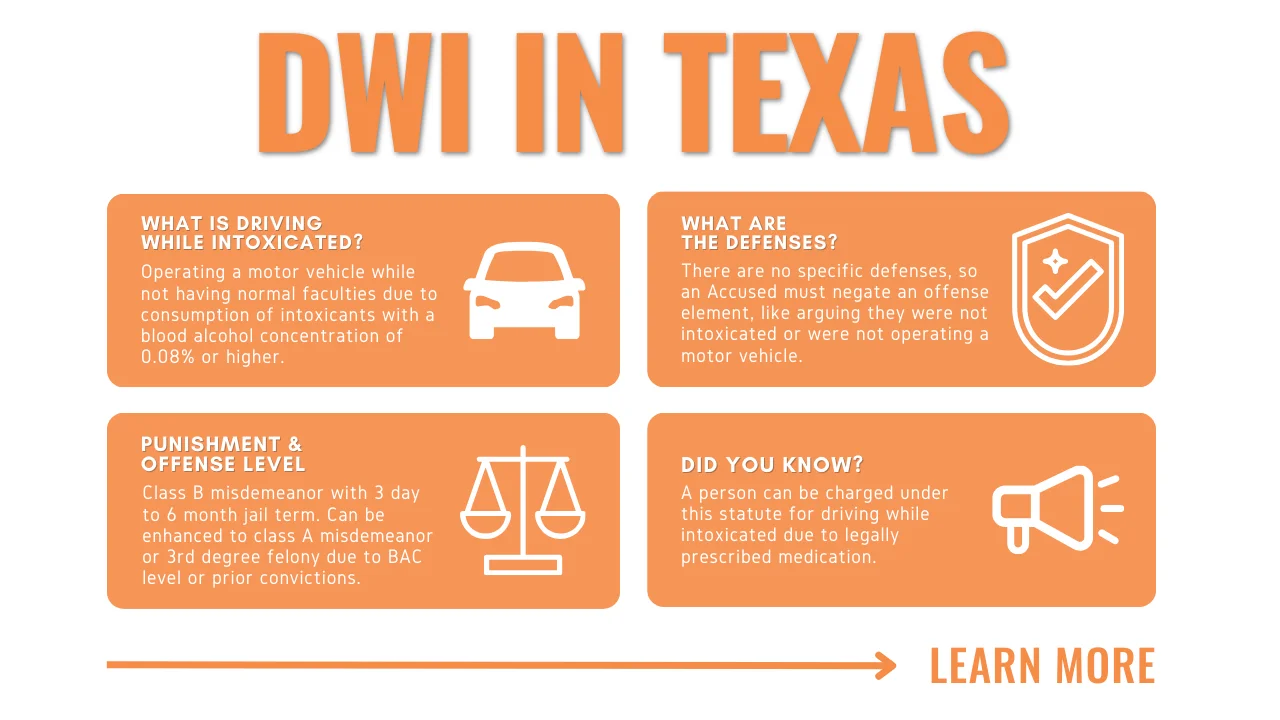
In Texas, a DWI is typically a misdemeanor for the first two offenses. However, a third or subsequent DWI conviction elevates the charge to a felony, specifically a third-degree felony. This classification is not merely a label; it signals a profound shift in potential punishments. The Texas Penal Code outlines severe penalties for felony DWI convictions, which can include:
- Mandatory Prison Time: A third-degree felony carries a punishment range of two to ten years in prison. Judges are often compelled to impose some form of incarceration for a felony conviction, making jail time a significant risk.
- Substantial Fines: In addition to prison time, hefty fines can be imposed, often ranging from $2,000 to $10,000, or even higher in certain circumstances.
- Loss of Driver’s License: A conviction will almost certainly result in a lengthy suspension or revocation of your driver’s license, often for several years. This can have a profound impact on employment and daily life.
- Felony Record: A felony conviction leaves a permanent criminal record, which can create significant barriers to future employment, housing, and educational opportunities. It can also impact the right to vote and possess firearms.
- Ignition Interlock Device: Mandatory installation of an ignition interlock device (IID) in any vehicle you operate is a common requirement following a DWI conviction.
The severity of these penalties underscores why proactive and informed legal defense is paramount when facing a third DWI charge. The goal of an experienced attorney is not just to contest the charge but to explore every possible avenue to reduce the severity of the consequences, with a primary focus on avoiding a jail sentence.
Key Factors Influencing the Outcome of a Third DWI Case
Several factors can significantly influence the outcome of a third DWI case in Texas and the possibility of avoiding jail time. Understanding these elements is crucial for building a robust defense strategy:
The Evidence Against You
The prosecution’s case is built upon the evidence gathered by law enforcement. The strength and admissibility of this evidence are central to your defense. This includes:
- Traffic Stop Validity: Was the initial traffic stop legal? Law enforcement officers must have reasonable suspicion to believe a traffic violation has occurred or that criminal activity is afoot to initiate a stop. If the stop was unlawful, any evidence obtained as a result might be suppressed.
- Field Sobriety Tests (FSTs): The administration and scoring of FSTs are subject to strict protocols. Improperly administered tests or subjective scoring can be challenged. Factors like fatigue, medical conditions, or even the weather can impact performance on FSTs.
- Breath or Blood Alcohol Content (BAC) Results: The accuracy and reliability of breathalyzer machines or blood testing procedures are critical. Challenges can include the calibration of the equipment, the chain of custody of blood samples, or the qualifications of the personnel conducting the tests. For a third DWI, even a BAC below the legal limit of 0.08% might still lead to a conviction if other evidence suggests impairment.
- Statements Made to Law Enforcement: Any statements you made to officers at the scene or during booking can be used against you. It is generally advisable to politely decline to answer questions without legal counsel present.
Your Criminal History and Prior DWI Convictions
The number and nature of prior DWI convictions are the primary reason the current charge is a felony. However, the specifics of those prior convictions matter. An attorney will scrutinize the records of previous offenses to ensure they were validly obtained and properly documented. Any issues with prior convictions could potentially be grounds for challenging the felony classification.
The Specific Circumstances of the Arrest
The details surrounding the arrest can also play a role:
- Accident or Injury: If the DWI involved an accident causing injury or death, the charges could be elevated beyond a third DWI, leading to more severe penalties, and making jail time almost certain.
- Presence of Minors: Having a minor in the vehicle at the time of a DWI arrest can lead to enhanced penalties and specific requirements regarding rehabilitation programs.
- Location of the Arrest: While generally less impactful on the core charge, the location might be relevant in specific defense strategies, particularly if it relates to jurisdictional issues or the legality of certain enforcement actions.
Your Attorney’s Skill and Experience

The role of legal counsel cannot be overstated. An experienced DWI defense attorney in Texas will possess in-depth knowledge of:
- Texas DWI Laws and Precedents: Understanding the latest legal interpretations and case law is vital for identifying weaknesses in the prosecution’s case.
- Effective Negotiation Strategies: Attorneys can leverage their experience to negotiate with prosecutors for reduced charges or alternative sentencing options.
- Trial Advocacy: If a plea agreement cannot be reached, a skilled attorney will be prepared to vigorously defend your case in court.
Strategies for Avoiding Jail Time
Successfully avoiding jail time for a third DWI in Texas often involves a multi-faceted defense strategy, meticulously crafted by an experienced attorney. It’s not about finding a loophole but about systematically addressing the prosecution’s case and presenting compelling arguments for leniency or alternative outcomes.
Challenging the Evidence
The most direct route to avoiding conviction, and thus jail time, is to challenge the evidence presented by the prosecution. This can involve:
- Motions to Suppress Evidence: If evidence was obtained illegally (e.g., during an unlawful traffic stop or a faulty BAC test), an attorney can file a motion to suppress that evidence. If the motion is granted, the prosecution’s case may be significantly weakened, potentially leading to a dismissal or a more favorable plea offer.
- Questioning BAC Test Accuracy: As mentioned, the reliability of breath and blood tests can be challenged. This might involve examining the calibration logs of breathalyzer devices, the proper handling of blood samples, or the qualifications of the lab technicians. Errors in these procedures can render the results inadmissible or less credible.
- Disputing Field Sobriety Test Administration: FSTs are subjective. An attorney can argue that the tests were not administered according to standardized procedures or that the arresting officer’s interpretation of your performance was flawed. Factors like poor lighting, uneven surfaces, or medical conditions can also be raised as explanations for poor performance that have nothing to do with intoxication.
Negotiating Plea Agreements
In many cases, especially when the evidence against the defendant is strong, the most realistic path to avoiding jail time is through negotiation with the prosecutor. A skilled attorney will work to achieve a plea agreement that offers alternatives to incarceration. These alternatives might include:
- Diversion Programs: While less common for third DWIs due to their felony status, in exceptional circumstances, some counties might offer specialized diversion programs. These programs typically involve rigorous probation, substance abuse treatment, and regular reporting, with the understanding that successful completion could lead to a dismissal of the felony charge or a reduction to a lesser offense.
- Reduced Charge: The attorney might negotiate to have the felony charge reduced to a lesser offense, such as a misdemeanor DWI or a charge like obstruction of highway, depending on the specifics of the case. This would, in turn, reduce the potential jail time significantly or eliminate it entirely.
- Probated Sentence: A common outcome for felony offenses where jail time is a possibility is a “probated sentence.” This means the judge sentences the defendant to a period of incarceration (e.g., two years) but suspends the execution of that sentence, placing the defendant on intensive probation instead. This probation typically involves strict conditions, such as regular reporting, random drug and alcohol testing, completion of rehabilitation programs, community service, and maintaining employment. A violation of probation can result in the original jail sentence being imposed.
Demonstrating Remorse and Commitment to Change
Judges and prosecutors are more likely to consider alternatives to jail time for defendants who demonstrate genuine remorse and a commitment to addressing the underlying issues that may have led to their DWI offenses. This can involve:
- Voluntary Participation in Rehabilitation Programs: Before or during the legal proceedings, voluntarily enrolling in and completing alcohol or substance abuse counseling, therapy, or inpatient treatment can be a powerful mitigating factor. Providing evidence of this commitment can show the court that you are taking your situation seriously.
- Attending Support Groups: Consistent attendance at self-help groups like Alcoholics Anonymous (AA) can be viewed favorably.
- Community Service: Performing voluntary community service demonstrates a willingness to contribute positively to society and can be a component of a negotiated plea.
- Evidence of Stability: Showing that you have stable employment, strong family support, and no other pending legal issues can bolster your case for leniency.
The Importance of Legal Counsel
It cannot be stressed enough: navigating a third DWI charge in Texas without experienced legal representation is incredibly risky. A qualified DWI defense attorney will:
- Thoroughly Investigate the Case: They will meticulously review all police reports, witness statements, and evidence.
- Identify Legal Defenses: They will explore every possible legal argument, from challenging the constitutionality of the stop to questioning the accuracy of BAC tests.
- Understand Local Prosecutors and Judges: Experience in a specific jurisdiction allows an attorney to understand the tendencies and expectations of local prosecutors and judges, which is invaluable in negotiation.
- Advocate for Alternative Sentencing: They will be skilled in presenting arguments for probated sentences, diversion programs, or reduced charges.
While a third DWI in Texas is a serious felony with the potential for significant jail time, it is not always an unavoidable outcome. By understanding the legal framework, the potential defenses, and the importance of strategic legal representation, individuals facing this charge can work towards achieving the best possible resolution, which may include avoiding a jail sentence through diligent defense and demonstrated commitment to rehabilitation.
LifeOutOfTheBox is a participant in the Amazon Services LLC Associates Program, an affiliate advertising program designed to provide a means for sites to earn advertising fees by advertising and linking to Amazon.com. Amazon, the Amazon logo, AmazonSupply, and the AmazonSupply logo are trademarks of Amazon.com, Inc. or its affiliates. As an Amazon Associate we earn affiliate commissions from qualifying purchases.