
Becoming a bounty hunter in Texas is a career path that offers a unique blend of investigation, risk, and a strong sense of justice. It’s a profession deeply rooted in the state’s history, operating under specific legal frameworks designed to manage bail enforcement. Unlike the often-sensationalized portrayals in popular media, becoming a licensed bail bondsman or recovery agent in Texas requires adherence to strict regulations, specialized training, and a commitment to ethical conduct. This guide will delve into the essential steps, requirements, and considerations for those aspiring to enter this demanding yet potentially rewarding field.

Understanding the Role of a Bounty Hunter in Texas
In Texas, the term “bounty hunter” is often used interchangeably with “bail enforcement agent” or “recovery agent.” These professionals work in conjunction with bail bond companies. When an individual is arrested and granted bail, they can pay a portion of the bail amount (typically 10%) to a bail bondsman, who then guarantees the full bail amount to the court. If the defendant fails to appear in court for their scheduled proceedings, the bail bond company forfeits the full bail amount. It is the responsibility of the bail enforcement agent to locate and apprehend these defendants, often referred to as “skips,” and return them to custody, thereby protecting the bail bond company from financial loss.
The Legal Framework and Licensing
The bail bond industry in Texas is regulated by the Texas Department of Insurance (TDI). To operate legally as a bail enforcement agent, you must obtain a license. This licensing process is designed to ensure that individuals in this profession are qualified, properly trained, and understand the legal boundaries of their actions.
-
Bail Bond License vs. Recovery Agent License: It’s important to distinguish between being a licensed bail bondsman and a licensed bail recovery agent. A bail bondsman is licensed to solicit and post bail bonds. A bail recovery agent is licensed to apprehend individuals who have failed to appear in court after a bail bond has been posted. While some individuals may hold both licenses, they are distinct certifications. For the purpose of this guide focusing on the apprehension aspect, we will primarily discuss the requirements for a bail recovery agent license.
-
Texas Department of Insurance (TDI) Requirements: The TDI oversees the licensing and regulation of bail bond agents and recovery agents. The specific requirements can be found on their official website, but generally include:
- Age: Must be at least 21 years of age.
- Citizenship: Must be a U.S. citizen or a legal resident alien.
- Criminal Record: Must not have been convicted of a felony or a crime involving moral turpitude. A background check is a mandatory part of the application process.
- Education: Must have a high school diploma or GED.
- Training and Examination: Must successfully complete a TDI-approved pre-licensing course and pass a state licensing examination.
- Surety Bond: Must obtain a surety bond, which serves as financial protection in case of misconduct.
The Path to Licensing
Embarking on the journey to become a licensed bail recovery agent in Texas involves several concrete steps. These are not merely bureaucratic hurdles but are designed to equip you with the necessary knowledge and skills for the job.
1. Meet Eligibility Criteria
Before investing time and resources, ensure you meet the fundamental requirements. As mentioned above, being at least 21 years old, a U.S. citizen or legal resident alien, and having a clean criminal record are paramount. Any past felony convictions or serious misdemeanors can be disqualifying.
2. Complete Pre-Licensing Education
The TDI mandates that all aspiring bail recovery agents complete a specific number of hours of pre-licensing education from an approved provider. These courses cover a wide range of topics crucial for the profession, including:
- Texas bail bond laws and regulations: Understanding the legal framework is non-negotiable. This includes statutes related to arrest, fugitive apprehension, and the rights and responsibilities of bail bond agents and recovery agents.
- Fugitive apprehension techniques: This segment focuses on legal and ethical methods for locating and apprehending defendants. It will cover surveillance, information gathering, and the use of force only when absolutely necessary and legally permissible.
- Legal powers and limitations: Agents must understand what they can and cannot do. This includes the extent of their authority to cross state lines (with proper documentation), enter private property, and make arrests.
- Ethics and professional conduct: Maintaining a high ethical standard is vital for credibility and to avoid legal repercussions.
- Firearms safety and legal use: If carrying a firearm is part of your intended practice, comprehensive training on safe handling and the legal implications of its use is provided.
3. Pass the State Licensing Examination
After completing the pre-licensing course, you will need to pass a rigorous examination administered by the state. This test assesses your comprehension of the material covered in the course and your understanding of Texas bail bond laws. Passing this exam is a critical step toward obtaining your license.
4. Secure a Surety Bond
As a licensed bail recovery agent, you will be required to obtain a surety bond. This bond is a form of insurance that protects the public and the state from potential financial harm caused by your actions. The bond amount is determined by the TDI.
5. Submit Application and Fees
Once you have successfully completed the educational requirements, passed the examination, and secured your surety bond, you can submit your official license application to the TDI. This will involve paying the required application fees. The TDI will conduct a thorough background check as part of this process.
Essential Skills and Attributes for Success
Beyond the legal and educational requirements, success as a bounty hunter in Texas hinges on a specific set of skills and personal attributes. This is not a career for the faint of heart or those seeking a predictable 9-to-5 schedule.
Investigative and Research Prowess
A significant portion of a bail recovery agent’s work involves investigation. This requires a keen eye for detail, excellent research skills, and the ability to piece together disparate pieces of information.
- Information Gathering: This involves utilizing various resources, including public records, databases, social media, and cultivating informants. Understanding how to legally access and interpret this information is crucial.
- Surveillance Techniques: Discreet and effective surveillance is a core skill. This means being able to observe without being detected, documenting activities, and understanding patterns of behavior.
- Interviewing and Interrogation: While not law enforcement, recovery agents may need to interview individuals who might have information about the fugitive’s whereabouts. This requires tact, persistence, and the ability to build rapport or elicit information.
Physical and Mental Fortitude
The nature of the job often demands long hours, irregular schedules, and potentially dangerous situations.
- Physical Fitness: While not every apprehension requires a physical confrontation, being in good physical condition is beneficial for pursuits, stakeouts, and handling oneself in challenging circumstances.
- Mental Resilience: Dealing with stress, high-pressure situations, and the inherent risks of the job requires significant mental fortitude. The ability to remain calm, make sound decisions under duress, and recover from setbacks is paramount.
- Adaptability and Resourcefulness: Fugitives can be elusive and unpredictable. Agents must be able to adapt their strategies on the fly and think creatively to overcome obstacles.
Communication and Interpersonal Skills
Effective communication is vital, both in gathering information and in dealing with various stakeholders.
- Negotiation: In some situations, negotiation skills might be necessary to de-escalate potential conflicts or to persuade individuals to cooperate.
- Clear Reporting: Accurate and detailed reporting of all activities to the bail bond company is essential for legal and business purposes.
- Professional Demeanor: Even in confrontational situations, maintaining a professional and controlled demeanor can prevent escalation and ensure compliance with legal standards.
Working with Bail Bond Companies and Legal Boundaries
The symbiotic relationship between bail recovery agents and bail bond companies is fundamental to the bail system.
Establishing a Relationship with Bail Bond Agencies
For aspiring bounty hunters, the primary avenue to employment or independent contracting is through licensed bail bond agencies.
- Networking: Attend industry events, connect with licensed bondsmen, and express your interest and qualifications.
- Reputation: Building a reputation for reliability, professionalism, and successful recoveries is key to securing consistent work.
- Contracts: Understand the terms of any independent contractor agreements, including compensation, responsibilities, and liability.
Adhering to Legal and Ethical Boundaries
The power vested in a bail recovery agent comes with significant responsibilities. Operating outside these boundaries can lead to severe legal consequences, including license revocation, civil lawsuits, and criminal charges.
- Use of Force: The use of force is permissible only when reasonably necessary to apprehend a fugitive and prevent escape, injury, or harm. Excessive force is illegal.
- Warrants and Authority: While bail bondsmen and recovery agents have broad authority to arrest their principals (the defendants), they must operate within the specific parameters defined by Texas law. They do not have the same authority as law enforcement officers.
- Privacy: Agents must respect the privacy rights of individuals who are not their principals. Unauthorized entry into private residences or violations of privacy can lead to legal action.
- Cross-State Operations: Apprehending a fugitive who has fled Texas involves specific legal procedures, often requiring coordination with law enforcement in other jurisdictions and adherence to extradition laws.
The Lifestyle of a Bounty Hunter
The lifestyle of a bounty hunter in Texas is far from a typical nine-to-five. It is a career characterized by unpredictability, high stakes, and a constant need for vigilance.
Demands on Time and Personal Life
- Irregular Hours: Fugitives can be apprehended at any time of day or night, requiring agents to be available around the clock. This can significantly impact personal relationships and social life.
- Travel: Cases can take agents across the state, or even out of state, necessitating frequent travel and periods away from home.
- Constant Vigilance: The nature of the work can lead to a heightened sense of awareness and caution, even during off-hours.
Risks and Rewards
- Physical Danger: Confronting individuals who may be desperate, dangerous, or under the influence of substances poses inherent physical risks.
- Legal Ramifications: Mistakes can lead to costly lawsuits or criminal charges, underscoring the importance of meticulous adherence to the law.
- Psychological Toll: The stress, danger, and ethical considerations can take a psychological toll. Many professionals develop coping mechanisms and support networks.
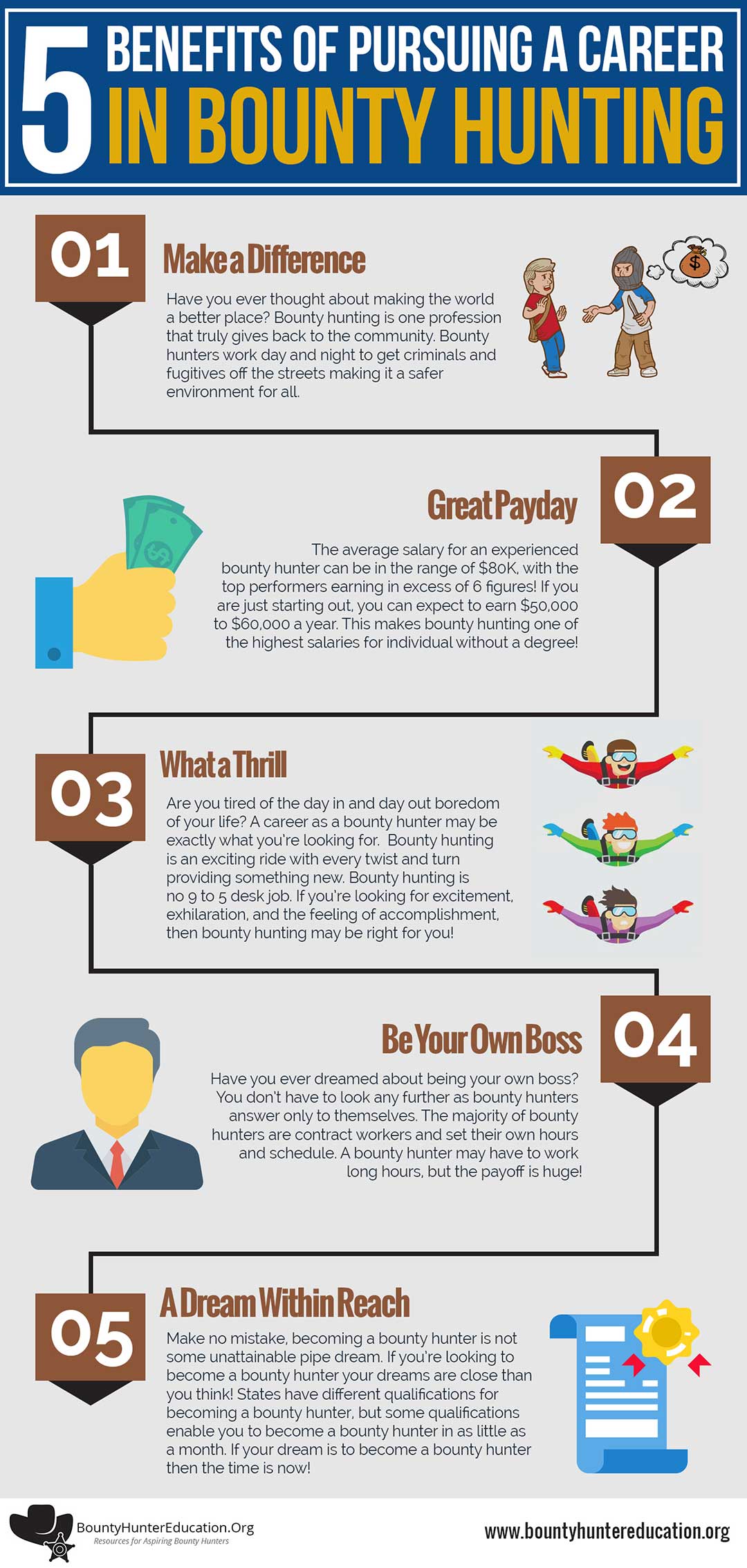
- Financial Rewards: Successful apprehensions are compensated, often through a percentage of the forfeited bail or a fee set by the bail bond company. For highly skilled and reliable agents, the financial rewards can be substantial, though they are often tied directly to performance and the success rate of recoveries.
Becoming a bounty hunter in Texas is a challenging but potentially fulfilling career for individuals who possess the right combination of legal knowledge, investigative skills, physical and mental fortitude, and a strong commitment to ethical conduct. It is a profession that demands respect for the law, a dedication to public safety, and a willingness to operate in the less glamorous, yet vital, aspects of the justice system.
LifeOutOfTheBox is a participant in the Amazon Services LLC Associates Program, an affiliate advertising program designed to provide a means for sites to earn advertising fees by advertising and linking to Amazon.com. Amazon, the Amazon logo, AmazonSupply, and the AmazonSupply logo are trademarks of Amazon.com, Inc. or its affiliates. As an Amazon Associate we earn affiliate commissions from qualifying purchases.