
Understanding the duration of a flight from Detroit to London is a crucial piece of information for any traveler planning a trip across the Atlantic. This journey, connecting two vibrant and historically significant cities, involves crossing several time zones and covering a substantial distance. While the exact flight time can vary, several factors influence its length, from the type of flight to prevailing weather conditions.
Direct vs. Connecting Flights: The Primary Time Determinant
The most significant factor influencing how long a flight from Detroit to London takes is whether you opt for a direct or a connecting flight.

Direct Flights: The Swift Passage
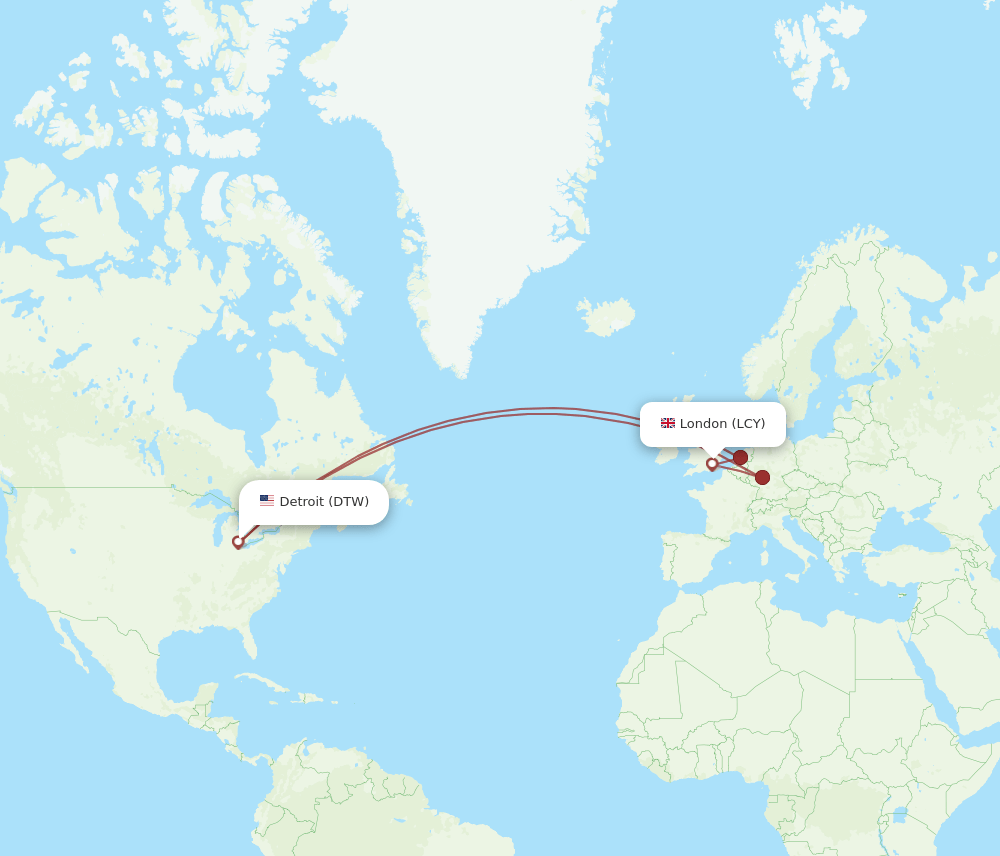
Direct flights offer the most efficient way to travel between Detroit and London. These non-stop journeys bypass layovers, taking you from your departure gate to your arrival gate without any intermediate stops. For this specific route, direct flights typically range from 7 to 8.5 hours.
Several airlines frequently operate this route, including Delta Air Lines and British Airways. The average flight time, when all factors are considered, often hovers around 7 hours and 45 minutes. This duration is calculated from the moment the aircraft leaves the gate until it reaches the arrival gate at the destination airport. It accounts for taxiing on the runway, the actual airborne time, and maneuvering to the arrival terminal.
The benefits of a direct flight are undeniable for those prioritizing speed and convenience. They minimize the risk of missed connections, reduce the total time spent in transit, and generally offer a more comfortable experience, especially for travelers who dislike the disruptions of layovers.
Connecting Flights: The Extended Journey
Connecting flights, while often a more budget-friendly option, inevitably extend the total travel time. These flights involve one or more stops at intermediary airports. The duration of a connecting flight from Detroit to London can vary dramatically, often ranging from 10 hours to upwards of 20 hours or more.
The extended duration is a result of:
- Flight Time to Layover City: The initial flight to the connecting city itself takes time.
- Layover Duration: This is the most variable component. Layovers can range from a brief hour or two to several hours, or even an overnight stay.
- Flight Time from Layover City to London: The subsequent flight to London adds to the total.
- Airport Transfers: Navigating large international airports, changing terminals, and going through security checks again can add significant time.
Common layover points for flights from the United States to Europe often include major hubs like New York City, Chicago, or even cities in Canada like Toronto. Travelers considering connecting flights should carefully examine the total travel time, including the layover duration, to ensure it fits their schedule and expectations. Sometimes, a longer layover can be an opportunity to briefly explore a new city, but it’s essential to factor in the logistics and potential risks of missing a connection.
Factors Influencing Actual Flight Duration
Beyond the direct versus connecting distinction, several other elements can subtly influence the actual time your flight from Detroit to London will take.
Wind Speed and Direction (Jet Streams)
One of the most significant atmospheric influences on trans-Atlantic flight times is the jet stream. The jet stream is a fast-flowing, narrow air current found in the Earth’s atmosphere.
- Tailwinds: When flying eastbound from Detroit to London, aircraft often benefit from tailwinds. These are winds blowing in the same direction as the aircraft’s travel. A strong tailwind can significantly reduce flight time, potentially shaving off 30 minutes to an hour or more from the journey. This is because the aircraft’s ground speed is increased by the force of the wind.
- Headwinds: Conversely, if an aircraft encounters strong headwinds (winds blowing against the direction of travel), the flight duration will increase. While less common for eastbound transatlantic flights, unexpected weather patterns can cause headwinds, prolonging the journey.
Airlines and pilots constantly monitor weather forecasts and utilize sophisticated flight planning software to optimize routes based on prevailing wind conditions, aiming to leverage tailwinds and minimize headwinds.
Aircraft Type and Model
Different aircraft models have varying cruising speeds and fuel efficiencies, which can lead to slight differences in flight duration. While most major airlines operating the Detroit to London route use modern, wide-body jets like the Boeing 777, Boeing 787 Dreamliner, or Airbus A330, their specific cruising speeds can differ. These differences, however, typically result in variations of only a few minutes rather than hours.
Air Traffic Control and Routing

Air traffic control (ATC) plays a vital role in managing the flow of aircraft in the airspace. While ATC prioritizes safety and efficiency, sometimes air traffic congestion or specific routing instructions can lead to slight delays or necessitate slight detours, impacting flight time. Pilots work closely with ATC to maintain optimal flight paths, but unforeseen circumstances can lead to minor adjustments.
Altitude and Flight Path
The chosen altitude and specific flight path are meticulously planned by airlines. Flights typically cruise at high altitudes (between 30,000 and 40,000 feet) where the air is thinner, allowing for greater fuel efficiency and higher ground speeds. The chosen flight path, often referred to as a “great-circle route,” is the shortest distance between two points on a sphere, but actual routes can be adjusted due to weather, airspace restrictions, or other operational factors.
Preparing for Your Flight: Time Considerations
When planning your trip from Detroit to London, understanding the flight duration is only part of the equation. You also need to account for travel to and from the airport, check-in procedures, and security.
Arriving at the Airport
For international flights, it is generally recommended to arrive at Detroit Metropolitan Wayne County Airport (DTW) at least three hours before your scheduled departure. This allows ample time for:
- Check-in: Even with online check-in, you may need to drop off luggage.
- Security Screening: International security procedures can be lengthy, especially during peak travel times.
- Navigating the Airport: Finding your gate and allowing for any unexpected delays.
Similarly, upon arrival at London Heathrow Airport (LHR) or other London airports, you will need to clear immigration and customs, which can also take time depending on passenger volume.
Accounting for Time Zones
Detroit operates on Eastern Standard Time (EST) or Eastern Daylight Time (EDT), while London operates on Greenwich Mean Time (GMT) or British Summer Time (BST). London is typically five hours ahead of Detroit.
This time difference is crucial for planning your arrival and understanding your local time upon landing. A flight that departs Detroit at 7 PM local time and lasts 7.5 hours would technically land in London around 12:30 AM Detroit time. However, due to the time difference, this would be 5:30 AM London time. This factor significantly impacts your sense of time and can contribute to jet lag.
What to Expect During the Flight
A flight from Detroit to London is a transatlantic journey, and airlines strive to make it as comfortable as possible for passengers.
In-Flight Entertainment and Amenities
Most airlines flying this route provide a range of in-flight entertainment options, including:
- Movies and TV Shows: A selection of current blockbusters, classics, and television series.
- Music: Various genres and curated playlists.
- Games: Interactive games accessible through the in-flight entertainment system.
- Wi-Fi: Increasingly, airlines offer Wi-Fi services, often for a fee, allowing passengers to stay connected.
Meals and beverages are typically served during transatlantic flights. Depending on the airline and class of service, you can expect anything from a simple snack and drink to multi-course meals. Blankets and pillows are usually provided to enhance comfort during the long flight.
Navigating Jet Lag
The significant time difference between Detroit and London means jet lag is a common concern. To mitigate its effects:
- Adjust Sleep Schedule: Gradually adjust your sleep schedule in the days leading up to your flight.
- Stay Hydrated: Drink plenty of water during the flight and avoid excessive alcohol and caffeine.
- Move Around: Get up and walk around the cabin periodically to improve circulation.
- Seek Sunlight: Upon arrival, expose yourself to natural daylight to help reset your body clock.
Understanding the flight duration, the complexities of connecting flights, and the external factors that influence travel time will empower you to plan your journey from Detroit to London with confidence and efficiency.
LifeOutOfTheBox is a participant in the Amazon Services LLC Associates Program, an affiliate advertising program designed to provide a means for sites to earn advertising fees by advertising and linking to Amazon.com. Amazon, the Amazon logo, AmazonSupply, and the AmazonSupply logo are trademarks of Amazon.com, Inc. or its affiliates. As an Amazon Associate we earn affiliate commissions from qualifying purchases.