
Navigating the vast landscape of Chicago apartments can feel like exploring a sprawling metropolis itself. From the glittering skyscrapers of the Loop to the tree-lined streets of Lincoln Park, the Windy City offers a diverse range of neighborhoods, each with its own distinct character and housing options. Whether you’re a seasoned urbanite seeking a vibrant downtown lifestyle or a newcomer looking for a quieter, family-friendly enclave, understanding where to look is the first step to finding your perfect home. This guide will delve into the key areas and considerations for securing an apartment in Chicago, focusing on the diverse offerings and the practicalities of the accommodation market.

Exploring Chicago’s Diverse Neighborhoods for Apartment Living
Chicago is a city of distinct neighborhoods, each offering a unique flavor and set of advantages for apartment seekers. Understanding these differences is crucial in narrowing down your search and finding a location that aligns with your lifestyle and budget.
The Iconic Downtown Core: The Loop and River North
For those who crave the pulse of the city, the areas surrounding The Loop and extending into River North are prime real estate. This is where you’ll find a dense concentration of high-rise apartment buildings, offering stunning views and unparalleled access to the city’s business and cultural heart.
The Loop: Business and Culture at Your Doorstep
Living in The Loop means being immersed in the city’s commercial and cultural epicenter. You’ll be surrounded by iconic architecture, renowned theaters, world-class museums like the Art Institute of Chicago, and a plethora of dining options.
- Apartment Types: Expect a prevalence of modern high-rise apartments, often featuring amenities like doormen, fitness centers, and rooftop decks. Many buildings offer studio, one-bedroom, and two-bedroom units.
- Pros: Unbeatable access to public transportation (CTA train lines converge here), proximity to major employers, a vibrant arts scene, and an endless supply of restaurants and entertainment.
- Cons: Can be more expensive, may feel less residential during weekdays, and can experience significant pedestrian and traffic congestion.
River North: Art, Dining, and Nightlife
Just north of the Chicago River, River North is known for its art galleries, upscale boutiques, and a dynamic culinary and nightlife scene. It offers a slightly more residential feel than the immediate Loop while still maintaining a high level of urban sophistication.
- Apartment Types: Similar to The Loop, you’ll find many contemporary apartment buildings, often incorporating loft-style units and luxury amenities. Some converted warehouses also offer unique living spaces.
- Pros: Excellent dining and entertainment options, a vibrant atmosphere, close proximity to the Magnificent Mile for shopping, and good access to public transport.
- Cons: Rents can be on the higher side, and parking can be a significant challenge and expense.
Lincoln Park and Lakeview: Classic Chicago Charm and Green Spaces
Moving slightly north of the downtown core, neighborhoods like Lincoln Park and Lakeview offer a more classic Chicago residential experience, blending beautiful parks with lively commercial strips.
Lincoln Park: A Blend of Elegance and Greenery
Named after the expansive Lincoln Park, this neighborhood is a highly desirable area for renters. It boasts beautiful tree-lined streets, historic architecture, and a strong sense of community, all while being a short distance from the lakefront.
- Apartment Types: You’ll find a mix of vintage walk-up buildings with charming character and newer apartment developments. Expect a good selection of one, two, and three-bedroom apartments, often in smaller buildings.
- Pros: Access to Lincoln Park Zoo, numerous green spaces, North Avenue Beach, a vibrant restaurant and bar scene along Clark Street and Halsted Street, and a generally friendly, neighborhood feel. It’s also well-connected by public transportation.
- Cons: Popularity drives up rents, and finding parking can be difficult.
Lakeview: Diverse and Energetic
Lakeview, often encompassing areas like Wrigleyville and Boystown, is known for its diverse population, energetic atmosphere, and excellent amenities. It’s a hub for entertainment and social life.
- Apartment Types: A wide range of apartments are available, from vintage buildings with classic Chicago charm to modern apartment complexes. You’ll find studios, one-bedrooms, and larger units catering to various needs.
- Pros: Home to Wrigley Field, a lively bar and restaurant scene, a strong LGBTQ+ community, ample shopping, and excellent access to the lakefront trail. Public transportation is readily available.
- Cons: Can be noisy, especially around Wrigleyville, and parking is a perennial challenge. Rents can vary but are generally competitive for the amenities offered.
West Loop and Fulton Market: Trendy Hubs for Foodies and Creatives
The West Loop and Fulton Market districts have undergone a dramatic transformation, evolving from an industrial area into one of Chicago‘s hottest dining and living destinations.
West Loop: Culinary Delights and Industrial Chic
The West Loop is synonymous with Chicago‘s renowned culinary scene, featuring some of the city’s most acclaimed restaurants. The architecture reflects its industrial past, with many former warehouses converted into stylish apartments and businesses.
- Apartment Types: Primarily modern, often luxury apartment buildings with sleek designs. Loft-style apartments are a common feature, capitalizing on the area’s industrial heritage.
- Pros: Unparalleled access to a world-class dining scene, trendy bars, and a vibrant nightlife. Proximity to downtown and good public transport links.
- Cons: Rents are among the highest in the city, and the area can feel very car-centric for those without a vehicle.
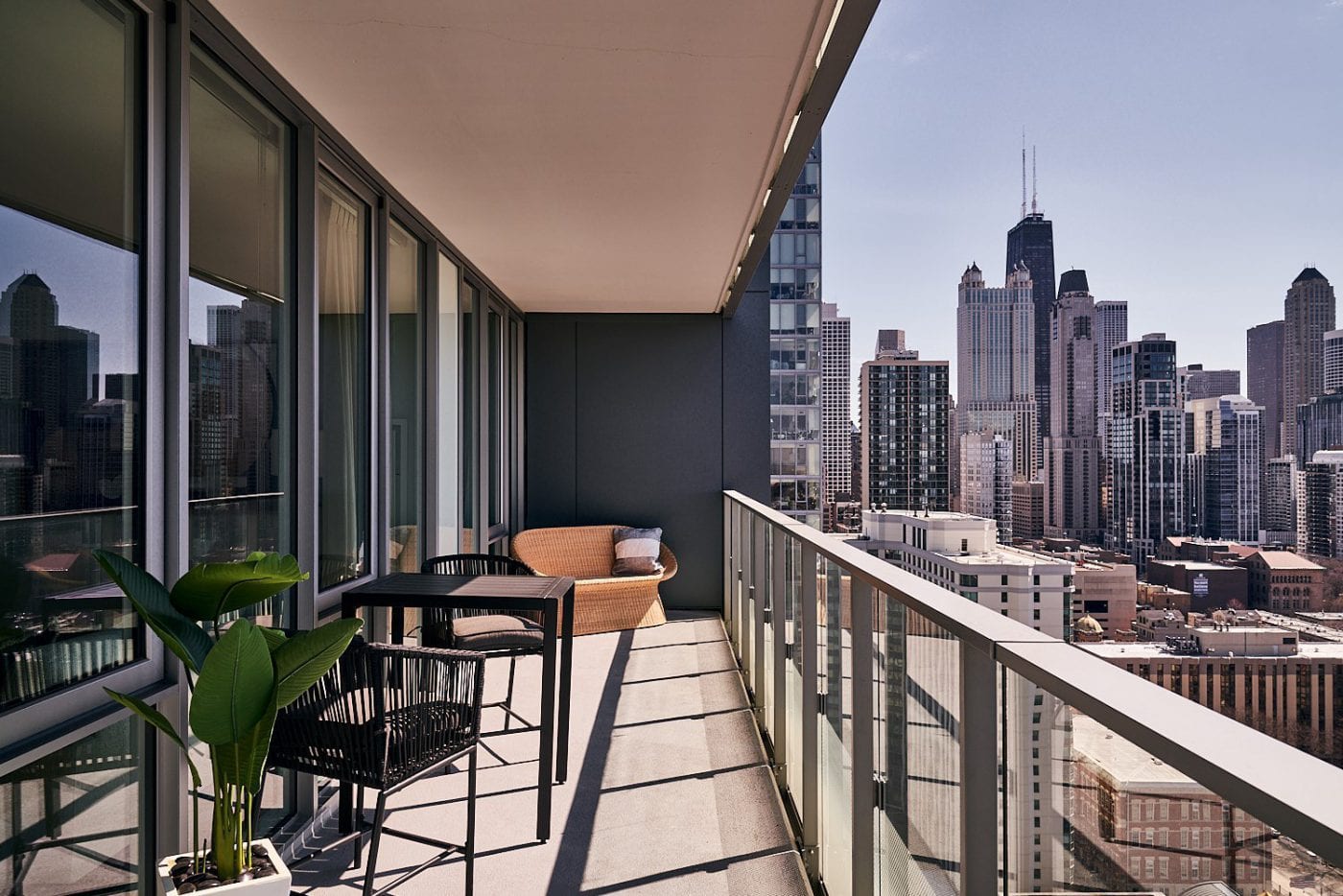
Fulton Market: The New Frontier
Adjacent to the West Loop, Fulton Market continues to develop, attracting new businesses, restaurants, and residential buildings. It offers a similar trendy vibe with a slightly more cutting-edge feel.
- Apartment Types: Predominantly new, upscale apartment buildings with a focus on modern amenities and design.
- Pros: Access to a rapidly growing dining and entertainment scene, proximity to the West Loop, and a sense of being at the forefront of urban development.
- Cons: High rental costs, ongoing construction, and a still-developing neighborhood feel in some sections.
South Loop and Museum Campus: Culture and Connectivity
For those who appreciate proximity to cultural institutions and green spaces, the South Loop and the Museum Campus offer compelling options.
South Loop: Expanding Opportunities
The South Loop has seen significant development in recent years, offering a mix of residential buildings, retail, and entertainment. It provides a more accessible entry point to downtown living compared to some of the pricier northern neighborhoods.
- Apartment Types: A mix of high-rise apartments, condo buildings, and some converted lofts. You’ll find a variety of unit sizes and price points.
- Pros: Close to Museum Campus (home to the Field Museum, Shedd Aquarium, and Adler Planetarium), Soldier Field, and Grant Park. Good public transportation access and proximity to the downtown core.
- Cons: Can sometimes feel a bit spread out, and some areas are still developing their neighborhood identity.
Museum Campus Area: Serene and Culturally Rich
While not a traditional residential neighborhood with a wide array of apartment buildings, the area directly surrounding the Museum Campus offers a unique living experience for those who value culture and open space. Apartments are often found in the South Loop or nearby areas with easy access.
- Apartment Types: Primarily within the South Loop‘s residential buildings, offering proximity to the attractions.
- Pros: Unrivaled access to world-class museums, beautiful lakefront views, and ample green space. A quieter, more refined urban experience.
- Cons: Limited on-site apartment buildings specifically within the immediate Museum Campus area. Dining and retail options may require a short trip to nearby neighborhoods.
Practical Considerations for Finding Your Chicago Apartment
Beyond neighborhood selection, several practical factors will influence your apartment search in Chicago.
Understanding Rental Costs and Budgeting
Chicago offers a wide spectrum of rental prices, heavily influenced by location, building amenities, and unit size.
- High-Demand Areas: Neighborhoods like the Loop, River North, Lincoln Park, and the West Loop generally command the highest rents due to their desirability, amenities, and proximity to jobs and entertainment.
- Mid-Range Options: Areas like Lakeview, South Loop, and parts of the North Side can offer more affordable options while still providing excellent access to city life.
- Budgeting Essentials: When budgeting, remember to factor in not just the monthly rent but also utilities (which can vary significantly), potential renter’s insurance, parking fees (if applicable), and any move-in fees or security deposits.
Transportation: Navigating the City Without a Car
Chicago boasts an excellent public transportation system, making it possible to live comfortably without owning a car.
- The CTA: The Chicago Transit Authority (CTA) operates a comprehensive network of ‘L’ trains (elevated and subway) and buses that connect virtually every neighborhood. Understanding the ‘L’ lines, particularly the Red, Brown, Blue, and Purple lines, will be key to your commute.
- Walkability and Biking: Many Chicago neighborhoods are highly walkable, with vibrant commercial streets and essential services within easy reach. The city also has an increasing number of bike lanes, and Divvy bikes are widely available.
- Parking: If you do have a car, be aware that parking can be extremely challenging and expensive in many popular neighborhoods. Street parking is often permit-based and competitive, while garage parking can add hundreds of dollars to your monthly expenses.
Apartment Types and Amenities
The type of apartment you seek will also depend on your lifestyle and priorities.
- High-Rise Apartments: Common in downtown and rapidly developing areas, these buildings often feature modern designs, extensive amenities (gyms, pools, rooftop decks, doormen), and great views.
- Vintage Walk-ups: Prevalent in older neighborhoods like Lincoln Park and Lakeview, these buildings offer more character and often lower rents, though they may lack modern amenities and elevators.
- Loft Apartments: Popular in the West Loop and Fulton Market, these typically feature open floor plans, high ceilings, and industrial-chic aesthetics.
- Amenities to Consider: Think about what’s important to you: in-unit laundry, a dishwasher, a fitness center, outdoor space, pet-friendliness, or a doorman. These will significantly influence your options and budget.

The Rental Process
Securing an apartment in Chicago typically involves a standard rental process.
- Lease Agreements: Most leases are for 12 months. It’s crucial to read and understand all terms before signing.
- Application and Fees: Be prepared to provide proof of income (pay stubs, bank statements), a credit check, and potentially references. Landlords often charge an application fee and, upon approval, require a security deposit and first month’s rent.
- Working with Brokers: While not always necessary, some renters opt to work with real estate brokers who can help find available listings that match their criteria. Be aware that broker fees can sometimes be substantial.
By thoroughly researching neighborhoods, understanding transportation, and considering your personal needs, you can confidently navigate the Chicago apartment market and find a place to call home in this dynamic and exciting city.
LifeOutOfTheBox is a participant in the Amazon Services LLC Associates Program, an affiliate advertising program designed to provide a means for sites to earn advertising fees by advertising and linking to Amazon.com. Amazon, the Amazon logo, AmazonSupply, and the AmazonSupply logo are trademarks of Amazon.com, Inc. or its affiliates. As an Amazon Associate we earn affiliate commissions from qualifying purchases.