
Navigating the landscape of disability benefits in Texas can be a complex undertaking, particularly for those seeking to secure financial and medical assistance. Whether you are considering applying for federal programs like Social Security Disability Insurance (SSDI) or Supplemental Security Income (SSI), or exploring state-specific resources, understanding the process, eligibility requirements, and potential pitfalls is crucial. This guide aims to demystify the journey of collecting disability in Texas, offering insights into the various avenues available and how to best position your claim for success.
Understanding Disability Benefits in Texas
Disability benefits are designed to provide a financial safety net for individuals who are unable to work due to a medical condition or impairment that is expected to last for at least one year or result in death. In Texas, the primary pathway to these benefits is through the federal Social Security Administration (SSA). The SSA administers two main disability programs:

Social Security Disability Insurance (SSDI)
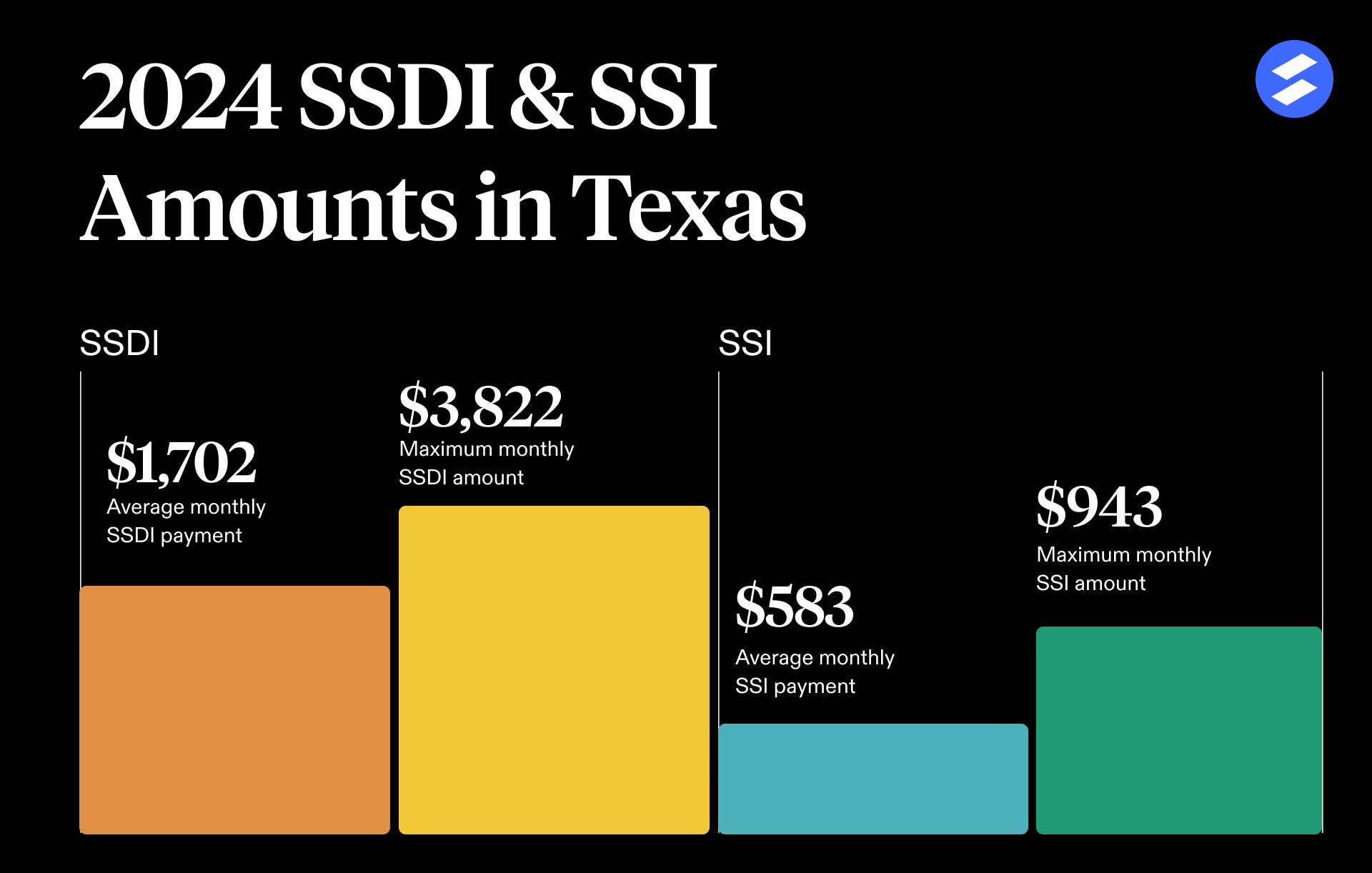
SSDI is an insurance program that provides benefits to individuals who have worked and paid Social Security taxes for a sufficient amount of time. To be eligible for SSDI, you must meet the SSA’s definition of disability, which involves having a severe medical condition that prevents you from performing substantial gainful activity and is expected to last for at least 12 months or end in death. The amount of your benefit is based on your average lifetime earnings.
Supplemental Security Income (SSI)
SSI is a needs-based program for individuals who have limited income and resources, and who are disabled, blind, or aged 65 or older. Unlike SSDI, SSI does not require a work history. Eligibility is based on financial need and meeting the SSA’s definition of disability. SSI benefits are funded by general tax revenues, not Social Security taxes.
Other Texas-Specific Resources
While the SSA is the primary administrator of disability benefits, Texas also offers various state and local programs that may supplement federal aid or provide assistance in different forms. These can include vocational rehabilitation services, assistance with daily living, and specialized medical support. Exploring these options can provide a more comprehensive support system for individuals with disabilities.
The Application Process: A Step-by-Step Guide
Applying for disability benefits in Texas involves a detailed and often lengthy process. Understanding each stage can help manage expectations and ensure all necessary information is provided.
Initial Application
The first step is to file an application with the Social Security Administration. This can be done online through the SSA’s official website, by phone, or in person at a local Social Security office. You will need to provide comprehensive personal information, details about your medical conditions, a list of all doctors and healthcare providers you have seen, and information about your work history.
Gathering Medical Evidence
The cornerstone of any disability claim is robust medical evidence. This includes:
- Medical Records: Comprehensive records from all physicians, specialists, hospitals, and clinics you have visited. These should detail your diagnoses, treatment plans, test results, and prognoses.
- Physician Statements: Detailed statements from your treating physicians are invaluable. These statements should clearly articulate your limitations and how your medical conditions impact your ability to work and perform daily activities.
- Test Results: Reports from X-rays, MRIs, blood tests, and other diagnostic procedures that corroborate your medical conditions.
- Treatment History: Evidence of consistent medical treatment, including medications, therapies, surgeries, and any prescribed assistive devices.
The Role of the Disability Determination Services (DDS)
Once your application is filed, it is sent to the Texas Disability Determination Services (DDS). DDS is a state agency contracted by the SSA to make disability determinations. DDS will review your medical records and may request additional information or schedule a consultative examination (CE) with a medical professional paid by the SSA. These exams are typically short and focus on specific aspects of your condition.
The Decision and Potential Appeals
After DDS reviews all the evidence, they will make a decision on your claim. If your claim is approved, you will begin receiving benefits. However, many claims are initially denied. If your claim is denied, you have the right to appeal the decision. The appeals process involves several levels:
- Reconsideration: A review of your claim by someone at DDS who was not involved in the initial decision.
- Hearing Before an Administrative Law Judge (ALJ): If your reconsideration is denied, you can request a hearing before an ALJ. This is your opportunity to present your case in person, often with legal representation.
- Appeals Council Review: If the ALJ denies your claim, you can request a review by the SSA’s Appeals Council.
- Federal Court Review: The final step in the appeals process is to file a lawsuit in federal district court.

Maximizing Your Chances of Approval
While the disability application process can be challenging, certain strategies can significantly improve your prospects of a successful claim.
Consult with a Disability Attorney or Advocate
Navigating the complexities of disability law and the SSA’s administrative procedures can be daunting. Hiring an experienced disability attorney or advocate can be one of the most effective steps you can take. These professionals understand the system, can help gather and organize your medical evidence, ensure all deadlines are met, and represent you at hearings. Many disability attorneys work on a contingency fee basis, meaning they only get paid if you win your case.
Be Thorough and Honest in Your Application
Accuracy and completeness are paramount. Provide detailed and honest information about your medical conditions, symptoms, and how they affect your daily life and ability to work. Understating or overstating your condition can be detrimental. Ensure all dates, names of doctors, and medical facilities are correct.
Maintain Consistent Medical Treatment
Demonstrating a consistent history of medical treatment is vital. This shows the SSA that you are taking your health seriously and are actively seeking to manage your condition. If you have gaps in treatment, be prepared to explain them. Missing appointments or failing to follow medical advice can weaken your claim.
Understand the SSA’s Definition of Disability
The SSA uses a strict definition of disability. It’s not just about having a medical condition; it’s about whether that condition prevents you from performing substantial gainful activity (SGA). SGA is defined by the SSA as earning above a certain monthly income threshold. Your condition must also be expected to last for at least 12 months or result in death. Familiarize yourself with the SSA’s “Listing of Impairments” to understand which conditions are considered severe enough to qualify.
Document All Limitations
Beyond your medical diagnoses, it is crucial to document the functional limitations imposed by your conditions. This includes:
- Physical Limitations: Difficulty with walking, standing, sitting, lifting, carrying, or fine motor skills.
- Mental Limitations: Problems with concentration, memory, understanding instructions, interacting with others, or adapting to changes.
- Daily Living Activities: Challenges with self-care, household chores, shopping, or managing finances.
This documentation should come from your medical records and, ideally, be supported by statements from your treating physicians.
Resources for Texans with Disabilities
Beyond the Social Security Administration, Texas offers a network of resources designed to support individuals with disabilities.
Texas Department of Assistive and Rehabilitative Services (DARS)
The Texas Department of Assistive and Rehabilitative Services (now part of the Texas Workforce Commission) has historically provided services aimed at helping individuals with disabilities achieve their personal, professional, and community goals. Vocational rehabilitation services are a key component, assisting individuals in finding employment.
Local Support Groups and Non-Profits
Numerous local organizations and non-profits across Texas offer support, resources, and advocacy for individuals with disabilities and their families. These groups can provide information on local services, assist with navigating bureaucratic systems, and offer a sense of community. Exploring organizations focused on specific disabilities can yield tailored support.
Legal Aid and Advocacy Centers
For those who cannot afford private legal representation, legal aid societies and disability advocacy centers can provide pro bono or low-cost assistance with disability claims. These organizations are invaluable resources for individuals navigating the appeals process.
Collecting disability in Texas is a journey that requires patience, persistence, and a thorough understanding of the system. By meticulously preparing your application, gathering comprehensive medical evidence, and seeking appropriate professional guidance, you can significantly enhance your chances of securing the benefits you need and deserve. Remember that advocating for yourself, with the help of experienced professionals and available resources, is key to navigating this often-challenging process.
LifeOutOfTheBox is a participant in the Amazon Services LLC Associates Program, an affiliate advertising program designed to provide a means for sites to earn advertising fees by advertising and linking to Amazon.com. Amazon, the Amazon logo, AmazonSupply, and the AmazonSupply logo are trademarks of Amazon.com, Inc. or its affiliates. As an Amazon Associate we earn affiliate commissions from qualifying purchases.