
Spring in New York is a season of vibrant rebirth, transforming the bustling metropolis into a canvas of awakening life. While meteorological spring officially begins on March 1st, and astronomical spring commences around the vernal equinox (typically March 20th or 21st), the true spirit of spring in the Empire State unfolds gradually, often extending its gentle embrace through April and well into May. This period heralds warmer temperatures, longer daylight hours, and a palpable shift in atmosphere, encouraging both locals and visitors to venture outdoors and immerse themselves in the city’s myriad attractions.

For travelers planning a visit, understanding the nuances of New York’s spring can significantly enhance the experience. The weather, while generally pleasant, can remain capricious. Early spring might still see lingering frost and chilly breezes, especially in the mornings and evenings, while late spring blossoms into comfortably warm days perfect for exploring parks and outdoor events. Layering clothing is key, and checking the forecast frequently is advisable. The city, shedding its winter coat, reveals a revitalized energy, with flowers blooming in Central Park and along the High Line, outdoor cafes reopening their patios, and a calendar brimming with festivals and cultural happenings.
Embracing the Bloom: Parks and Outdoor Attractions
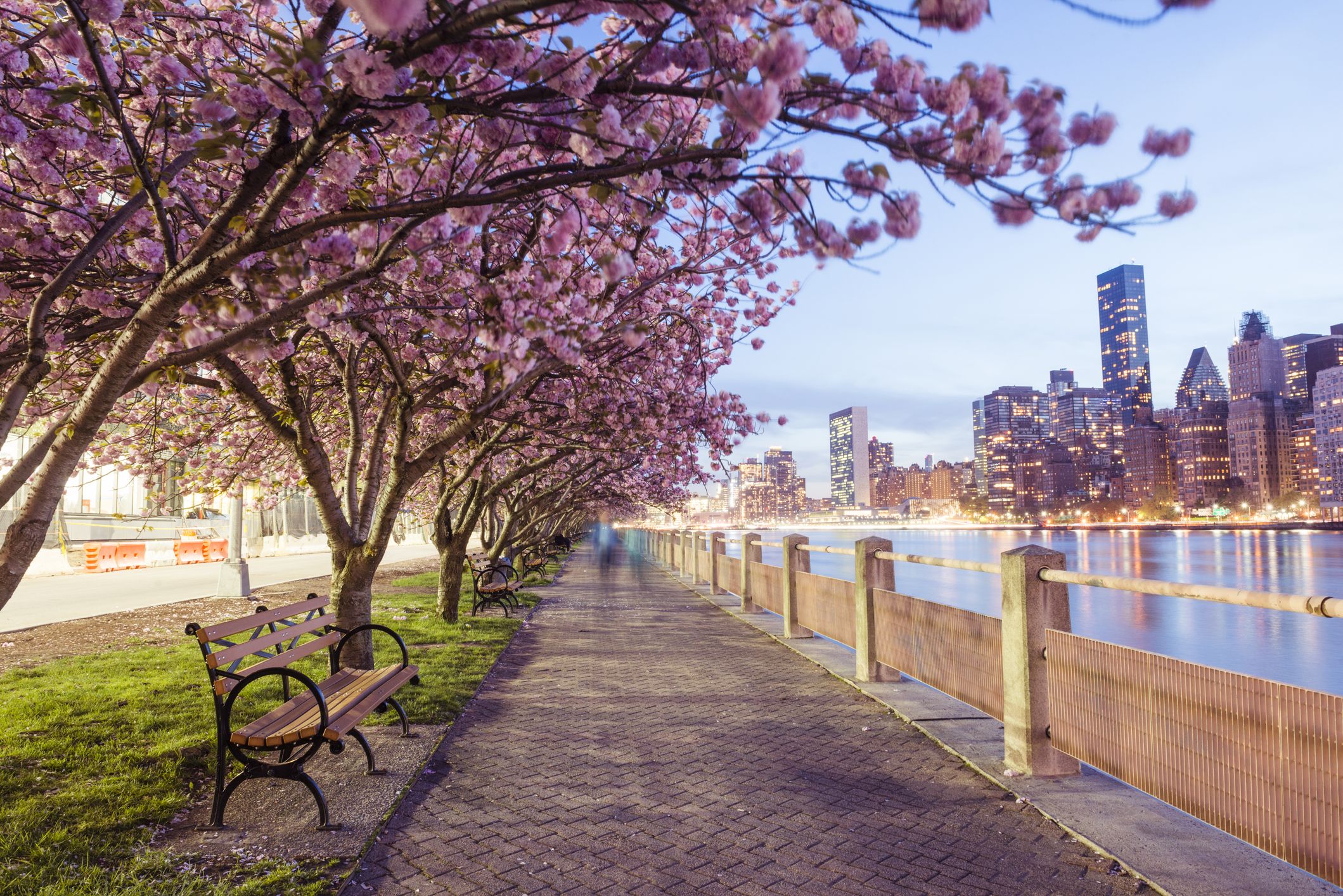
As winter’s grip loosens, New York City’s parks and green spaces become magnets for those seeking respite from the urban hustle and a chance to witness nature’s reawakening. These oases offer a contrasting yet complementary experience to the iconic skyscrapers and bustling streets, providing opportunities for leisurely strolls, picnics, and a deeper connection with the city’s natural beauty.
Central Park: A Verdant Spectacle
No discussion of spring in New York is complete without highlighting Central Park. During spring, this expansive urban sanctuary transforms into a riot of color. The Ramble, a woodland area, becomes alive with bird activity as migratory species return, making it a prime spot for birdwatching. Cherry blossoms, Japanese magnolias, and tulips burst into bloom, painting the landscape with delicate pinks, purples, and yellows. The Conservatory Garden, a formal garden within the park, is particularly stunning in spring, showcasing meticulously maintained flowerbeds. Boating on the Lake or strolling across the Bethesda Terrace offer picturesque views and a quintessential New York experience. The park’s resilience and beauty in spring serve as a powerful symbol of renewal.
The High Line: An Elevated Urban Oasis
The High Line, a former elevated railway line transformed into a public park, offers a unique perspective on the city and a delightful spring experience. As the seasons change, the plantings along the High Line come alive. Wildflowers, ornamental grasses, and perennials, chosen for their ability to thrive in an urban environment and their seasonal interest, create a dynamic and ever-evolving landscape. Walking the High Line in spring allows visitors to enjoy panoramic views of Manhattan’s West Side while being surrounded by nature. The warmer weather encourages more visitors, and the vibrant greenery provides a starkly beautiful contrast to the surrounding architecture. This elevated promenade is a testament to innovative urban design and a perfect spot for a leisurely spring afternoon.
Brooklyn Botanic Garden: A Floral Extravaganza
For an unparalleled display of spring flora, the Brooklyn Botanic Garden is a must-visit destination. Its renowned Cherry Blossom Festival, typically held in late April and early May, draws crowds eager to witness the breathtaking spectacle of hundreds of cherry trees in full bloom. Beyond the cherry blossoms, the garden features a Japanese Hill-and-Pond Garden, a Rose Garden that begins to show its early blooms, and various conservatories that offer a glimpse of tropical flora year-round. Spring is when the garden truly showcases its diversity, with a continuous parade of flowers and foliage providing a sensory delight.
Governors Island: Island Escapes and Blooming Fields
A short ferry ride from Lower Manhattan, Governors Island opens for the season in spring, offering a refreshing escape with stunning views of the Manhattan skyline and the Statue of Liberty. The island’s rolling hills and open spaces become ideal for biking, picnicking, and simply relaxing. As spring progresses, wildflowers begin to dot the landscape, and the island’s trees offer welcome shade. It provides a tranquil yet engaging setting for a day trip, allowing visitors to experience a different facet of New York’s spring charm.
Cultural Vibrancy and Seasonal Events
Spring in New York is not just about natural beauty; it’s also a time when the city’s cultural pulse quickens, offering a rich tapestry of events, festivals, and performances that draw inspiration from the season and the diverse communities that call it home. The warming weather encourages outdoor activities and a renewed engagement with the arts and local traditions.
Street Fairs and Neighborhood Celebrations
As the temperatures rise, New York neighborhoods come alive with a series of street fairs and block parties. These events offer a fantastic opportunity to experience the local flavor, sample diverse cuisines from food vendors, browse artisanal crafts, and enjoy live music. From the Lower East Side to Harlem, each neighborhood often hosts its own unique spring festival, celebrating its heritage and community spirit. These gatherings provide an authentic glimpse into the daily life and vibrant social fabric of the city.
Performing Arts Bloom
The performing arts scene thrives in spring. Broadway continues its electrifying run of shows, often premiering new productions in anticipation of the Tony Awards season. Beyond the traditional theater district, numerous smaller venues and performance spaces host a variety of events, including dance recitals, experimental theater, and live music concerts. Outdoor performance spaces also begin to come alive, with open-air concerts and theater productions taking advantage of the pleasant weather. The city’s museums, such as the Metropolitan Museum of Art and the Museum of Modern Art, often launch new spring exhibitions, further enriching the cultural landscape.
Sporting Events and Outdoor Recreation
Spring marks the return of major outdoor sporting events. Baseball season kicks off, with the New York Yankees and the New York Mets taking to the field, drawing enthusiastic crowds to their respective stadiums. The warmer weather also encourages participation in various outdoor recreational activities across the city, from cycling along the waterfront paths to running in organized races and marathons that are popular during this season. For those who enjoy a more active exploration of the city, spring provides the ideal conditions.
Food and Drink Festivals
The culinary scene in New York is always vibrant, and spring sees an increase in food-focused events. Farmers’ markets begin to flourish, offering fresh, seasonal produce. Various food festivals and tasting events pop up, showcasing the city’s diverse culinary offerings, from artisanal cheeses and baked goods to international street food and craft beverages. Exploring these gastronomic gatherings is a delicious way to experience the city’s springtime bounty.
Navigating New York’s Spring Weather and Crowds
Understanding the typical weather patterns and the ebb and flow of visitor numbers is crucial for planning a smooth and enjoyable spring visit to New York. While the season offers many advantages, preparedness can mitigate potential challenges.
Weather Considerations
Spring in New York is a transition period. March can still be quite cold, with average temperatures ranging from the low 30s to the low 50s Fahrenheit (around 0 to 10 Celsius). Snow showers are not uncommon, especially in early March. April sees a noticeable warming trend, with average temperatures climbing into the 40s and 60s Fahrenheit (around 5 to 15 Celsius), and blooming flowers become more prevalent. May is typically the most pleasant month, with average temperatures in the 50s and 70s Fahrenheit (around 10 to 20 Celsius), making it ideal for outdoor exploration. However, spring weather is notoriously unpredictable. It is common to experience a range of temperatures within a single week, and rain showers are frequent. Packing layers is essential: include a waterproof jacket, sweaters or fleeces, and comfortable walking shoes.
Peak Tourist Times
While spring generally offers a more moderate visitor experience compared to the summer peak, certain periods can see a significant influx of tourists. Easter and the surrounding spring break weeks can lead to increased crowds, particularly at major attractions like Times Square, the Statue of Liberty, and the popular museums. Late April and early May, coinciding with the blooming of cherry blossoms and various festivals, also tend to draw larger numbers of visitors. To avoid the busiest times, consider visiting mid-week and booking popular tours or attractions in advance. Early March and the latter half of May, outside of major holidays, often provide a more serene experience.
Daytime and Evening Activities
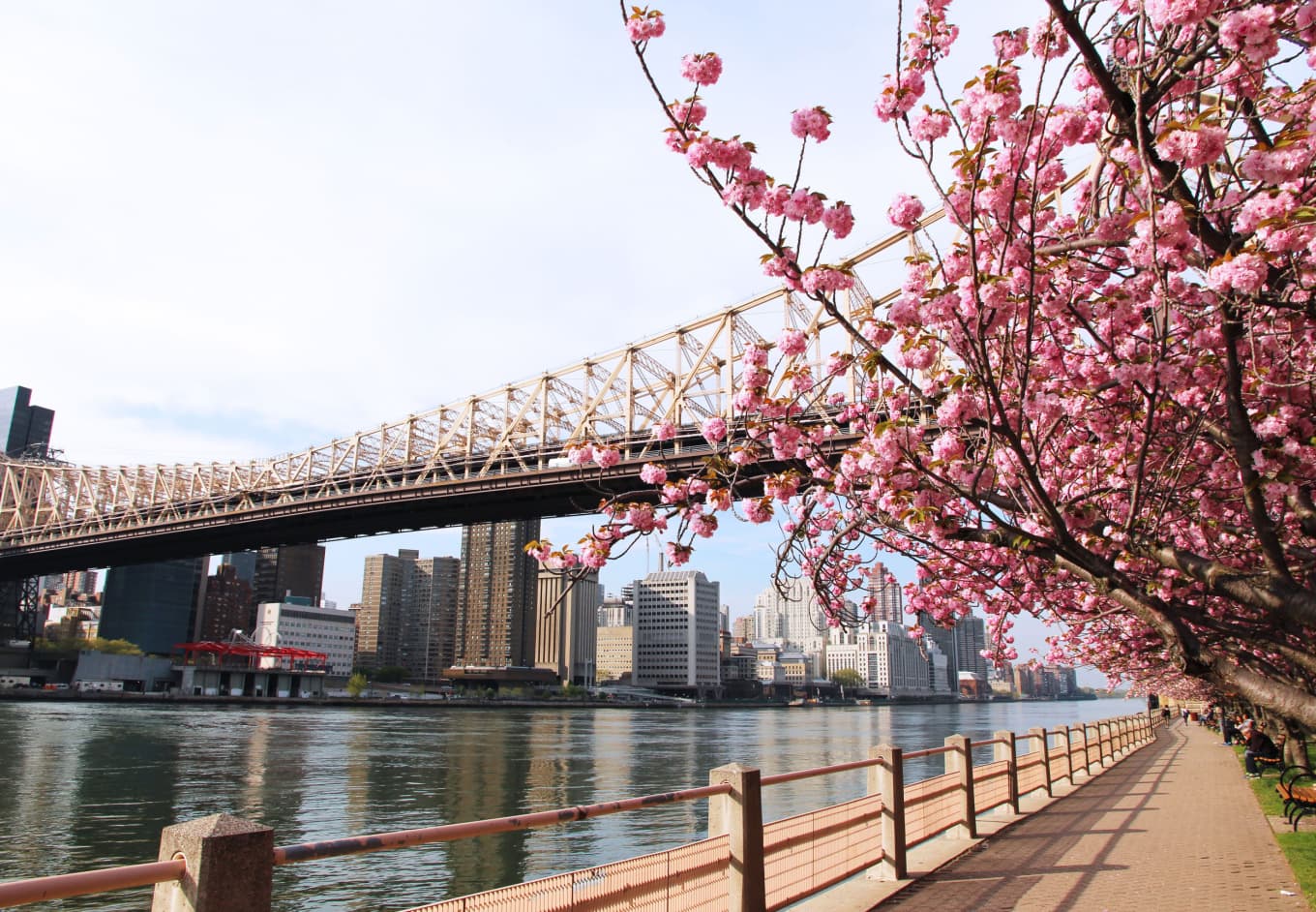
The extended daylight hours of spring are a major boon for travelers. With the sun setting later, there is more time to explore the city’s sights and enjoy its outdoor offerings. Parks are inviting for evening strolls, and many attractions remain open. However, temperatures can drop significantly after sunset, especially in March and April. Always be prepared for cooler evening conditions, even if the day was warm. Restaurants with outdoor seating become particularly popular, so reservations may be advisable, especially on weekends.
By understanding these factors, travelers can better plan their itineraries, pack appropriately, and fully embrace the diverse and delightful offerings that New York presents during its beautiful springtime transformation.
LifeOutOfTheBox is a participant in the Amazon Services LLC Associates Program, an affiliate advertising program designed to provide a means for sites to earn advertising fees by advertising and linking to Amazon.com. Amazon, the Amazon logo, AmazonSupply, and the AmazonSupply logo are trademarks of Amazon.com, Inc. or its affiliates. As an Amazon Associate we earn affiliate commissions from qualifying purchases.