
Navigating the process of tree removal in Texas can seem daunting, especially when it comes to accurately estimating the associated costs. The Lone Star State boasts a diverse landscape, from the dense piney woods of East Texas to the rugged terrain of the Hill Country, each presenting unique challenges and influencing tree removal expenses. Whether you’re a homeowner seeking to clear space for a new construction project, mitigate potential hazards, or simply enhance your property’s aesthetics, understanding the factors that contribute to an estimate is crucial. This guide will delve into the essential elements that shape the cost of tree removal services across Texas, empowering you to make informed decisions and obtain fair quotes.
Key Factors Influencing Tree Removal Costs
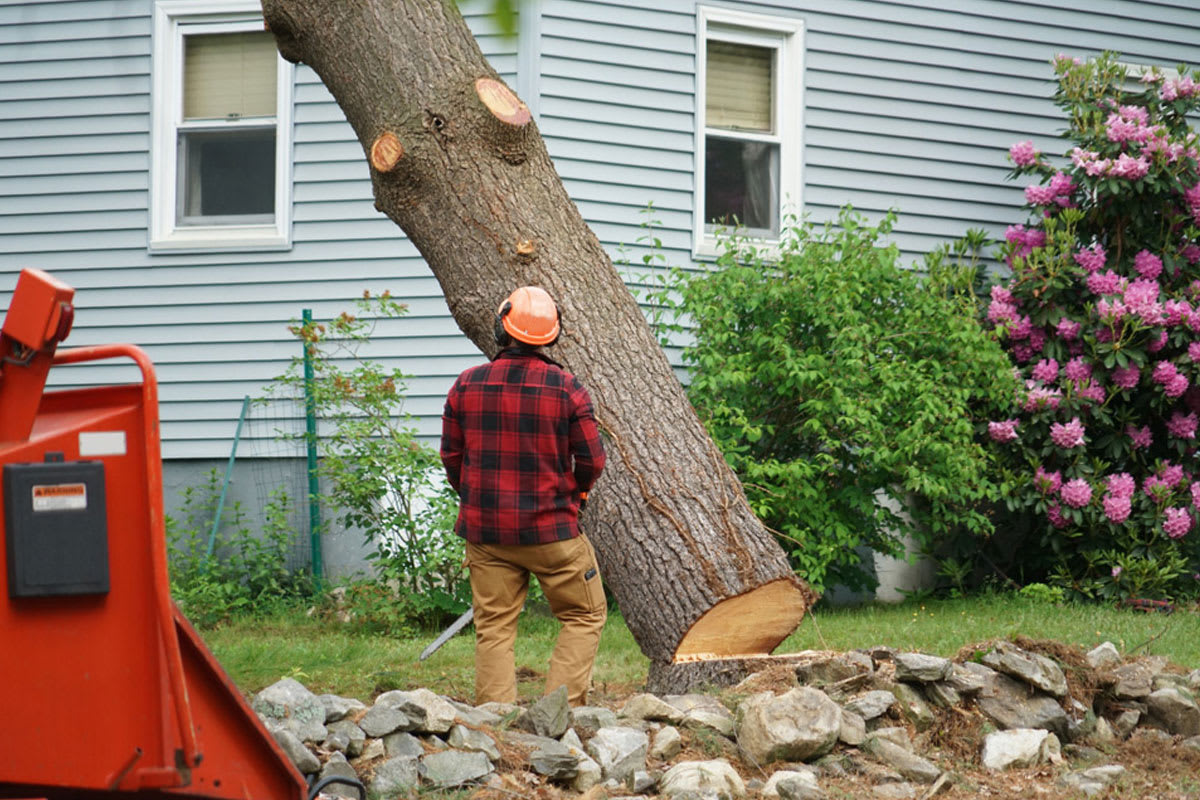
The price of removing a tree in Texas is not a one-size-fits-all calculation. Several variables come into play, and understanding these will help you interpret quotes and communicate effectively with tree removal professionals.
Tree Size and Species
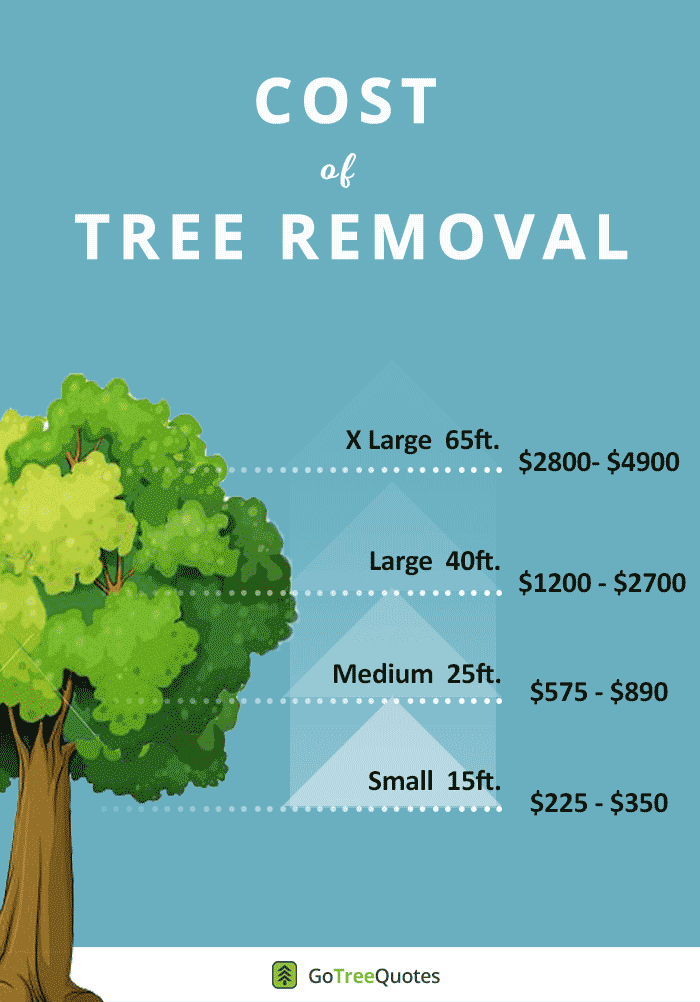
The sheer dimensions of a tree are perhaps the most significant cost driver. Larger trees require more time, specialized equipment, and a larger crew to safely dismantle and remove. The height, trunk diameter, and canopy spread all contribute to the complexity of the job. A towering oak with a substantial trunk will invariably cost more to remove than a small ornamental tree.
Beyond size, the species of the tree also plays a role. Some trees have denser wood, making them harder to cut. Others might have a more invasive root system that requires additional effort to clear. For instance, removing a mature pecan tree might present different challenges than a drought-resistant mesquite. The presence of specific wood types can also impact disposal costs, as some may be subject to different regulations or have varying resale values.
Tree Condition and Accessibility
The health and structural integrity of the tree are paramount considerations. A dead or diseased tree, while potentially posing a greater hazard, may sometimes be easier to remove as its branches are more brittle and prone to breaking. However, a tree that is already leaning precariously or has extensive rot might require more advanced rigging techniques and safety precautions, increasing labor costs.
Accessibility to the tree is another critical factor. Is the tree located in an open yard with easy access for trucks and chippers, or is it situated in a confined space, near power lines, or close to structures? Difficult access often necessitates more labor-intensive methods, such as dismantling the tree piece by piece from the top down using climbing gear and cranes. The proximity to buildings, fences, or other valuable landscaping elements will also require extra care and precision from the removal team, naturally leading to higher estimates. For example, removing a tree that overhangs a meticulously maintained garden in the San Antonio Botanical Garden would demand far more cautious and costly techniques than one in a wide-open field.
Arborist Expertise and Equipment
The qualifications and experience of the tree removal service are directly tied to the quality and safety of the work performed, and consequently, the cost. Certified arborists possess extensive knowledge of tree biology, safe removal techniques, and risk assessment. Hiring a certified professional often means a higher upfront cost but provides peace of mind and reduces the risk of property damage or injury.
The type of equipment required also impacts the estimate. For smaller jobs, chainsaws and ropes might suffice. However, for larger or more complex removals, professionals may need to employ bucket trucks, cranes, chippers, and specialized rigging equipment. The rental or ownership costs of this heavy machinery are factored into the overall price. A company with a well-maintained fleet of modern equipment and highly trained operators will likely charge more than a less established operation.
Disposal and Cleanup
Once the tree is removed, the substantial amount of debris needs to be managed. The cost of disposal is a significant component of the total estimate. This includes the labor involved in chipping branches, hauling away logs, and cleaning the site. Some municipalities in Texas have specific regulations regarding the disposal of certain tree species or types of debris, which can affect costs.
The client’s desired level of cleanup also influences the final price. Some homeowners may only require the major tree sections to be removed, leaving branches for mulch or firewood. Others will want a complete clean sweep, with all debris, including leaves and sawdust, removed from the property. The more thorough the cleanup, the higher the labor and transportation costs will be. For instance, a company clearing a fallen tree after a storm in the Houston metropolitan area might face different disposal challenges and costs than one working in a rural part of West Texas.
Permits and Insurance
Depending on your location within Texas and the size of the tree, you may be required to obtain a permit from your local municipality before commencing removal. The cost of these permits, while typically modest, is an additional expense that should be factored into your estimate. Your chosen tree removal service should be knowledgeable about local permit requirements and can often handle the application process for you.
Furthermore, ensuring that the tree removal company is fully insured is non-negotiable. This includes general liability insurance to cover accidental damage to your property or your neighbor’s property, and workers’ compensation insurance to protect their employees. A reputable company will readily provide proof of insurance, and while their premiums might be reflected in their pricing, this coverage is vital for protecting you from unforeseen liabilities.
Obtaining and Comparing Tree Removal Quotes
The process of getting quotes should be approached systematically to ensure you receive accurate and comparable estimates.
The Importance of Multiple Quotes
It is highly recommended to obtain quotes from at least three different reputable tree removal companies. This practice allows you to compare pricing, services offered, and overall professionalism. Each company may have a different approach to the job, utilize different equipment, or have varying overhead costs, leading to price discrepancies.
What to Expect During an On-Site Assessment
A professional tree removal service will always insist on an on-site assessment before providing a firm quote. This is crucial for accurately evaluating all the factors discussed above. During the visit, the arborist will:
- Inspect the Tree: Assess its size, species, health, and any potential hazards.
- Evaluate Accessibility: Determine the ease of access for equipment and personnel.
- Identify Proximity to Structures: Note any buildings, fences, power lines, or other features that require careful maneuvering.
- Discuss Scope of Work: Clarify the extent of removal, including stump grinding and debris disposal.
- Answer Your Questions: Address any concerns you may have regarding the process, safety, and timeline.
Do not settle for a quote given over the phone without an inspection, as it is likely to be inaccurate.
Understanding the Quote Document
A comprehensive quote should be provided in writing and detail the following:
- Company Information: Name, address, contact details, and proof of insurance.
- Scope of Work: A clear description of the services to be performed, such as “complete removal of the oak tree at the rear of the property, including chipping of branches and hauling away debris.”
- Itemized Costs: Breakdown of costs for labor, equipment, disposal, and any permit fees.
- Timeline: An estimated start and completion date.
- Payment Terms: Deposit required, payment schedule, and accepted payment methods.
- Cleanup Details: Specifics on what will be cleaned up and to what extent.
Be wary of quotes that are significantly lower than others, as this could indicate cutting corners on safety, insurance, or proper disposal.
Additional Services and Considerations
Beyond the basic tree removal, several ancillary services can be requested, each with its own cost implications.
Stump Grinding and Removal
After a tree is cut down, the stump remains. Stump grinding is the process of using a specialized machine to grind the stump into small wood chips. This is typically an optional service, and the cost varies based on the size and diameter of the stump. Some companies may offer a discount if stump grinding is performed at the same time as tree removal. Complete stump removal, which involves excavating the entire root ball, is a more labor-intensive and costly process.
Firewood and Mulch
If you have a use for the wood, you may be able to negotiate with the removal company to leave logs for firewood or branches for mulch. This can sometimes reduce the disposal fees. Conversely, if you specifically want the wood removed and processed elsewhere, ensure this is clearly stated in the quote.
Emergency Tree Removal
Tree removal in emergency situations, such as after a severe storm or when a tree poses an immediate threat to life or property, often incurs higher costs. This is due to the urgency, the potential for hazardous conditions, and the fact that these services are often required outside of regular business hours. Companies specializing in emergency tree services in regions prone to severe weather like Houston or Dallas will have pricing structures that reflect this demand.

Making the Final Decision
Choosing the right tree removal service in Texas involves a careful balance of cost, quality, and safety. While budget is undoubtedly a factor, prioritizing a company that demonstrates professionalism, possesses proper insurance, and provides clear, detailed quotes is essential. A well-executed tree removal project not only enhances your property’s safety and appearance but also contributes to the overall well-being of your Texas landscape. Remember, an informed consumer is a well-served consumer, and by understanding these estimation factors, you can approach your tree removal project with confidence.
LifeOutOfTheBox is a participant in the Amazon Services LLC Associates Program, an affiliate advertising program designed to provide a means for sites to earn advertising fees by advertising and linking to Amazon.com. Amazon, the Amazon logo, AmazonSupply, and the AmazonSupply logo are trademarks of Amazon.com, Inc. or its affiliates. As an Amazon Associate we earn affiliate commissions from qualifying purchases.