
The Colorado River, a vital artery of the American Southwest, carves its path through a vast and diverse landscape, touching upon the lives and economies of millions. Its intricate network of tributaries and its main stem traverse a significant portion of the United States, shaping not only the natural environment but also the historical development and contemporary recreational opportunities of the region. Understanding the extent of its reach is fundamental to appreciating its ecological importance and the myriad of destinations it influences.
A Lifeline Through Seven States
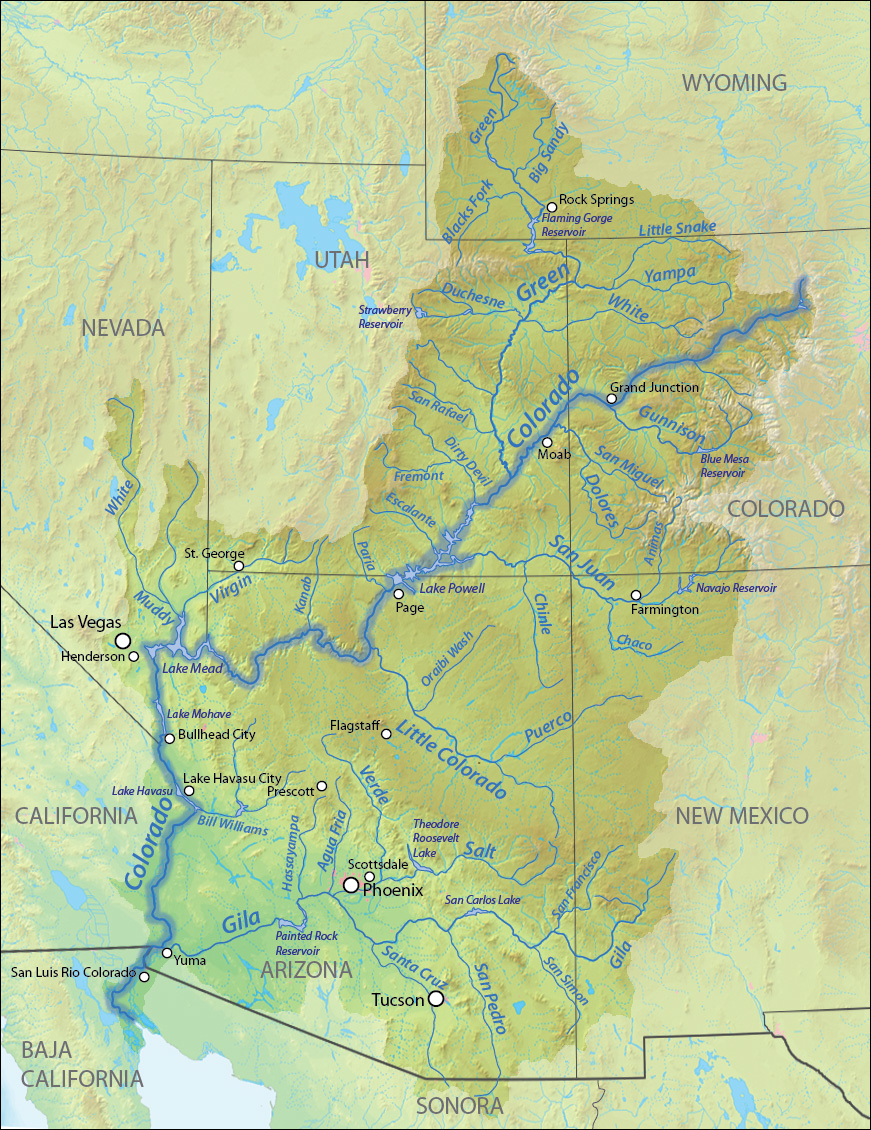
The Colorado River is renowned for its impressive geographical span, originating in the rugged mountains of Colorado and flowing southwestward to its terminus at the Gulf of California in Mexico. The question of how many states it touches is a key element in grasping its role as a transboundary resource. The river, in its entirety, runs through or forms the border of seven states within the United States. This extensive reach highlights its critical significance for water supply, agriculture, power generation, and a wealth of recreational pursuits across a substantial geographical area. Each state it touches contributes to and benefits from the river’s flow in unique ways, creating a complex web of interdependence.

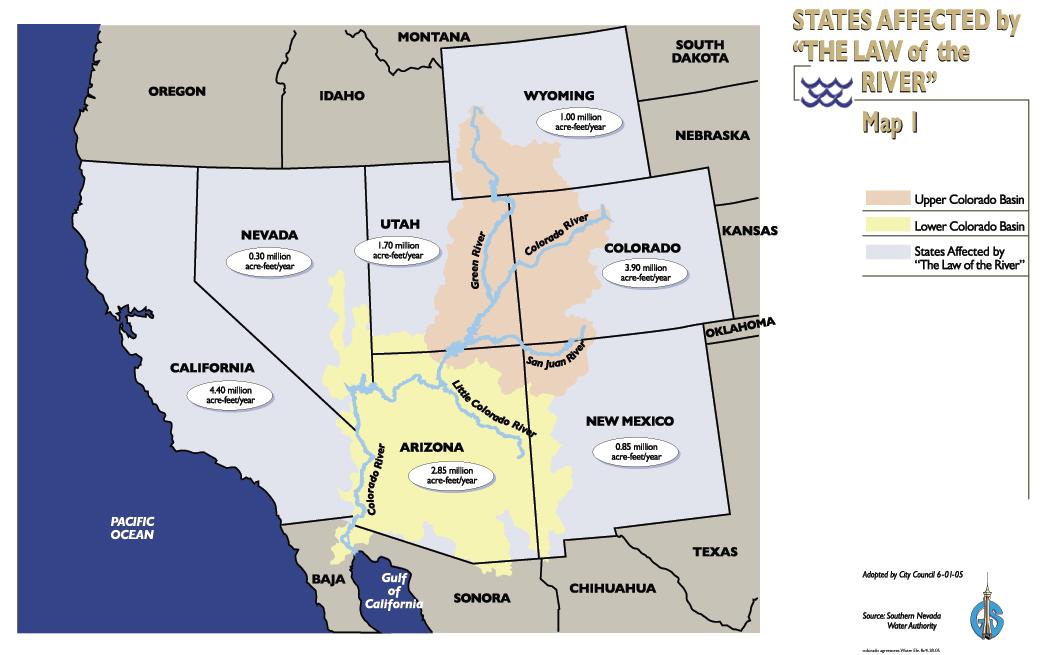
The Upper Basin States
The journey of the Colorado River begins in the alpine wilderness of Colorado, specifically in the Rocky Mountains. From its high-altitude headwaters, the river embarks on its descent, gathering strength and volume. The states considered part of the Upper Basin of the Colorado River basin are:
- Colorado: The birthplace of the river, where its initial flows are formed by snowmelt from peaks like those in Rocky Mountain National Park. The state’s high mountain regions provide the essential headwaters that feed the entire river system.
- Wyoming: While much of Wyoming is drained by other river systems, significant tributaries that feed the Colorado River originate in its southern mountains, contributing to the initial flow.
- Utah: The Colorado River itself, as a named entity, truly begins to take shape within the dramatic landscapes of Utah. It flows through iconic national parks and canyons, showcasing its raw power and beauty.
- New Mexico: The San Juan River, a major tributary, originates in New Mexico and joins the Colorado River within Utah, adding a substantial volume of water to the system.
These Upper Basin states are characterized by higher elevations, colder climates, and landscapes that are crucial for capturing and releasing the snowpack that sustains the river through drier seasons.
The Lower Basin States
As the Colorado River flows southward, it enters the arid and semi-arid regions of the Lower Basin. Here, the river becomes a critical lifeline for agriculture, urban centers, and a thriving tourism industry. The states that benefit from the river’s flow in this region are:
- Arizona: Arizona is perhaps most famously associated with the Colorado River due to the awe-inspiring Grand Canyon, which the river has carved over millennia. The Hoover Dam and Glen Canyon Dam are also major infrastructural marvels within the state that manage the river’s flow.
- Nevada: The Colorado River forms a significant portion of the border between Arizona and Nevada, most notably where it forms Lake Mead, a vast reservoir that supplies water to Las Vegas and Southern California.
- California: Despite being the furthest west of the basin states, California is the largest consumer of Colorado River water, essential for its vast agricultural operations in the Imperial and Coachella Valleys, as well as for supplying major metropolitan areas like Los Angeles and San Diego.
These Lower Basin states face the challenge of managing water resources in a region where evaporation is high and precipitation is scarce, making the reliable flow of the Colorado River indispensable.
Navigating the Waters: Destinations and Experiences
The presence of the Colorado River has sculpted a landscape ripe for exploration, drawing visitors for its natural grandeur and the diverse activities it supports. From the majestic canyons to the life-giving waters, each state offers a unique perspective on this iconic waterway.
Colorado: The Headwaters and High Country Adventures
In its nascent stages, the Colorado River offers a different kind of experience. Here, the focus is on the pristine natural beauty of the Rocky Mountains.
Mountain Towns and Scenic Drives
Visitors can explore charming mountain towns like Grand Lake, situated at the western entrance to Rocky Mountain National Park. Scenic byways, such as Trail Ridge Road, provide breathtaking vistas of the headwaters region, offering glimpses into the birthplace of this mighty river. Hiking trails abound, allowing for immersive experiences in the high-alpine environment.
Early River Exploration
While not the dramatic whitewater of its lower reaches, the upper sections of the river offer opportunities for peaceful kayaking and fishing, surrounded by rugged peaks and lush forests. The crisp mountain air and the sound of the nascent river are a refreshing introduction to its journey.
Utah: Canyons, Arches, and the River’s Grandeur
Utah is where the Colorado River begins to truly reveal its power, carving through dramatic geological formations and offering unparalleled scenic beauty.
Arches National Park and Canyonlands National Park
The river flows through or near some of the most iconic national parks in the United States. Arches National Park, famous for its natural sandstone arches, and Canyonlands National Park, with its vast, maze-like canyons, are shaped by the forces of erosion, with the river playing a significant role.
Whitewater Rafting and Kayaking
The Colorado River through Utah is a premier destination for whitewater rafting. Expeditions through canyons offer a thrilling adventure, navigating rapids while surrounded by towering sandstone cliffs. Popular starting points include those near Moab, offering multi-day trips that delve deep into the wilderness.
Arizona: The Grand Canyon’s Majestic Embrace
Arizona is synonymous with the Grand Canyon, a UNESCO World Heritage site and one of the Seven Natural Wonders of the World. The river’s role in its creation is undeniable and awe-inspiring.
Grand Canyon National Park
The Colorado River flows at the bottom of the Grand Canyon, a continuous 277-mile spectacle of geological history. Visitors can experience its grandeur from the rim, via hiking trails descending into the canyon, or through guided rafting trips that traverse its turbulent waters.
Hoover Dam and Lake Mead
Further downstream, the Hoover Dam creates Lake Mead, a vast reservoir offering opportunities for boating, swimming, and fishing. The sheer scale of the dam and the lake is a testament to human engineering and the river’s immense power.
Nevada: Borderlands and Water Recreation
Nevada shares a significant stretch of the Colorado River with Arizona, with Lake Mead being a primary focus for recreational activities.
Lake Mead National Recreation Area
This expansive area provides a haven for water sports enthusiasts. Boating, water skiing, houseboating, and fishing are popular pastimes on the calm waters of Lake Mead. The surrounding desert landscape offers hiking and off-roading opportunities as well.
Colorado River Historical Society
While not directly on the river itself, communities in Nevada that rely on the river’s water have historical societies that document its impact on the region’s development and the lives of its inhabitants.
California: The Agricultural Heartland and Desert Oases
California utilizes a substantial portion of the Colorado River for its massive agricultural industry and to support its densely populated urban centers.
Imperial Valley and Coachella Valley
These fertile agricultural regions, carved out of the desert, owe their existence to irrigation systems that channel water from the Colorado River. Visitors can witness the impressive scale of these agricultural landscapes.
Salton Sea and Joshua Tree National Park Proximity
While the Salton Sea is a unique inland sea, its hydrological connection to the Colorado River system is complex. The proximity to iconic natural wonders like Joshua Tree National Park means that many visitors to this region will likely encounter the influence of the river system, even if indirectly.
Conservation and Future Outlook
The journey of the Colorado River is not just about geography and recreation; it is also a story of vital importance for conservation and the sustainable management of a scarce resource. The seven states it touches, along with Mexico, are signatories to the Colorado River Compact, an agreement that governs the allocation and use of its waters.
Water Management Challenges
The river is significantly overallocated, meaning that the demand for its water often exceeds its supply, a situation exacerbated by climate change and prolonged droughts. This has led to decreased water levels in major reservoirs like Lake Mead and Lake Powell, impacting everything from hydropower generation to ecological habitats.
Efforts in Sustainability and Recreation
Numerous organizations and government agencies are dedicated to the conservation of the Colorado River ecosystem. These efforts include promoting water-efficient practices, restoring riparian habitats, and managing recreational use to minimize environmental impact. The future of the river depends on continued collaboration and innovation among the basin states and stakeholders.
From the snow-capped peaks of Colorado to the arid expanses of California, the Colorado River is a thread that weaves through seven American states, a testament to nature’s power and a crucial resource for millions. Its story is one of breathtaking landscapes, exhilarating adventures, and the ongoing challenge of preserving a vital lifeline for generations to come.
LifeOutOfTheBox is a participant in the Amazon Services LLC Associates Program, an affiliate advertising program designed to provide a means for sites to earn advertising fees by advertising and linking to Amazon.com. Amazon, the Amazon logo, AmazonSupply, and the AmazonSupply logo are trademarks of Amazon.com, Inc. or its affiliates. As an Amazon Associate we earn affiliate commissions from qualifying purchases.