
Understanding the duration of your flight to Seattle is a fundamental aspect of travel planning, influencing everything from packing strategies to your overall itinerary. The answer, however, is not a simple one-size-fits-all figure. Flight times are dynamic, shaped by a constellation of factors including departure city, airline, route, aircraft type, and even prevailing wind conditions. This comprehensive guide aims to demystify the journey to the Emerald City, providing insights into common flight durations and the variables that affect them.
Factors Influencing Flight Duration
The time it takes to reach Seattle is primarily determined by distance, but several other elements play a crucial role in shaping the flight schedule.
Geographical Distance and Departure Location
Unsurprisingly, the most significant determinant of flight time is the physical distance between your point of origin and Seattle-Tacoma International Airport (SEA). Flights from cities on the West Coast of the United States, such as Los Angeles or San Francisco, will naturally be considerably shorter than those originating from the East Coast, like New York City or Miami.
- West Coast Departures: Expect flights typically ranging from 2 to 3.5 hours. For instance, a flight from Los Angeles to Seattle is often around 2.5 hours.
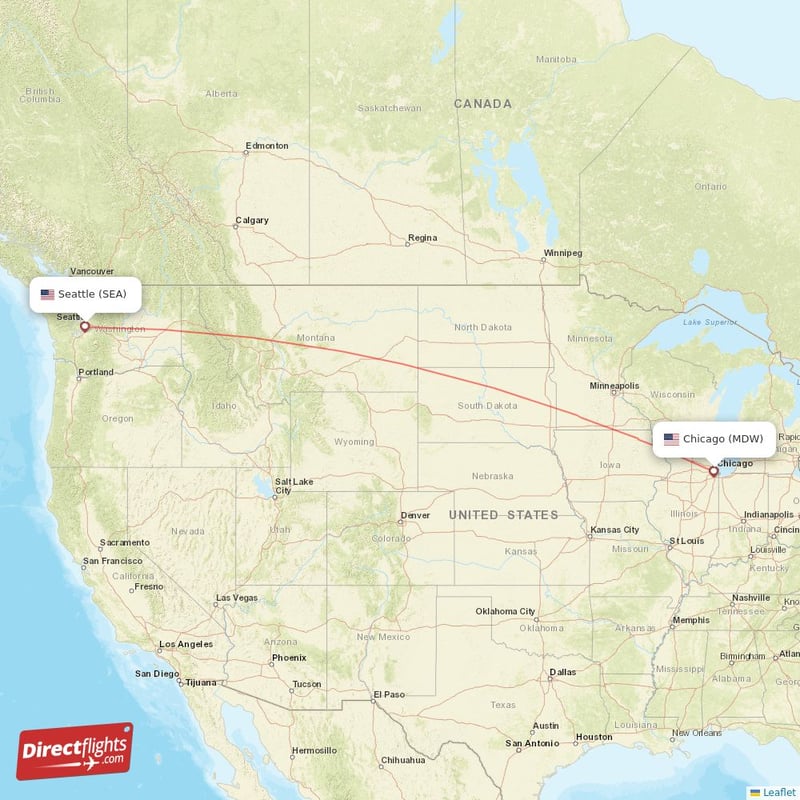
- Central United States Departures: Flights from cities like Chicago or Denver generally fall within the 3.5 to 5-hour range.
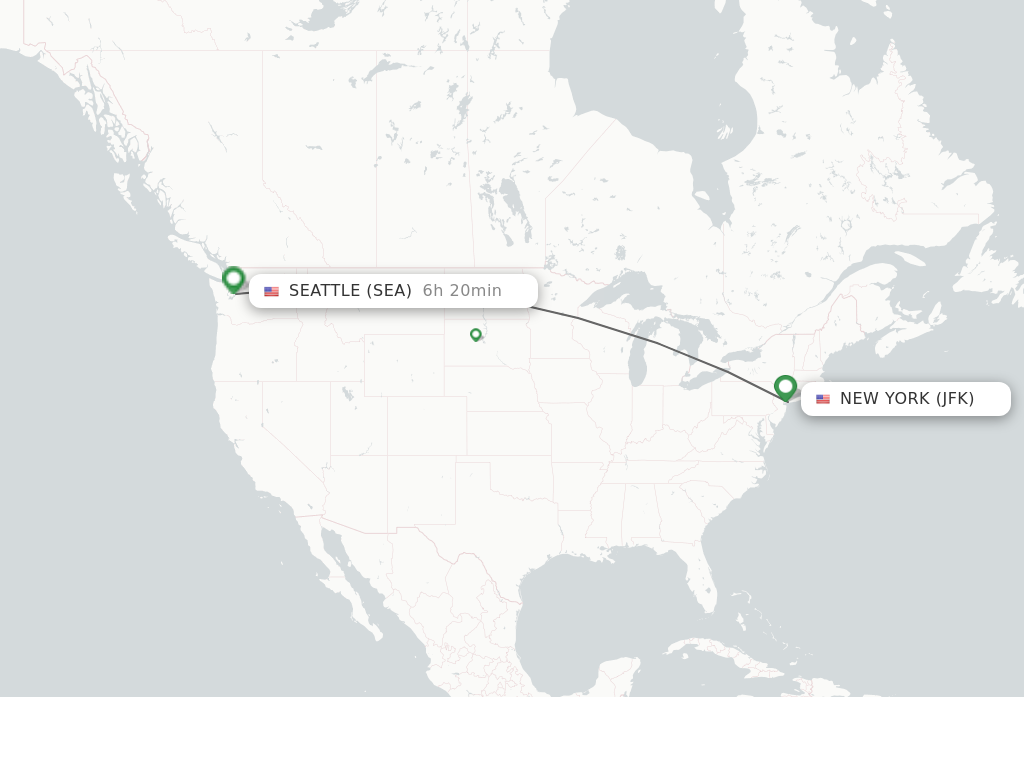
- East Coast Departures: Journeys from the eastern seaboard can span 5 to 6.5 hours of direct flight time.
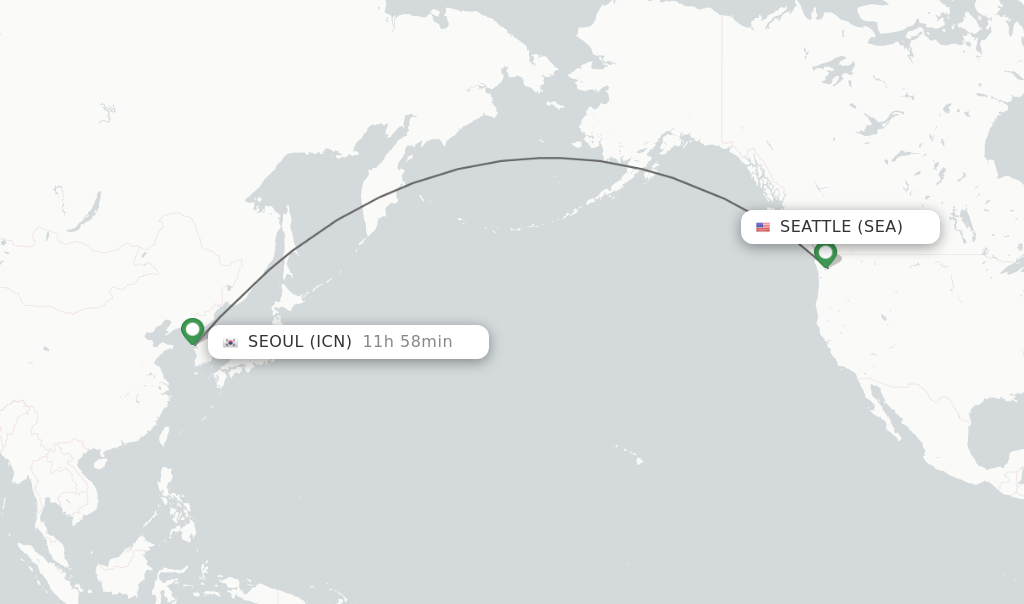
- International Departures: Flights from Europe will naturally be much longer, often exceeding 9 hours for direct flights, and considerably more with layovers. Flights from Asia can range from 8 to 12 hours or more depending on the specific city and route.
Airline and Route Optimization
Airlines constantly strive to optimize routes for efficiency and passenger convenience. This can involve selecting flight paths that capitalize on prevailing jet streams, which are high-altitude air currents that can significantly speed up eastbound travel and slow down westbound travel. The specific route chosen by an airline may also depend on air traffic control considerations, weather patterns, and the availability of air corridors.
Aircraft Type
While less impactful than distance, the type of aircraft can subtly influence flight time. Larger, faster aircraft may shave a few minutes off the total duration compared to smaller, slower planes on the same route. However, for most travelers, the difference is negligible.
Wind Conditions and Weather
Jet streams, as mentioned, are a major factor. Flying eastbound with a tailwind from a jet stream can reduce flight time, while flying westbound against a headwind can increase it. Furthermore, adverse weather conditions, such as thunderstorms or turbulence, can necessitate deviations from the planned flight path, potentially leading to longer flight times.
Direct vs. Connecting Flights
The most significant variable, apart from departure location, is whether you are booking a direct flight or one with layovers.
- Direct Flights: These offer the shortest possible travel time to Seattle as they involve no stops. The flight duration listed by the airline refers to the time spent airborne from takeoff to landing.
- Connecting Flights: These inherently increase your total travel time. The stated flight duration for a connecting flight typically refers to the actual flight time between airports, excluding the layover period. When factoring in time spent on the ground at the connecting airport, the overall journey can easily double or triple. For example, a 3-hour flight from San Francisco with a 2-hour layover in Salt Lake City will result in a total travel time of at least 5 hours, plus taxiing and boarding at both airports.
Typical Flight Durations to Seattle
To provide a more concrete understanding, let’s break down typical flight durations from various regions of the United States to Seattle.
Short-Haul Flights (West Coast)
For those residing on the Pacific coast, reaching Seattle is a relatively quick endeavor.
- Los Angeles, California: Approximately 2 hours 30 minutes to 3 hours.
- San Francisco, California: Approximately 1 hour 45 minutes to 2 hours 30 minutes.
- Portland, Oregon: A very short flight, often around 1 hour to 1 hour 30 minutes.
- San Diego, California: Approximately 2 hours 45 minutes to 3 hours 30 minutes.
Medium-Haul Flights (Central and Mountain West)
Flights from the central and mountain regions of the U.S. require a more significant time commitment.
- Denver, Colorado: Typically 3 hours to 4 hours.
- Phoenix, Arizona: Around 2 hours 30 minutes to 3 hours 30 minutes.
- Dallas-Fort Worth, Texas: Approximately 4 hours to 5 hours.
- Chicago, Illinois: Generally 4 hours to 5 hours.
Long-Haul Flights (East Coast and Beyond)
Travelers originating from the eastern United States and further afield will face the longest flight durations.
- New York City, New York: Typically 5 hours 30 minutes to 6 hours 30 minutes.
- Boston, Massachusetts: Approximately 5 hours 45 minutes to 6 hours 45 minutes.
- Miami, Florida: Usually 6 hours to 7 hours.
- London, United Kingdom: Direct flights can range from 9 to 10 hours.
- Tokyo, Japan: Direct flights typically range from 9 to 10 hours.
Planning Your Journey to Seattle
When planning your trip, it’s crucial to consult reliable sources for the most accurate flight duration information.
Utilizing Flight Search Engines
Websites like Google Flights, Skyscanner, Kayak, and Expedia are invaluable tools. They allow you to input your departure city and Seattle as your destination, providing a comprehensive list of available flights with their respective durations. Pay close attention to whether the listed times are for direct flights or include layovers.
Checking Airline Websites Directly
Once you have identified potential flights, visiting the airline’s official website can offer the most up-to-date and detailed information. Airlines often provide specific flight numbers and estimated departure and arrival times, allowing for precise itinerary planning.
Considering Time Zones
Remember that flight durations are measured in elapsed time, not clock time. Seattle is in the Pacific Time Zone (PT). Traveling from the East Coast, for instance, means you will gain three hours, so a 6-hour flight might land at a local time that is only 3 hours after your departure. Conversely, traveling from the West Coast to the East Coast results in losing time.
Preparing for Your Arrival
Knowing your estimated arrival time is essential for arranging transportation from Seattle-Tacoma International Airport (SEA), whether it’s a taxi, rideshare, Link Light Rail, or a pre-arranged shuttle. It also helps in coordinating with accommodation providers, especially if you anticipate an early arrival or late departure. For those looking for accommodations, understanding your arrival time helps in selecting hotels like The Edgewater Hotel or Thompson Seattle, and planning your first activities in the city, perhaps a visit to the Space Needle or the Pike Place Market.
By understanding these factors and utilizing the available resources, you can accurately gauge the flight time to Seattle and plan a smoother, more enjoyable travel experience.
LifeOutOfTheBox is a participant in the Amazon Services LLC Associates Program, an affiliate advertising program designed to provide a means for sites to earn advertising fees by advertising and linking to Amazon.com. Amazon, the Amazon logo, AmazonSupply, and the AmazonSupply logo are trademarks of Amazon.com, Inc. or its affiliates. As an Amazon Associate we earn affiliate commissions from qualifying purchases.