
Texas, a state renowned for its vast landscapes, vibrant culture, and booming economy, also presents a unique tax landscape for its residents and visitors. Unlike many other states, Texas famously imposes no state income tax. This singular characteristic significantly alters how individuals and businesses approach tax planning. However, this doesn’t mean Texas is tax-free. Instead, the state relies heavily on other forms of revenue, primarily sales and property taxes, to fund its public services. Understanding these mechanisms is crucial for anyone living, working, or spending time within the Lone Star State, especially when considering the financial implications of travel, accommodation, and local activities.
The Absence of State Income Tax: A Texas Hallmark
The most striking feature of the Texas tax system, and a major draw for many, is the complete absence of a state income tax. This policy has been a cornerstone of the state’s economic strategy for decades, aiming to attract businesses and individuals by reducing their overall tax burden. For travelers and tourists, this means that income earned while temporarily working in Texas, or any passive income derived from the state, is generally not subject to state-level income tax. This can lead to significant savings compared to states with progressive income tax brackets.
Implications for Residents and Visitors
For residents of Texas, the lack of income tax is a direct boost to disposable income. This extra capital can be reinvested in local businesses, spent on travel and leisure within the state, or saved. Visitors who might be considering extended stays or even relocating often cite this as a primary reason for their interest in Texas. It simplifies personal finance planning significantly, as there’s no need to account for a state income tax liability when budgeting for expenses or planning for retirement.
Economic Drivers of This Policy
The decision to forgo income tax is deeply intertwined with Texas’s historical economic development. The state has historically relied on its rich natural resources, particularly oil and gas, to generate substantial revenue. Furthermore, a robust business environment, coupled with a favorable regulatory climate, encourages corporate investment. These factors have allowed Texas to maintain its state budget without resorting to individual income taxation. This economic philosophy shapes not only state revenue but also influences the cost of living and doing business across Texas, impacting everything from lodging choices to dining experiences.
Understanding Texas Sales and Use Tax
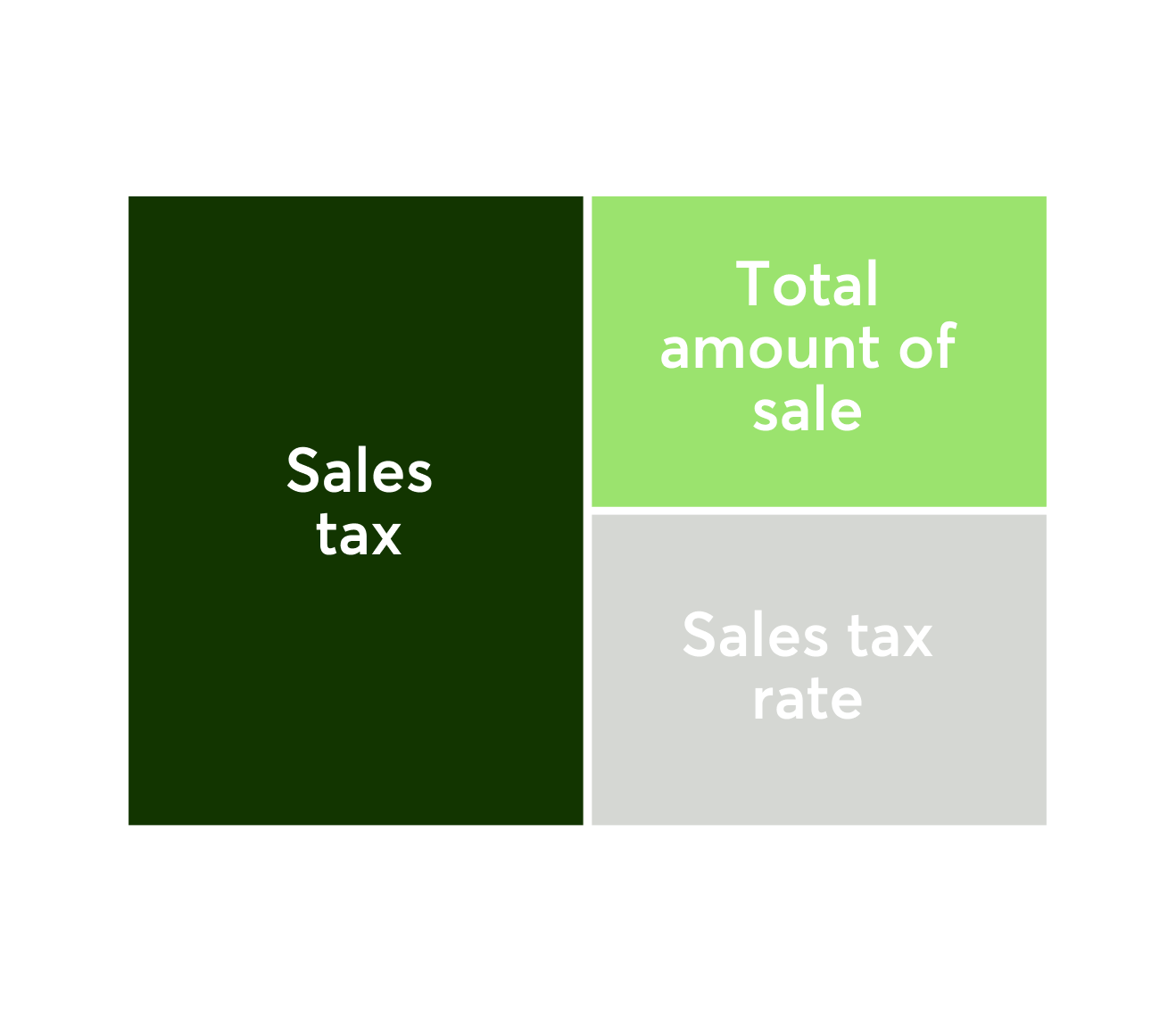
While income tax is absent, the state of Texas does impose a statewide sales tax, supplemented by local sales taxes, which can add up to a significant portion of the purchase price for goods and services. This is a primary revenue source for the state and its municipalities, funding essential services like education, infrastructure, and public safety. For travelers, this means that every purchase, from souvenirs in San Antonio to a meal at a restaurant in Austin, will likely include a sales tax component.
Statewide and Local Rates
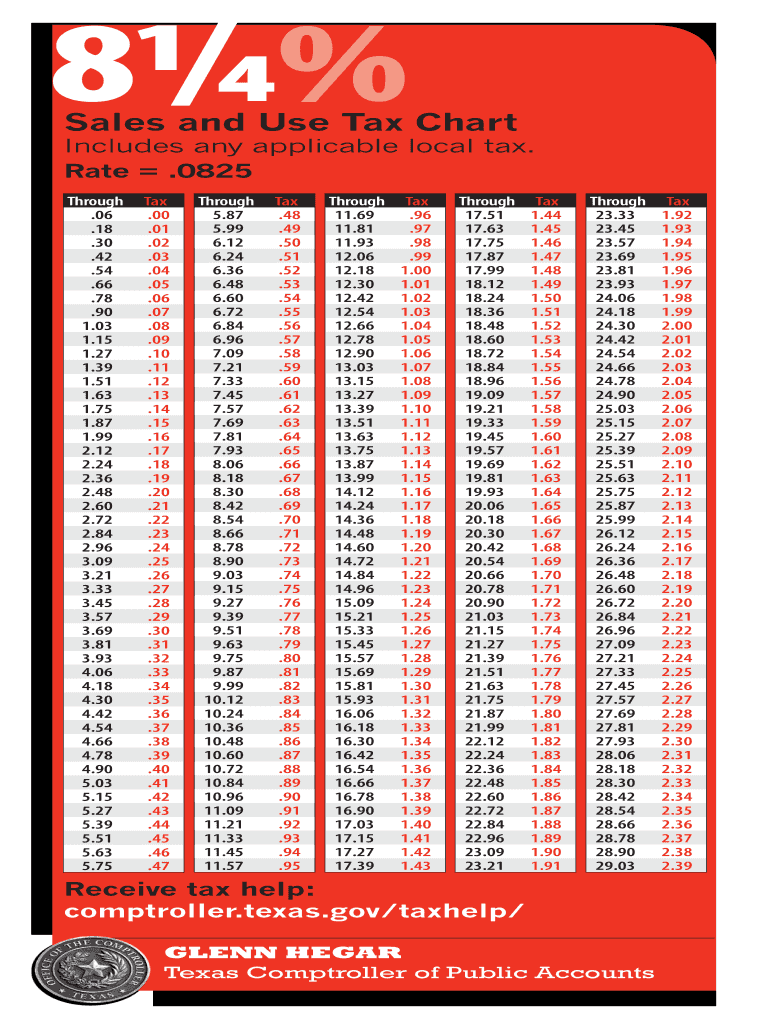
The current statewide sales tax rate in Texas is 6.25%. However, many cities and counties levy their own local sales taxes, which are added to the state rate. The maximum combined sales tax rate in Texas can reach up to 8.25% in certain areas. It is essential for consumers to be aware of the specific rate applicable at their point of purchase. This is particularly relevant for tourists exploring different parts of the state; for instance, the sales tax in Dallas might differ from that in Houston.
Exemptions and Special Considerations
Certain goods and services are exempt from sales tax in Texas. These often include essential items like groceries (though prepared foods are typically taxed), prescription medications, and certain agricultural products. For travelers, understanding these exemptions can lead to savings. For example, purchasing staple groceries for a self-catered stay at a villa or apartment rental might be more economical than dining out for every meal, due to the tax differential. Additionally, there are specific rules regarding the taxation of services, with some being taxable and others not. Businesses operating within the state, and by extension, the businesses catering to tourists, must meticulously adhere to these regulations.
Use Tax: The Flip Side of Sales Tax

Texas also has a use tax, which is essentially a counterpart to the sales tax. It applies to tangible personal property purchased out-of-state for use, storage, or consumption in Texas, but on which no sales tax was paid. This is designed to prevent tax evasion and ensure a level playing field for in-state businesses. For online shoppers or those bringing items into Texas from elsewhere, understanding use tax is vital to remain compliant.
Property Taxes: A Significant Local Revenue Source
Property taxes are a major source of funding for local governments and school districts across Texas. Unlike sales tax, which is primarily a state and local revenue stream, property taxes are almost entirely dedicated to local services. This means that the amount of property tax paid can vary dramatically depending on the location within Texas. Homeowners, business owners, and even renters (as property taxes are often passed on indirectly) are affected by this system.
How Property Tax is Assessed
Property taxes in Texas are based on the assessed value of real estate and, in some cases, tangible personal property. Local appraisal districts are responsible for determining the market value of properties. Property owners have the right to protest their appraised value if they believe it is too high. The tax rate, or millage rate, is then set by each taxing unit (e.g., city, county, school district) based on its budget needs.
Impact on Accommodation and Long-Term Stays
For those considering longer-term accommodation, such as renting an apartment or a villa, or even purchasing property in Texas, property taxes are a significant factor in the overall cost of living. Areas with highly-rated school districts or extensive public services often have higher property tax rates. This can influence decisions about where to stay, even for temporary residents or those on extended business trips who opt for more permanent-feeling lodging. Understanding the property tax implications of a particular neighborhood or city is an essential part of financial planning for anyone intending to stay in Texas for an extended period.
Tourism and Tax: Navigating Expenses
For tourists, understanding how taxes affect their spending is key to budgeting for a trip to Texas. While the absence of income tax is a significant benefit, sales tax on purchases and potentially hotel occupancy taxes are direct costs to be factored in.
Hotel Occupancy Tax (HOT)
Hotels, motels, and other lodging establishments in Texas are subject to the Hotel Occupancy Tax (HOT). This tax is levied on the price paid for a room in a hotel. The HOT is composed of a state portion and often a local portion, which varies by city and county. These taxes are collected by the lodging provider and remitted to the state and local governments. For travelers booking a stay at a resort, a boutique hotel, or even a standard hotel, the HOT will be an additional charge on their bill. This tax is an important revenue stream for many Texas communities, often funding tourism-related initiatives and attractions.
Dining, Entertainment, and Shopping
As mentioned earlier, sales tax applies to most dining, entertainment, and shopping expenditures. This includes admission to attractions like the Alamo in San Antonio, tickets for events at the Cotton Bowl in Dallas, and purchases made at shops throughout the state. While the rate may seem small on individual items, it can add up over the course of a vacation. Planning an itinerary that balances taxable activities with those that may be tax-exempt (like exploring state parks or certain cultural institutions) can help manage overall vacation costs.
Business Travel Considerations
For those on business trips, tax implications can extend beyond personal spending. Companies often need to understand Texas tax laws regarding business expenses, reimbursements, and the taxability of services rendered. While the lack of income tax simplifies personal tax filing for employees working in Texas, businesses must still navigate state and local regulations concerning sales tax collection, property tax on business assets, and any other applicable business taxes. The efficiency of Texas’s tax structure, particularly the absence of income tax, is often a factor in corporate decisions to establish or expand operations in the state.
In conclusion, while the headline feature of Texas taxation is the absence of state income tax, a comprehensive understanding requires looking at sales tax, use tax, property tax, and hotel occupancy tax. These taxes play a vital role in funding the diverse services and infrastructure that make Texas a dynamic place to live, work, and visit. For both residents and travelers, navigating this tax landscape effectively ensures a smoother financial experience and a more informed appreciation of the state’s unique economic model.
LifeOutOfTheBox is a participant in the Amazon Services LLC Associates Program, an affiliate advertising program designed to provide a means for sites to earn advertising fees by advertising and linking to Amazon.com. Amazon, the Amazon logo, AmazonSupply, and the AmazonSupply logo are trademarks of Amazon.com, Inc. or its affiliates. As an Amazon Associate we earn affiliate commissions from qualifying purchases.