
Understanding the duration of a flight to Orlando, Florida is a crucial element for any traveler planning their trip to the Sunshine State. This seemingly straightforward question, however, is influenced by a multitude of factors, ranging from your departure city and chosen airline to the specific type of flight and prevailing wind conditions. Orlando, a vibrant hub renowned for its world-class theme parks, family-friendly resorts, and burgeoning culinary scene, attracts millions of visitors annually, making flight logistics a paramount concern for both leisure and business travelers.
Factors Influencing Flight Duration
The time spent in the air is not a static figure. Several dynamic elements contribute to the overall flight length, and comprehending these will help you manage your expectations and optimize your travel arrangements.
Departure Location: The Primary Determinant
The single most significant factor dictating flight time to Orlando, Florida is your point of origin. Flights originating from within the continental United States will naturally be shorter than those from international destinations.
Domestic Flights
For travelers within the United States, flight times can vary dramatically:
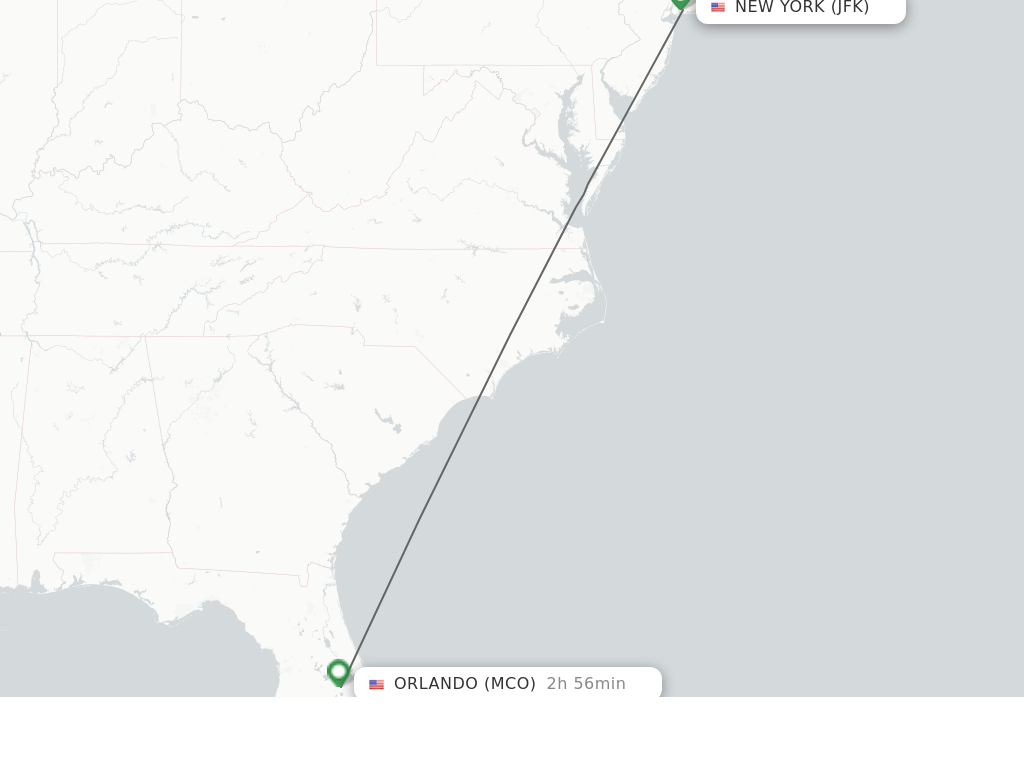
- East Coast: Flights from cities like New York City, Boston, or Miami are generally the shortest, typically ranging from 2 to 3.5 hours. These routes often benefit from more direct flight paths and fewer logistical hurdles.
- Midwest: From cities such as Chicago or Detroit, expect flight durations between 3 to 4 hours.
- West Coast: Flights from Los Angeles, San Francisco, or Seattle are considerably longer, usually falling within the 5 to 6.5-hour range. These flights cover significant geographical distances and may involve crossing multiple time zones.
- Southwest: Travelers from states like Texas or Arizona can anticipate flights of approximately 3.5 to 5 hours.
International Flights
For those traveling from outside the United States, flight times increase substantially:
- Canada: Flights from major Canadian cities like Toronto or Montreal typically range from 3.5 to 5 hours.
- Europe: Journeys from the United Kingdom, France, or Germany are lengthy, often between 8 to 10 hours for direct flights.
- South America: Flights from cities like São Paulo or Buenos Aires can range from 7 to 9 hours.
- Asia and Australia: These are the longest hauls, with flights from Tokyo or Sydney often requiring 18 to 24 hours or more, typically involving at least one layover.
Direct vs. Connecting Flights
The presence of layovers significantly impacts the total travel time. While a direct flight offers the shortest possible duration, connecting flights add substantial time due to the layover period and potential delays in transferring between gates or aircraft.
- Direct Flights: These are the most efficient, flying from your origin to Orlando International Airport (MCO) without any stops. The flight time is solely the airborne duration.
- Connecting Flights: These flights involve one or more stops at intermediary airports. The total travel time includes the flight segments plus the time spent on the ground during layovers. A short layover might add 1-2 hours to your journey, while longer layovers can extend the total trip by several hours, sometimes even necessitating an overnight stay in a layover city. When choosing flights, it’s essential to consider the total elapsed time from departure to arrival, not just the flying time.
Airline and Aircraft Type
Different airlines may operate slightly different flight paths or utilize aircraft with varying cruising speeds. While the difference is often marginal for most common aircraft, it can contribute to minor variations in flight duration. Larger aircraft, for instance, might sometimes experience slightly longer taxi times at busy airports.
Prevailing Winds and Weather Conditions
Meteorological factors play a crucial role in flight times. Jet streams, powerful air currents flowing at high altitudes, can significantly influence how quickly an aircraft traverses the sky.
- Tailwinds: Flying with a tailwind means the wind is blowing in the same direction as the aircraft, effectively increasing its ground speed and shortening the flight. This is particularly common on eastbound flights across the United States due to the prevailing westerly jet stream.
- Headwinds: Conversely, flying against a headwind (wind blowing in the opposite direction of the aircraft) slows the plane down, increasing flight time. Westbound flights often contend with headwinds.
- Weather: Severe weather, such as thunderstorms or hurricanes, can necessitate rerouting or delays, thereby extending flight durations. Airlines prioritize safety, and air traffic control may direct planes on longer paths to avoid inclement weather.

Estimating Your Flight Time
To get the most accurate estimate for your specific journey to Orlando, Florida, it is best to consult reliable travel resources.
Using Flight Search Engines
Websites and mobile applications dedicated to flight comparison are invaluable tools. When you input your departure city and Orlando, Florida as your destination, these platforms will display a range of flight options, including their estimated durations. Pay close attention to whether the listed time is “flight time” or “total travel time” which includes layovers. Reputable sites include:
- Google Flights
- Skyscanner
- Kayak
- Expedia
- Priceline
When using these tools, consider:
- Date Selection: Flight times can sometimes vary slightly by day of the week or season due to air traffic patterns and airline scheduling.
- Airline Preferences: If you have a preferred airline, you can often filter search results to see their specific flight options and durations.
Airline Websites
Directly checking the websites of major airlines that fly to Orlando International Airport (MCO) can also provide precise flight times for their offered routes. This is particularly useful if you have loyalty points or prefer a specific carrier. Major airlines servicing Orlando, Florida include:
- Delta Air Lines
- American Airlines
- United Airlines
- Southwest Airlines
- JetBlue Airways
Connecting Through Major Hubs
Many travelers to Orlando, Florida will transit through major airport hubs. Understanding the typical flight times to these hubs from your origin can help you better gauge the overall journey. For example, if you are flying from the West Coast, you might connect through a hub like Dallas/Fort Worth International Airport (DFW), Hartsfield-Jackson Atlanta International Airport (ATL), or Charlotte Douglas International Airport (CLT). The subsequent flight from these hubs to Orlando, Florida is typically shorter, usually in the 1.5 to 3-hour range.
Planning Your Travel to Orlando
Knowing the estimated flight duration is vital for effective travel planning, especially when considering the various aspects of visiting Orlando, Florida.
Time Zone Considerations
Orlando, Florida operates on Eastern Standard Time (EST) or Eastern Daylight Time (EDT), which is UTC-5 or UTC-4, respectively. When you fly from a different time zone, the actual time of day upon arrival will be different from the duration of the flight. For example, a 5-hour flight from Los Angeles (Pacific Time, UTC-8/-7) will result in arriving at a much later local time in Orlando than the actual flight duration suggests. This is important for planning airport transfers, hotel check-ins, and initial activities.
Airport Arrival and Security
While flight time is the duration in the air, your overall travel time to and from Orlando International Airport (MCO) will be longer. It’s advisable to arrive at the airport at least 2-3 hours before a domestic flight and 3-4 hours before an international flight to allow ample time for check-in, baggage drop, and security screening, especially during peak travel seasons. Navigating MCO, a very busy international gateway, requires patience and preparation.

Scheduling Activities
Understanding your flight schedule allows you to make informed decisions about your first and last day activities in Orlando, Florida. An early morning arrival might allow for a full day of theme park fun at places like Walt Disney World Resort or Universal Orlando Resort, while a late afternoon departure can accommodate a final morning at a popular attraction or some souvenir shopping. Factor in travel time from the airport to your accommodation and the time needed to settle in.
By carefully considering all these elements, travelers can accurately estimate their flight duration to Orlando, Florida and plan a seamless and enjoyable journey to this iconic tourist destination.
LifeOutOfTheBox is a participant in the Amazon Services LLC Associates Program, an affiliate advertising program designed to provide a means for sites to earn advertising fees by advertising and linking to Amazon.com. Amazon, the Amazon logo, AmazonSupply, and the AmazonSupply logo are trademarks of Amazon.com, Inc. or its affiliates. As an Amazon Associate we earn affiliate commissions from qualifying purchases.