
Navigating the bureaucratic landscape of the Texas Department of Motor Vehicles (TxDMV) can sometimes feel like a daunting expedition, especially when faced with the unexpected event of a lost vehicle title. A lost title, while inconvenient, is a common occurrence that can be resolved with a clear understanding of the necessary steps. This guide aims to demystify the process of obtaining a replacement title in the Lone Star State, ensuring you can smoothly transfer ownership or manage your vehicle’s documentation without undue stress. Whether you’ve misplaced the physical document or it has been damaged beyond recognition, the TxDMV provides a structured procedure to help you regain possession of this vital proof of ownership.
Understanding the Texas Vehicle Title
A vehicle title is a legal document that establishes ownership of a vehicle. In Texas, this document is issued by the TxDMV and is crucial for various transactions, including selling your vehicle, registering it, or applying for a loan using the vehicle as collateral. The title contains essential information such as the vehicle identification number (VIN), make, model, year, and the names of registered owners. It is distinct from a vehicle registration, which is a permit to operate the vehicle on public roads. Losing your title does not mean you lose ownership, but it significantly complicates any future transactions. Therefore, promptly addressing a lost title is paramount to maintaining control over your vehicle’s legal status.
Why is a Vehicle Title Important?
The importance of a vehicle title cannot be overstated. It serves as the primary proof of legal ownership. Without a title, you cannot legally sell your vehicle to another party. Potential buyers will be wary of purchasing a vehicle without a clear title, as they would face similar difficulties in registering and legally owning it. Furthermore, if you plan to scrap your vehicle or donate it, a title is often required. In the unfortunate event of theft, the title can assist law enforcement in identifying the rightful owner. Even for personal reasons, such as ensuring your heirs can easily inherit the vehicle, having a clear and accessible title is essential for smooth estate planning. It’s a fundamental document for any vehicle owner in Texas, akin to a deed for real estate.
What Constitutes a Lost Title?
A “lost title” encompasses several scenarios beyond simple misplacement. This includes situations where the title has been:
- Physically lost: The document has simply disappeared and cannot be located.
- Destroyed or Damaged: The title has been rendered illegible due to water damage, fire, or other accidents, making it unusable for official purposes.
- Stolen: The title was part of a theft.
- Never Received: In some cases, a title might not have been received after purchase or transfer, perhaps due to postal errors or administrative oversights.
Regardless of the specific circumstances, the remedy in Texas is to apply for a replacement title.
Steps to Filing for a Lost Title in Texas
The process for obtaining a replacement title in Texas involves completing specific forms and submitting them to the TxDMV through your local county tax assessor-collector’s office. This office acts as the primary point of contact for most motor vehicle-related transactions for Texans.
1. Gather Necessary Information and Documents
Before you begin the application process, ensure you have the following information readily available:
- Vehicle Information: This includes the Vehicle Identification Number (VIN), year, make, and model of the vehicle. This information can typically be found on your vehicle’s dashboard, doorjamb, insurance card, or previous registration documents.
- Owner Information: Full legal name(s) of the registered owner(s) as they appear on the previous title or vehicle registration.
- Previous Title Details (if known): While not always mandatory if the title is truly lost, any information you might recall about the previous title (e.g., date issued, any lienholder information) can be helpful.
- Proof of Identity: A valid government-issued photo ID is usually required for the person applying.
2. Obtain the Correct Application Form
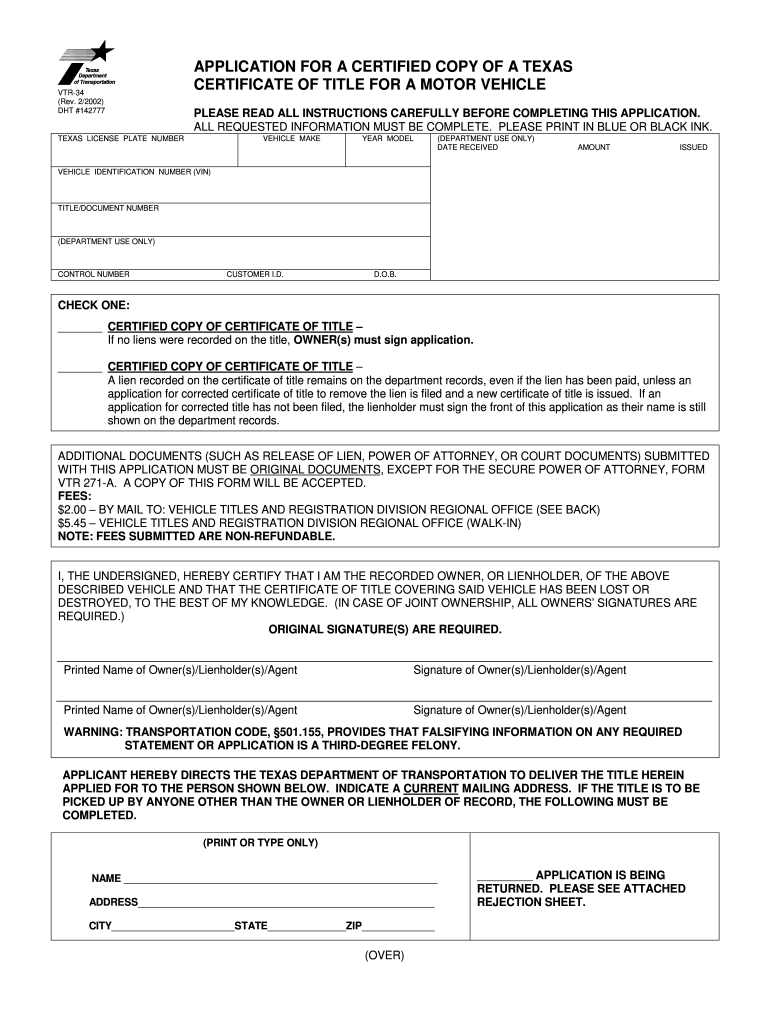
The primary form you will need is the Application for a Certified Copy of Title (Form VTR-34). This form is available for download from the official TxDMV website or can be obtained from your local county tax assessor-collector’s office. It is crucial to download the most current version of the form to avoid any processing delays.
3. Complete the Application for a Certified Copy of Title (Form VTR-34)
Carefully fill out all sections of Form VTR-34. Accuracy is key to ensuring your application is processed without errors.
- Section 1: Vehicle Information: Provide the VIN, year, make, and model.
- Section 2: Owner Information: Enter the full legal name(s) of the owner(s), current address, and driver’s license number.
- Section 3: Reason for Request: Clearly indicate that you are requesting a certified copy due to a lost or destroyed title.
- Section 4: Lienholder Information (if applicable): If there was a lien on the vehicle and it has been satisfied, you will need to provide information about the lienholder. If the lien is still active, the lienholder will typically be listed as the legal owner on the new title, or they may need to sign off on the application.
- Section 5: Odometer Disclosure Statement: This section requires you to record the vehicle’s current mileage. Be sure to report the accurate mileage at the time of application.
- Section 6: Owner’s Signature and Date: The registered owner(s) must sign and date the form. If there are multiple owners listed on the previous title, all parties may need to sign.
Important Considerations when filling out the form:
- Use black ink: Ensure all entries are legible and made with black ink.
- Do not use correction fluid: If you make a mistake, it is often better to fill out a new form than to use correction fluid, which can cause the form to be rejected.
- Signatures: Ensure all required signatures are present and match those on your identification.
4. Submit the Application and Required Fees
Once Form VTR-34 is completed, you will need to submit it along with the required fees to your local county tax assessor-collector’s office. The fee for a certified copy of a title is subject to change, so it’s advisable to check the TxDMV website or call your local county office for the current fee amount. Payment is typically accepted in the form of cash, check, or money order.
Where to submit:
You must submit your application and payment in person at a county tax assessor-collector’s office. You cannot mail this application to the TxDMV directly. You can find a list of county offices on the TxDMV website.
5. Processing and Receiving Your Replacement Title
After submitting your application, the county tax assessor-collector’s office will review it for completeness and accuracy. If everything is in order, they will forward the application to the TxDMV for processing. The TxDMV will then issue a certified copy of the title.
The processing time can vary, but typically it takes several weeks to receive your replacement title by mail. It is important to note that the address provided on your application will be where the title is mailed. Ensure your mailing address is current and accurate.
Special Circumstances and Additional Tips
While the general process for a lost title is straightforward, certain situations may require additional documentation or steps.
Vehicles Purchased Without a Title
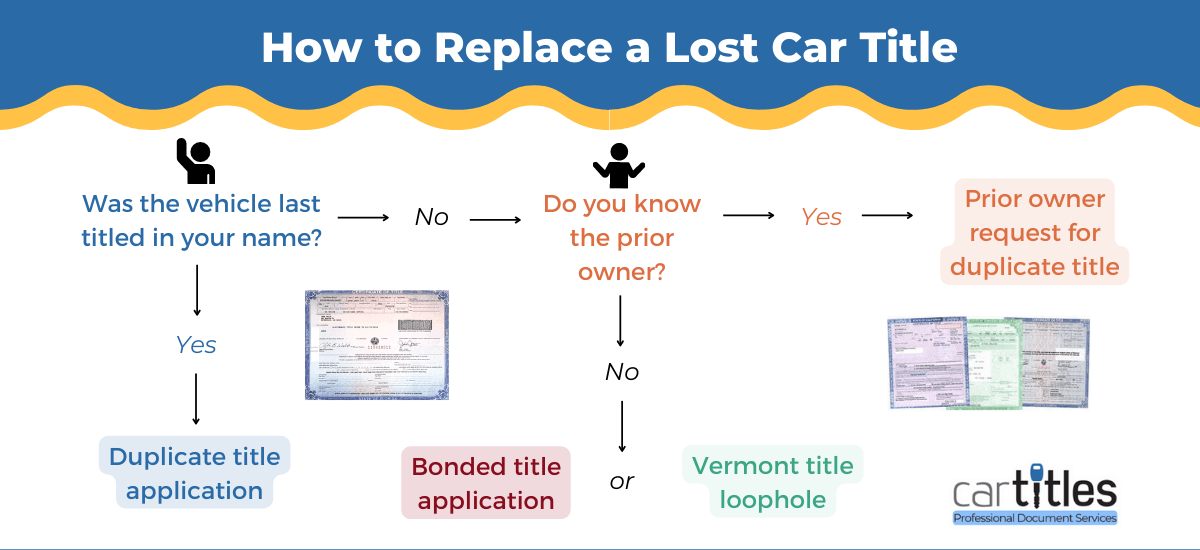
If you purchased a vehicle in Texas but did not receive a title from the seller, you will need to work with the seller to obtain it. If the seller is unable to produce the title, you may need to explore other options such as a bonded title, which is a more complex process that involves obtaining a surety bond.
Lost Title for a Vehicle with a Lien
If your vehicle has an active lien, the lienholder is typically considered the legal owner. In this case, the lienholder will need to be involved in the process of obtaining a replacement title. If the lien has been satisfied, you will need to provide proof of lien release along with your application.
Inheritance and Deceased Owners
If the registered owner of the vehicle is deceased, the process of transferring ownership and obtaining a replacement title will involve probate or other legal procedures. You will likely need to provide a death certificate and documentation proving your legal right to inherit the vehicle. Consulting with an attorney or the county clerk’s office for specific guidance is recommended in such cases.
Selling a Vehicle Without a Title
If you need to sell your vehicle and have lost the title, you must obtain a replacement title before you can legally transfer ownership. Attempting to sell a vehicle without a title can lead to significant legal issues for both the seller and the buyer.

Tips for Preventing Future Title Loss
- Store your title securely: Keep your vehicle title in a safe place, separate from your vehicle and other important documents. A fireproof safe at home is a good option.
- Make copies: Consider making a photocopy or taking a clear picture of your title for your records, but remember these are not legal substitutes for the original document.
- Transfer title promptly: If you sell your vehicle, ensure you transfer the title to the new owner as soon as possible to avoid any confusion or potential issues.
- Check your mail: Be vigilant about checking your mail for any important documents related to your vehicle, especially if you are expecting a title or registration renewal.
By understanding these steps and potential challenges, you can efficiently navigate the process of filing for a lost title in Texas, ensuring your vehicle ownership documentation remains in order. The TxDMV is committed to providing accessible services, and with the right preparation, obtaining a replacement title can be a manageable task.
LifeOutOfTheBox is a participant in the Amazon Services LLC Associates Program, an affiliate advertising program designed to provide a means for sites to earn advertising fees by advertising and linking to Amazon.com. Amazon, the Amazon logo, AmazonSupply, and the AmazonSupply logo are trademarks of Amazon.com, Inc. or its affiliates. As an Amazon Associate we earn affiliate commissions from qualifying purchases.