
Navigating the administrative tasks of relocation within the Lone Star State can often feel like traversing a vast prairie – expansive and sometimes daunting. Among these necessary transitions, updating your address on your Texas driver’s license is a crucial step. This process ensures that your official identification accurately reflects your current residency, which is vital for various aspects of daily life, from receiving mail to establishing local credentials. Whether you’ve just moved to a bustling metropolis like Houston or a charming small town, understanding the procedure for modifying your address on your Texas driver’s license is essential. This guide aims to demystify the process, offering clear, actionable steps to help you achieve this vital administrative task efficiently.
Understanding the Texas Driver’s License Address Change Requirements
The Texas Department of Public Safety (DPS), the governing body responsible for issuing and managing driver’s licenses, mandates that license holders update their address within a specific timeframe after relocating. This isn’t merely a suggestion; it’s a legal obligation. Failing to do so can lead to complications, including potential fines or issues when interacting with law enforcement or other state agencies.
Legal Obligations and Timeframes
In Texas, you are legally required to notify the DPS of any change of address within 30 days of moving. This 30-day window provides ample time to gather the necessary documentation and complete the update without undue stress. This requirement applies to all holders of a Texas driver’s license, regardless of whether it’s a standard license, a commercial driver’s license (CDL), or a provisional license. The purpose of this rule is to ensure that the DPS maintains accurate records, which is critical for public safety and efficient communication with license holders. For instance, official notices, renewal reminders, and other important correspondence from the DPS will be sent to the address on file. An outdated address could mean missing critical information, leading to further administrative burdens.
What Constitutes a Valid Address Change?
A valid address change for your Texas driver’s license pertains to your primary residence. This means the physical location where you habitually live and intend to remain for a significant period. It’s important to differentiate this from a temporary mailing address or a post office box, which generally cannot be used as your official residential address for a driver’s license. The DPS needs to verify your actual living situation within the state.
Methods for Updating Your Address on a Texas Driver’s License
The Texas DPS offers several convenient methods for updating your address, catering to different preferences and circumstances. Understanding these options will allow you to choose the most suitable approach for your situation.
Online Address Change: The Swift and Convenient Route
For many Texas residents, the quickest and most convenient way to update their address is through the Texas DPS official website. This online portal is designed for efficiency and can often be completed in a matter of minutes.
Steps for an Online Address Change
- Access the Official DPS Website: Navigate to the official Texas Department of Public Safety website. Look for the section dedicated to driver license services or address changes. The specific URL can be found by searching for “Texas DPS driver license address change.”
- Locate the Online Change of Address System: The DPS website typically features an online system for updating your address. You will likely need to create an account or log in if you already have one.
- Provide Necessary Information: You will be prompted to enter personal information to verify your identity. This typically includes your driver’s license number, date of birth, and potentially your Social Security number. You will also need to enter your new residential address accurately.
- Confirmation: Upon successful submission, you should receive a confirmation, either on-screen or via email, acknowledging your address change. It is advisable to print or save this confirmation for your records.
It is crucial to remember that an online address change primarily updates your mailing address with the DPS. It does not automatically issue a new physical driver’s license with your updated address printed on it. If you require a new license card reflecting your new address, you will need to follow a different process, which is discussed later in this guide.
In-Person Address Change: For a New License Card
If you desire a new driver’s license card that displays your updated address, you will need to visit a Texas DPS driver license office in person. This process involves a more comprehensive update and results in a new physical license being issued.
What to Bring to a DPS Office
- Proof of Identity: This can include your current Texas driver’s license or an out-of-state driver’s license.
- Proof of Texas Residency: You will need to provide at least one document that establishes your new address in Texas. Acceptable documents include utility bills (gas, electric, water) in your name, a lease agreement, a mortgage statement, or a bank statement. These documents must be recent, typically dated within the last 60-90 days.
- Proof of Social Security Number: Your Social Security card or an official document showing your SSN is usually required.
- Application for a Duplicate Driver’s License: You will need to fill out the necessary application form at the office.
The In-Person Process
Upon arrival at the DPS office, you will present your documents to a customer service representative. They will verify your information, take a new photograph, and collect any applicable fees. Once the process is complete, you will be issued a temporary driver’s license with your updated information, and your new permanent license card will be mailed to your new address within a few weeks. It is important to note that visiting a DPS office may require appointments, so it is recommended to check the Texas DPS website for information on scheduling and office wait times.
Change of Address by Mail: A Less Common Option
While less common and generally slower than the online or in-person methods, it is sometimes possible to change your address by mail. This option is typically reserved for individuals who are unable to complete the change online or in person.
Steps for Mail-In Address Change

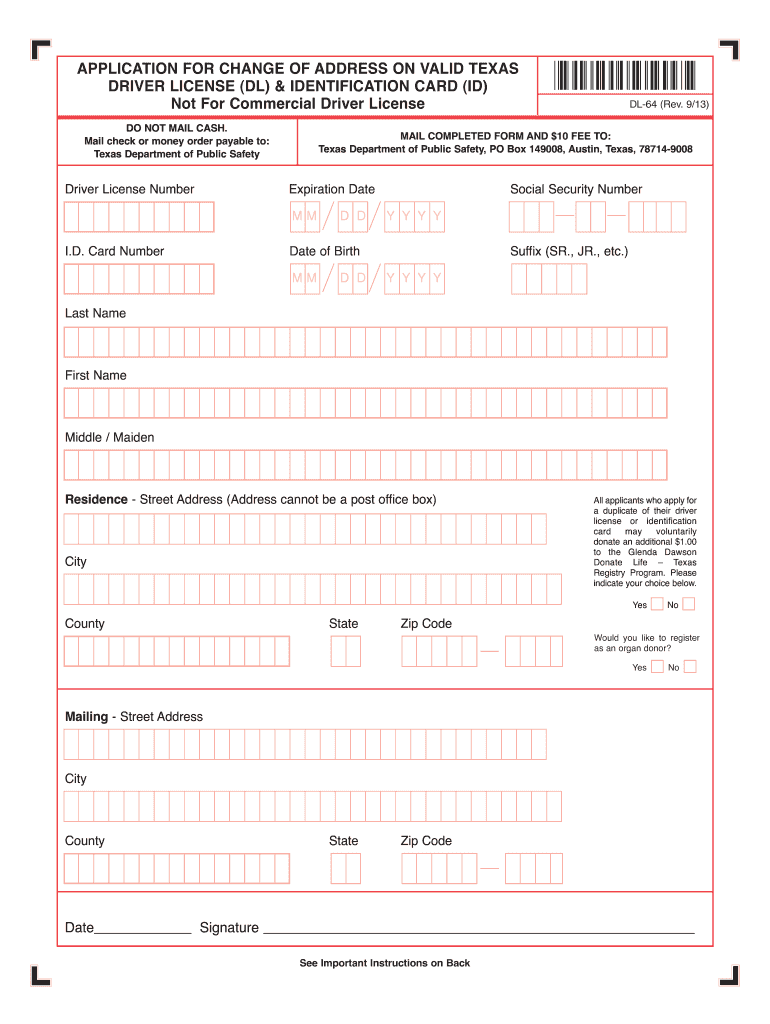
- Obtain the Necessary Form: You will need to download the correct Change of Address form from the Texas DPS website.
- Complete the Form Accurately: Fill out the form completely and legibly, ensuring all required fields are populated.
- Include Supporting Documents: You may need to include copies of documents proving your identity and new address, as specified on the form.
- Mail to the Designated Address: Send the completed form and any required documentation to the address provided on the form.
This method is generally the least efficient and carries a higher risk of delays or misplacement of documents. It is usually only recommended if other options are not feasible.
Key Considerations and Potential Pitfalls
While the process of changing your address on your Texas driver’s license is straightforward, there are several key considerations to keep in mind to ensure a smooth experience and avoid common pitfalls.
Address vs. Name Change
It’s important to distinguish between an address change and a name change. If you have recently changed your name due to marriage, divorce, or any other reason, this is a separate process that requires different documentation, such as a marriage certificate or court order, and will also necessitate an in-person visit to obtain a new license with your updated name.
Keeping Your Vehicle Registration Updated
Remember that updating your driver’s license address is only one part of the relocation process. You must also update your vehicle registration with the Texas Department of Motor Vehicles (DMV) to reflect your new address. This is a separate requirement and often involves a similar process of providing proof of residency. Failure to update your vehicle registration can lead to penalties and issues with your vehicle’s legal status in Texas.
The Importance of a Permanent Address
As mentioned earlier, the DPS requires a permanent residential address. Using a temporary forwarding address or a P.O. Box is not acceptable for your driver’s license. Ensure that the address you provide is where you genuinely reside.
What Happens if You Don’t Update Your Address?
Failing to update your address on your driver’s license within the mandated 30-day period can have several consequences:
- Missed Communications: You might miss important notices from the DPS, such as renewal reminders, suspension notices, or other official correspondence.
- Fines: In some cases, law enforcement may issue citations for failing to maintain an accurate address on your driver’s license.
- Legal Complications: An inaccurate address on your license could lead to complications in legal matters, such as traffic citations or accidents, where official notifications are sent to your registered address.
Special Cases and Additional Information
While the general procedures apply to most Texas residents, there are a few special cases and additional pieces of information that may be relevant.
Commercial Driver’s Licenses (CDLs)
Holders of Commercial Driver’s Licenses (CDLs) must adhere to the same address change requirements. The process is largely the same, but it’s always advisable to double-check specific requirements for CDLs on the Texas DPS website, as there might be nuances related to endorsements or specific endorsements. The notification of address change is critical for maintaining the validity of your CDL.
Provisional and Minor Licenses
For drivers under 18 who hold a provisional license, the address change process is similar. However, parental or guardian involvement may be necessary, depending on the specific circumstances and age of the minor. It is best to consult the DPS guidelines for minors to ensure all requirements are met.
Military Personnel and Their Families
Texas offers provisions for military personnel and their families stationed both within and outside the state. If you are in the military and have moved within Texas or are returning to Texas after an assignment elsewhere, specific rules regarding address updates and license validity might apply. Often, military members are given an extended grace period to update their licenses after an out-of-state assignment. It is crucial to consult the DPS for detailed information pertinent to your military status.
Out-of-State License Transfers
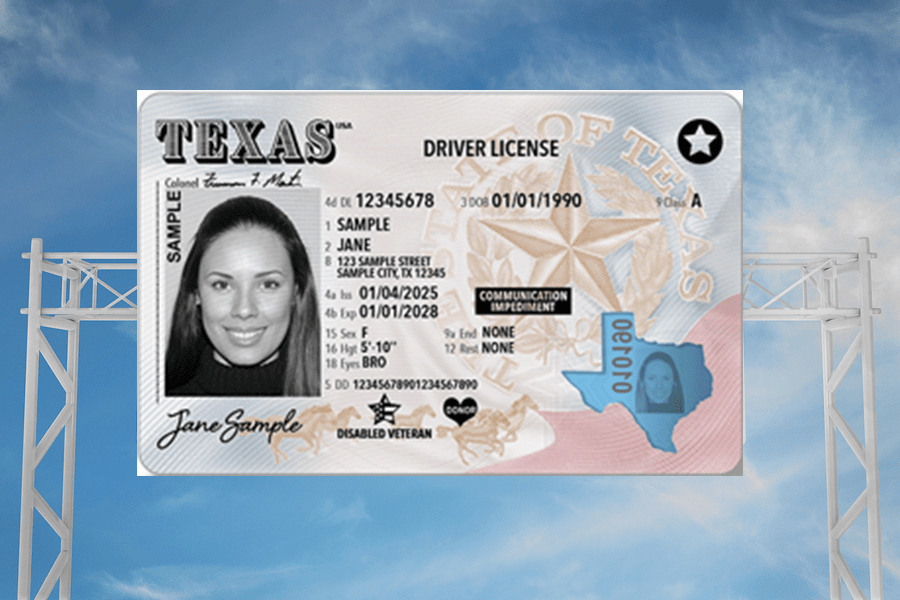
If you are moving to Texas from another state and have a valid driver’s license from that state, you will need to transfer it to a Texas driver’s license. This process inherently involves providing proof of your new Texas residency, thus updating your address as part of the initial licensing procedure. You will typically need your out-of-state license, proof of identity, Texas residency documents, and your Social Security number.
By staying informed and proactive, updating your address on your Texas driver’s license can be a seamless part of your relocation journey, ensuring you remain compliant with state regulations and maintain the accuracy of your essential identification.
LifeOutOfTheBox is a participant in the Amazon Services LLC Associates Program, an affiliate advertising program designed to provide a means for sites to earn advertising fees by advertising and linking to Amazon.com. Amazon, the Amazon logo, AmazonSupply, and the AmazonSupply logo are trademarks of Amazon.com, Inc. or its affiliates. As an Amazon Associate we earn affiliate commissions from qualifying purchases.