
Texas, a state steeped in a rich history of self-reliance and individual liberty, often conjures images of wide-open spaces and a deeply ingrained respect for the right to bear arms. For many, this right is not just a constitutional guarantee but a fundamental aspect of personal safety and a time-honored tradition. Navigating the legal framework for acquiring a firearm in the Lone Star State can seem complex, yet Texas has established a clear, albeit comprehensive, set of procedures designed to ensure responsible gun ownership. This guide aims to demystify the process, outlining the essential steps and considerations for legally obtaining a firearm in Texas.
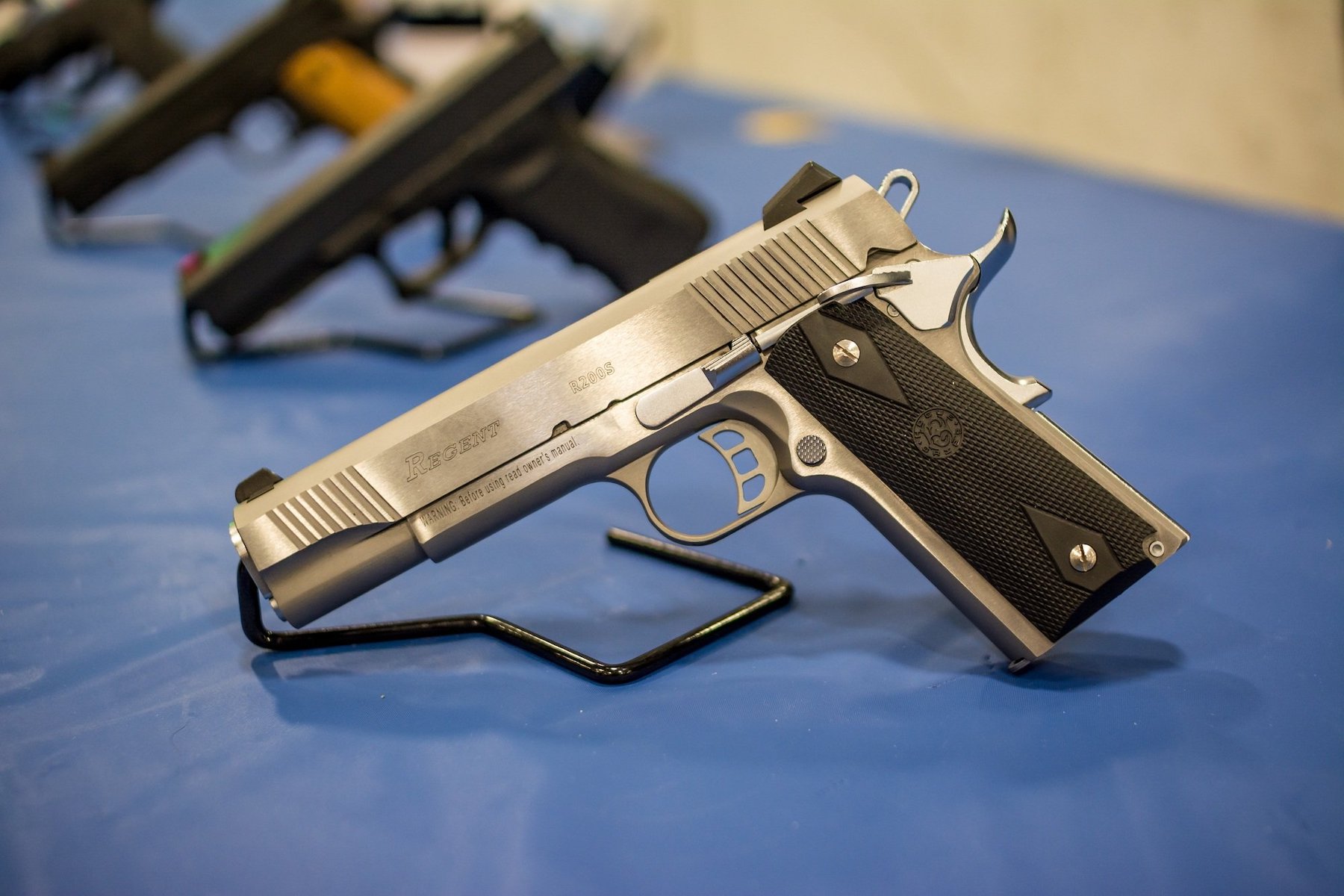
Understanding Texas Firearm Laws
Texas operates under a legal system that permits the ownership of firearms by eligible individuals, with specific regulations governing their purchase, possession, and use. The state largely adheres to federal firearm laws, which establish baseline requirements for gun sales and ownership, while also incorporating its own statutes. A crucial aspect of Texas law is its approach to open and concealed carry, which, while not directly part of the acquisition process, informs the broader context of firearm rights within the state.
Federal Eligibility Requirements
At the federal level, several criteria must be met to legally purchase a firearm from a licensed dealer. These requirements are designed to prevent firearms from falling into the hands of individuals who pose a risk to themselves or others.
- Age: Purchasers must be at least 18 years old to buy rifles and shotguns, and at least 21 years old to buy handguns from a licensed dealer.
- Residency: While Texas has specific requirements for its residents, federal law also necessitates that individuals purchasing firearms must generally reside in the state where the purchase is made.
- Criminal Record: Convicted felons, individuals convicted of domestic violence misdemeanors, and those subject to domestic violence restraining orders are prohibited from owning firearms. Furthermore, individuals who have been adjudicated as a mental defective or committed to a mental institution are also disqualified.
- Substance Abuse: Illegal drug users or unlawful users of controlled substances are prohibited from possessing firearms.
- Immigration Status: Non-U.S. citizens must meet specific requirements regarding their immigration status to legally purchase firearms.
- Dishonorable Discharge: Individuals who have received a dishonorable discharge from the U.S. Armed Forces are prohibited from owning firearms.
Texas-Specific Regulations
Beyond federal mandates, Texas has its own legislative framework that governs firearm transactions.
- Background Checks: All purchases of firearms from federally licensed firearm dealers (FFLs) in Texas require a background check through the National Instant Criminal Background Check System (NICS). This system is managed by the FBI and checks for disqualifying factors.
- Handgun Purchase Requirements: While federal law dictates the minimum age for handgun purchases from FFLs, Texas law does not impose additional waiting periods for firearm purchases. However, the process of a background check through NICS is mandatory.
- Long Gun Purchase Requirements: Similar to handguns, the purchase of rifles and shotguns from FFLs in Texas also mandates a background check via NICS. There are no state-imposed waiting periods.
The Purchase Process: Step-by-Step
Acquiring a firearm legally in Texas involves a structured process, whether you are buying from a licensed dealer or a private seller. Understanding these steps ensures compliance with the law and promotes responsible ownership.
Purchasing from a Licensed Firearm Dealer (FFL)
This is the most common and regulated method for acquiring a firearm.
- Visit a Licensed Dealer: Begin by visiting a reputable firearm dealer. These businesses are licensed by the Bureau of Alcohol, Tobacco, Firearms and Explosives (ATF) to sell firearms. Popular retailers include Cabela’s, Academy Sports + Outdoors, and numerous local gun shops across cities like Houston, Dallas, and San Antonio.
- Select Your Firearm: Choose the firearm that best suits your needs, whether it’s a handgun for self-defense, a rifle for sport shooting at ranges like the Texas Gun Club, or a shotgun for hunting in the vast Texas landscape.
- Complete ATF Form 4473: This is the cornerstone of the firearm purchase process. The “Firearms Transaction Record Part I—Federal” (ATF Form 4473) requires you to provide personal information, answer questions about your eligibility to own a firearm, and certify the truthfulness of your statements. It is critical to answer all questions accurately, as providing false information is a federal offense.
- Undergo the NICS Background Check: The dealer will then initiate a NICS background check. This process typically takes a few minutes, though it can sometimes be delayed for further review or, in rare cases, require an in-person interview.
- Receive Your Firearm: If the background check is approved, and you have met all other legal requirements, the dealer will transfer the firearm to you.
Purchasing from a Private Seller
Texas law also allows for private firearm sales between individuals, provided neither party knows or has reasonable cause to believe that the buyer is prohibited from possessing firearms under federal or state law.

- Federal Law and Private Sales: Federal law does not require private sellers to conduct background checks. However, it is illegal for a private seller to knowingly sell a firearm to someone who is prohibited by law from possessing one.
- Buyer Responsibility: The responsibility lies with the buyer to ensure they are legally eligible to own a firearm. If a buyer is unsure about their eligibility, they can voluntarily undergo a background check by visiting an FFL and requesting a check for a fee.
- State Law Nuances: While Texas law permits private sales without mandatory background checks, it is always advisable for both parties to exercise due diligence. Some individuals choose to conduct sales at an FFL to ensure a formal background check is performed, adding an extra layer of legal security.
Types of Firearm Ownership in Texas
Texas offers several avenues for legally possessing firearms, catering to different needs and preferences.
Handgun Carry
Texas law permits eligible individuals to carry handguns, both openly and concealed, under specific circumstances.
- License to Carry (LTC): Obtaining a License to Carry a Handgun (LTC) allows for both concealed and open carry of handguns. The application process involves a written examination, a proficiency demonstration, and a background check. Handgun License holders are often afforded greater privileges, including carrying in more locations than those who carry without a license.
- Constitutional Carry (Permitless Carry): As of September 1, 2021, Texas enacted “constitutional carry,” allowing eligible individuals to carry a handgun, openly or concealed, without a license. To qualify for permitless carry, individuals must meet the same eligibility requirements as those seeking an LTC, including being at least 21 years old and not being prohibited from possessing a firearm due to a criminal record or other disqualifying factors.
Long Gun Ownership
Rifles and shotguns are generally easier to acquire and possess in Texas, with fewer restrictions on open carry for these types of firearms, provided the individual is legally allowed to own them.
Essential Considerations for Responsible Gun Ownership
Acquiring a firearm is only the first step in responsible gun ownership. Education, safe storage, and adherence to laws are paramount.
Firearm Safety and Training
- Safety Courses: It is highly recommended that all new firearm owners enroll in a firearm safety course. These courses teach fundamental principles of safe gun handling, storage, and marksmanship. Organizations like the National Rifle Association (NRA) offer certified courses.
- Proficiency: Regular practice at a shooting range is crucial for maintaining proficiency and ensuring safe operation of the firearm. Many ranges across Texas, such as Big Shot Ranch or smaller local facilities, provide training and practice opportunities.
Safe Storage
- Preventing Unauthorized Access: Safe storage is critical to preventing accidental shootings and unauthorized access to firearms, especially by children. This includes using gun safes, trigger locks, or other secure storage devices.
- Texas Laws on Storage: While Texas does not have a statewide “safe storage” law that mandates specific actions for all firearm owners, responsible gun owners prioritize secure storage to prevent accidents and theft.

Legal Responsibilities
- Know the Law: It is the responsibility of every firearm owner to be intimately familiar with all federal, state, and local laws pertaining to firearm ownership, possession, and use. Ignorance of the law is not a defense.
- Prohibited Persons: Understanding who is prohibited from owning firearms is essential. This includes individuals with felony convictions, domestic violence convictions, or those who have been adjudicated as mentally defective.
Acquiring a firearm in Texas is a right afforded to eligible citizens, underpinned by a legal framework designed to balance this right with public safety. By understanding the eligibility requirements, the purchasing process, and the responsibilities that come with gun ownership, Texans can navigate this process effectively and ensure they become safe and lawful firearm owners. Whether for sport, collection, or personal protection, the journey to gun ownership in Texas is one that demands knowledge, diligence, and a commitment to safety.
LifeOutOfTheBox is a participant in the Amazon Services LLC Associates Program, an affiliate advertising program designed to provide a means for sites to earn advertising fees by advertising and linking to Amazon.com. Amazon, the Amazon logo, AmazonSupply, and the AmazonSupply logo are trademarks of Amazon.com, Inc. or its affiliates. As an Amazon Associate we earn affiliate commissions from qualifying purchases.