
The crisp mountain air, the scent of pine, and the promise of fresh powder — for skiers and snowboarders, the start of the ski season is a highly anticipated event. In a state synonymous with world-class winter sports, Colorado offers a diverse range of experiences, from the challenging steeps of Aspen Snowmass to the family-friendly slopes of Keystone Resort. But when exactly does this exhilarating season kick off? The answer, as with many things in the mountains, is a blend of science, tradition, and a touch of luck.
The Science of Snow: Understanding Early Season Conditions
The commencement of the Colorado ski season is intrinsically linked to the arrival of consistent snowfall and the ability of resorts to maintain suitable skiing and riding conditions. While early snowstorms can certainly paint the peaks white, it’s the sustained cold temperatures and accumulating snowpack that truly signal the readiness of the slopes.
Snowfall Patterns and Climate Data
Meteorologists and ski resort operators closely monitor snowfall patterns throughout the autumn months. Historical data plays a crucial role in predicting potential opening dates. For instance, understanding the average first snowfall dates for different elevations and regions within Colorado helps set expectations. Resorts at higher elevations, like Telluride Ski Resort or Steamboat Ski Resort, typically receive snow earlier and can often open their doors sooner than those at lower altitudes.
Temperature and Snowmaking Capabilities
Beyond natural snowfall, temperature is a critical factor. Resorts rely heavily on snowmaking technology to supplement natural snow and ensure a quality experience, especially in the crucial early weeks of the season. Consistent temperatures below freezing (32°F or 0°C) are necessary for snow guns to operate effectively. Even with advanced snowmaking, a solid base of natural snow is preferred for opening day to provide a more authentic and enjoyable skiing experience, protecting both the groomed runs and the underlying terrain. Many resorts aim to have a base of at least 12 inches of packed snow before opening, a benchmark that combines natural accumulation and snowmaking efforts.
El Niño and La Niña Influences
Global weather patterns, such as El Niño and La Niña, can significantly influence Colorado‘s winter weather and, consequently, the ski season’s start. A strong El Niño year often brings wetter conditions to Colorado, potentially leading to earlier and more abundant snowfall. Conversely, La Niña can sometimes result in drier conditions, which might delay the opening of some resorts or lead to more reliance on snowmaking. While these are broad trends, they are closely watched by the ski industry for forecasting purposes.
Key Dates and Resort Strategies
While nature dictates much of the season’s beginning, ski resorts employ strategic planning and marketing to announce their opening dates, often building anticipation among eager skiers.
Traditional Opening Weeks
Historically, the Colorado ski season begins in mid-November. Several resorts have become known for their early starts, often vying for the title of “first to open.” These early birds typically include resorts in the northern and central mountains, benefiting from slightly cooler average temperatures. Resorts like Arapahoe Basin and Loveland Ski Area are frequently among the first, partly due to their high elevations and commitment to opening as soon as conditions permit.
Resort-Specific Opening Day Announcements
Each resort sets its own opening date based on its specific conditions and operational readiness. These announcements are highly anticipated and are usually made through the resort’s official website, social media channels, and newsletters. Factors influencing a resort’s decision include the depth and quality of the snowpack, the operational status of lifts and trails, and the availability of staff. Resorts also consider the marketing impact of their opening date, aiming for a day that maximizes excitement and attracts early-season visitors. Some resorts may opt for a “soft opening” with limited terrain, while others wait until they can offer a more comprehensive experience.
The Importance of Weather Forecasting
Beyond general climate patterns, short-term weather forecasts are paramount in the final weeks leading up to a potential opening. A strong snowstorm predicted for early November can prompt a resort to firm up its opening date, while a warm spell could lead to a delay. This dynamic approach ensures that resorts open only when they can guarantee a safe and enjoyable experience.
Planning Your Early Season Colorado Ski Trip
For those eager to hit the slopes as soon as the season begins, meticulous planning is key. Understanding when resorts typically open, what to expect in terms of conditions, and how to make the most of the early season can enhance the overall experience.
Choosing the Right Resort for an Early Start
When planning an early season trip, selecting a resort known for its early opening and reliable snow conditions is advisable. Higher elevation resorts are generally a safer bet. Arapahoe Basin, often referred to as “The Legend,” is renowned for its commitment to early openings and its challenging terrain, making it a popular choice for dedicated skiers and snowboarders. Loveland Ski Area is another consistent early opener, offering a more laid-back atmosphere and extensive intermediate terrain. For those seeking a slightly different experience, Copper Mountain is also a strong contender, often opening around the same time.
What to Expect on the Slopes
Early season skiing in Colorado can offer a unique set of experiences. While the entire mountain may not be open, the available terrain is often well-groomed and provides an excellent opportunity to tune up skills and get back into the rhythm of skiing or snowboarding. Conditions can vary, with some days offering firm, fast groomers and others, following a storm, providing delightful pockets of fresh powder. It’s essential to manage expectations: early season is more about quality over quantity, focusing on the joy of being back on the snow.
Booking and Travel Considerations
Booking accommodations and travel in advance is always recommended, especially if you are targeting a specific opening weekend. Early season can be a more budget-friendly time to visit Colorado‘s ski towns compared to peak holiday periods. Many resorts offer lodging packages that can include lift tickets, encouraging early visits. Consider the accessibility of your chosen resort from major airports like Denver International Airport (DEN). While ski towns like Vail and Aspen are iconic, for an early season trip, focusing on resorts closer to Denver might simplify logistics and reduce travel time, allowing for more time on the slopes.
Beyond Opening Day: Sustaining the Season
The start of the ski season is just the beginning of what Colorado offers. The ongoing success of the season depends on continued snowfall, effective snow management, and the evolution of resort offerings throughout the winter months.
The Role of Snow Grooming
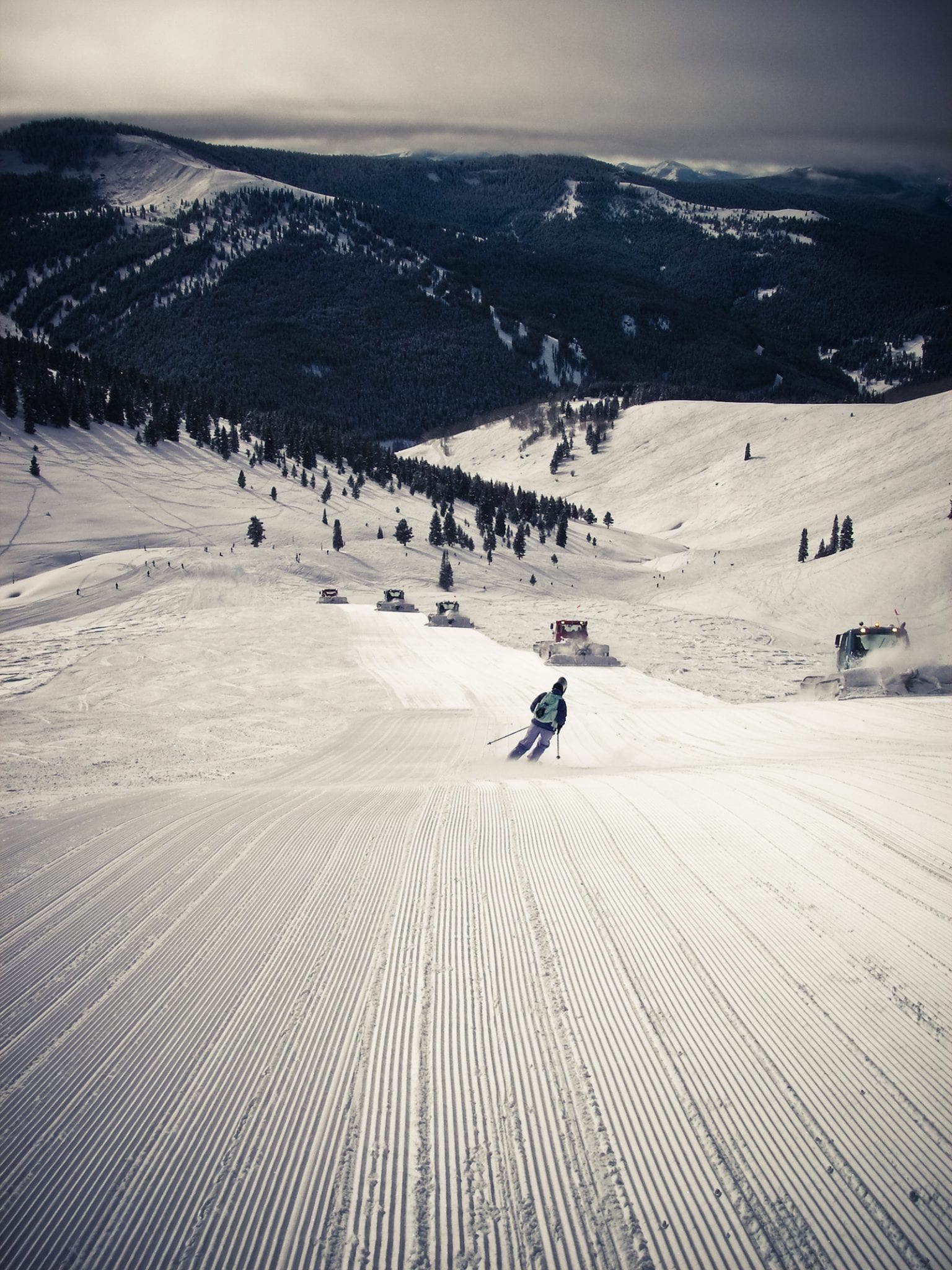
Once the season is underway, the role of snow grooming becomes paramount. Ski patrol and grooming teams work tirelessly to maintain the quality of the slopes, especially on the open runs. They groom the snow overnight to create smooth, corduroy surfaces for the next day’s skiing. As natural snowfall varies, grooming helps to create consistent conditions and maximize the skiable terrain. Resorts invest heavily in state-of-the-art grooming equipment to ensure the best possible experience for their guests, regardless of the immediate weather.
Expanding Terrain and Events
As the season progresses and more snow accumulates, resorts gradually open more of their terrain. This includes more challenging black diamond runs, off-piste areas, and advanced terrain parks. Resorts also begin to host a variety of events, from World Cup races at venues like Beaver Creek to local competitions, live music, and family-friendly activities. These events add another layer of excitement and draw to the Colorado ski experience, extending its appeal beyond just the skiing and snowboarding itself.
The Long-Term Outlook for Colorado Skiing
The future of the Colorado ski season is influenced by a complex interplay of climate change, technological advancements, and the enduring appeal of winter sports. While concerns about warming temperatures exist, the state’s high elevation and the industry’s commitment to innovation in snowmaking and sustainable practices offer a hopeful outlook. The dedication of resorts to providing world-class skiing experiences, combined with the natural beauty and allure of the Rocky Mountains, ensures that Colorado will remain a premier destination for skiers and snowboarders for seasons to come. The start of the ski season, whenever it may arrive, is always a celebration of winter’s embrace and the thrilling adventures that await on the snow-covered slopes.
LifeOutOfTheBox is a participant in the Amazon Services LLC Associates Program, an affiliate advertising program designed to provide a means for sites to earn advertising fees by advertising and linking to Amazon.com. Amazon, the Amazon logo, AmazonSupply, and the AmazonSupply logo are trademarks of Amazon.com, Inc. or its affiliates. As an Amazon Associate we earn affiliate commissions from qualifying purchases.