
Navigating the landscape of Texas, whether for leisure or a more extended stay, often involves understanding and adhering to various registration requirements. While the term “registration block” can evoke images of bureaucratic hurdles, it typically refers to processes necessary for legal residency, vehicle ownership, or specific business operations within the Lone Star State. This guide aims to demystify these procedures and provide actionable insights for individuals and businesses looking to operate seamlessly within Texas. Our focus is on understanding the core principles and common scenarios that might lead to a perceived “block,” and how to proactively address them to ensure a smooth transition into life or business in Texas.

Understanding Texas Registration Requirements
Texas, a vast and diverse state, has established a framework of regulations designed to ensure public safety, maintain order, and facilitate state-wide operations. These regulations often necessitate some form of registration, whether it’s for personal vehicles, business entities, or even specific professional licenses. Understanding the why behind these requirements can make the process feel less like an impediment and more like a standard part of integrating into the state.
Vehicle Registration: A Texas Essential
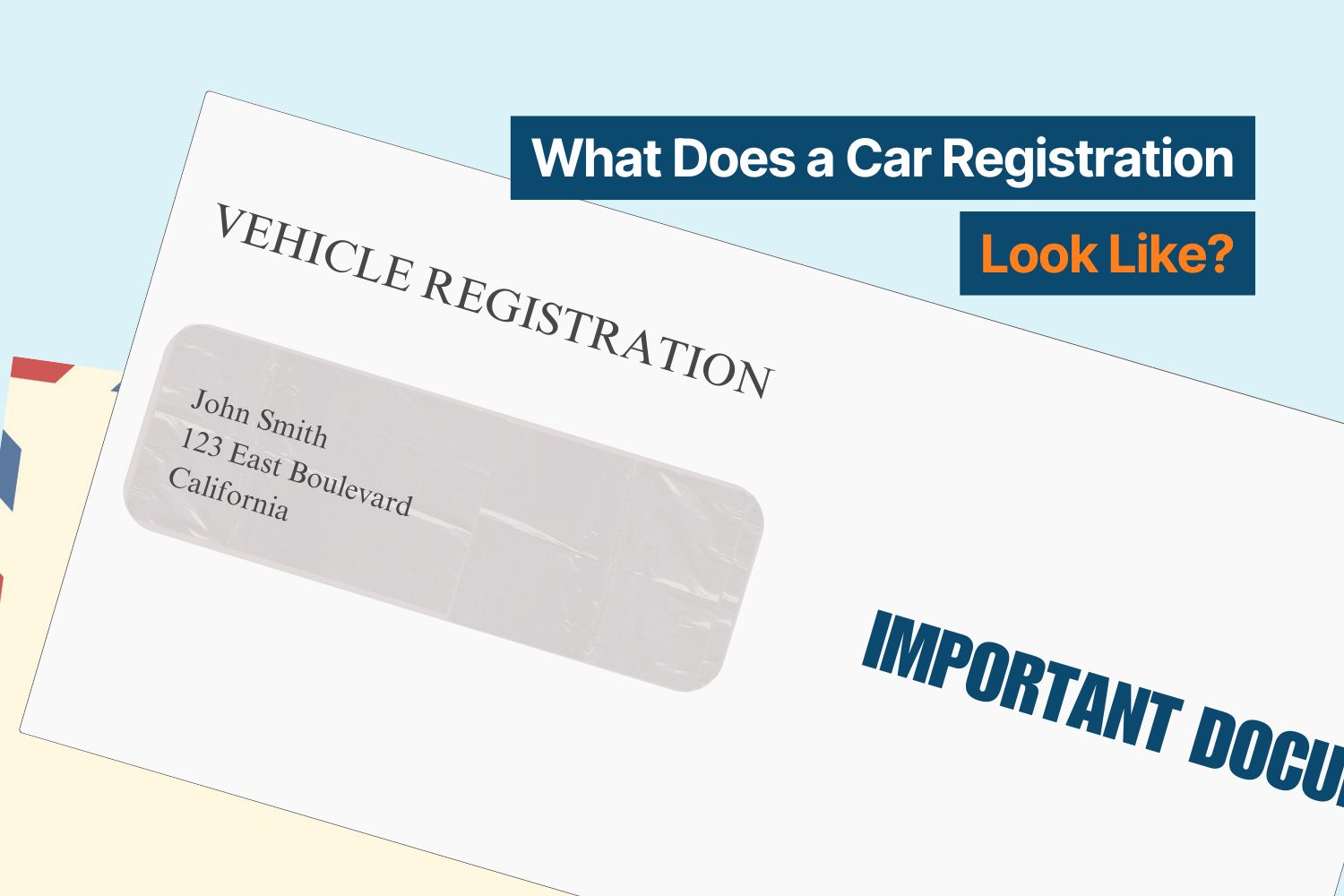
One of the most common registration requirements for residents and visitors who plan to stay longer is vehicle registration. Texas law mandates that any vehicle operated within the state must be registered with the Texas Department of Motor Vehicles (TxDMV). This process ensures that vehicles are roadworthy and that their owners are identifiable for licensing and insurance purposes.
The Initial Steps
- Proof of Ownership: You’ll need to provide documentation like a title or bill of sale.
- Proof of Texas Insurance: This is a mandatory requirement for all vehicles.
- Vehicle Inspection: Texas operates an annual vehicle safety inspection program. Before you can register your vehicle, it must pass this inspection at a certified inspection station. This ensures your vehicle meets safety standards.
- Residency Verification: For new Texas residents, proof of residency is typically required, such as a utility bill or a lease agreement.
Addressing Potential Blocks
A “registration block” in this context often arises from incomplete documentation, failure to pass the inspection, or issues with insurance. To overcome these:
- Ensure all documents are up-to-date and accurate. Double-check names, VIN numbers, and dates.
- Address inspection failures promptly. Get any necessary repairs done and re-inspect.
- Verify insurance policy details. Ensure it meets Texas minimum requirements and is active.
- Contact the TxDMV directly if you encounter persistent issues. They can provide specific guidance tailored to your situation.
Business Registration: Setting Up Shop in Texas
For entrepreneurs and established companies looking to expand their operations into Texas, business registration is a crucial step. Texas offers a business-friendly environment, but this also comes with its own set of registration protocols. The primary entity responsible for business registration is the Texas Secretary of State.
Types of Business Structures
The registration process varies depending on the legal structure of your business:
- Sole Proprietorships and General Partnerships: Often require less formal registration at the state level, though local business licenses or permits might be necessary.
- Limited Liability Companies (LLCs) and Corporations: These require filing formation documents with the Texas Secretary of State. This process establishes the legal entity and allows it to operate within the state.
Navigating the Filing Process
- Choosing a Business Name: Ensure your chosen name is available and not already in use by another registered entity. The Secretary of State’s office provides a tool for name availability searches.
- Filing Formation Documents: For LLCs, this is the Certificate of Formation. For corporations, it’s the Certificate of Incorporation. These documents outline the fundamental details of your business.
- Registered Agent: You must designate a registered agent with a physical Texas address to receive official correspondence.
- Federal Employer Identification Number (EIN): While not a state registration, obtaining an EIN from the Internal Revenue Service (IRS) is essential for most businesses for tax purposes.
Overcoming Registration Challenges
A “registration block” for businesses might occur due to:
- Incorrectly filed documents: Minor errors can cause delays or rejections. Carefully review all information before submission.
- Name conflicts: If your desired name is already taken, you’ll need to select an alternative.
- Unmet requirements for specific industries: Certain businesses may require additional licenses or permits from state agencies beyond the basic business registration. For example, a restaurant might need health permits from the Texas Department of State Health Services, and a financial services firm would need to comply with specific regulations.
It is highly recommended to consult with a legal professional or a business registration service to ensure all filings are accurate and compliant.
Specific Scenarios and Solutions

Beyond general vehicle and business registration, there are other contexts where individuals might encounter “registration blocks” in Texas. These can range from specific permits for activities to residency requirements for certain benefits or services.
Professional Licensing and Permits
Texas has licensing requirements for a wide array of professions, including healthcare practitioners, educators, engineers, and many trades. If your profession requires a license, failure to obtain or maintain it can be considered a “registration block” to practicing legally.
Key Considerations
- Licensing Boards: Each profession is typically overseen by a specific state licensing board (e.g., the Texas Medical Board for physicians, the Texas Board of Professional Engineers and Land Surveyors for engineers).
- Application Process: This usually involves submitting an application, providing proof of education and experience, passing examinations, and adhering to ethical standards.
- Continuing Education: Many licenses require ongoing professional development to remain valid.
Resolving Licensing Issues
- Thoroughly research requirements for your specific profession well in advance.
- Submit all required documentation accurately and completely.
- Be aware of renewal deadlines and continuing education requirements.
- Contact the relevant licensing board directly for clarification or assistance.
Residency and Voter Registration
For individuals establishing residency in Texas, understanding the requirements for state services, such as obtaining a driver’s license or registering to vote, is important.
Driver’s License and ID Cards
If you are a new resident and plan to drive in Texas, you are generally required to obtain a Texas Driver’s License or ID card within a specified timeframe (typically 90 days). This process involves:
- Proof of Identity and Social Security Number.
- Proof of Texas Residency.
- Passing a vision test and a driving test (if applicable).
A “registration block” here might occur if you cannot adequately prove your Texas residency or identity.
Voter Registration
To vote in Texas elections, you must be a registered voter. This requires:
- Being a U.S. citizen.
- Being a resident of Texas.
- Being at least 17 years old (you can register at 17 but can’t vote until you’re 18).
- Not have been finally convicted of a felony, or if so, have completed all the terms of your sentence, including any parole or probation.
Voter registration deadlines are in place before each election. Missing these deadlines is a common reason for not being able to vote in a particular election.
Navigating Special Event Permits
Organizing events in Texas, from community gatherings to large festivals, often requires permits from local or state authorities. Failure to secure these permits before an event can lead to cancellations or fines, effectively acting as a “block” to your plans.
Common Permit Needs
- Alcoholic Beverage Permits: For events serving alcohol, issued by the Texas Alcoholic Beverage Commission (TABC).
- Health Permits: For food service at events, often managed by local health departments.
- Special Event Permits: For street closures, noise variances, or public assembly, usually handled by city or county governments.
Proactive Planning
- Identify the types of permits needed for your specific event early in the planning process.
- Contact the relevant municipal or county offices well in advance. Permit application processes can be lengthy.
- Understand the specific requirements and potential fees associated with each permit.
By approaching Texas’s registration requirements with a clear understanding and a proactive mindset, individuals and businesses can effectively navigate any perceived “blocks” and fully integrate into the dynamic landscape of the Lone Star State. Whether you’re planning a road trip that extends into a residency, or establishing a new enterprise in Dallas or Houston, diligent preparation and accurate information are your most valuable assets.
LifeOutOfTheBox is a participant in the Amazon Services LLC Associates Program, an affiliate advertising program designed to provide a means for sites to earn advertising fees by advertising and linking to Amazon.com. Amazon, the Amazon logo, AmazonSupply, and the AmazonSupply logo are trademarks of Amazon.com, Inc. or its affiliates. As an Amazon Associate we earn affiliate commissions from qualifying purchases.