
For many travelers venturing into the vibrant world of international cuisine, particularly Japanese food, sushi can present an intriguing yet sometimes intimidating landscape. A common question that arises, especially for those new to sushi or with a preference for cooked ingredients, revolves around the iconic California Roll: does it contain raw fish? The simple and reassuring answer for many is, typically, no. The California Roll stands as a testament to culinary adaptation and a welcoming gateway into sushi culture, often foregoing raw seafood in favor of cooked or vegetarian components, making it an excellent choice for tourists exploring local food scenes without diving headfirst into uncharted waters.

Unpacking the Culinary Icon: The California Roll’s Origins
The story of the California Roll is a fascinating chapter in the annals of global gastronomy, illustrating how local culture and palates can shape and redefine traditional dishes. Far from its perceived ancient origins, this popular sushi roll is a relatively modern invention, born out of a desire to introduce sushi to a broader, initially skeptical, Western audience. Understanding its genesis offers valuable insight into its composition and why it became such a widespread phenomenon.
A Fusion of Flavors and Cultures
The precise origin of the California Roll is debated, with strong claims coming from both Los Angeles, United States, and Vancouver, Canada. One popular narrative attributes its creation to Chef Ichiro Mashita of the Tokyo Kaikan restaurant in Los Angeles in the late 1960s or early 1970s. Faced with customers who were unaccustomed to and often wary of consuming raw fish, Mashita ingeniously substituted tuna with avocado, aiming to mimic the texture and richness while sidestepping the raw component. Another influential figure often cited is Chef Hidekazu Tojo, who claims to have created the “Tojo Roll” (which evolved into the California Roll) in Vancouver around the same time, using cooked crab and avocado and deliberately hiding the nori (seaweed) on the inside to make it more appealing to Western diners.
Regardless of its exact birthplace, the intent behind its creation was clear: to bridge cultural culinary gaps. It was an innovative approach to making sushi more approachable and palatable for those unfamiliar with or resistant to the idea of eating raw fish. This adaptation highlights a key aspect of tourism and local culture—the dynamic interplay between tradition and innovation, where new environments foster unique culinary expressions. The California Roll quickly became a staple, beloved for its mild flavor profile and familiar ingredients, carving out a niche as the quintessential “starter sushi” for many.
The Anatomy of a Classic
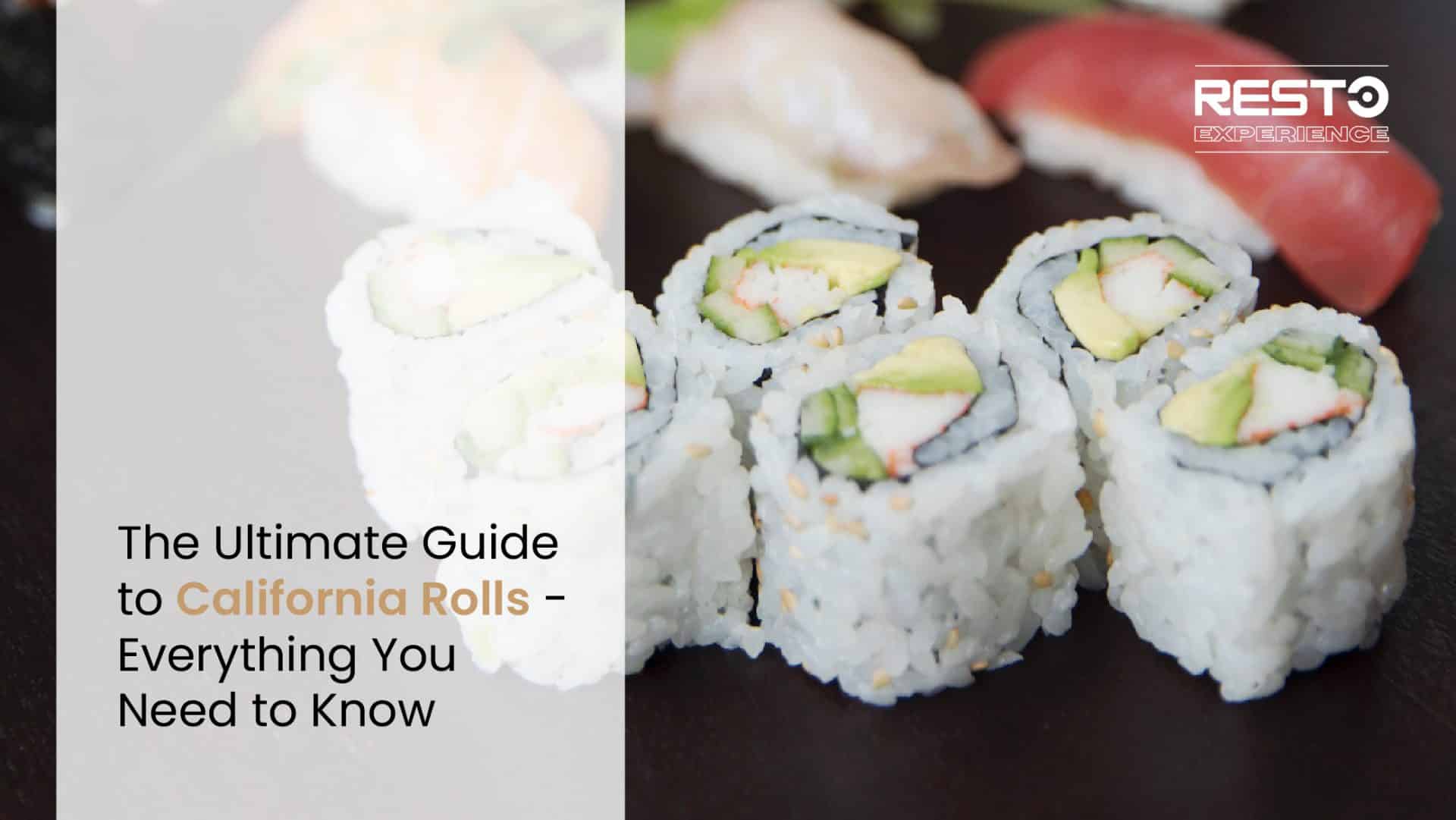
A traditional California Roll is defined by a consistent set of ingredients that prioritize cooked and fresh components over raw seafood. The core elements typically include:
- Imitation Crab (Surimi): This is perhaps the most defining ingredient. Surimi is a processed seafood product made from various white-fleshed fish (often pollock), which is deboned, minced, washed, and then combined with other ingredients like starch, egg whites, and flavorings to mimic the taste and texture of crab meat. Crucially, surimi is always cooked during its production process, rendering the crab component in a California Roll entirely free of raw fish.
- Avocado: Providing a creamy texture and rich, buttery flavor, avocado was a brilliant addition, offering a satisfying mouthfeel that complemented the surimi and rice. Its vibrant green also adds visual appeal.
- Cucumber: Sliced thinly, cucumber introduces a refreshing crunch and a subtle, clean flavor that balances the richness of the avocado and crab.
- Nori (Seaweed): The toasted seaweed wrapper holds the ingredients together. In the case of the California Roll, it is often found on the inside (an uramaki style roll), with the rice on the outside, a deliberate choice by some early creators to make the roll visually less intimidating for those unaccustomed to black seaweed.
- Sushi Rice: The foundational element of all sushi, this short-grain white rice is seasoned with vinegar, sugar, and salt, giving it its characteristic slightly tangy flavor.
- Sesame Seeds (or Tobiko/Masago): Often sprinkled on the outside of the rice, sesame seeds add a nutty flavor and a pleasing texture. Sometimes, small fish roe like tobiko (flying fish roe) or masago (capelin roe) are used; while these are typically pasteurized or marinated and not “raw fish” in the same sense as sashimi-grade tuna, their inclusion might be a consideration for some diners, though they are usually a garnish.
The genius of the California Roll lies in its combination of textures and flavors, all while meticulously avoiding raw fish. This makes it an invaluable option for tourists seeking to engage with Japanese culinary traditions without the barrier of raw seafood, opening doors to a wider exploration of food culture.
Decoding Sushi Terminology for Travelers
For travelers keen on exploring local food scenes, understanding basic culinary terms can significantly enhance the experience, especially when navigating a menu in a foreign language or unfamiliar cuisine. Sushi, often misunderstood as universally raw fish, is a prime example where clarity in terminology is key to an enjoyable and informed dining adventure.
Raw vs. Cooked: Understanding the Nuances
The biggest misconception surrounding sushi is that it invariably means “raw fish.” This is far from the truth, and a crucial distinction for any tourist. The term “sushi” itself refers to dishes made with vinegared rice, not necessarily raw fish. This means a wide array of sushi options feature cooked seafood, vegetables, or other ingredients.
- Sushi: This umbrella term encompasses any dish made with sushi rice. It can include:
- Nigiri: Slices of fish or seafood (raw or cooked) pressed over small mounds of sushi rice.
- Maki Rolls: Rice and fillings wrapped in nori seaweed. This category includes the California Roll.
- Temaki: Hand-rolled cones of nori filled with rice and various ingredients.
- Inari: Sushi rice stuffed into seasoned fried tofu pockets.
- Sashimi: This specifically refers to thinly sliced raw fish or seafood, served without rice. This is where the raw element is most prominent, and it is distinct from sushi.
- Chirashi: A bowl of sushi rice topped with an assortment of raw fish, seafood, and vegetables.
By understanding that “sushi” primarily denotes the preparation of rice, travelers can confidently explore menus, knowing that many options will cater to a preference for cooked ingredients. Rolls often provide the greatest variety in this regard, with numerous permutations using cooked components.
Common Ingredients in Sushi Rolls
Beyond the well-known California Roll, many other popular sushi rolls and dishes feature entirely cooked or vegetarian fillings, making them perfect choices for tourists who prefer to avoid raw fish:
- Tempura Shrimp Roll: Features crispy, deep-fried shrimp (tempura) as its main filling, often with avocado and cucumber. The shrimp is thoroughly cooked.
- Unagi Roll: Made with grilled freshwater eel (unagi), which is typically basted with a sweet, savory sauce (unagi sauce) and fully cooked. The smoky, rich flavor of unagi is a delicacy.
- Cooked Salmon or Tuna Rolls: Many establishments offer rolls with cooked salmon or tuna, often mixed with mayonnaise or other seasonings, providing a familiar taste without the raw aspect.
- Tamago Nigiri/Rolls: Tamago is a slightly sweet, layered Japanese omelet. It’s a completely cooked egg product, often served as nigiri or included in larger rolls.
- Vegetarian Rolls: Options like avocado rolls, cucumber rolls, asparagus rolls, or rolls with various pickled vegetables are widely available and offer fresh, healthy, and entirely non-raw choices.
- Philadelphia Roll: While it sometimes contains raw salmon, many versions use smoked salmon (which is cured, not raw in the same way) along with cream cheese and cucumber, appealing to a different Western palate.
The diversity of ingredients means that virtually anyone, regardless of their comfort level with raw fish, can find delicious and authentic sushi options. This knowledge empowers tourists to be more adventurous and informed when encountering sushi menus, transforming a potential culinary challenge into an exciting opportunity for discovery.
Navigating Sushi Menus as a Tourist
Stepping into a sushi restaurant, whether in a bustling Japanese metropolis or a vibrant neighborhood in Los Angeles, can be an exhilarating part of a travel experience. For those with specific dietary preferences, like avoiding raw fish, navigating the menu effectively is paramount to ensuring an enjoyable meal. Equipped with a little knowledge and a few practical tips, any tourist can confidently order and savor the experience.
Tips for First-Timers and Raw Fish Skeptics
For newcomers to sushi or those who prefer cooked options, a strategic approach to menu exploration can make all the difference:
- Read Menu Descriptions Carefully: Most reputable sushi restaurants, especially those catering to international tourists, will provide detailed descriptions of their rolls and dishes. Look for keywords like “tempura,” “grilled,” “cooked,” “smoked,” or specific ingredient names like “eel” (unagi), “crab” (often imitation crab), “shrimp,” “chicken,” or “vegetable.”
- Don’t Hesitate to Ask Your Server: When in doubt, the waitstaff are your best resource. Politely ask for recommendations for rolls that do not contain raw fish. Phrases like “Does this contain raw fish?” or “Can you recommend any cooked rolls?” are perfectly acceptable and common. In many tourist-heavy destinations, staff will be accustomed to such inquiries.
- Start with Familiar Ingredients: If you’re hesitant, begin with rolls that feature ingredients you already enjoy, such as avocado, cucumber, or cooked shrimp. The California Roll, with its universally appealing flavor profile and cooked components, remains an excellent starting point.
- Explore Uramaki (Inside-Out Rolls): While not exclusively raw-fish-free, many uramaki rolls (where the rice is on the outside) were popularized in the West precisely to make sushi more palatable, and often feature cooked fillings.
- Consider Appetizers and Other Japanese Dishes: Many sushi restaurants offer a broader menu that includes cooked appetizers like edamame, gyoza (dumplings), tempura, or yakitori (grilled skewers), which can complement your sushi choices or serve as a delicious meal on their own.
By being proactive and informed, tourists can avoid any potential discomfort and fully embrace the culinary adventure that sushi offers, even without venturing into raw fish.
Regional Variations and Local Delicacies
One of the joys of food tourism is discovering how local cultures adapt global cuisines. Sushi, while originating in Japan, has undergone countless transformations as it spread across the world. These regional variations often reflect local tastes, available ingredients, and cultural preferences, making the journey of discovery even more exciting.
- Global Adaptations: In the United States and Canada, rolls like the California Roll, Philadelphia Roll (cream cheese and smoked salmon), and various “fusion” rolls incorporating local ingredients or cooking styles are incredibly popular. These are prime examples of how food evolves to fit new environments. In Brazil, you might find rolls with cream cheese and fried banana, while in Hawaii, spam musubi is a beloved local twist.
- Japanese Purity vs. Innovation: While traditional sushi in Japan often emphasizes the purity of fresh, raw fish, even there, cooked options like unagi (eel), tamago (egg), and various vegetable rolls are common. Tourists exploring Japan might find more emphasis on seasonal fish and subtle preparations, but accessible cooked options are always available.
- Encouraging Exploration: The diversity means that a “sushi experience” can vary dramatically from one city to another, or even from one restaurant to the next. Tourists should embrace this variety, using it as an opportunity to sample unique interpretations and local delicacies. Don’t be afraid to try a “local special” once you’ve confirmed its ingredients, as it often reveals a chef’s creativity and cultural influences.
Understanding these variations enriches the dining experience, transforming a simple meal into a deeper engagement with the local culture and its dynamic relationship with global food trends.
Beyond the Plate: The Cultural Significance of Sushi
Food is never just sustenance; it is a profound expression of culture, history, and community. For travelers, engaging with local cuisine like sushi offers a unique window into the heart of a destination, providing more than just flavors but also insights into traditions, social customs, and the fabric of daily life.
Sushi Etiquette and Dining Experiences
Part of the charm of dining in a sushi restaurant, particularly in traditional settings, lies in understanding and appreciating the associated etiquette. While many rules are flexible, especially in more casual or Westernized establishments, a basic awareness can enhance your dining experience and show respect for the local culture.
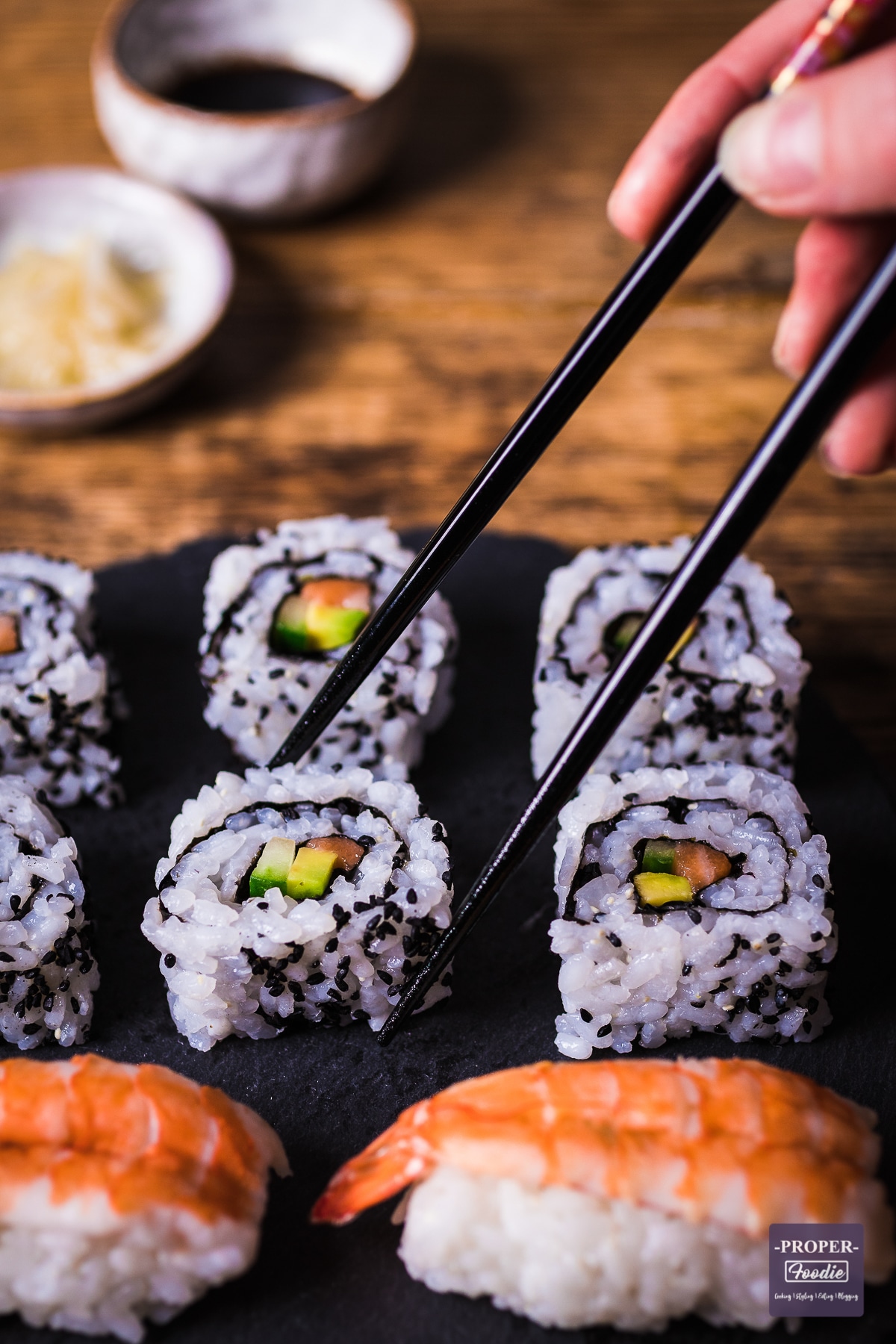
- Chopsticks: While using chopsticks is common, it’s perfectly acceptable to eat nigiri sushi with your hands. Avoid rubbing chopsticks together or sticking them upright in rice.
- Soy Sauce: Use soy sauce sparingly, if at all, for sushi. It’s generally intended for sashimi. For nigiri, dip the fish side (not the rice side) into the soy sauce to avoid soaking the rice and altering its flavor.
- Ginger (Gari): The thinly sliced pickled ginger is meant as a palate cleanser between different types of sushi, not to be eaten with the sushi itself.
- Wasabi: Wasabi (green horseradish paste) is often already included between the fish and rice in nigiri. If you add more, do so sparingly, and avoid mixing it directly into your soy sauce bowl, which is considered uncouth by some traditionalists.
- Ordering: In more traditional settings, it’s common to order a few pieces at a time rather than a large platter all at once, allowing the chef to serve fresh sushi as you eat.
These small nuances, when observed, can transform a meal into a more immersive cultural experience, connecting you more deeply with the traditions surrounding the food you’re enjoying. It’s a polite nod to the craft and history embedded in each dish.
Expanding Your Culinary Horizons
The journey of exploring food, whether through the familiar comfort of a California Roll or the adventurous leap into more exotic dishes, is an integral part of travel. For tourists, food offers an accessible and immediate connection to local culture, serving as a powerful medium for understanding and appreciation.
Embracing the diverse world of sushi, with its myriad of cooked and raw options, allows travelers to tailor their culinary adventures to their comfort level. It demonstrates that being an adventurous eater doesn’t always mean pushing boundaries to their extreme, but rather being informed, open-minded, and willing to try new things within one’s comfort zone. From the beginner-friendly California Roll to the sophisticated art of sashimi, each dish tells a story, offering a unique taste of its origin and the creativity of its creators. So, next time you encounter a sushi menu, remember that an entire world of flavors awaits, ready to be discovered, one vinegared rice creation at a time.
LifeOutOfTheBox is a participant in the Amazon Services LLC Associates Program, an affiliate advertising program designed to provide a means for sites to earn advertising fees by advertising and linking to Amazon.com. Amazon, the Amazon logo, AmazonSupply, and the AmazonSupply logo are trademarks of Amazon.com, Inc. or its affiliates. As an Amazon Associate we earn affiliate commissions from qualifying purchases.