
Understanding the process of obtaining Distinctive Vehicle (DV) plates in Texas is essential for many vehicle owners seeking to personalize their automobiles and express their individuality. These specialized license plates, often referred to as specialty plates or personalized plates, offer a way to stand out from the standard Texas plates while also potentially supporting various causes or displaying affiliations. The Texas Department of Motor Vehicles (TxDMV) oversees the issuance of all license plates, including DV plates, ensuring compliance with state regulations. This comprehensive guide will navigate you through the eligibility requirements, application process, costs, and benefits associated with acquiring DV plates in the Lone Star State, aiming to make your journey towards a personalized vehicle as seamless as possible.
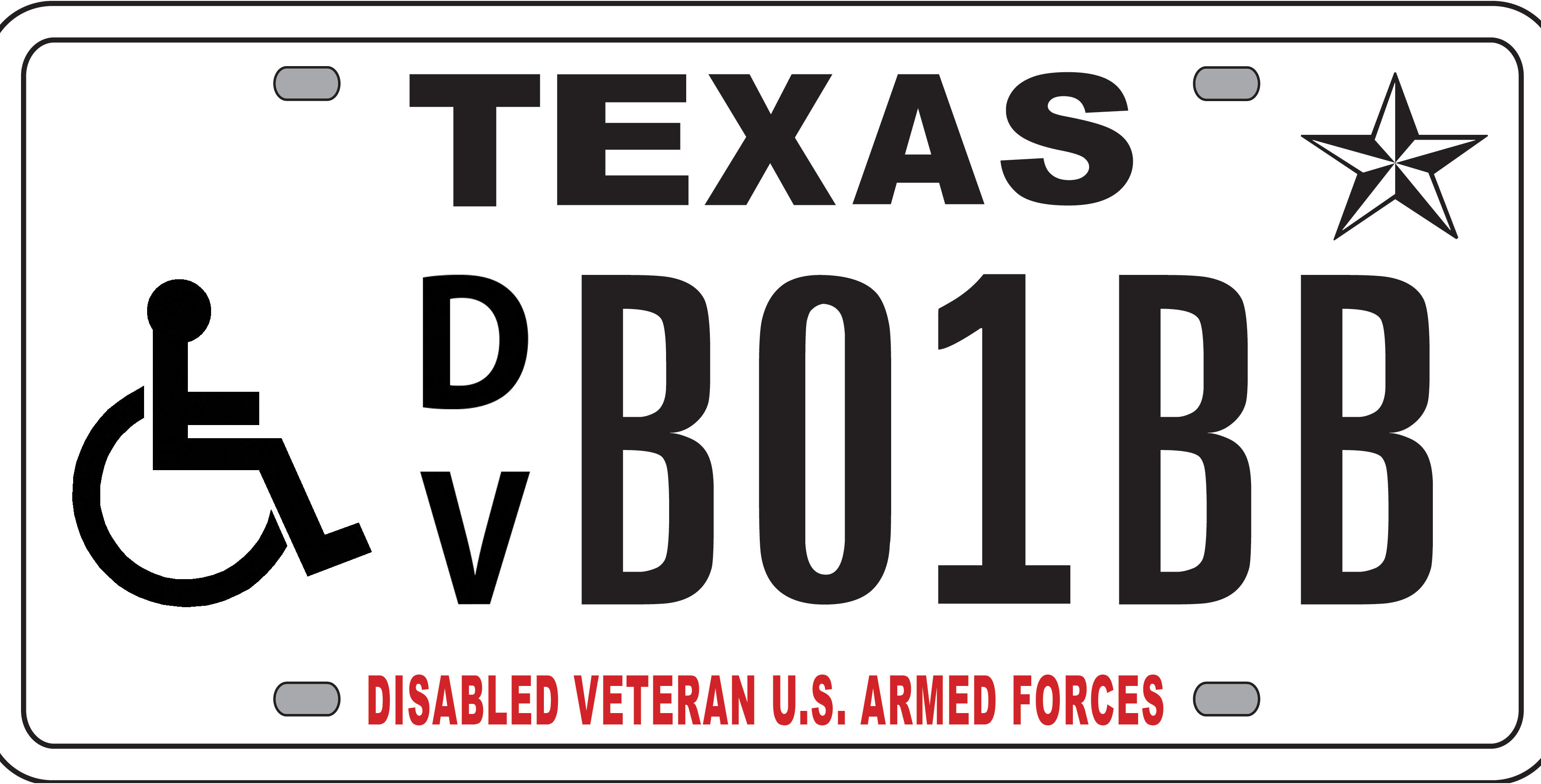
Understanding Distinctive Vehicle (DV) Plates in Texas
Distinctive Vehicle plates, in the context of Texas, encompass a broad category of specialty license plates that differ from the standard issue plates. This category can include plates that are:
- Personalized Plates: Allowing owners to select their own alphanumeric combinations or designs, within certain restrictions.
- Organizational/Affiliation Plates: Supporting specific groups, universities, professional organizations, or charitable causes. These often feature unique designs reflecting the sponsoring entity.
- Themed Plates: Designed around specific interests, hobbies, or iconic symbols of Texas or other themes.
- Handicapped Plates: Though often categorized separately, these also represent a form of distinctive identification for eligible individuals.
The primary allure of DV plates lies in their ability to personalize a vehicle, transforming it from a mere mode of transportation into a statement of identity, interest, or support. For residents of Texas, the availability of a wide array of DV plate designs means there is likely an option to suit almost any preference. It’s important to note that while the term “DV plates” is often used colloquially for any non-standard plate, the TxDMV officially categorizes them under specialty and personalized plate programs.
Types of Distinctive Plates Available
The TxDMV offers a diverse range of specialty plates. These can broadly be categorized by their purpose or the entity they represent:
Plates Supporting Causes and Organizations
A significant portion of DV plates are designed to support various charitable organizations, educational institutions, and state agencies. When you purchase one of these plates, a portion of the fee typically goes directly to the designated organization, allowing you to contribute to a cause you care about simply by driving your vehicle. Examples include:
- University of Texas Plates: Supporting various University of Texas System institutions.
- Texas Parks and Wildlife Foundation Plates: Contributing to the conservation of Texas natural resources.
- Special Olympics Texas Plates: Benefiting athletes with intellectual disabilities across the state.
- Veterans Plates: Honoring military service members and veterans.
Personalized Plates (Vanity Plates)
For those who wish to create a truly unique identifier for their vehicle, personalized plates offer the ultimate customization. These plates allow you to choose your own letter and number combination, subject to certain restrictions:
- Character Limit: Typically, a maximum of seven characters, though this can vary.
- Prohibited Content: Combinations that are offensive, misleading, or confusingly similar to existing government designations are not allowed.
- Availability: You must check if your desired combination is available through the TxDMV website.
Themed and General Interest Plates
Beyond specific organizations, numerous DV plates cater to general interests and themes that resonate with Texans. These can range from designs celebrating Texas heritage and culture to those representing hobbies and passions.
Eligibility Requirements
To obtain DV plates in Texas, you must meet certain eligibility criteria, which are generally straightforward:
- Vehicle Registration: The vehicle for which you are requesting DV plates must be currently registered in Texas. You cannot apply for DV plates for a vehicle that is not registered or is registered in another state.
- Proof of Ownership: You will need to provide proof of ownership for the vehicle.
- Compliance with State Laws: The vehicle must be in compliance with all applicable Texas motor vehicle laws.
- Specific Plate Requirements: Some specialty plates may have additional specific requirements. For example, certain plates might require proof of membership in a particular organization or service in a specific branch of the military.
The Application Process: Step-by-Step
Securing your DV plates in Texas involves a clear, multi-step process, primarily managed through your local county tax assessor-collector’s office or online through the TxDMV portal.
Step 1: Choose Your Plate Design and Type
The first and perhaps most exciting step is selecting the DV plate that best suits your preferences.
- Browse Available Designs: The TxDMV website features a comprehensive gallery of all available specialty plates. You can filter these by category, such as environmental, education, sports, military, or personalized.
- Personalized Plate Configuration: If you opt for a personalized plate, use the online tool to check the availability of your desired character combination and to preview how it will look. Be prepared with a few alternative choices in case your first selection is unavailable.
- Consider Sponsoring Organization: If your chosen plate supports a specific organization or cause, research that organization to understand the impact of your contribution.
Step 2: Gather Necessary Documentation
Before you begin the formal application, ensure you have all the required documents readily available. This typically includes:
- Current Vehicle Registration: Proof that your vehicle is registered in Texas.
- Proof of Insurance: Valid Texas vehicle liability insurance.
- Identification: A valid Texas driver’s license or ID card.
- Application Form: You will need to complete the official TxDMV application form for specialty plates. This can usually be downloaded from the TxDMV website or obtained at your local county tax office.
- Payment: Be prepared to pay the applicable fees.
Step 3: Submit Your Application
There are two primary methods for submitting your DV plate application:
Applying In-Person at a County Tax Assessor-Collector’s Office
This is the most common and often the most straightforward method for many Texans.
- Locate Your Local Office: Find the nearest county tax assessor-collector’s office. You can usually find a directory on the TxDMV website or your county’s official website.
- Complete the Application: Fill out the specialty plate application form accurately.
- Present Documentation: Provide all the required documents to the county clerk.
- Pay Fees: Pay the applicable registration renewal fees, specialty plate fees, and any administrative charges.
- Receive Temporary Plates (if applicable): In some cases, you might receive temporary plates while your permanent DV plates are being manufactured.
Applying Online or by Mail
While in-person applications are common, the TxDMV also facilitates online and mail-in applications for certain processes, particularly for renewals and specific plate types.
- Visit the TxDMV Website: Navigate to the official TxDMV website. Look for sections related to “Specialty Plates” or “Personalized Plates.”
- Follow Online Instructions: The website will guide you through the process. For personalized plates, you can often check availability and even place an order directly online.
- Download Forms: If applying by mail, download the necessary application forms, complete them, and mail them with payment and supporting documents to the address provided by the TxDMV.

Step 4: Receiving Your DV Plates
Once your application is approved and processed, your new DV plates will be manufactured.
- Delivery Time: The delivery time can vary, but typically it can take anywhere from 4 to 8 weeks from the date of approval. This timeframe can be longer for highly customized or newly introduced plate designs.
- Receiving by Mail: Your new plates will usually be mailed directly to your registered address.
- Transferring Plates: If you are replacing existing plates on a currently registered vehicle, you will need to surrender your old plates when you receive and affix your new DV plates.
Costs and Fees Associated with DV Plates
The financial aspect of acquiring DV plates in Texas involves several components. It’s important to understand these costs upfront to budget accordingly.
Base Registration Fees
In addition to specialty plate fees, you will still be responsible for the standard vehicle registration fees. These fees vary based on:
- Vehicle Type: Passenger cars, trucks, motorcycles, and RVs have different fee structures.
- Vehicle Weight: For trucks, weight is a significant factor in determining registration costs.
- County of Residence: Some counties may have slight variations in registration fees.
- Annual vs. Biennial Registration: Most vehicles can opt for annual or biennial registration, impacting the upfront cost.
Specialty Plate Fees
Beyond the base registration, each specialty plate carries an additional annual or one-time fee. These fees are often designated for specific purposes:
- Annual Specialty Plate Fee: Most DV plates require an annual fee in addition to your regular registration renewal. This fee can range from $20 to $50 or more per year, depending on the plate type.
- One-Time Specialty Plate Fee: Some plates might have a one-time issuance fee, especially for unique or limited-edition designs.
- Personalized Plate Surcharge: Personalized (vanity) plates often incur a separate annual surcharge on top of the general specialty plate fee. This surcharge can range from $25 to $100 annually.
- Administrative Fees: Your county tax assessor-collector’s office may charge a small administrative fee for processing the application.
How Fees Support Causes
A significant portion of the fees collected for many DV plates is directly remitted to the sponsoring organization. This financial contribution is a core benefit of choosing these plates, allowing vehicle owners to support causes they believe in with every registration renewal. For example, a portion of the fee for a Texas Parks and Wildlife Foundation plate goes towards wildlife conservation efforts in the state.
Benefits and Considerations of DV Plates
Opting for DV plates offers more than just aesthetic appeal. There are practical and emotional benefits to consider, alongside a few important points to keep in mind.
Personal Expression and Affiliation
The most immediate benefit is the ability to personalize your vehicle. Whether you want to showcase your alma mater pride, support a favorite charity, express a hobby, or simply have a unique message on your plate, DV plates provide that opportunity. They can be conversation starters and a way to connect with others who share similar interests or affiliations.
Supporting Causes
As mentioned, many DV plates directly contribute to worthy causes. This provides a passive yet consistent way to support organizations dedicated to education, conservation, animal welfare, veterans’ support, and many others. It’s a tangible way to make a difference through your daily routine.
Potential for Increased Visibility
While not a primary goal, certain DV plates can increase the visibility of specific organizations or causes. This can help raise awareness and encourage further support from the wider community.
Considerations Before Applying
- Cost: The additional annual fees for DV plates can add up over time. It’s crucial to factor these costs into your vehicle ownership budget, especially when renewing your registration.
- Availability of Desired Design: While Texas has a vast selection, your absolute dream plate design might not be available, or a desired personalized combination might already be taken.
- Resale Value: While a DV plate might appeal to a specific buyer, it’s not guaranteed to significantly increase a vehicle’s resale value. In some cases, a buyer might prefer standard plates and require you to switch them back.
- Plate Damage or Loss: If your DV plates are damaged or lost, you will need to go through the replacement process, which involves fees and paperwork, similar to obtaining new standard plates.
Maintaining Your DV Plates and Registration
Once you have successfully acquired your DV plates, maintaining their validity is as straightforward as managing standard plates, with a few added considerations related to the specialty nature of your plates.
Annual Registration Renewal
Your DV plates, like all Texas license plates, are tied to your vehicle’s registration. You must renew your vehicle registration annually, or biennially if applicable, before it expires. During the renewal process, you will:
- Pay Registration Fees: This includes the standard registration fees.
- Pay Specialty Plate Fees: You will also pay the annual surcharge for your specialty plate. This ensures that the sponsoring organization continues to receive its portion of the fee.
- Maintain Insurance: Proof of valid Texas vehicle liability insurance is mandatory for renewal.
Transferring DV Plates to a New Vehicle
If you purchase a new vehicle and wish to transfer your DV plates to it, the process is generally similar to transferring standard plates. You will typically need to:
- Visit Your County Tax Assessor-Collector’s Office: You cannot usually do this online.
- Provide Documentation: Bring your new vehicle’s title or bill of sale, proof of insurance for the new vehicle, and your current DV plates.
- Complete Application: You will need to fill out a transfer of registration form.
- Pay Fees: There will be applicable transfer fees and potentially new registration fees for the new vehicle, depending on its classification and your county.
- Surrender Old Plates: You will surrender your old plates at the office.

Replacing Lost or Damaged Plates
Accidents or wear and tear can lead to damaged or lost plates. If this happens to your DV plates:
- Report Loss/Theft: If plates are stolen, report it to your local law enforcement.
- Visit County Office: Go to your local county tax assessor-collector’s office.
- Request Replacements: You will need to complete an application for replacement plates.
- Pay Fees: There is a fee for replacement plates. This fee covers the cost of manufacturing new plates, and often includes the annual specialty plate fee if you are close to your renewal period.
By understanding the requirements, process, and ongoing responsibilities, obtaining and maintaining DV plates in Texas can be a rewarding experience, allowing you to personalize your ride while contributing to the vibrant fabric of the Lone Star State.
LifeOutOfTheBox is a participant in the Amazon Services LLC Associates Program, an affiliate advertising program designed to provide a means for sites to earn advertising fees by advertising and linking to Amazon.com. Amazon, the Amazon logo, AmazonSupply, and the AmazonSupply logo are trademarks of Amazon.com, Inc. or its affiliates. As an Amazon Associate we earn affiliate commissions from qualifying purchases.