
Navigating the open roads of Texas on a motorcycle is a quintessential American experience. From the vast plains of the Panhandle to the vibrant energy of Austin and the historic charm of San Antonio, the Lone Star State offers a diverse tapestry of landscapes and cultures to explore. However, before you feel the wind in your hair and the rumble of the engine beneath you, obtaining the proper motorcycle license is a non-negotiable first step. This guide will walk you through the essential process of acquiring your Texas motorcycle license, ensuring your journey on two wheels is both exhilarating and legal.
Understanding Motorcycle Licensing in Texas
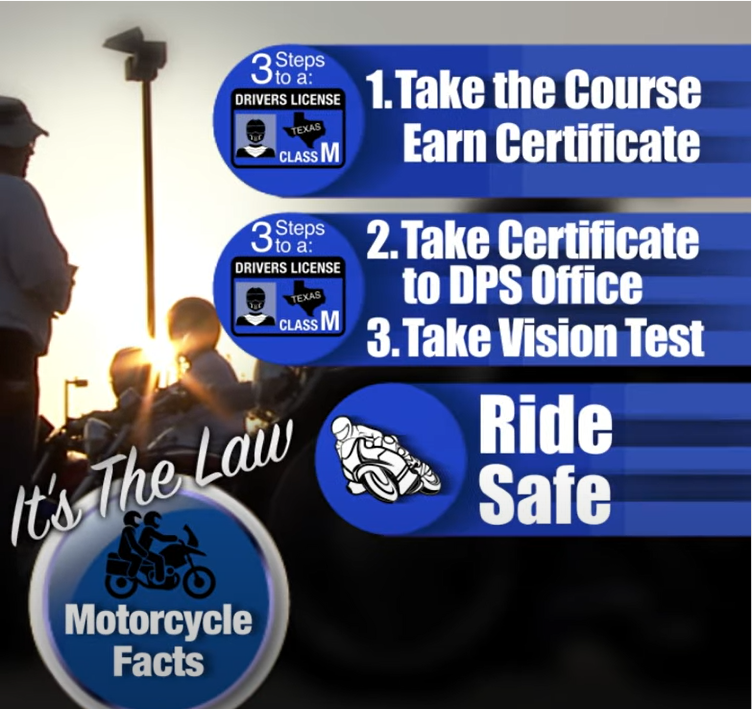
The Texas Department of Public Safety (DPS) oversees the issuance of all driver’s licenses, including those for motorcycles. The process is designed to ensure that riders possess the necessary skills and knowledge to operate a motorcycle safely. There are specific requirements and steps you must follow, which vary slightly depending on your age and prior driving experience.
Age and Licensing Requirements
The minimum age to obtain a motorcycle license in Texas is 15 years old. However, individuals under 18 face additional requirements designed to foster safe riding habits from the outset.
Under 18 Years Old
For riders younger than 18, a provisional driver’s license is a prerequisite for obtaining a motorcycle license. This means you must first complete the requirements for a standard provisional driver’s license, which includes a driver education course and passing the driving test.
Once you have your provisional driver’s license, you will need to:
- Complete a Motorcycle Safety Course: This is a mandatory and crucial step. The state of Texas requires all individuals under 18 to successfully complete an approved motorcycle operator training course. These courses provide comprehensive instruction on motorcycle operation, safe riding techniques, hazard perception, and accident prevention. Successful completion typically results in a waiver for the riding skills test at the DPS.
- Pass the Knowledge Test: You will still need to pass a written knowledge test administered by the DPS, which covers motorcycle laws, traffic signs, and safe riding practices specific to motorcycles.
- Obtain a Learner’s Permit (Class M): Before you can get your full license, you’ll need a motorcycle learner’s permit. This permit allows you to practice riding under specific supervision requirements. To get this permit, you must pass the knowledge test and meet vision and hearing standards.
- Hold Permit for 6 Months: You must hold your motorcycle learner’s permit for at least six months before you can apply for a full Class M license. During this period, you are subject to certain restrictions, such as not riding at night or with passengers.
- Pass the Driving Test (if applicable): While successful completion of a safety course waives the riding skills test, there might be instances where a driving test is still required. It’s always best to confirm this with the Texas DPS directly.
18 Years Old and Older
For individuals 18 years of age or older, the process is generally more straightforward, though motorcycle safety is still paramount.
- Motorcycle Safety Course (Highly Recommended): While not strictly mandatory for adults, completing an approved motorcycle safety course is highly recommended. Many insurance providers offer discounts for completing such courses, and more importantly, it significantly enhances your riding skills and knowledge, leading to safer rides.
- Pass the Knowledge Test: You will need to pass the motorcycle knowledge test at a Texas DPS driver license office. This test assesses your understanding of motorcycle laws and safe riding practices.
- Obtain a Learner’s Permit (Class M): Similar to younger applicants, you will start with a motorcycle learner’s permit. This requires passing the knowledge test and meeting vision and hearing requirements. The permit allows you to practice riding.
- Pass the Riding Skills Test: For adults who have not completed an approved motorcycle safety course, passing a riding skills test at a DPS driver license office or an authorized third-party testing facility is mandatory. This test evaluates your ability to control the motorcycle in various maneuvers. If you have completed a motorcycle safety course, you typically receive a waiver for this test.
- Apply for the Full Class M License: After meeting all the above requirements, you can apply for your official Class M (motorcycle) license.
The Motorcycle Safety Course: Your Ticket to Safer Riding
The motorcycle safety course is arguably the most critical component of the licensing process, especially for younger riders. These courses are not just about passing a test; they are about instilling a mindset of safety and competence on two wheels.
Approved Motorcycle Operator Training Courses
The Texas DPS approves several motorcycle operator training courses. The most widely recognized are:
- Basic RiderCourse (BRC): This is designed for novice riders with little to no experience. It covers fundamental riding skills, basic maneuvers, and hazard avoidance.
- Basic RiderCourse 2 (BRC2) / Intermediate RiderCourse: For riders with some experience, this course builds upon basic skills and introduces more advanced techniques.
- Advanced RiderCourse (ARC): This course is for experienced riders looking to refine their skills and learn advanced techniques for further safety and control.
When choosing a course, ensure it is state-approved. You can find a list of approved providers on the Texas DPS website. These courses are typically offered at various locations across the state, including community colleges, private training centers, and sometimes even at Texas DPS driver license offices.
Benefits of Taking a Safety Course
Beyond meeting the licensing requirements, enrolling in a motorcycle safety course offers numerous benefits:
- Skill Development: Learn proper techniques for starting, stopping, turning, cornering, and emergency maneuvers.
- Hazard Perception: Develop the ability to identify and react to potential dangers on the road.
- Risk Management: Understand how to assess and mitigate risks associated with motorcycle riding.
- Insurance Discounts: Many insurance companies offer significant discounts to riders who have completed an approved safety course.
- Waiver of Riding Test: As mentioned, successful completion often waives the need to take the riding skills test at the DPS.
- Increased Confidence: Gaining proficiency and knowledge can boost your confidence and make your rides more enjoyable.
The Application Process: Step-by-Step
Once you have familiarized yourself with the requirements and potentially completed a safety course, it’s time to navigate the application process.

Step 1: Prepare Your Documents
Before heading to the DPS, gather all necessary documentation. This typically includes:
- Proof of Identity: A valid birth certificate, U.S. passport, or other state-issued identification.
- Proof of Social Security Number: Your Social Security card or other official documentation.
- Proof of Texas Residency: Utility bills, lease agreements, or bank statements showing your Texas address.
- Proof of Citizenship or Legal Presence: Birth certificate, passport, or other relevant documents.
- Driver Education Certificate (if applicable): For those under 18, your driver education certificate.
- Motorcycle Safety Course Completion Card: If you have completed an approved course.
It is always advisable to check the official Texas DPS website for the most current and complete list of required documents, as requirements can change.
Step 2: Visit a Texas DPS Driver License Office
You will need to visit a Texas DPS driver license office to apply for your learner’s permit and eventually your Class M license. You can often find the nearest office using the DPS website. Be prepared for potential wait times, and consider making an appointment if available.
Step 3: Pass the Knowledge Test
At the DPS office, you will be administered a written knowledge test on motorcycle operation and traffic laws. Study the official Texas Driver Handbook, which is available online, to prepare thoroughly.
Step 4: Obtain Your Learner’s Permit
Upon passing the knowledge test and meeting all other requirements (including vision and hearing screenings), you will be issued a motorcycle learner’s permit. This permit is valid for a specific period, usually one or two years, and allows you to practice riding under certain restrictions.
Step 5: Practice Riding Safely
With your learner’s permit in hand, it’s time to practice. Remember the restrictions associated with your permit, especially if you are under 18. Practice in safe, controlled environments, gradually increasing your experience. If you haven’t completed a motorcycle safety course, this practice period is crucial for preparing for the riding skills test.
Step 6: Pass the Riding Skills Test (if required)
If you are 18 or older and have not completed an approved motorcycle safety course, you must pass a riding skills test. This test is administered at a DPS office or an authorized third-party testing provider. It assesses your ability to perform various maneuvers, such as low-speed control, stopping, and turning.
Step 7: Apply for Your Full Class M License
Once you have met all the prerequisites, including holding your permit for the required duration (if applicable) and passing all tests, you can apply for your full Class M license. This final step involves submitting your completed application, paying the required fees, and having your photograph taken.
Navigating Texas Roads: Beyond the License
Obtaining your motorcycle license is a significant achievement, but it is just the beginning of your journey as a responsible rider in Texas. The state offers incredible opportunities for exploration, from the scenic routes of the Hill Country to the historic missions of San Antonio and the vibrant cultural scenes of Dallas and Houston.
Safety First, Always
The primary goal of the licensing process is to ensure rider safety. Always wear appropriate protective gear, including a DOT-approved helmet, eye protection, gloves, a sturdy jacket, long pants, and closed-toe boots. Be aware of your surroundings, ride defensively, and never ride under the influence of alcohol or drugs.
Understanding Texas Motorcycle Laws
Familiarize yourself with Texas specific motorcycle laws, including helmet laws (which depend on age and helmet use), lane splitting regulations (which are not permitted in Texas), and general traffic rules. Responsible riding involves respecting and adhering to all traffic laws.
Exploring Texas on Two Wheels
With your license secured and safety as your priority, the world of motorcycle touring in Texas opens up. Imagine cruising through the rolling hills, visiting charming small towns like Gruene, or experiencing the unique blend of cultures that Texas has to offer. Your motorcycle license is your key to unlocking these adventures and enjoying the freedom of the road responsibly.
LifeOutOfTheBox is a participant in the Amazon Services LLC Associates Program, an affiliate advertising program designed to provide a means for sites to earn advertising fees by advertising and linking to Amazon.com. Amazon, the Amazon logo, AmazonSupply, and the AmazonSupply logo are trademarks of Amazon.com, Inc. or its affiliates. As an Amazon Associate we earn affiliate commissions from qualifying purchases.