
The question posed by the title, “Is California Registering No Citizens To Vote?”, is a dramatic one, hinting at a complete breakdown in the democratic process within the Golden State. However, upon closer examination and understanding of the context within which such a query might arise, it becomes clear that this is not a literal assertion of zero registrations. Instead, it points towards a complex interplay of voter registration drives, demographic shifts, and the intricate mechanics of election administration in a state as vast and diverse as California. This article will delve into the factors that might lead to such a perception and explore the reality of voter engagement and registration within California.
Understanding Voter Registration Dynamics
Voter registration is the foundational step for participation in any election. It is the process by which eligible citizens officially declare their intention to vote and are added to the electoral roll. In California, a state with a population exceeding 39 million people, the sheer scale of this process is immense. Several key elements contribute to the dynamics of voter registration:
The Role of the Department of Motor Vehicles (DMV)
A significant driver of voter registration in California is the “Motor Voter” law, which automatically offers eligible individuals the opportunity to register to vote when they interact with the California Department of Motor Vehicles (DMV). This system has been instrumental in increasing registration rates over the years by integrating the process into routine civic interactions. When a person applies for or renews a driver’s license or identification card, they are presented with the option to register to vote. The success of this program hinges on the efficiency and reach of the California DMV. Any perceived slowdowns or issues within the DMV could, in turn, impact voter registration numbers, leading to concerns.
Proactive Registration Efforts
Beyond automatic systems, numerous organizations and campaigns actively work to register new voters. These efforts are particularly crucial for engaging young people, historically underrepresented communities, and individuals who may not frequently interact with the DMV. Political parties, civic engagement groups, and non-profit organizations dedicate resources to outreach events, door-to-door canvassing, and online registration drives. The effectiveness of these efforts can fluctuate based on funding, volunteer engagement, and the political climate. A perceived dip in these proactive efforts might contribute to the notion that registration is lagging.
The Impact of Election Cycles
Voter registration numbers naturally tend to surge during election years, particularly in the months leading up to a major election like the presidential election or the California gubernatorial race. Conversely, in off-years or periods between significant elections, registration activity might decrease. If one were to look at registration data during a lull, it might appear as though fewer people are being registered, without considering the cyclical nature of engagement. The title might arise from a snapshot of data taken at a time when registration activity is naturally lower, creating a misleading impression.
Deconstructing the “No Citizens” Claim
The assertion of “no citizens” being registered is, of course, hyperbole. The reality is that millions of Californians are registered to vote. However, the perception of a problem can stem from several underlying issues:
Data Interpretation and Lag Times
Voter registration data is collected and reported by various government agencies and election officials. There can be reporting lags, where the most up-to-date figures are not immediately available. Furthermore, the way data is presented – for instance, focusing on net changes in registration rather than gross new registrations – can sometimes be misinterpreted. A situation where more people unregister (due to moves, death, or opting out) than register in a given period, even if thousands are still registering, could be framed as a decline.
Specific Demographic Challenges
While overall registration numbers might be robust, there could be specific demographic groups or geographic areas within California that face greater challenges in voter registration. These could include recent immigrants, individuals experiencing homelessness, or communities with lower rates of civic engagement due to various socioeconomic factors. Targeted outreach is essential to address these disparities, and if such targeted efforts are perceived as insufficient, it might lead to concerns about a significant portion of the population being left unregistered.
Systemic Issues and Perceptions

Occasionally, reports emerge about administrative errors, technical glitches with online registration portals, or changes in registration procedures that might cause confusion or inconvenience. While these are usually isolated incidents that are addressed, they can fuel public perception that the system is failing, even if the overall impact on millions of registrations is minimal. The titling of an article can often reflect a reaction to such concerns, amplified for dramatic effect.
Factors Affecting Registration Rates
Several interconnected factors influence the overall voter registration landscape in California:
Eligibility and Citizenship
It is crucial to remember that not all residents of California are eligible to vote. Eligibility is typically tied to U.S. citizenship, age (18 years or older), and residency requirements. Non-citizens, even legal permanent residents, are not eligible to vote in federal and state elections. Therefore, any discussion of voter registration must be understood within the bounds of eligibility criteria. The phrase “no citizens” is inherently flawed unless it’s referring to a theoretical scenario where absolutely zero eligible citizens are able to register, which is not the case.
Geographic Diversity and Outreach
California’s immense size and diverse geography present unique challenges for voter registration outreach. Reaching rural communities, densely populated urban centers like Los Angeles or San Francisco, and remote areas requires varied strategies. The effectiveness of these strategies can differ significantly across regions, potentially leading to disparities in registration rates that could be misinterpreted as a statewide failure.
Political Engagement and Mobilization
The level of political engagement within the state also plays a significant role. During periods of intense political debate or closely contested elections, citizens are more likely to be motivated to register and participate. Conversely, periods of perceived political stability or disillusionment might see a dip in proactive registration efforts. The political climate, therefore, directly influences the enthusiasm and urgency surrounding voter registration drives.
Ensuring Robust Voter Participation
Despite the provocative nature of the title, the reality in California is a continuous effort to register eligible citizens and ensure their participation in the democratic process. State and local election officials, alongside dedicated community organizations, work tirelessly to overcome challenges.
Innovations in Registration
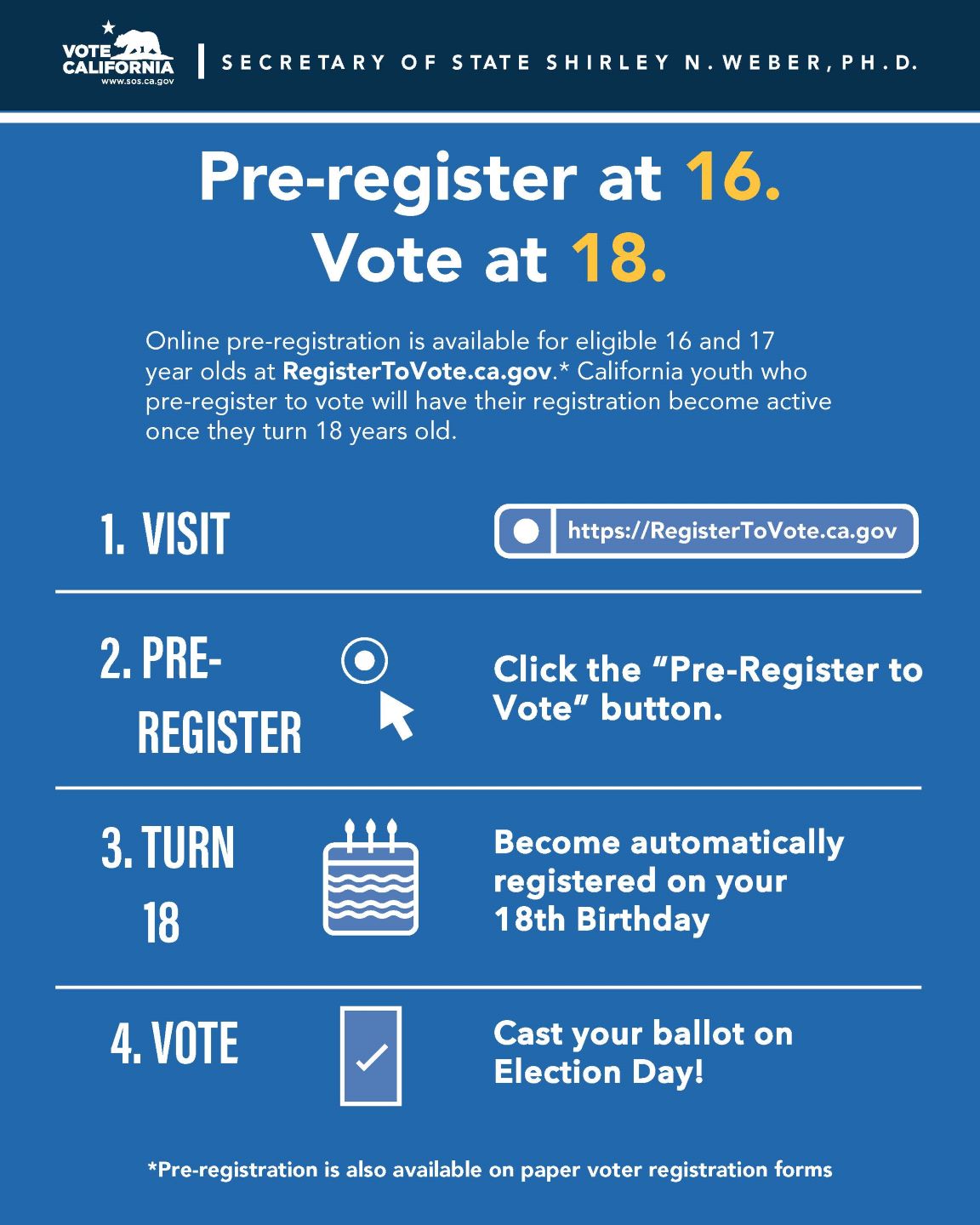
California has been at the forefront of implementing innovative approaches to voter registration. Beyond the DMV, initiatives like same-day voter registration on Election Day and online voter registration portals have made it easier for eligible citizens to cast their ballot. These advancements aim to remove barriers and streamline the process, ensuring that more eligible residents can exercise their right to vote.
The Importance of Civic Education
A fundamental aspect of ensuring robust voter registration and participation is civic education. Educating citizens about the importance of voting, the registration process, and their rights and responsibilities empowers them to engage more effectively. Campaigns that focus on informing the public about deadlines, eligibility, and the impact of their vote are crucial for a healthy democracy.

Ongoing Monitoring and Improvement
The electoral system is not static. Election officials continuously monitor registration data, analyze trends, and identify areas for improvement. Feedback from voters and advocacy groups is essential in refining registration processes, addressing potential systemic issues, and ensuring that California remains a leader in voter accessibility and participation. The perception of “no citizens registering” is an indicator that vigilance and continuous effort are always needed.
In conclusion, while the question “Is California Registering No Citizens To Vote?” serves as a dramatic hook, it does not reflect the comprehensive reality of voter registration in the state. California actively engages in a multitude of strategies to register its eligible population. Challenges exist, as they do in any large and complex system, but these are met with ongoing innovation and dedication to democratic principles. The focus remains on making registration accessible and encouraging every eligible citizen to make their voice heard.
LifeOutOfTheBox is a participant in the Amazon Services LLC Associates Program, an affiliate advertising program designed to provide a means for sites to earn advertising fees by advertising and linking to Amazon.com. Amazon, the Amazon logo, AmazonSupply, and the AmazonSupply logo are trademarks of Amazon.com, Inc. or its affiliates. As an Amazon Associate we earn affiliate commissions from qualifying purchases.