
The process of becoming a commissioned Texas Notary Public is a well-defined one, established by the Texas Secretary of State. This role is crucial for ensuring the integrity of important documents and facilitating various legal and business transactions throughout the state. Whether you’re looking to supplement your income, offer a valuable service to your community, or embark on a new career path, understanding the requirements and steps involved is the first crucial stage. This guide will walk you through everything you need to know, from eligibility to maintaining your commission, ensuring a smooth and successful application process.
Eligibility Requirements for Texas Notaries
Before diving into the application, it’s essential to confirm that you meet the fundamental criteria set forth by the state of Texas. These requirements are in place to ensure that all commissioned notaries are reliable, trustworthy, and capable of performing their duties with the utmost professionalism and accuracy.
Age and Residency
To be eligible for a notary commission in Texas, you must be at least 18 years of age. Furthermore, you must be a legal resident of Texas for at least six months preceding your application. This residency requirement ensures that applicants have a vested interest in the state and are subject to its laws and regulations. Non-residents who are employed in Texas may also be eligible, provided they meet other qualifications.
Education and Criminal Record
Applicants must be able to read and write the English language. This is a fundamental requirement for understanding the documents you will be notarizing and for communicating effectively with those seeking your services. Additionally, you must not have been convicted of a felony or a crime involving moral turpitude. A criminal background check is a standard part of the application process, and any disqualifying convictions will prevent you from obtaining a commission. It is advisable to address any past legal issues proactively before beginning the application.
Other Disqualifications
Beyond age, residency, and criminal history, there are a few other disqualifications to be aware of. You cannot have been removed from office for misconduct in a previous notary commission. You also cannot be a judge of a court or the sheriff of a county in Texas. Understanding these specific exclusions is vital for a successful application.
The Application Process: Step-by-Step
Once you’ve confirmed your eligibility, the next step is to navigate the application process. This involves several key stages, each requiring careful attention to detail to ensure accuracy and compliance.
Completing the Application Form
The official application form is available on the Texas Secretary of State website. You will need to accurately fill out all sections of the application, providing truthful and complete information. This includes your personal details, contact information, and any required declarations. It’s crucial to double-check all entries before submission to avoid any delays or rejections due to errors.
The Notary Education Course
Texas law requires all applicants to complete a mandatory notary public education course of at least three hours. This course covers essential notary laws, ethics, and best practices. Upon completion, you will receive a certificate of completion, which must be submitted with your application. Several reputable providers offer these courses online, allowing for flexibility in your learning schedule. Choosing an accredited course is important.
The Oath of Office and Official Bond
After your application is approved, you will be notified to take the Oath of Office and file an official bond. The Oath of Office is a solemn pledge to perform your duties faithfully and impartially. This oath is typically administered by a judge or other authorized official. The official bond is a surety bond that protects the public from financial harm caused by your actions as a notary. The bond amount is set by the state, and you will need to obtain this bond from a licensed surety company. This bond is a critical component of your notary commission, providing a level of financial security for those who rely on your services.

Obtaining Your Commission and Seal
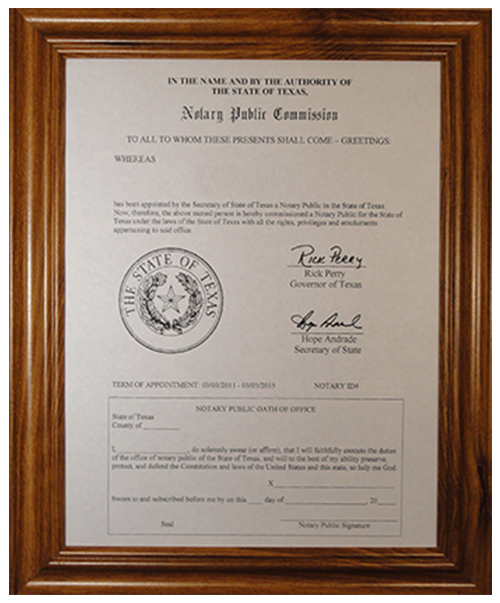
Once you have completed the Oath of Office and filed your bond, the Texas Secretary of State will issue your notary commission. You will receive a commission certificate, which is your official proof of authority. You will also need to obtain an official notary seal. This seal is an embosser or stamp that contains your name, the words “Notary Public, Texas,” and your commission expiration date. The seal is a critical tool for authenticating notarized documents, and it must meet specific requirements outlined by the state.
Maintaining Your Notary Commission
Becoming a notary is just the beginning; maintaining your commission requires ongoing attention to your responsibilities and adherence to state laws.
Understanding Notary Laws and Ethics
As a commissioned notary, you are expected to be knowledgeable about all Texas notary laws and regulations. This includes understanding what constitutes a notarial act, proper identification procedures, record-keeping requirements, and ethical considerations. The Texas Secretary of State website provides extensive resources and guidelines to help you stay informed. Familiarizing yourself with these resources is an ongoing responsibility.
Keeping Accurate Records
Maintaining a notary journal or record book is a mandatory requirement in Texas. This journal serves as a chronological record of all official acts performed by you as a notary. It should include details such as the date and type of notarization, the title of the document, the signature of the person whose signature is being notarized, and the means of identification used. Accurate record-keeping is crucial for accountability and can provide valuable protection in the event of a dispute or inquiry.
Renewing Your Commission
Your notary commission is valid for a period of four years. Approximately 30 days before your commission expires, you will receive a renewal notice from the Texas Secretary of State. To renew your commission, you will need to complete another notary education course (though it may be shorter than the initial one) and file a new oath of office and an updated official bond. It is essential to initiate the renewal process well in advance of your expiration date to avoid any lapse in your commission.
Expanding Your Notary Services
While the basic commission allows you to perform standard notarial acts, there are avenues to expand your services and expertise within the notary field.
Notary Signing Agent
A Notary Signing Agent (NSA) is a notary public who specializes in notarizing loan documents for real estate transactions. This role requires additional training and certification, as NSAs must be proficient in handling complex loan packages and understanding the specific requirements of lenders and title companies. Many notaries find this specialization to be a lucrative addition to their services, particularly in areas with significant real estate activity.
Remote Online Notarization (RON)
Texas has authorized Remote Online Notarization (RON), allowing notaries to perform notarizations for signers who are not physically present. This process utilizes audio-visual technology to verify the signer’s identity and conduct the notarization remotely. To become a RON-authorized notary, you must complete specific training and use a certified RON platform. RON offers a convenient and efficient way to provide notary services, especially for individuals who are out of state or have mobility challenges. It represents a significant evolution in how notary services are delivered.

Continuing Education and Professional Development
The world of legal and business documentation is constantly evolving. To remain effective and knowledgeable, it is highly recommended to engage in continuing education and professional development beyond the mandatory requirements. Attending workshops, seminars, or subscribing to industry publications can help you stay abreast of changes in notary law, emerging technologies, and best practices. This commitment to learning not only enhances your skills but also solidifies your reputation as a competent and reliable Texas Notary Public.
Becoming a commissioned notary in Texas is a rewarding endeavor that offers flexibility and the opportunity to provide an essential service. By diligently following the steps outlined and committing to ongoing learning and ethical practice, you can successfully obtain and maintain your notary license, becoming a trusted professional within your community.
LifeOutOfTheBox is a participant in the Amazon Services LLC Associates Program, an affiliate advertising program designed to provide a means for sites to earn advertising fees by advertising and linking to Amazon.com. Amazon, the Amazon logo, AmazonSupply, and the AmazonSupply logo are trademarks of Amazon.com, Inc. or its affiliates. As an Amazon Associate we earn affiliate commissions from qualifying purchases.