
As the sun dips below the horizon, casting a golden hue across the shimmering waters of Lake Martin, a sense of tranquility often settles over this beloved Alabama reservoir. Boaters glide across its surface, anglers cast their lines hoping for a prize catch, and families gather for lakeside picnics. However, for many visitors and even some locals, a persistent question lingers: are there alligators in Lake Martin, Alabama? This query, while sometimes tinged with apprehension, speaks to a deeper curiosity about the natural inhabitants of this expansive body of water and the broader ecosystem it supports.

The presence of American alligators (Alligator mississippiensis) in the southeastern United States is a well-established fact. These ancient reptiles are native to this region, thriving in warm, freshwater environments such as swamps, marshes, rivers, and lakes. Given Lake Martin’s expansive size, numerous coves, and surrounding cypress swamps and wooded areas, it presents a habitat that is, in theory, suitable for alligators. Understanding the likelihood and implications of their presence is crucial for anyone planning a visit or engaging in activities on the lake.
The Natural Habitat of Alligators
The American alligator is a keystone species in its ecosystem, playing a vital role in maintaining the health and balance of wetlands. They are apex predators, meaning they sit at the top of the food chain, and their presence can influence the populations of other species. Alligators are opportunistic feeders, consuming a diet that includes fish, turtles, snakes, birds, and small mammals. They are also highly adaptable, capable of surviving in a variety of aquatic environments as long as they have access to food, water, and suitable nesting grounds.
Historically, the range of the American alligator has included the southeastern United States, stretching from southern North Carolina down to Florida and west to eastern Texas. This geographical distribution is dictated by climate, as alligators are cold-blooded and require warm temperatures to regulate their body heat and for successful reproduction. Alabama, with its subtropical climate, falls squarely within this historical range.
Factors Favoring Alligator Presence in Lake Martin
Several characteristics of Lake Martin make it a potentially viable habitat for alligators:
- Abundant Freshwater: As a large reservoir, Lake Martin provides a vast expanse of freshwater, which is the preferred environment for alligators.
- Diverse Aquatic Life: The lake teems with various species of fish, turtles, and other aquatic organisms that serve as a food source for alligators.
- Proximity to Swamps and Wetlands: The shores of Lake Martin are fringed with cypress swamps, marshes, and densely wooded areas. These environments offer ideal conditions for alligators to hunt, bask, and build their nests. Cypress swamps, in particular, provide the shallow, murky waters and abundant vegetation that alligators favor.
- Connectivity to Other Waterways: Lake Martin is part of a larger watershed, connected to rivers and smaller streams. This connectivity allows for potential migration of alligators from other suitable habitats in the region.
- Warm Climate: Alabama’s warm climate provides the necessary temperatures for alligators to thrive year-round, with mild winters that do not typically freeze the entire body of water.
Documented Sightings and Official Stances
While the ecological conditions suggest suitability, the actual presence of alligators in Lake Martin is often a matter of anecdotal evidence and official confirmation. Sightings, when they occur, can range from the occasional glimpse of a submerged log that turns out to be a reptile, to more definitive observations.
The Alabama Department of Conservation and Natural Resources (ADCNR) is the primary authority responsible for managing wildlife within the state. Their pronouncements on wildlife populations, including the presence and distribution of alligators, are based on scientific surveys, reported incidents, and ecological assessments. Historically, alligators have been known to inhabit river systems and associated wetlands in Alabama, including those that feed into or are connected to the Coosa River, which is the river that feeds Lake Martin.
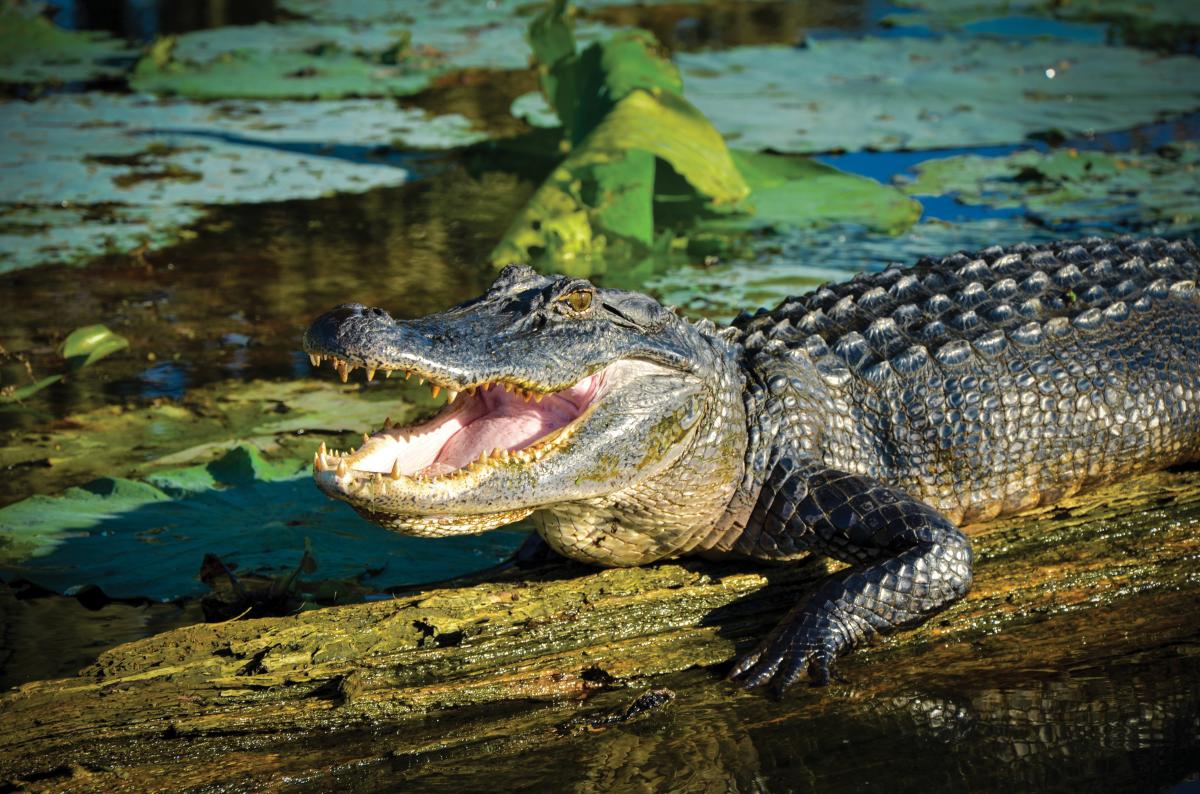
Official confirmation of alligators in Lake Martin itself has been less frequent compared to more historically known alligator habitats in the state, such as the Mobile-Tensaw Delta or the Wiregrass region. However, this does not preclude their presence. Alligators are elusive creatures, and their nocturnal habits and ability to remain submerged for extended periods make them difficult to detect. Occasional sightings by boaters, fishermen, and residents are reported, and these anecdotal accounts, while not definitive proof on their own, contribute to a growing body of evidence.
The ADCNR has acknowledged the potential for alligators to inhabit various freshwater systems across Alabama. Their focus is often on managing human-wildlife interactions and ensuring public safety. They recommend that individuals be aware of their surroundings when enjoying activities around any body of water in Alabama that could potentially support alligator populations.
Navigating Sightings and Ensuring Safety
When considering the possibility of alligators in Lake Martin, it is important to approach the topic with a balanced perspective. Panic is unwarranted, but caution and awareness are prudent.
- Reported Sightings: While specific official reports detailing a significant alligator population within Lake Martin may be scarce, it is not uncommon for alligators to expand their range into new or underpopulated areas if suitable habitat and food sources are available. Anecdotal reports from residents and visitors who have seen what they believe to be alligators are frequently discussed in local forums and communities around the lake.
- Official Guidance: The Alabama Department of Conservation and Natural Resources generally advises caution around any large bodies of water in the state that could serve as alligator habitat. This includes being mindful of noise levels near the water, especially at dawn and dusk, as these are prime feeding times for alligators.
- Safety Protocols: For those engaging in activities on or around Lake Martin, standard safety precautions are recommended. This includes supervising children and pets closely, particularly near the water’s edge, and avoiding swimming in areas where visibility is poor or where you are unsure of the depth. It is also advisable not to feed alligators, as this can habituate them to humans and lead to dangerous encounters.
- Respect Wildlife: The presence of any wildlife, including alligators, is an indicator of a healthy ecosystem. Approaching any wild animal with respect and maintaining a safe distance is always the best policy.
Alligators and the Lake Martin Experience
The potential presence of alligators does not inherently diminish the appeal of Lake Martin as a destination for recreation and relaxation. Instead, it adds another layer to the natural experience of the area. Understanding the local wildlife contributes to a more informed and respectful engagement with the environment.
For many, the idea of sharing the waters with alligators is not a deterrent but an intriguing aspect of the natural world. It underscores the wild beauty of Alabama and the importance of preserving these habitats for the diverse species that call them home. It also serves as a reminder that while many visit Lake Martin for its recreational offerings, it is also a living ecosystem supporting a variety of wildlife.

Enhancing Your Visit with Wildlife Awareness
When planning a trip to Lake Martin, incorporating an awareness of its potential alligator inhabitants can enhance your experience and ensure your safety.
- Educational Opportunities: Many state parks and nature centers in Alabama offer educational programs about local wildlife, including alligators. Visiting these centers can provide valuable insights into alligator behavior, habitat, and conservation efforts.
- Responsible Recreation: Engage in activities such as boating, fishing, and kayaking with awareness. Keep a safe distance if you spot an alligator, and never attempt to approach or feed it. Stick to designated swimming areas where available and where safety is managed.
- Understanding Nesting Habits: Alligators typically nest in the spring and summer months. During this time, females can be more protective of their nesting sites. Being aware of potential nesting areas, which are usually mounds of vegetation and mud near the water, can help avoid unintentional disturbances.
- Local Insights: Engage with local communities and park rangers to gather information about recent sightings or areas where alligators are more commonly observed. This local knowledge can be invaluable for planning your activities.
In conclusion, while definitive, large-scale population studies of alligators within Lake Martin might not be as prominent as in some other Alabama waterways, the ecological conditions strongly suggest that alligators are present, or at least have the potential to be. Their presence is a natural part of the southeastern ecosystem. By understanding their habitat, respecting their presence, and adhering to safety guidelines, visitors can continue to enjoy the beauty and recreational opportunities of Lake Martin with confidence and an enhanced appreciation for the wildness it harbors. The question of “Are there alligators in [Lake Martin, Alabama]?” is less about a definitive yes or no, and more about understanding the dynamic nature of wildlife in this beautiful reservoir.
LifeOutOfTheBox is a participant in the Amazon Services LLC Associates Program, an affiliate advertising program designed to provide a means for sites to earn advertising fees by advertising and linking to Amazon.com. Amazon, the Amazon logo, AmazonSupply, and the AmazonSupply logo are trademarks of Amazon.com, Inc. or its affiliates. As an Amazon Associate we earn affiliate commissions from qualifying purchases.