
The pursuit of a career in education is a noble endeavor, and for those aspiring to teach in the Lone Star State, understanding the pathway to obtaining a teaching certificate in Texas is paramount. This comprehensive guide will demystify the process, outlining the essential steps, requirements, and considerations for becoming a certified educator in Texas. From academic qualifications to practical experience, we will navigate the landscape of teacher certification, ensuring you are well-equipped to embark on this rewarding profession.
Understanding the Texas Teacher Certification System
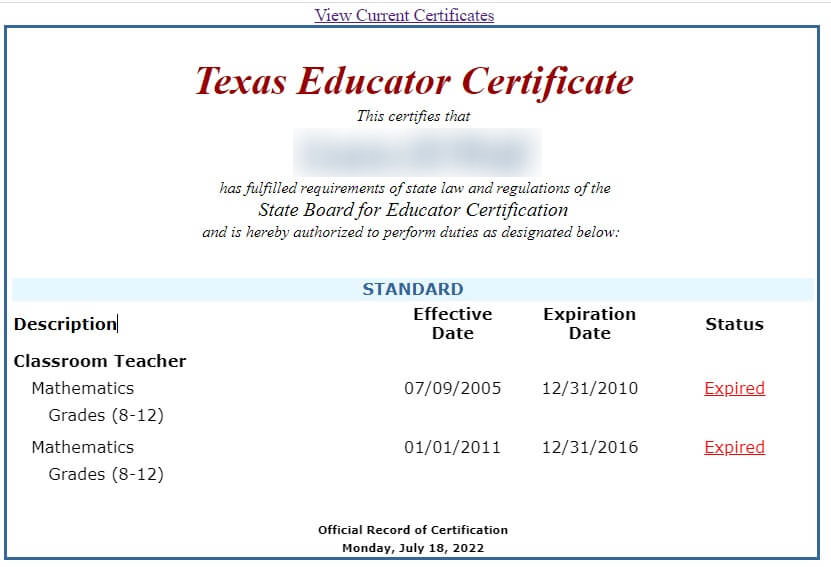
The Texas Education Agency (TEA) oversees the certification of educators within the state. The primary goal of this system is to ensure that all individuals entering the classroom meet rigorous standards of knowledge, skill, and ethical conduct. This commitment to quality education benefits not only the aspiring teachers but, more importantly, the students they will serve.
The Role of the TEA
The TEA is the governing body responsible for setting the standards for teacher preparation programs, approving those programs, and issuing teaching certificates. They provide guidance on eligibility, examinations, and ongoing professional development. Familiarizing yourself with the TEA website is an invaluable first step, as it serves as the official source for all regulations and updates concerning teacher certification.
Types of Teaching Certificates
Texas offers various teaching certificates, each tailored to different educational levels and subject areas. The most common entry-level certificate is the Standard Teaching Certificate. However, understanding the specific certification area you wish to pursue is crucial. These areas can range from early childhood education (EC-6) to specialized subjects at the secondary level, such as mathematics, science, or English as a Second Language (ESL).
Pathways to Teacher Certification in Texas
There are several distinct pathways for individuals to achieve their Texas teaching certificate. The most suitable path often depends on an individual’s prior educational background and experience.
Traditional University-Based Preparation Programs
This is the most common route for individuals pursuing their initial teaching certification. It involves enrolling in an accredited teacher education program at a Texas college or university.
Bachelor’s Degree and Teacher Education Program
Most aspiring teachers will complete a bachelor’s degree in an academic field relevant to their desired teaching subject. Concurrently or following this, they will enroll in a state-approved teacher preparation program. These programs are designed to provide a strong foundation in pedagogy, child development, classroom management, and subject-specific instruction.
Key Components of University Programs
- Coursework: Rigorous academic study covering educational theories, teaching methodologies, and curriculum development.
- Field Experiences: Practical, hands-on observation and participation in K-12 classrooms under the guidance of experienced educators.
- Student Teaching: A full-semester, immersive teaching experience where candidates take on the responsibilities of a classroom teacher. This is often considered the capstone of the preparation program.
Alternative Teacher Certification Programs (ATCPs)
For individuals who already hold a bachelor’s degree and wish to transition into teaching without completing a traditional four-year education degree, ATCPs offer a viable and efficient route. These programs are designed for individuals with strong subject matter knowledge and a desire to enter the teaching profession.
Eligibility for ATCPs
To be eligible for most ATCPs, applicants typically need:
- A bachelor’s degree with a minimum GPA, often 2.5 or higher, though some programs may have higher requirements.
- Sufficient coursework in the subject area they wish to teach. The TEA outlines specific credit hour requirements for each subject.
- Satisfactory scores on foundational skills tests, such as the ExCET or a similar approved assessment.
Structure of ATCPs
ATCPs vary in their structure and duration, but they generally include:
- Intensive Training: Focused coursework on teaching strategies, classroom management, and Texas education law.
- Field-Based Experience: Practical application of learned skills in a classroom setting, often through internships or probationary teaching positions.
- Mentorship: Guidance and support from experienced teachers or program facilitators.
Approved ATCPs
It is crucial to select an ATCP that is approved by the TEA. A list of approved programs can be found on the TEA website. Some well-known providers include Teach For America, Region 10 Education Service Center, and various university-based alternative programs.
Essential Requirements for Certification
Regardless of the pathway chosen, aspiring teachers in Texas must meet several key requirements to earn their teaching certificate.
Academic Requirements
As previously mentioned, a bachelor’s degree is a fundamental requirement. The specific coursework and GPA will depend on the chosen certification area and program. For certain subjects, a master’s degree might be beneficial or even required for advanced certification levels.
Examinations
Texas requires candidates to pass subject-specific examinations to demonstrate their content knowledge and pedagogical skills.
The ExCET Examinations
The ExCET (Examination for the Certification of Educators in Texas) is the primary testing system. Candidates must pass the appropriate ExCET exam for their chosen certification area. These exams are computer-administered and cover both subject matter and generalist competencies. Examples include the Core Subjects EC-6, English Language Arts and Reading/Social Studies 4-8, and various secondary subject exams like Mathematics 8-12.
Foundational Skills Test
In some cases, candidates may also need to pass a foundational skills test, such as the Texas Educator Preparation Program (EPP) readiness assessment or a similar test that demonstrates proficiency in reading, writing, and mathematics.
Background Check and Fingerprinting
All individuals seeking a Texas teaching certificate must undergo a thorough background check, including fingerprinting. This is a standard procedure to ensure the safety and well-being of students. Any criminal history will be reviewed by the TEA to determine eligibility for certification.
Application and Fees
Once all requirements are met, candidates must submit a formal application for certification through the TEA’s online portal. This process involves paying the required application fees. It is essential to ensure all documentation is accurate and complete to avoid delays.
Maintaining and Advancing Your Teaching Certificate
Obtaining your initial teaching certificate is a significant achievement, but the journey of a Texas educator continues with professional development and certificate renewal.
Professional Development
Educators are required to complete a certain number of continuing professional education (CPE) hours to maintain their certification. These hours are designed to keep teachers updated on the latest educational research, teaching strategies, and policy changes. The TEA provides guidelines on approved CPE activities.
Certificate Renewal
Teaching certificates in Texas are typically valid for five years. To renew, educators must meet the CPE requirements and submit a renewal application with the associated fees.
Professional Growth and Advanced Certifications
As educators gain experience, they may wish to pursue advanced certifications or endorsements. These can include certifications in special education, gifted and talented education, or administrative roles such as a principal or superintendent. Pursuing these advanced roles often requires additional coursework, examinations, and experience.
Tips for a Smooth Certification Process
Navigating the Texas teacher certification process can seem complex, but with careful planning and attention to detail, it can be a rewarding experience.
Start Early and Research Thoroughly
Begin your research well in advance of when you plan to teach. Understand the specific requirements for your desired certification area and investigate different preparation programs.
Connect with Approved Programs
Reach out to the admissions departments of accredited university programs and approved ATCPs. They can provide detailed information about their curriculum, admission criteria, and support services.
Seek Guidance from Mentors and Advisors
If you are part of a university program or an ATCP, take full advantage of the guidance provided by your academic advisors, instructors, and mentors. They are invaluable resources for navigating the system.
Stay Organized
Keep meticulous records of your academic transcripts, test scores, program completion certificates, and any other relevant documentation. A well-organized approach will prevent last-minute scrambling.
Prepare Diligently for Examinations
The ExCET exams are critical. Utilize study guides, practice tests, and any preparation resources offered by your program. Many candidates find success by dedicating ample time to review and practice.
Understand the TEA Website
The Texas Education Agency’s website (tea.texas.gov) is your central hub for all official information. Bookmark important pages and refer to it frequently for updates, forms, and policy clarifications.

Network with Fellow Educators
Connect with current teachers and administrators. Their firsthand experiences and insights can offer valuable perspectives and practical advice for succeeding in Texas schools.
Embarking on the path to becoming a certified teacher in Texas is a journey that requires dedication, preparation, and a commitment to the highest standards of educational practice. By understanding the requirements, choosing the right pathway, and diligently working through each step, you can successfully obtain your teaching certificate and begin shaping the future of countless students in the vibrant educational landscape of Texas.
LifeOutOfTheBox is a participant in the Amazon Services LLC Associates Program, an affiliate advertising program designed to provide a means for sites to earn advertising fees by advertising and linking to Amazon.com. Amazon, the Amazon logo, AmazonSupply, and the AmazonSupply logo are trademarks of Amazon.com, Inc. or its affiliates. As an Amazon Associate we earn affiliate commissions from qualifying purchases.