
Preparing for a trip to Alaska requires a unique approach to packing, as the Last Frontier presents an astonishing array of climates, landscapes, and activities. From the misty fjords of the Inside Passage to the towering peaks of Denali National Park and the vast frozen expanses of the interior, understanding what to wear is paramount for a comfortable and enjoyable experience. This guide will equip you with the knowledge to pack appropriately, ensuring you’re ready for whatever Alaskan adventure awaits.
Understanding Alaska’s Diverse Climate
Alaska is a land of extremes, and its weather patterns are no exception. The key to successful dressing here lies in understanding the variability and embracing the principle of layering.

Seasonal Variations
- Summer (May-September): Often considered the peak travel season, Alaskan summers are surprisingly mild, but “mild” is relative. Temperatures can range from comfortable 50s-70s°F (10-21°C) in the daytime, dropping significantly into the 40s°F (4-9°C) at night, especially in the interior. Coastal areas like Juneau or Seward tend to be cooler and rainier, while inland cities like Fairbanks can experience warmer days but still chilly nights. Despite long daylight hours, rain showers are common, and wind can make even mild temperatures feel colder.
- Winter (October-April): This is when Alaska truly earns its “Last Frontier” moniker. Temperatures can plummet far below freezing, often reaching -20°F (-29°C) or colder, particularly in the interior. Coastal regions are generally milder but receive significant snowfall and experience strong winds. Proper insulation and protection against extreme cold, snow, and ice are critical.
- Shoulder Seasons (April-May & September-October): These transition periods offer unique experiences but come with unpredictable weather. Early spring can still feel like winter, while late autumn can quickly bring snow and colder temperatures. Packing for these seasons requires maximum versatility.
Regional Differences
Alaska’s sheer size means weather can vary dramatically from one region to another.
- Coastal Regions: The Gulf of Alaska and Bering Sea coasts, including areas like Ketchikan, Sitka, and Valdez, are characterized by higher humidity, more rainfall, and generally milder but very windy conditions. Think waterproofs.
- Interior Regions: Cities such as Fairbanks and areas around Denali National Park experience greater temperature extremes – warmer summers and much colder winters, with less precipitation than coastal areas. Layers for thermal regulation are key.
- Southcentral: Areas around Anchorage and the Kenai Peninsula offer a blend, with moderate temperatures but still requiring readiness for rain and significant temperature swings.
The Layering Principle: A Golden Rule
Regardless of the season or region, layering is the most effective strategy for dressing in Alaska. This method allows you to add or remove clothing as temperatures, activity levels, and weather conditions change, helping you regulate your body temperature efficiently.
Essential Gear for Summer Adventures (May-September)
Even in summer, Alaskan weather can be unpredictable. Packing smart ensures you’re prepared for sun, rain, and everything in between.
Base Layers: Moisture-Wicking Marvels
Start with a base layer made of synthetic materials (polyester, nylon) or merino wool. These fabrics wick moisture away from your skin, keeping you dry and preventing chills. Avoid cotton for base layers, as it absorbs moisture and dries slowly, making you cold when wet. Pack several short and long-sleeved options.
Mid-Layers: Insulation for Fluctuating Temps
The mid-layer provides warmth. Fleece jackets (various weights), wool sweaters, or down/synthetic insulated vests are excellent choices. A versatile fleece jacket is a must-have, as it offers warmth without bulk and dries relatively quickly.
Outer Layers: Shielding Against the Elements (Rain & Wind)
This is your primary defense against Alaska’s notorious rain and wind.
- Waterproof and Windproof Jacket: A high-quality, breathable, waterproof (not just water-resistant) jacket with a hood is non-negotiable. Look for GORE-TEX or similar membrane technologies.
- Waterproof Pants: Essential, especially if you plan on hiking, fishing, or spending significant time outdoors. Lightweight, packable rain pants can be worn over regular trousers.
Footwear: Waterproof Boots Are Non-Negotiable
- Hiking Boots: Sturdy, waterproof hiking boots with good ankle support and traction are critical. Expect muddy trails and wet conditions. Break them in before your trip.
- Comfortable Shoes: For less strenuous activities or urban exploration in cities like Anchorage, comfortable walking shoes are useful, but ensure they can handle a light drizzle.
- Camp Shoes/Slippers: For relaxing in your accommodation.
Accessories: Hats, Gloves, and Sun Protection
- Warm Hat: Even in summer, evenings can be chilly, and a warm hat (wool or fleece) will make a big difference.
- Light Gloves: For cool mornings, evenings, or higher elevations.
- Sun Hat/Cap: Protection from the strong Alaskan sun (especially with long daylight hours) and rain.
- Sunglasses: Essential for glare, particularly on water or glaciers.
- Insect Repellent: Mosquitoes can be prolific in summer, especially in interior and marshy areas.
- Small Daypack: For carrying layers, water, snacks, and rain gear during daily excursions.
Dressing for Winter Wonderland (October-April)
Winter in Alaska is a magical experience, but it demands serious preparation. The goal is to stay warm, dry, and protected from frostbite.
Extreme Cold Protection: The Arctic Ensemble
Think of a multi-layer system designed for arctic conditions.
Heavy Duty Outerwear: Parkas and Snow Pants
- Insulated Parka: A high-quality, expedition-grade parka rated for sub-zero temperatures is essential. Look for significant down fill power (600-800) or high-performance synthetic insulation. It should be waterproof or highly water-resistant and windproof, with a deep hood.
- Insulated Snow Pants/Bibs: Crucial for warmth when standing or engaging in snow activities. Waterproof and windproof materials are a must.
Insulated Footwear: Warmth from the Ground Up
- Winter Boots: Invest in waterproof, heavily insulated winter boots rated for extreme cold (e.g., -40°F/-40°C). They should have thick, non-slip soles for traction on ice and snow. Wear with thick wool or synthetic socks.
Protecting Extremities: Hats, Mittens, and Neck Gaiters
- Warm Hat: A fleece or wool beanie that covers your ears is critical. Consider a balaclava for extreme cold.
- Mittens: Mittens are generally warmer than gloves in extreme cold because they keep your fingers together. Opt for insulated, waterproof mittens with removable liners.
- Neck Gaiter/Scarf: To protect your neck and lower face from wind and cold.
Activity-Specific Considerations
If you’re planning activities like dog sledding, ice fishing, or snowmobiling, some tour operators provide specialized outer layers, but your personal base and mid-layers are still vital. Always inquire beforehand.
Packing for Specific Activities and Comfort
Your itinerary will heavily influence your packing list.
Hiking and Backpacking
Beyond the base, mid, and outer layers, ensure you have:
- Sturdy Hiking Boots: Waterproof with good ankle support.
- Hiking Socks: Wool or synthetic, multiple pairs.
- Trekking Poles: Helpful on uneven or muddy terrain.
- Headlamp/Flashlight: Especially useful in shoulder seasons or for early/late hikes due to changing daylight.
Cruising and Sightseeing
For an Alaskan cruise along the Inside Passage, you’ll still need layers.
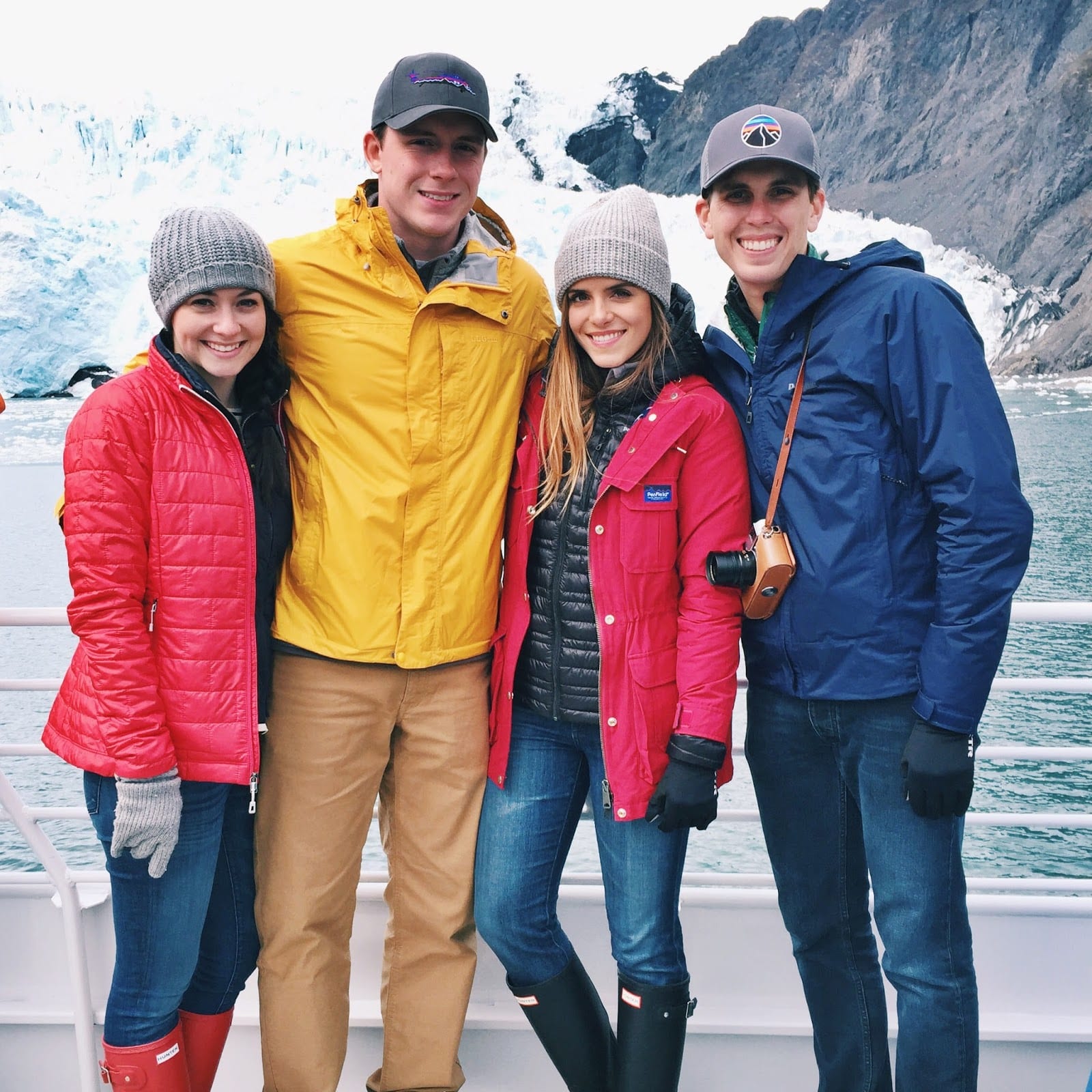
- Warm Outerwear: A waterproof jacket is crucial, even on the ship’s deck.
- Binoculars: For wildlife viewing.
- Dressier Outfit: For specialty dining or evenings on the ship, though “dressy” in Alaska is often smart casual.
Fishing and Water Activities
- Waders/Waterproof Overalls: If you plan on fly fishing or deep-water fishing, some charters may provide these, but check in advance.
- Quick-Drying Clothing: For base layers under waders.
- Waterproof Bag: To protect electronics and valuables.
Urban Exploration and Dining
Cities like Anchorage and Juneau have excellent restaurants and shops.
- Smart Casual Attire: While generally relaxed, a nice pair of jeans, sweaters, and a casual dress or collared shirt will suffice for most dining experiences. No need for formal wear unless specifically indicated.
- Comfortable Walking Shoes: For exploring towns and museums.
Sleepwear and Casual Comfort
Don’t forget comfortable clothes for relaxing in your cabin or hotel room. Fleece pants, warm socks, and long-sleeved shirts are good options, as heating can vary.
Final Packing Tips for Your Alaskan Journey
A well-packed bag contributes significantly to a stress-free trip.
Test Your Gear
Before you go, wear your layers together to ensure comfort and freedom of movement. Check zippers, waterproofing, and fit.
Pack Smart, Not Heavy
Prioritize versatile pieces that can be mixed and matched. Utilize packing cubes to organize and compress your clothing. Remember airline luggage restrictions.
Consider Laundry Options
Many hotels, lodges, and even some cruise ships offer laundry services. Packing a small amount of travel detergent can be handy for hand-washing base layers.

Embrace Versatility
Choose clothing that can transition from an outdoor adventure to a casual dinner. Focus on durable, technical fabrics that perform well in varying conditions.
By following this guide, you’ll be well-prepared to face the elements and fully immerse yourself in the unparalleled beauty and adventure of Alaska, no matter when you visit.
LifeOutOfTheBox is a participant in the Amazon Services LLC Associates Program, an affiliate advertising program designed to provide a means for sites to earn advertising fees by advertising and linking to Amazon.com. Amazon, the Amazon logo, AmazonSupply, and the AmazonSupply logo are trademarks of Amazon.com, Inc. or its affiliates. As an Amazon Associate we earn affiliate commissions from qualifying purchases.