
As the Atlantic hurricane season progresses, residents and visitors of the Sunshine State are understandably looking towards the skies and monitoring weather patterns with heightened vigilance. The specter of a hurricane can cast a long shadow, impacting everything from vacation plans to daily life. This article aims to provide an insightful overview of the current hurricane outlook for Florida, focusing on preparedness and how potential weather events might influence travel and tourism.
Understanding the Hurricane Season Landscape
The Atlantic hurricane season officially runs from June 1st to November 30th, with the peak typically occurring from mid-August through October. During this period, a confluence of atmospheric and oceanic conditions creates a favorable environment for tropical cyclone development. These conditions include warm sea surface temperatures, moist air, and the presence of tropical waves originating off the coast of Africa.

Factors Influencing Hurricane Activity
Several key factors contribute to the intensity and frequency of hurricane seasons:
- Sea Surface Temperatures (SSTs): Warmer ocean waters provide the fuel for hurricanes. When SSTs in the Atlantic Ocean and the Caribbean Sea are above average, the potential for more robust storm development increases. Forecasters closely watch anomalies in these vast bodies of water.
- Atmospheric Conditions: The presence of high-pressure systems can steer storms, while wind shear (changes in wind speed and direction with altitude) can disrupt storm formation and weaken existing cyclones.
- El Niño-Southern Oscillation (ENSO): This phenomenon, which describes fluctuations in sea surface temperatures and atmospheric pressure across the equatorial Pacific Ocean, has a significant influence on global weather patterns, including hurricane activity in the Atlantic. Generally, La Niña conditions tend to favor more Atlantic hurricane activity, while El Niño conditions can suppress it.
- African Dust and Saharan Air Layer (SAL): Dust outbreaks from Africa can inject dry air into the tropical Atlantic, which can inhibit storm formation by increasing wind shear and reducing moisture.
The Role of Forecasting Agencies
Reliable hurricane forecasts are crucial for public safety and informed decision-making. Agencies such as the National Hurricane Center (NHC) in Miami, Florida, play a vital role in monitoring tropical disturbances, issuing watches and warnings, and providing outlooks for the season. These forecasts are based on sophisticated computer models that analyze vast amounts of meteorological data.
Current Outlook and Potential Threats to Florida
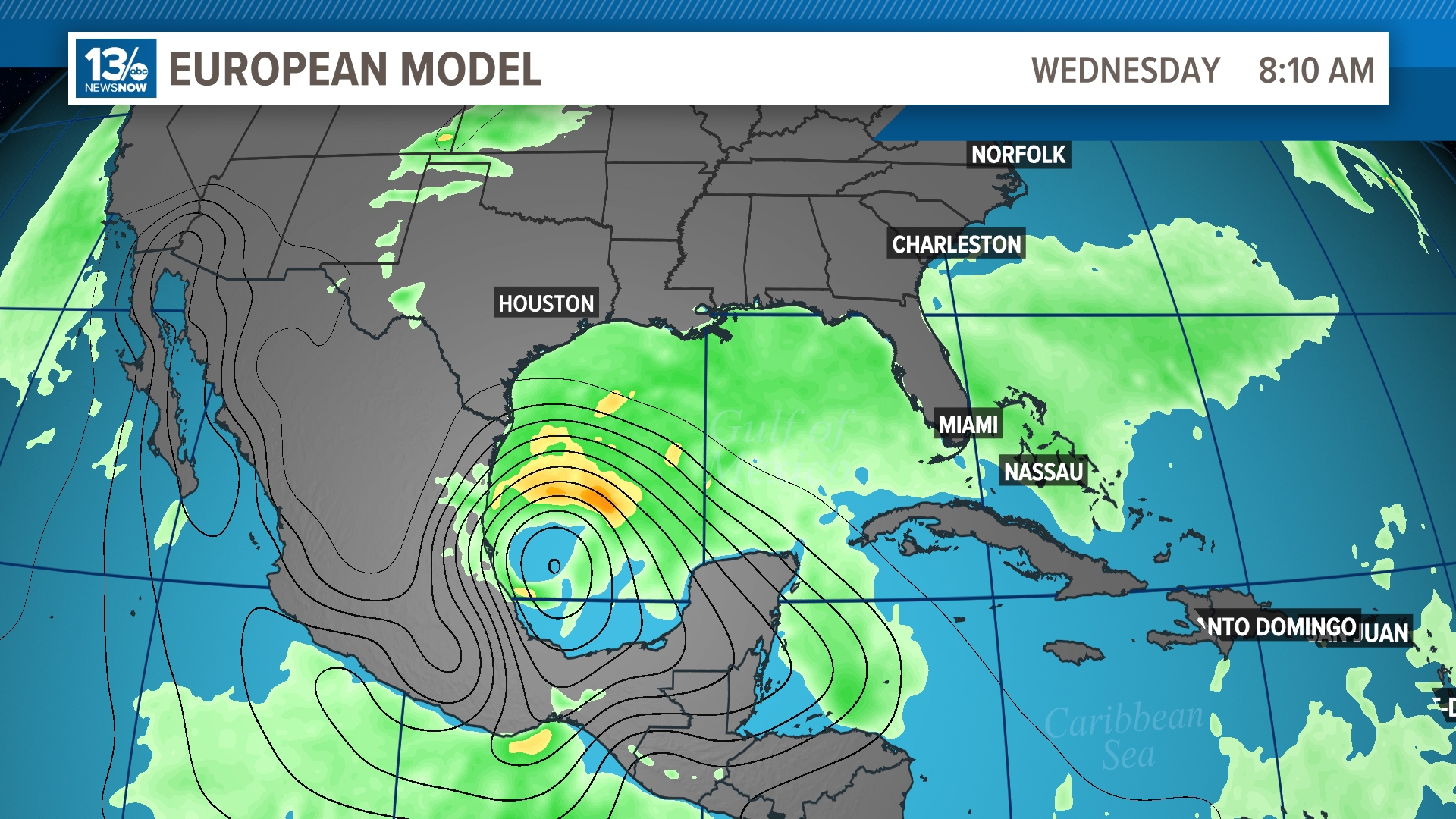
As of the latest advisories, the National Hurricane Center is continuously monitoring several areas for potential tropical development across the Atlantic basin. While specific storm formations are dynamic and can change rapidly, it is prudent for Florida to remain in a state of readiness throughout the active season.
Monitoring Tropical Disturbances
The NHC tracks various types of disturbances, from disorganized clusters of thunderstorms to more defined tropical waves. Not all disturbances develop into tropical storms or hurricanes, but vigilance is key. Identifying potential threats early allows for timely advisories and preparedness measures.
Seasonal Forecasts and Their Implications
Several reputable meteorological organizations, including those within NOAA and independent university research groups, issue seasonal hurricane forecasts. These forecasts predict the number of named storms, hurricanes, and major hurricanes expected. While these are probabilistic outlooks and not definitive predictions of individual storm landfalls, they provide a valuable indication of whether an above-average, average, or below-average season is anticipated. An above-average season, for instance, implies a higher likelihood of one or more storms impacting the Florida coast.
Hypothetical Scenarios and Preparedness
Given Florida’s extensive coastline and its susceptibility to hurricanes, it is always wise to consider potential scenarios. Even if no storms are currently imminent, the possibility of a future storm necessitates ongoing awareness and preparedness. This includes staying informed through official channels, having a family emergency plan, and assembling a disaster kit. For those planning a trip to Florida during hurricane season, it is advisable to monitor weather updates closely and have flexible travel arrangements.

Impact on Travel and Tourism in Florida
Hurricane activity, or even the threat of it, can significantly influence travel and tourism to and within Florida. The state’s economy relies heavily on its vibrant tourism sector, and disruptions can have far-reaching consequences.
Planning a Trip to Florida
For travelers considering a visit to Florida during the hurricane season, proactive planning is essential.
- Booking Flexibility: When booking flights and accommodations, opt for flexible cancellation policies or travel insurance that covers weather-related disruptions. This provides peace of mind in case of unforeseen storm activity.
- Monitoring Weather Forecasts: Regularly check the National Hurricane Center website and local news outlets for the most up-to-date weather information. Understand the difference between a tropical storm watch and a hurricane warning.
- Destination Choice: While all of Florida can be affected, certain coastal areas might be perceived as higher risk during peak season. Research current conditions and advisories for your chosen destination.
- Communication with Providers: Stay in direct contact with your hotel, airline, or tour operator regarding any changes or advisories. Many establishments have established protocols for handling weather emergencies.
During Your Stay in Florida
If a storm threat emerges while you are in Florida:
- Heed Evacuation Orders: If an evacuation order is issued for your area, it is imperative to comply immediately. Your safety is paramount.
- Secure Your Accommodation: Hotels and resorts in Florida typically have robust emergency plans in place. Follow the instructions of hotel staff regarding safety measures.
- Stay Informed: Continue to monitor official weather updates and local advisories.
- Consider Travel Insurance: If you haven’t already, review your travel insurance policy to understand what coverage you have for weather-related disruptions.
Post-Storm Recovery and Travel
In the event of a hurricane, recovery efforts can take time. While Florida is resilient and aims to restore its attractions and infrastructure as quickly as possible, travelers should be aware that some destinations might experience temporary closures or disruptions to services. Planning to visit areas that have already completed their recovery can still offer a wonderful experience. Supporting local businesses during the recovery phase can also be a meaningful aspect of travel.
Preparedness: A Shared Responsibility
The presence or potential threat of a hurricane is a reminder that preparedness is a shared responsibility among individuals, communities, and governmental agencies. For those living in or visiting Florida, staying informed and prepared is not just a recommendation; it is a vital aspect of safety and ensuring a positive experience, even amidst the uncertainties of hurricane season.
Individual and Family Preparedness
- Emergency Kit: Assemble a kit with essentials like water, non-perishable food, first-aid supplies, flashlights, batteries, a NOAA weather radio, and any necessary medications.
- Emergency Plan: Develop a family emergency plan that includes communication methods, evacuation routes, and meeting points.
- Home Hardening: For residents, consider measures to secure homes against high winds and flooding.
- Stay Informed: Continuously monitor official weather alerts from the National Hurricane Center and local emergency management agencies.
Community and Government Efforts
Florida has a well-established system for disaster preparedness and response. State and local agencies work tirelessly to:
- Issue Advisories: Provide timely and accurate watches and warnings.
- Coordinate Shelters: Open and manage public shelters for those who need to evacuate.
- Manage Evacuations: Coordinate traffic flow and safety during evacuation orders.
- Facilitate Recovery: Organize resources for post-storm damage assessment and aid.
By understanding the meteorological factors at play, staying informed through reliable sources like the National Hurricane Center, and practicing robust preparedness measures, both residents and travelers can navigate the hurricane season with greater confidence and safety in the beautiful state of Florida.
LifeOutOfTheBox is a participant in the Amazon Services LLC Associates Program, an affiliate advertising program designed to provide a means for sites to earn advertising fees by advertising and linking to Amazon.com. Amazon, the Amazon logo, AmazonSupply, and the AmazonSupply logo are trademarks of Amazon.com, Inc. or its affiliates. As an Amazon Associate we earn affiliate commissions from qualifying purchases.