
Navigating the official processes of any state can sometimes feel like deciphering an ancient map, especially when it comes to personal documentation. For residents and former residents of the Lone Star State, obtaining a Texas Driving Record, often referred to as a Motor Vehicle Record (MVR), is a common necessity. Whether you’re applying for auto insurance in Houston, seeking employment that requires driving, or simply curious about your own driving history, understanding how to acquire this document is crucial. This guide will walk you through the official channels and best practices to ensure you get your Texas Driving Record efficiently and accurately.
Understanding Your Texas Driving Record
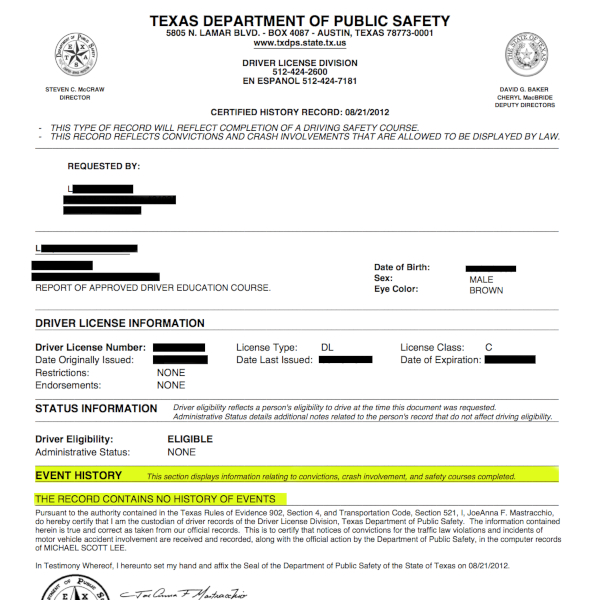
A Texas Driving Record is an official document that provides a summary of your driving history as maintained by the Texas Department of Public Safety (DPS). It typically includes information such as:
Key Information Contained in an MVR
- Personal Identification: Your name, address, date of birth, and driver’s license number.
- License Status: Information about the validity of your driver’s license, including any suspensions or revocations.
- Traffic Violations: A record of any moving violations, such as speeding tickets, running red lights, or DUIs, including the dates they occurred.
- Accident History: Details of any reported vehicle accidents you were involved in.
- Points System: While Texas no longer uses a strict point system for license suspension (as it was repealed), your record will still show violations that could contribute to higher insurance premiums or other consequences.
- Other Infractions: Records of any other relevant driving-related offenses.
The type of driving record you obtain can vary. The most common are the three-year history and the certified history, which typically covers a longer period and is often required for legal or official purposes.
Why You Might Need Your Driving Record
There are numerous scenarios where a Texas Driving Record becomes essential. Planning for these needs in advance can save you time and potential stress.
- Auto Insurance Quotes: Insurance companies heavily rely on your driving record to assess risk and determine your premiums. A clean record can lead to lower rates, while a history of violations may result in higher costs. When shopping for new insurance in cities like Dallas or Austin, you might be asked to provide this document.
- Employment Verification: Many jobs, especially those involving driving company vehicles, delivery services, or public transportation, require employers to verify a candidate’s driving history. This ensures the safety of their employees, clients, and the public.
- Legal Proceedings: In cases of legal disputes related to traffic accidents, license suspensions, or other driving-related matters, your official driving record serves as crucial evidence.
- Personal Review: It’s always a good practice to periodically review your own driving record to ensure its accuracy and to be aware of any potential issues you may have overlooked. This can be particularly useful if you’re considering a move to another state, as you’ll want to understand your standing before transferring your license.
- License Reinstatement: If your license has been suspended or revoked, obtaining a copy of your driving record is often a required step in the reinstatement process.
How to Request Your Texas Driving Record
The Texas Department of Public Safety (DPS) is the primary agency responsible for maintaining and issuing driving records. Fortunately, they offer several convenient methods for requesting your MVR.
Online Request
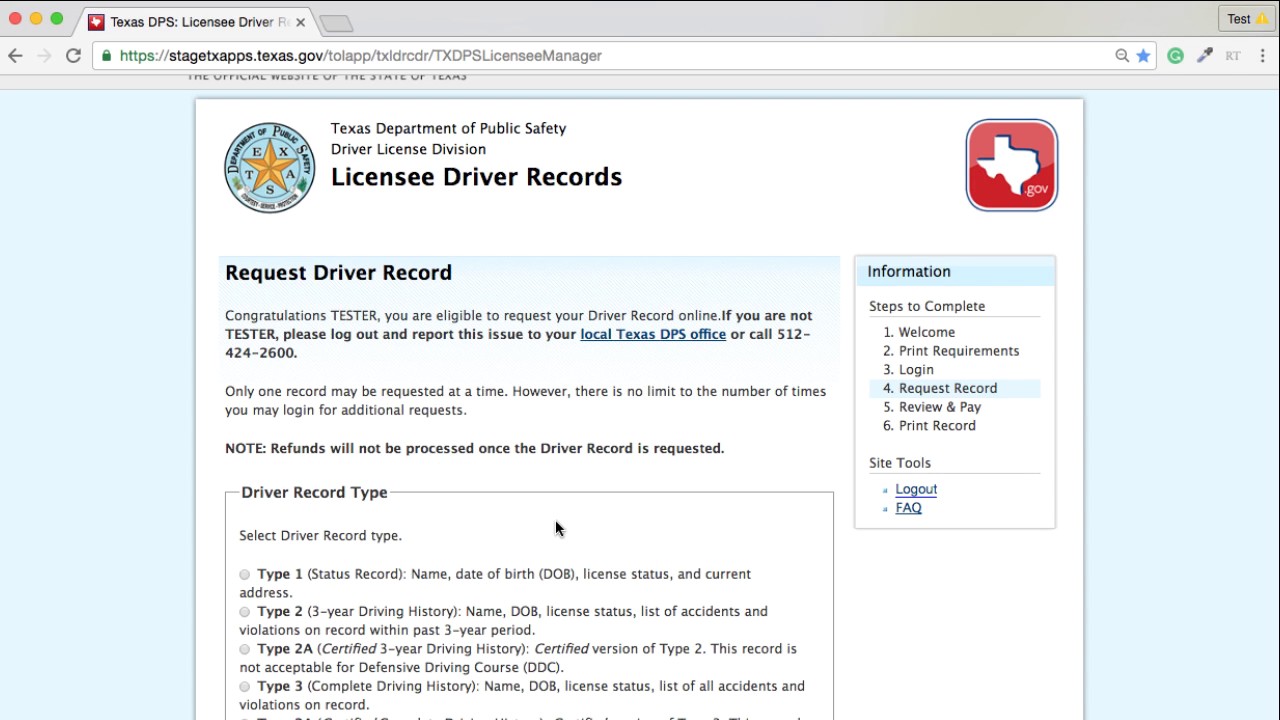
The most streamlined and often preferred method is requesting your driving record online through the official Texas DPS website.
Steps for Online Request:
- Visit the Official Texas DPS Website: Navigate to the official Texas DPS driver records portal. Be sure you are on the legitimate government site to avoid third-party scams.
- Select the Record Type: You will typically be presented with options for different types of driving records. Choose the one that best suits your needs (e.g., a three-year history or a certified record).
- Provide Required Information: You will need to enter personal details such as your driver’s license number, your full name, date of birth, and potentially your Social Security Number (SSN) for verification.
- Payment: There will be a fee associated with obtaining your driving record. This fee can usually be paid online using a credit or debit card.
- Receive Your Record: Once your request is processed and payment is confirmed, you can typically download a PDF version of your driving record immediately or receive it via email. Certified records may take longer to process and might be mailed.
Mail Request
If you prefer a traditional approach or are unable to complete the online request, you can also submit a request by mail.
Steps for Mail Request:
- Download the Request Form: Visit the Texas DPS website and locate the official Driver Record Request form (often a PDF).
- Complete the Form Accurately: Fill out all the required fields on the form, ensuring all information is legible and accurate. This includes your name, address, driver’s license number, and the type of record you are requesting.
- Include Payment: The form will specify the current fee for the driving record. You will need to include a check or money order payable to the Texas Department of Public Safety. Do not send cash.
- Mail the Form and Payment: Send the completed form and your payment to the address provided on the request form, which is typically the Texas DPS headquarters.
- Processing Time: Mail requests generally take longer to process than online requests. Allow several weeks for delivery.
In-Person Request (Limited Availability)
While less common and often subject to specific locations or appointments, some Texas residents may be able to request their driving record in person at a Texas Driver License office. However, it’s crucial to verify with the specific office beforehand, as not all locations offer this service, and it might require an appointment.
Considerations for In-Person Requests:
- Check Office Services: Before visiting, confirm with the local Texas Driver License office if they provide MVR request services.
- Required Identification: You will need to present valid photo identification, such as a driver’s license or state ID card, along with the completed request form and payment.
- Potential Wait Times: In-person requests may involve waiting times, similar to other services at driver license facilities.

Choosing the Right Type of Driving Record
The Texas DPS offers different versions of driving records, each serving distinct purposes. Selecting the correct one can prevent unnecessary delays or re-requests.
Three-Year History
This is a common option for many general purposes. It provides a snapshot of your driving activity over the past three years.
- Typical Uses: Often sufficient for basic employment checks, personal review, and some insurance inquiries.
- Accessibility: Usually the most straightforward and quickest to obtain, especially online.
Certified Driving Record
A certified driving record is a more comprehensive document that typically includes your complete driving history since you were first licensed in Texas. It is officially stamped and verified by the Texas DPS.
- Typical Uses: Essential for legal matters, court proceedings, significant employment requirements (especially for commercial driving licenses), license reinstatement processes, and sometimes for more detailed insurance underwriting.
- Processing: May take slightly longer to obtain than a three-year history and might have a higher fee.
Uncertified vs. Certified
The primary difference lies in the official validation. An uncertified record is for informational purposes, while a certified record holds legal standing. Always confirm with the requesting party (e.g., employer, court) which type of record they require.
Tips for a Smooth Request Process
To ensure your request for a Texas Driving Record goes as smoothly as possible, consider these practical tips:
Verify Your Information
Before submitting your request, double-check all the personal details you provide. An incorrect driver’s license number, name spelling, or date of birth can lead to your request being rejected or delayed.
Use Official Channels
Always use the official Texas DPS website or their designated mail-in process. Be wary of third-party websites that may charge exorbitant fees or provide unofficial documents. The official source is always the most reliable and cost-effective.
Be Patient with Processing Times
While online requests are often instantaneous, mail-in requests and some certified record requests can take time. Factor in potential processing and delivery times, especially if you have a deadline.
Keep a Copy for Your Records
Once you receive your driving record, it’s a good idea to save a digital copy and/or print a physical copy for your personal files. This makes it readily available for future needs without having to re-request it.
Understand Potential Fees
The fees for driving records are set by the Texas DPS. These fees are generally modest but can vary slightly depending on the type of record and the method of request. Ensure you have the correct payment method ready.
Contact Texas DPS for Assistance
If you encounter any difficulties or have specific questions about your driving record or the request process, the Texas DPS provides customer service channels. Their website usually lists contact numbers or email addresses for driver record inquiries.
Obtaining your Texas Driving Record is a straightforward process when you know where to look and what information is required. By utilizing the official channels provided by the Texas Department of Public Safety and understanding your options, you can efficiently secure this important document for all your personal, employment, or legal needs.
LifeOutOfTheBox is a participant in the Amazon Services LLC Associates Program, an affiliate advertising program designed to provide a means for sites to earn advertising fees by advertising and linking to Amazon.com. Amazon, the Amazon logo, AmazonSupply, and the AmazonSupply logo are trademarks of Amazon.com, Inc. or its affiliates. As an Amazon Associate we earn affiliate commissions from qualifying purchases.