
Navigating the intricacies of vehicle registration and operation in the great state of Texas can sometimes feel like a complex puzzle. Whether you’ve recently purchased a vehicle, are in the process of moving to the Lone Star State, or are temporarily operating a vehicle that requires specific licensing, understanding the process for obtaining a temporary license plate is crucial. These temporary tags, often referred to as “temp tags” or “paper tags,” serve as a legal, short-term solution allowing you to drive your vehicle while your permanent registration is being processed. This guide aims to demystify the process, outlining the requirements, eligible scenarios, and the steps involved in securing a Texas temporary license plate, ensuring you remain compliant with state law and can enjoy the open roads of Texas without interruption.
Understanding Texas Temporary License Plates
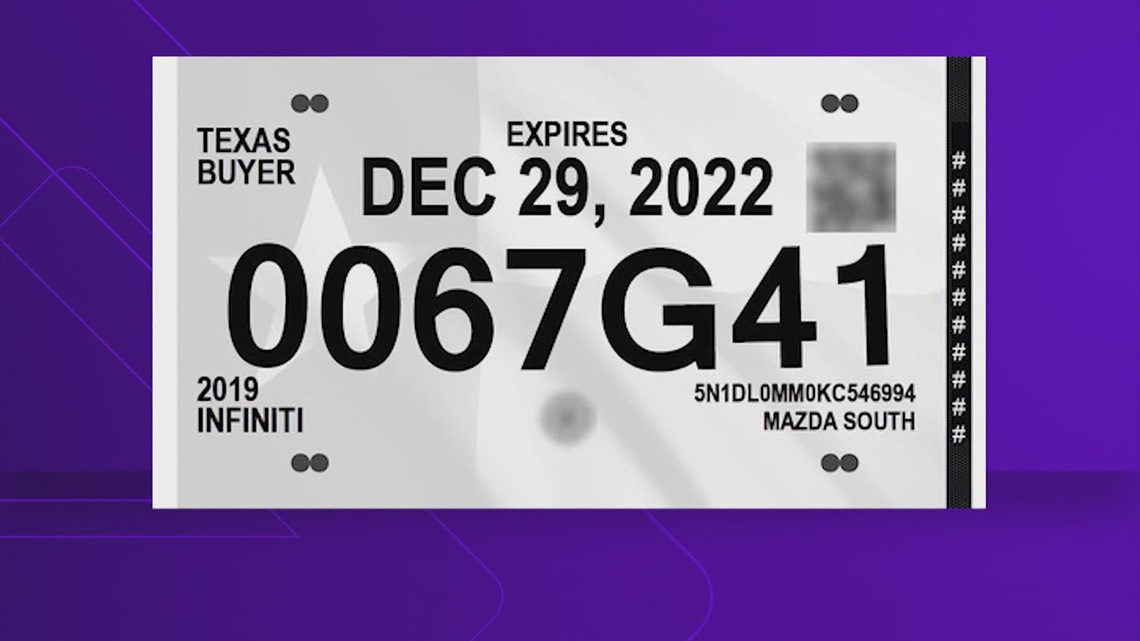
A temporary license plate in Texas is a legally recognized document that allows a motor vehicle to be operated on public roads for a limited period. These plates are not a substitute for permanent registration but rather a bridge between purchasing a vehicle and obtaining its official, long-term plates. They are typically issued by licensed Texas motor vehicle dealers or by the Texas Department of Motor Vehicles (DMV), now known as the Texas Department of Motor Vehicles (TxDMV) for certain administrative functions, through authorized third-party providers. The primary purpose is to enable lawful operation of a vehicle during the time it takes to complete the full registration and titling process.
Purpose and Validity
The fundamental purpose of a Texas temporary license plate is to provide a legal means for a vehicle to be driven when permanent registration is not yet available. This is particularly common in situations involving recent vehicle purchases, interstate vehicle transport, or when transferring ownership. The validity period for these temporary plates is strictly defined by state law. Typically, they are issued for a specific duration, such as 30, 60, or 90 days, depending on the circumstances and the issuing entity. It is imperative to be aware of the expiration date of your temporary plate and to ensure that your permanent registration is secured before it lapses to avoid penalties, fines, and potential impoundment of your vehicle.
Who Can Issue Temporary Plates?
The authority to issue temporary license plates in Texas is primarily granted to licensed motor vehicle dealers. When you purchase a vehicle from a dealership, they are typically responsible for providing you with the necessary temporary plates. This simplifies the initial process for buyers, allowing them to drive the new vehicle home immediately.
In addition to dealerships, the Texas Department of Motor Vehicles (TxDMV) also oversees the issuance of temporary plates through licensed third-party providers. These providers often cater to individuals who are not purchasing from a dealership but still require a temporary tag, such as when buying a vehicle privately or moving into Texas with a vehicle registered elsewhere. These third-party providers must be authorized by the TxDMV and adhere to strict regulations.
Types of Temporary Plates
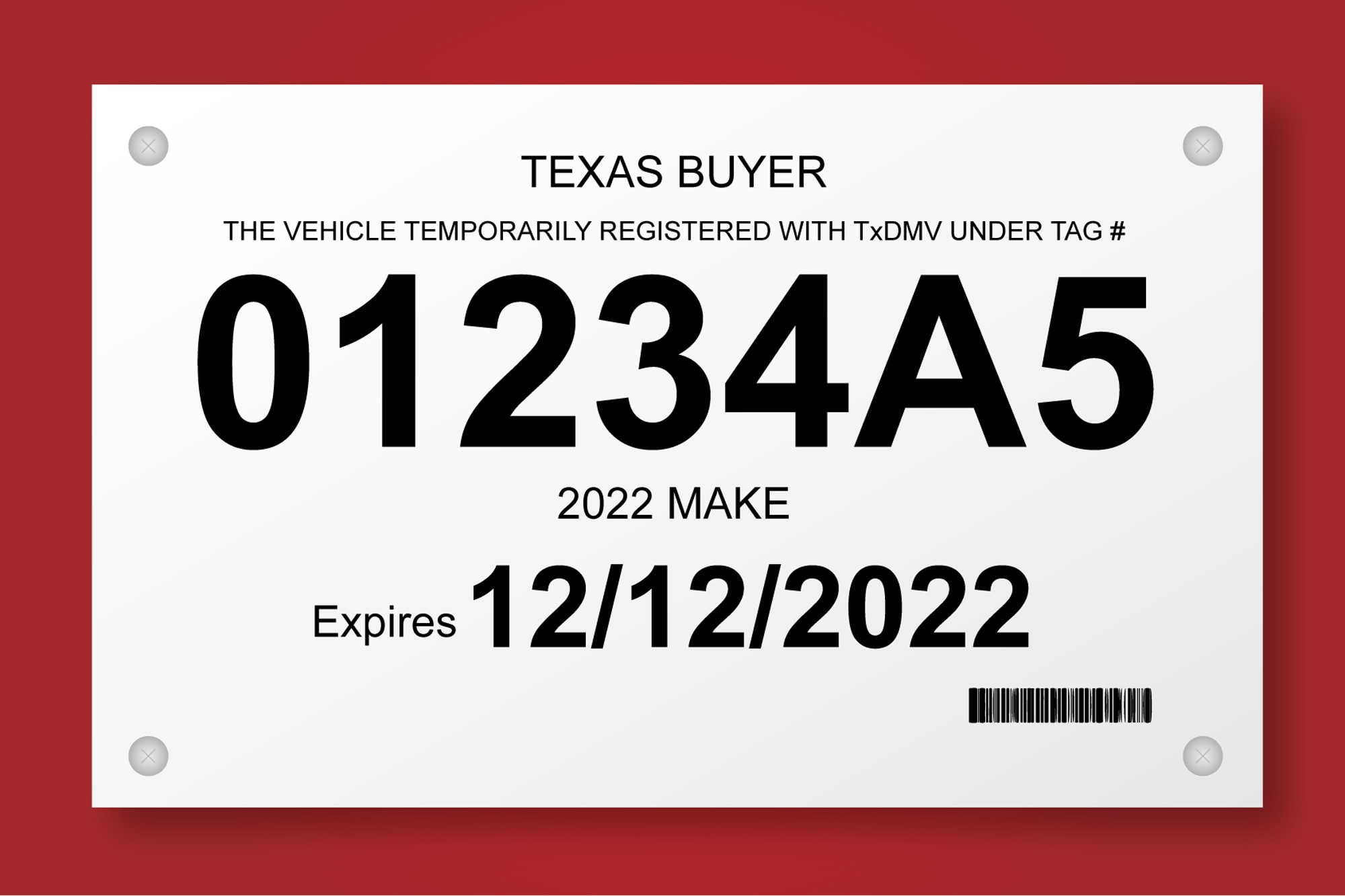
While the term “temporary license plate” often refers to a single concept, there can be nuances in how they are issued and for what specific purposes. Generally, the plates issued by dealerships and authorized third-party providers are what most individuals encounter. These are typically printed on durable paper with the necessary information, including the vehicle identification number (VIN), expiration date, and issuing entity.
It’s important to distinguish these from any specialized permits or temporary registrations that might be issued for very specific circumstances, such as a temporary permit for vehicle inspection or a one-time movement permit. For the purpose of general vehicle operation, the standard temporary license plate is the focus.
Eligibility and Requirements for Obtaining a Texas Temporary License Plate
Before embarking on the process of acquiring a temporary license plate, it’s essential to understand the eligibility criteria and the documentation you will likely need. These requirements are in place to ensure that the temporary plates are issued to legitimate owners for lawful purposes and to facilitate the subsequent permanent registration process.
Vehicle Purchase Scenarios
The most common scenario for requiring a temporary license plate is the purchase of a vehicle. This applies to both new and used vehicles bought from licensed dealerships. When a dealership sells you a vehicle, they are legally obligated to provide you with temporary tags.
For private vehicle sales, the situation is slightly different. While the seller might provide a temporary tag if they have one remaining or can legally acquire one, it is often the responsibility of the buyer to obtain their own temporary plate if they intend to drive the vehicle before completing the permanent registration. This ensures the buyer has a valid permit for legal operation.
Moving to Texas
If you are moving to Texas and bringing a vehicle with you that is currently registered in another state or country, you will need to obtain Texas license plates. During the period between establishing residency and completing the permanent registration, a temporary license plate is often necessary. You will typically need to present proof of residency, ownership, and the vehicle’s out-of-state registration and title to obtain a temporary tag.
Other Permissible Uses
Beyond new purchases and relocation, temporary license plates may be issued in other specific instances, though these are less common for the general public. These could include situations where a vehicle needs to be moved to a specific location for repair or inspection, or for vehicles being temporarily operated under special circumstances that are permitted by Texas law. The specifics of these situations would be governed by Texas Transportation Code and the regulations set forth by the TxDMV.
Required Documentation
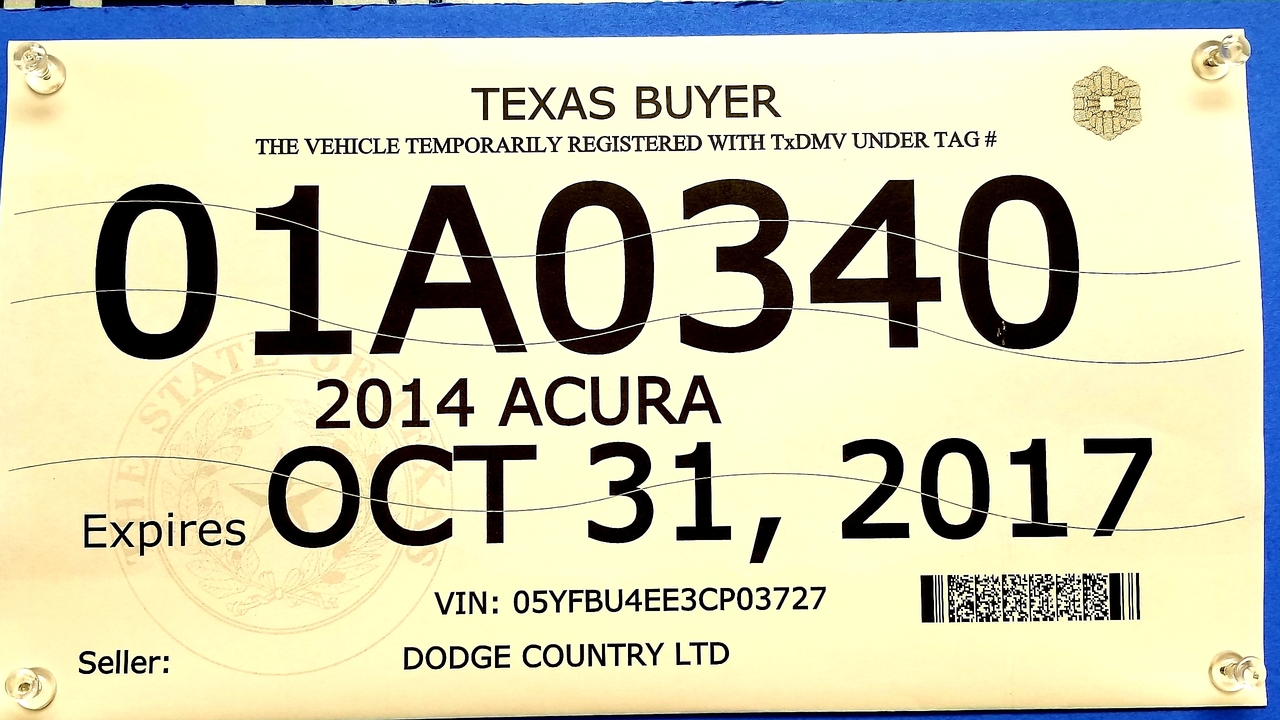
The documentation required to obtain a temporary license plate can vary slightly depending on the issuing entity and the specific circumstances. However, a consistent set of documents is generally expected:
- Proof of Vehicle Ownership: This is paramount. You will need to provide documentation that establishes you as the legal owner of the vehicle. This typically includes:
- Bill of Sale: For vehicles purchased from a dealership or a private seller, a detailed bill of sale is crucial. It should include the VIN, make, model, year, purchase price, and the names and signatures of both buyer and seller.
- Title: The vehicle’s title document, properly signed over to you by the previous owner, is essential for establishing ownership.
- Proof of Insurance: Texas law mandates that all registered vehicles must have liability insurance. You will need to present a valid insurance card or policy declaration page showing continuous coverage for the vehicle.
- Proof of Identity: You will need to present a valid government-issued photo ID, such as a driver’s license or state ID card.
- Vehicle Identification Number (VIN): The VIN is a unique identifier for your vehicle and will be required on all application forms.
- Proof of Residency (if applicable): If you are establishing residency in Texas, you may need to provide utility bills, a lease agreement, or other documents that confirm your Texas address.
- Application Form: You will need to complete the appropriate application form provided by the issuing entity. This form will collect necessary information about you and the vehicle.
The Process of Obtaining a Temporary License Plate
The process for acquiring a temporary license plate in Texas is designed to be straightforward, especially when dealing with licensed dealerships. However, for individuals obtaining them through other means, a few more steps may be involved.
Through a Licensed Texas Dealer
If you are purchasing a vehicle from a licensed dealership in Texas, the process is typically integrated into the sales transaction.
- Sales Completion: Once you finalize the purchase of your vehicle, the dealership’s finance and insurance (F&I) department or sales staff will initiate the paperwork for registration.
- Temporary Plate Issuance: The dealership will electronically transmit the necessary information to the TxDMV and will then issue you a temporary license plate. This plate is usually a printed paper tag that is affixed to the rear of your vehicle.
- Temporary Registration Receipt: You will also receive a temporary registration receipt, which is a legal document confirming your right to operate the vehicle with the temporary plate. This receipt will include the expiration date of the temporary plate.
- Permanent Plate Processing: The dealership will also handle the application for your permanent Texas license plates and registration. These will typically be mailed to you or the dealership, depending on the arrangement, within a specified timeframe.
Through an Authorized Third-Party Provider
For individuals who are not purchasing from a dealership or need a temporary plate for other valid reasons (e.g., buying privately, moving to Texas), the process involves visiting an authorized third-party provider. These providers are essentially licensed businesses authorized by the TxDMV to issue temporary plates and handle related registration services.
- Locate an Authorized Provider: You can find a list of authorized third-party providers on the official TxDMV website. It’s advisable to call ahead to confirm their operating hours and the specific documents they require.
- Gather Required Documents: Ensure you have all the necessary documentation as outlined in the “Eligibility and Requirements” section. This includes proof of ownership, insurance, identity, and residency if applicable.
- Complete Application: You will need to fill out the relevant application form provided by the third-party provider. This form will require details about the vehicle and the applicant.
- Submit Documents and Application: Present your completed application and all supporting documents to the provider. They will verify your information.
- Pay Fees: There will be fees associated with the issuance of the temporary plate, which typically cover administrative costs, the plate itself, and any applicable state taxes or fees.
- Receive Temporary Plate and Receipt: Upon successful processing, the authorized provider will issue you the temporary license plate and a corresponding temporary registration receipt. These should be displayed and kept as instructed.
- Permanent Registration: The third-party provider may also offer services to assist with your permanent registration application, or they may provide you with the necessary guidance and forms to complete it yourself through the county tax assessor-collector’s office.
What to Do Once You Have Your Temporary Plate
Once you have your temporary license plate, it is crucial to display it correctly and understand its limitations.
- Proper Display: Affix the temporary plate to the designated location on your vehicle, typically the rear bumper or window, as indicated by the issuing authority. Ensure it is clearly visible and not obstructed.
- Carry Documentation: Always carry your temporary registration receipt, proof of insurance, and your driver’s license in the vehicle while operating it under a temporary plate. Law enforcement officers may request these documents during a traffic stop.
- Track Expiration: Be acutely aware of the expiration date on your temporary plate and receipt. Do not drive with an expired temporary plate.
- Complete Permanent Registration: It is your responsibility to complete the process for obtaining permanent Texas license plates and registration before your temporary plate expires. This usually involves visiting your local county tax assessor-collector’s office or completing the process online or by mail if allowed for your specific situation.
Navigating Permanent Registration After Temporary Plates
The temporary license plate is a vital step, but it’s only a temporary solution. The ultimate goal is to obtain your permanent Texas license plates and registration. Understanding this next phase is critical to avoid any lapses in legal operation of your vehicle.
The Role of the County Tax Assessor-Collector
In Texas, the county tax assessor-collector’s office is the primary entity responsible for processing permanent vehicle registrations and issuing official license plates. Once you have your temporary plate, you will need to engage with this office to finalize your vehicle’s registration.
Steps for Permanent Registration
The exact steps for permanent registration can vary slightly depending on whether you are a new resident or have purchased a vehicle within Texas, but generally involve the following:
- Gather Required Documents: You will need most of the same documents as for the temporary plate, but now with a focus on completing the permanent registration. This includes:
- The vehicle’s title (properly signed over to you).
- Proof of Texas liability insurance.
- Your valid driver’s license or identification.
- The expired temporary registration receipt.
- A Texas Vehicle Inspection Report (VIR) if your vehicle requires a state inspection. Texas requires a safety inspection for most vehicles, and an emissions inspection in certain counties.
- A completed Application for Texas Title and/or Registration (Form 130-U).
- Vehicle Inspection: If required, you must have your vehicle inspected at a licensed Texas inspection station. You will receive a VIR, which must be presented at the county tax office.
- Visit Your Local County Tax Assessor-Collector’s Office: Take all your gathered documents and the VIR (if applicable) to your local county tax office. You can typically find your county’s office and its services by searching online for “Texas county tax assessor-collector.”
- Complete Title Transfer and Registration: At the county office, you will submit your application for title and registration. They will process the title transfer, collect applicable fees (including title fees, registration fees, and any local fees or taxes), and issue your permanent license plates and registration stickers.
- Receive Permanent Plates and Stickers: You will receive your official Texas license plates and registration stickers, which you will then need to affix to your vehicle according to state regulations.
Timeline and Deadlines
It is critical to adhere to the timelines for obtaining permanent registration. Generally, after purchasing a vehicle, you have a set period (often 30 days) to title and register it in Texas. For new residents, the timeframe is typically 30 days from establishing residency. Failing to complete this process within the allotted time can result in penalties and fines. The expiration of your temporary plate serves as a hard deadline for completing your permanent registration.
By understanding the nuances of temporary license plates and the subsequent permanent registration process, you can ensure a smooth and legal transition of vehicle ownership and operation in Texas, allowing you to fully enjoy your journeys across the vast and beautiful landscapes of the state.
LifeOutOfTheBox is a participant in the Amazon Services LLC Associates Program, an affiliate advertising program designed to provide a means for sites to earn advertising fees by advertising and linking to Amazon.com. Amazon, the Amazon logo, AmazonSupply, and the AmazonSupply logo are trademarks of Amazon.com, Inc. or its affiliates. As an Amazon Associate we earn affiliate commissions from qualifying purchases.