
As the sun-drenched coastline of Florida beckons millions of travelers each year, the prospect of inclement weather is an unavoidable consideration for any visitor or resident. The Sunshine State, renowned for its vibrant beaches, iconic theme parks, and lush natural landscapes, is also situated in a region particularly susceptible to tropical weather systems. Understanding the potential for storms, particularly during hurricane season, is not just a matter of prudence; it’s integral to planning a successful and safe trip. This article delves into the meteorological realities of Florida, exploring the types of storms that can impact the state, the factors influencing their development, and how travelers can stay informed and prepared.
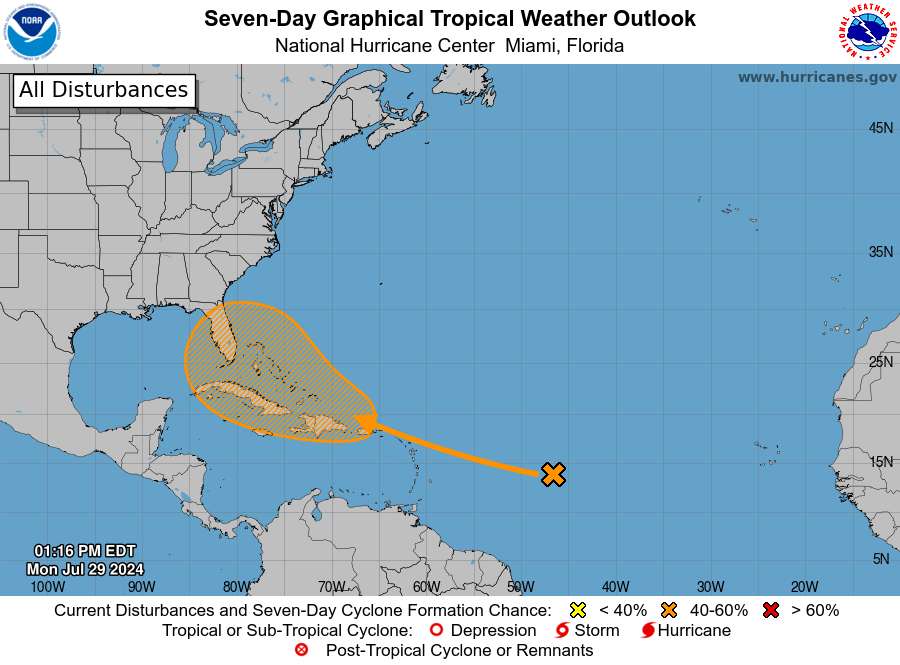
Understanding Florida’s Weather Patterns
Florida’s geographical position, jutting out into the Atlantic Ocean and Gulf of Mexico, exposes it to a variety of weather phenomena. While known for its pleasant, subtropical climate for much of the year, the state experiences distinct weather seasons, each with its own set of characteristics. The summer and early fall months, in particular, are synonymous with tropical activity.
Hurricane Season: The Primary Concern
The official Atlantic hurricane season runs from June 1 to November 30 each year. During this period, the warm waters of the Atlantic Ocean and the Gulf of Mexico can fuel the development of tropical depressions, tropical storms, and ultimately, hurricanes. These powerful rotating storms are characterized by strong winds, heavy rainfall, and a dangerous storm surge, which can cause significant coastal flooding.
The intensity of hurricane season varies from year to year. Factors such as El Niño and La Niña patterns, sea surface temperatures, and atmospheric wind patterns all play a role in determining the number and strength of storms that form. Even without a direct landfall, outer bands of distant hurricanes can bring significant rain, gusty winds, and dangerous surf to Florida’s shores.
Other Significant Weather Events
While hurricanes are the most dramatic weather threat, Florida is also prone to other significant weather events.
- Tropical Storms: These are less intense than hurricanes but can still bring substantial rainfall, leading to inland flooding and gusty winds that can cause power outages and damage.
- Thunderstorms: Florida experiences a high frequency of thunderstorms, particularly during the warmer months. These can range from brief, localized downpours to severe storms with lightning, hail, and strong wind gusts. The lightning associated with Florida’s thunderstorms is a significant hazard, contributing to a high number of lightning-related injuries and fatalities annually.
- Cold Fronts: During the cooler months (typically December to February), strong cold fronts can sweep across the state, bringing dramatic temperature drops, strong winds, and sometimes severe weather like squall lines. These fronts can cause significant disruption, particularly to agriculture and outdoor activities.
- Tornadoes: While less common than in some other parts of the United States, tornadoes can occur in Florida, often associated with the outer bands of tropical cyclones or severe thunderstorms.
Factors Influencing Storm Development and Tracks
The path and intensity of a tropical storm or hurricane are influenced by a complex interplay of atmospheric conditions. Meteorologists use sophisticated computer models to predict these factors, but inherent uncertainties remain.
Sea Surface Temperatures (SSTs)
Warm ocean waters are the primary fuel for tropical cyclones. SSTs of at least 80°F (26.7°C) extending to a depth of at least 150 feet are generally required for a tropical system to form and strengthen. The Gulf of Mexico and the western Atlantic Ocean, bordering Florida, often experience these warm temperatures during the summer and fall months, making them prime breeding grounds for storms.
Atmospheric Steering Currents
Large-scale weather patterns, often referred to as steering currents, dictate the direction in which tropical storms and hurricanes move. These currents are influenced by features like high-pressure systems (e.g., the Bermuda-Azores High) and low-pressure troughs. A strong ridge of high pressure to the north can force storms westward, towards the United States coast. Conversely, a trough moving off the East Coast can steer storms northward or northeastward, out to sea.
Wind Shear

Wind shear, which is the change in wind speed and/or direction with height, can either inhibit or enhance tropical storm development. High vertical wind shear can tear apart the developing circulation of a storm, preventing it from organizing and strengthening. Low or moderate wind shear, on the other hand, is conducive to the development and intensification of tropical cyclones.
Land Interaction and Cooling
Once a tropical system makes landfall, it rapidly loses its energy source (warm ocean water) and begins to weaken. However, the outer bands can still produce heavy rain and gusty winds over land. Interaction with mountainous terrain (less of a factor in largely flat Florida) can also disrupt storm structure.
Staying Informed and Prepared: Tips for Travelers and Residents
For anyone planning a trip to Florida or residing there, staying informed about potential weather threats is paramount. Proactive planning can mitigate risks and ensure a safer experience.
Monitoring Official Forecasts
The most reliable source of information regarding tropical weather is the National Hurricane Center (NHC), part of the National Oceanic and Atmospheric Administration (NOAA). The NHC issues advisories, watches, and warnings for tropical cyclones, providing critical updates on their location, intensity, and projected track.
- Watches: A hurricane watch is issued when hurricane conditions are possible within the specified area, typically within 48 hours.
- Warnings: A hurricane warning is issued when hurricane conditions are expected within the specified area, typically within 36 hours. This indicates that hazardous weather is likely and requires immediate action.
In addition to the NHC, local National Weather Service offices provide detailed forecasts for specific regions within Florida, including information on thunderstorms and other localized weather events.
Travel Planning Considerations
When booking a trip to Florida, especially during hurricane season, it’s wise to consider flexibility and preparedness.
- Travel Insurance: Investing in comprehensive travel insurance can protect your investment if your trip is canceled or interrupted due to severe weather. Ensure your policy clearly covers weather-related cancellations.
- Flexible Itineraries: If possible, book flights and accommodations with flexible change or cancellation policies. This allows you to adjust your travel dates if a significant storm is forecast.
- Accommodation Choices: When staying in coastal areas, consider the elevation of your hotel or vacation rental. Properties on higher ground are generally less susceptible to storm surge. Look for accommodations with robust emergency plans and consider properties that are designated as hurricane shelters if you are a resident looking for immediate safety.
- Emergency Kits: Whether you are a visitor or a resident, having a basic emergency kit is always a good idea. This should include water, non-perishable food, a flashlight, batteries, a first-aid kit, and any necessary medications.
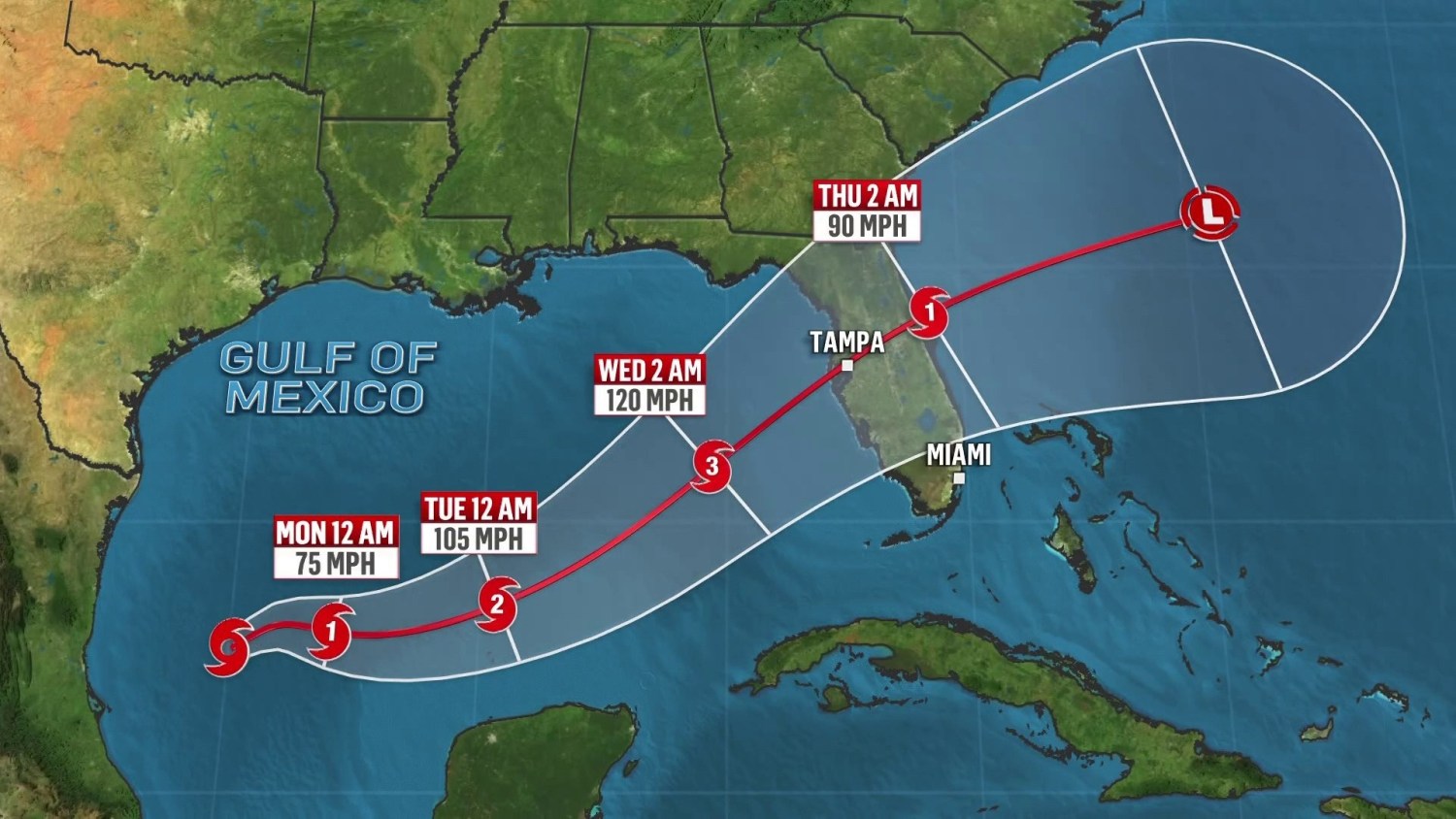
Evacuation Procedures and Safety
In the event of an evacuation order, adherence to official guidance is crucial. Evacuation zones are determined by local emergency management agencies based on the projected impact of a storm, particularly storm surge.
- Know Your Zone: Familiarize yourself with the designated evacuation zones in the area you plan to visit or reside. This information is typically available from local government websites.
- Understand the Orders: Pay close attention to the specifics of any evacuation order, including when it takes effect and which zones are included.
- Have a Plan: If you are a resident, have a predetermined evacuation route and a safe place to go, whether it’s a friend’s house inland, a designated shelter, or a hotel in a non-evacuation zone.
- Stay Connected: Ensure you have a way to receive emergency alerts, such as through NOAA Weather Radio, local news broadcasts, or smartphone apps.
The allure of Florida is undeniable, offering a diverse range of experiences for every type of traveler. By understanding the state’s unique weather patterns, staying informed about potential storm threats, and preparing accordingly, visitors and residents alike can navigate the Sunshine State’s meteorological landscape with confidence and ensure their journeys are both memorable and safe. The question of a storm heading towards Florida is not a matter of if, but when and how severe. Vigilance and preparedness are the keys to enjoying all that this dynamic state has to offer, regardless of the weather.
LifeOutOfTheBox is a participant in the Amazon Services LLC Associates Program, an affiliate advertising program designed to provide a means for sites to earn advertising fees by advertising and linking to Amazon.com. Amazon, the Amazon logo, AmazonSupply, and the AmazonSupply logo are trademarks of Amazon.com, Inc. or its affiliates. As an Amazon Associate we earn affiliate commissions from qualifying purchases.