
Embarking on a journey through the Golden State, whether for its vibrant cities, stunning national parks, or iconic coastal drives, often involves navigating its extensive road network. For many visitors and even new residents, one seemingly minor detail can spark confusion: the requirement for a front license plate. Understanding California’s vehicle code is not just about avoiding a citation; it’s about ensuring a smooth, hassle-free travel experience as you explore all that this diverse state has to offer. This guide delves into the specifics, offering clarity and practical advice for anyone planning to drive in California.

The California Vehicle Code: The Law Explained
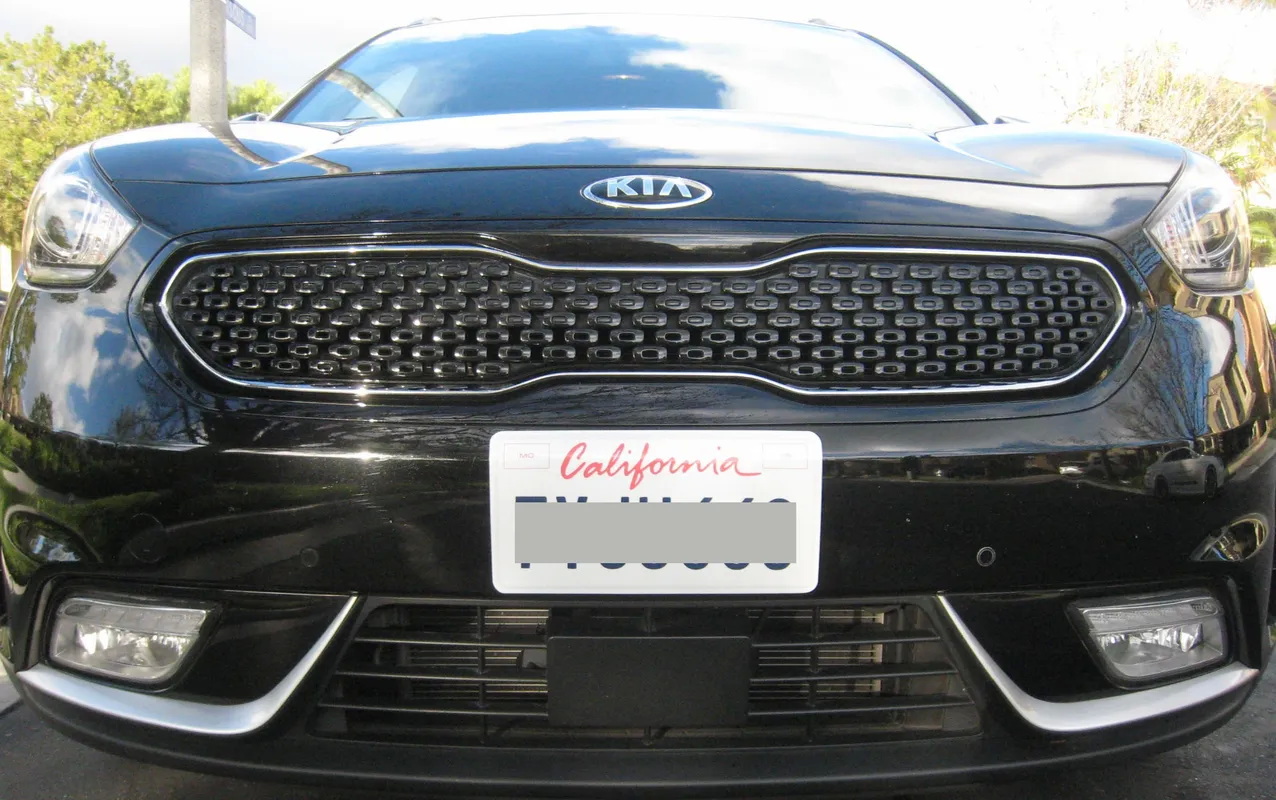
California is one of 31 states in the U.S. that mandates vehicles display both front and rear license plates. This isn’t merely a suggestion; it’s a legal requirement enshrined in the California Vehicle Code, specifically Section 5200. This regulation states that “When two license plates are issued by the DMV for a vehicle, they shall be attached to the vehicle for which they were issued, one in the front and one in the rear.” The intent behind this dual-plate system is multifaceted, primarily aiding law enforcement in vehicle identification for various purposes, including traffic enforcement, toll collection, and Amber Alerts.
For tourists driving their own vehicles into California from states that only require a single rear plate, this can be a significant point of contention. While out-of-state visitors are generally expected to adhere to the laws of their home state, prolonged stays or repeated visits might draw attention. However, for vehicles registered within California, or for those purchased and titled within the state, the expectation is unequivocally clear: both plates must be displayed. Ignoring this can lead to unwarranted stops and potential fines, disrupting an otherwise pleasant trip.
The requirement applies to most standard passenger vehicles, trucks, and commercial vehicles. It’s important to note that the plates must be clearly visible, securely fastened, and free from any obstructions like tinted covers or frames that obscure the characters or state name. The California Department of Motor Vehicles (DMV) issues two plates for almost all new vehicle registrations, making the compliance process straightforward for residents. For those from out-of-state, understanding this regulation before you arrive can save you considerable stress.
Why Two Plates Matter for California Tourism
From the perspective of tourism, understanding this regulation is crucial for a smooth journey. Imagine cruising down the scenic Pacific Coast Highway or navigating the bustling streets of Los Angeles or San Francisco. The last thing any traveler wants is to be pulled over for a seemingly minor vehicle code violation. While an officer might issue a warning, a citation is also a possibility, potentially leading to fines and the need to resolve the issue from afar, adding an unwelcome layer of complexity to your vacation.
Furthermore, automated systems, such as those used for toll roads or parking enforcement, often rely on both front and rear plate recognition. Failing to display a front plate might lead to complications with electronic toll collection systems, potentially resulting in delayed bills, higher fees, or even penalties. This is particularly relevant when traveling through areas like the Golden Gate Bridge district or various express lanes where electronic tolls are the norm. Adhering to the regulation ensures your journey through California’s diverse landscapes and urban centers remains uninterrupted and enjoyable.
Exceptions and Exemptions: Are There Any?
While the two-plate rule is a cornerstone of California’s vehicle registration laws, there are a few niche exceptions, though they are quite rare and typically do not apply to the average tourist or general passenger vehicle. Understanding these can prevent misinterpretations and provide clarity.
Specific Vehicle Types
Certain categories of vehicles are explicitly exempt from the front license plate requirement. These usually include motorcycles, which by design are only equipped to display a single rear plate. Additionally, some special interest vehicles, particularly those manufactured before a certain year or classified as historic vehicles, might have specific provisions, though these are often determined on a case-by-case basis by the DMV and are not a blanket exemption. It’s imperative that owners of such vehicles confirm their status directly with the DMV to ensure compliance.
Another category includes vehicles that were specifically designed by the manufacturer without a front mounting area for a license plate. In recent years, due to evolving vehicle designs, some high-performance or luxury vehicles have presented this challenge. For these specific models, California has explored and, in some instances, implemented pilot programs for alternative front display methods, such as decals or temporary mounts. However, these are not universal and require specific approval or participation in designated programs. The default assumption for any standard passenger car or truck remains the dual plate requirement.
Out-of-State Vehicles and Temporary Tags
For visitors driving into California from states that do not require a front license plate, the rules can seem ambiguous. Generally, a vehicle legally registered in another state is permitted to operate in California under the registration laws of its home state. This means if your state of residence only issues a single rear plate, you are typically not required to affix a front plate while visiting California. This grace period allows tourists to enjoy the attractions of San Diego, Yosemite National Park, and beyond without immediate concern for this specific local regulation.

However, this leniency usually applies only to short-term visits. If you are relocating to California or plan an extended stay (generally over 20 days for new residents), you will be required to register your vehicle in California and, in doing so, will become subject to its two-plate requirement. Similarly, if you’ve recently purchased a vehicle and are operating on temporary paper tags, ensure that these are displayed according to the instructions provided by the dealership or DMV, often requiring both front and rear display for temporary identification. Always err on the side of caution and consult the DMV if you anticipate a long-term stay or any potential ambiguities in your vehicle’s status.
Consequences of Non-Compliance: What to Expect
Ignoring the front license plate requirement in California can lead to various inconveniences and financial penalties. While the offense is generally considered a “fix-it ticket” or an “infraction,” the hassle and potential costs can certainly detract from any travel plans or daily routines. Understanding these consequences is key to making informed decisions and ensuring a worry-free experience in the state.
Fines and Citations
The most immediate consequence of not displaying a front license plate is receiving a citation from law enforcement. This offense typically falls under the category of an “infraction” in California. The base fine for such an infraction can vary, but it’s often around $25. However, with various court fees, penalties, and assessments, the total cost can easily escalate to well over $100. This is a significant sum for a seemingly minor issue, especially if you’re traveling on a budget or prefer to allocate your funds towards experiences rather than penalties.
What makes it even more frustrating is that a lack of a front plate can be a primary reason for a police stop. While the officer might originally stop you for the missing plate, any other observed violations or issues with your vehicle or documentation could then be addressed, potentially leading to additional citations. This can transform a simple “fix-it” ticket into a more complicated and costly encounter. For visitors exploring destinations like Sacramento’s historic sites or the vibrant beaches of Santa Monica, such an interruption is certainly unwelcome.
“Fix-It” Tickets and Compliance
In many cases, an officer might issue a “fix-it ticket” (also known as a “correction notice”). This type of citation requires the driver to correct the violation and provide proof of correction to the court or relevant authority by a specified date. For a missing front license plate, this would involve attaching the plate to the vehicle. Once the correction is made, a law enforcement officer or authorized inspection station can verify it, and you submit the signed proof to the court, often with a reduced administrative fee.
However, for out-of-state visitors, complying with a “fix-it ticket” can be particularly challenging. If you receive a citation during a short visit to California and then return to a state that doesn’t require a front plate, the process of correcting and proving the fix can be cumbersome. It might involve special arrangements, mailing documents, or even returning to [California](https://lifeoutofthebox.com/california], which is hardly practical. Therefore, prevention is always the best approach, especially for those who plan to register their vehicles in California or embark on an extended stay. Ensuring your vehicle is compliant before hitting the road means you can focus entirely on enjoying the diverse attractions and experiences that California has to offer.
Navigating California Roads: Practical Advice for Drivers
For anyone planning to drive extensively through California, understanding and adhering to the front license plate rule is a small but significant step towards a smooth journey. Whether you’re an intrepid traveler charting a course through Death Valley National Park or a city explorer cruising the boulevards of Beverly Hills, compliance helps you avoid unnecessary hassle.
For California Residents and Newcomers
If you are a resident of California or have recently moved to the state, there should be no ambiguity regarding the front license plate. Upon registration, the DMV issues two plates, and both must be displayed. If for any reason you only have one plate, contact the DMV immediately to request a replacement set. Do not postpone this, as driving with only one plate, especially a missing front one, makes your vehicle conspicuous to law enforcement and automated systems. Ensure the plate is securely fastened and visible, free from any frames or covers that obscure the state name or characters, which can also be a violation. Proper installation often requires a simple bracket and screws, readily available at auto parts stores.
For Out-of-State Visitors and Rental Cars
As discussed, out-of-state visitors driving a vehicle legally registered in a single-plate state are generally exempt during short visits. However, it’s wise to carry your vehicle registration papers to prove your state of origin and its respective laws, should you be questioned. This documentation can swiftly clarify your situation to law enforcement, preventing potential misunderstandings.
When renting a car in California, the responsibility for compliance generally falls on the rental company. Reputable rental agencies will ensure their vehicles meet all California regulations, including the display of both front and rear license plates. Before driving off the lot, it’s a good practice to quickly verify that both plates are affixed. This simple check ensures that the vehicle you’re driving is fully compliant, allowing you to focus on enjoying your trip rather than worrying about local regulations. Renting from a major agency almost guarantees compliance, allowing you to drive worry-free through popular tourist corridors from San Jose to Palm Springs.
Ultimately, the front license plate requirement in California is a straightforward regulation designed to enhance public safety and administrative efficiency. By understanding and respecting this rule, drivers contribute to a safer environment for everyone and ensure their own travels across the state are as smooth and enjoyable as the diverse landscapes they come to explore.
LifeOutOfTheBox is a participant in the Amazon Services LLC Associates Program, an affiliate advertising program designed to provide a means for sites to earn advertising fees by advertising and linking to Amazon.com. Amazon, the Amazon logo, AmazonSupply, and the AmazonSupply logo are trademarks of Amazon.com, Inc. or its affiliates. As an Amazon Associate we earn affiliate commissions from qualifying purchases.