
The Lone Star State’s Seat of Power
For many, the vibrant, music-filled streets and burgeoning tech scene of Austin immediately come to mind when thinking of Texas. But is this ever-popular city the official capital of the Lone Star State? The answer is a resounding yes. Austin proudly holds the title of the capital city, a designation that reflects its historical significance, its role in state governance, and its growing importance on the national stage. From its origins as a frontier settlement to its current status as a major cultural and political hub, Austin’s journey to becoming the capital is a fascinating narrative woven into the fabric of Texas history.
A Strategic Location and Early Aspirations
The story of Austin as the capital begins long before its modern-day reputation for live music and breakfast tacos. The selection of a permanent capital for Texas was a matter of considerable debate and political maneuvering following the Republic’s independence from Mexico in 1836. Several locations vied for the honor, each with its own strategic or sentimental appeal. Early contenders included Houston, which served as the first capital of the Republic of Texas, and cities like Galveston and Corpus Christi. However, the desire for a more central location, away from the coastal threats and with access to resources, began to grow.
The site that would eventually become Austin was first settled in 1835 by Jacob Harrell and later by John B. Mumford, who established a small community called Waterloo. Its location on the Colorado River offered fertile land and a vital water source, making it an attractive spot for future development. The Republic’s leaders recognized its potential, and in 1839, the site was chosen as the permanent capital. To honor Stephen F. Austin, the “Father of Texas,” the city was renamed Austin.
The Architectural Heart of Governance
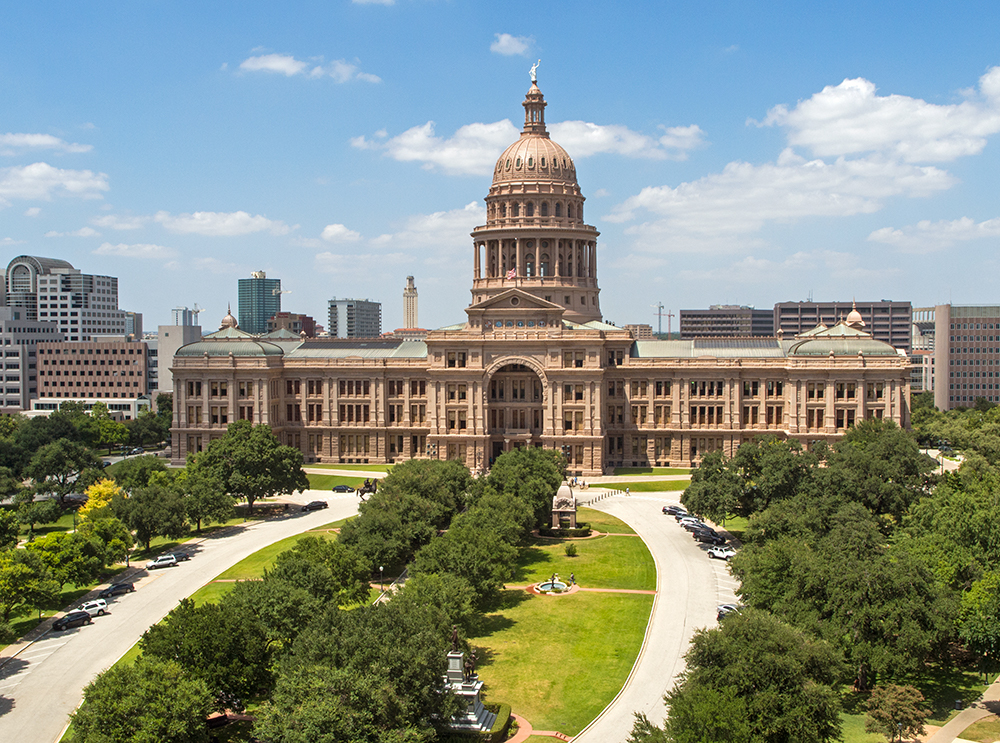
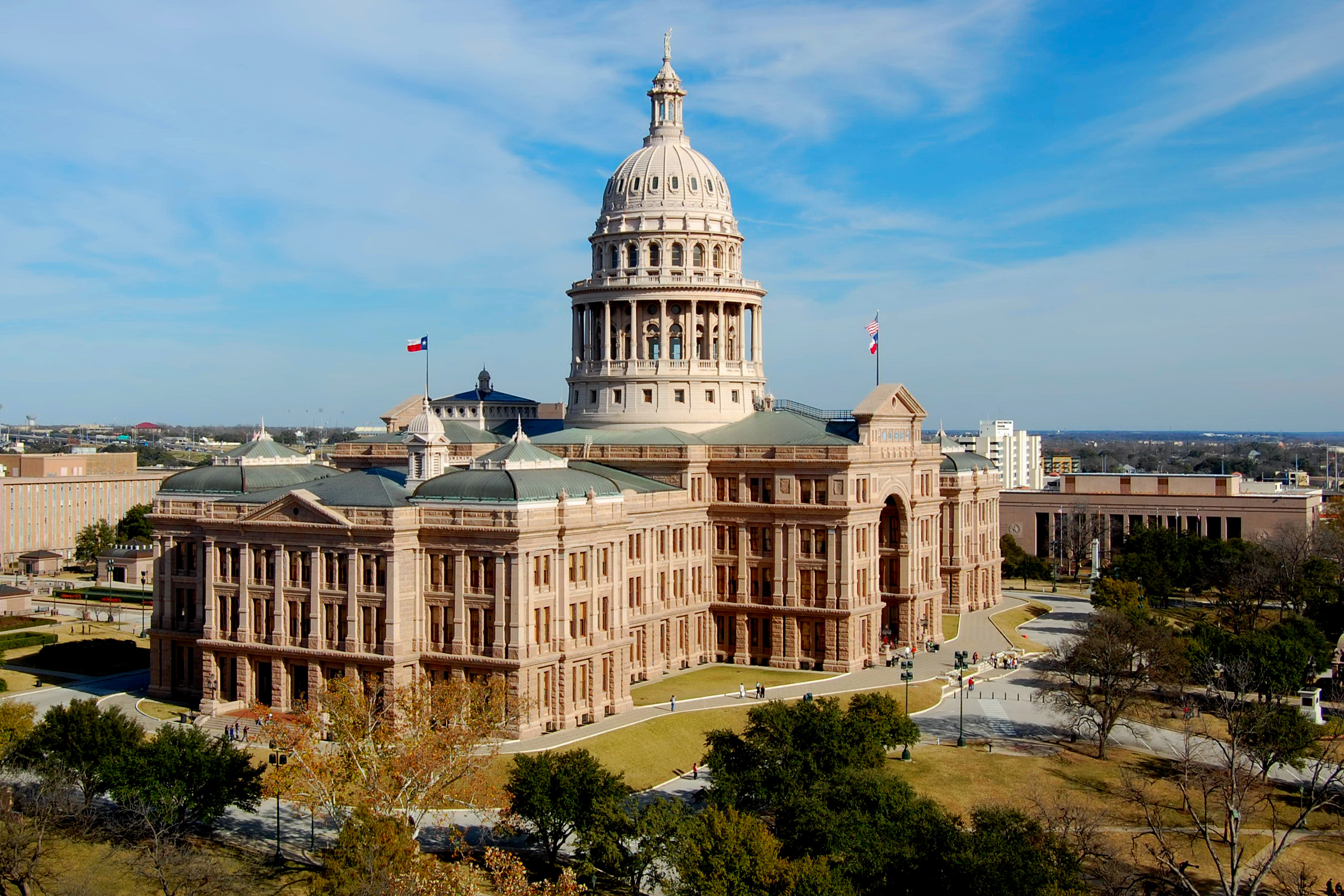
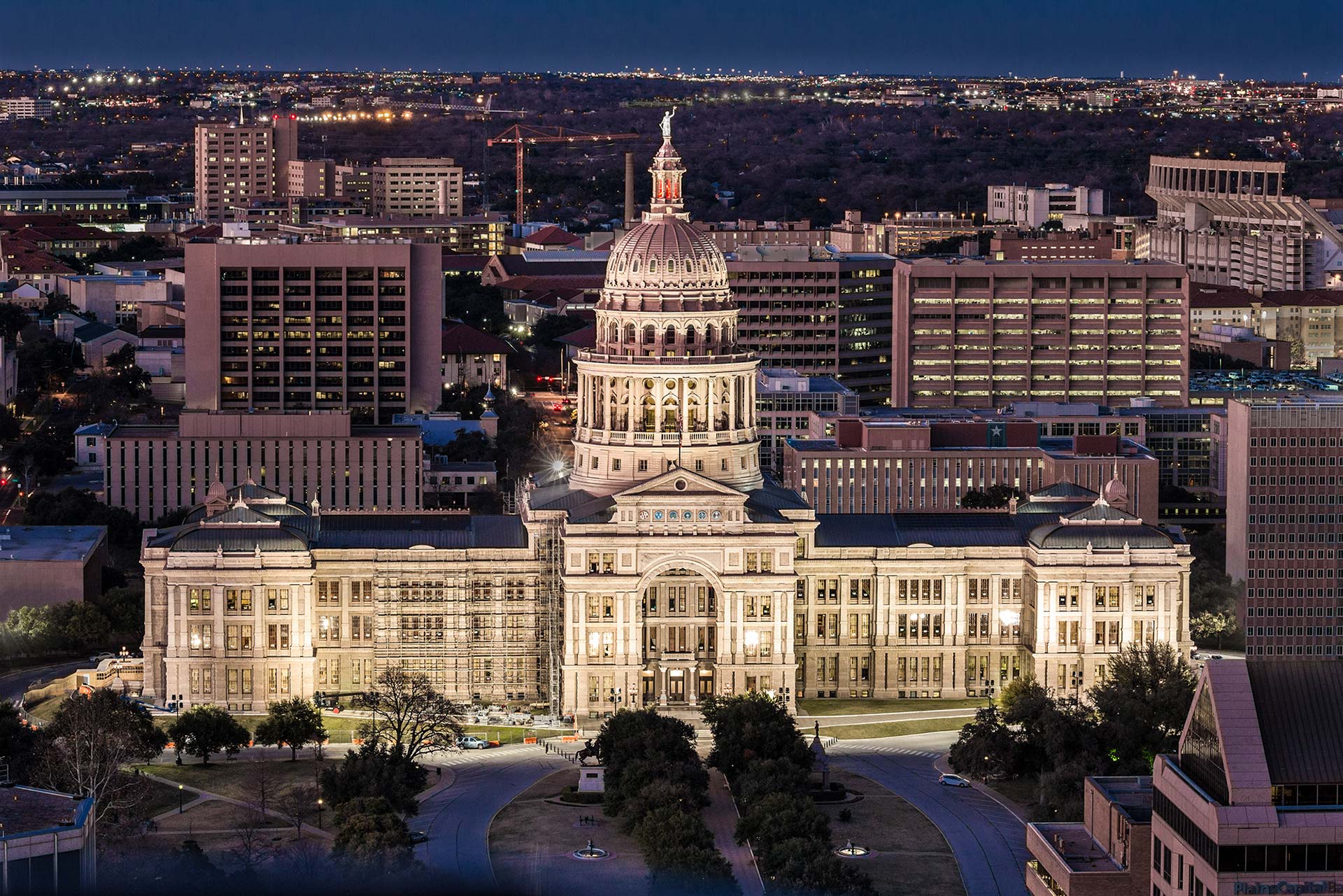
The establishment of Austin as the capital necessitated the construction of government buildings that would serve as the center of state administration. The iconic Texas State Capitol stands as the most prominent symbol of this role. Designed in the Italian Renaissance Revival style, construction began in 1882 and was completed in 1888, making it one of the largest state capitols in the United States. Its impressive dome, visible from miles around, has become a recognizable landmark and a testament to the state’s aspirations.
The Texas State Capitol Complex
The Texas State Capitol is more than just a building; it is the focal point of a sprawling complex that houses various state government offices and legislative chambers. The building itself contains the offices of the Governor, Lieutenant Governor, and the legislative chambers for the Texas House of Representatives and the Texas Senate. Surrounding the main building are other important structures, including the Supreme Court of Texas, the Governor’s Mansion, and numerous office buildings that facilitate the day-to-day operations of the state government. The Capitol grounds themselves are a meticulously landscaped park, featuring monuments and memorials that commemorate significant events and figures in Texas history. Exploring these grounds offers a glimpse into the state’s rich past and its enduring symbols.
The Governor’s Mansion: A Residence of Significance
Perched atop a hill overlooking the Capitol, the Governor’s Mansion is another crucial landmark within the capital complex. This Greek Revival-style residence has been the official home of Texas governors since 1856, providing a place of residence and a venue for official functions. Its historical and architectural significance makes it a must-see for those interested in the state’s political heritage.
Governing a Vast and Diverse State
The role of a capital city extends far beyond its physical structures; it is the seat of power where decisions are made that impact millions. As the capital of Texas, Austin serves as the nexus for legislative, executive, and judicial branches of the state government. This concentration of authority makes it a crucial center for policy-making, law enforcement, and public services.
The Legislative Process in Action
Witnessing the legislative process firsthand is a unique experience available to visitors and residents of Austin. The Texas Legislature convenes every two years for its regular session, during which bills are debated, amended, and voted upon in the House and Senate chambers. Public galleries allow citizens to observe these proceedings, offering insight into the democratic workings of the state. Special sessions can also be called by the Governor to address urgent matters, ensuring that the government remains responsive to the needs of its citizens.
Judicial Powerhouse
The judicial branch of Texas government also has its central hub in Austin. The Supreme Court of Texas, the state’s highest court for civil matters, and the Texas Court of Criminal Appeals, the state’s highest court for criminal matters, are both located in the capital city. These institutions play a vital role in interpreting state laws and ensuring justice is served throughout Texas.
Beyond Governance: Austin’s Cultural Resonance
While its role as the capital is undeniable, Austin’s identity is multifaceted. The city has cultivated a unique cultural landscape that draws visitors from across the globe, often overshadowing its governmental functions for the casual observer. This vibrant cultural scene is inextricably linked to its status as a capital, attracting talent, fostering innovation, and providing a dynamic backdrop for the serious business of governing.
Live Music Capital of the World
Austin is famously known as the “Live Music Capital of the World,” a title it has earned through its sheer number of music venues and the diverse array of musical talent that calls the city home. From legendary honky-tonks to intimate clubs, live music can be found every night of the week, spanning genres from country and blues to rock and indie. Major music festivals like South by Southwest (SXSW) and Austin City Limits (ACL) attract hundreds of thousands of attendees annually, solidifying Austin’s reputation as a global music destination. This creative energy infuses the city with a youthful and dynamic spirit, contributing to its appeal as both a place to visit and a place to live.
A Hub for Innovation and Technology
In recent decades, Austin has emerged as a significant center for technology and innovation, often referred to as “Silicon Hills.” Major tech companies have established large campuses in the city, attracting a skilled workforce and fostering a culture of entrepreneurship. This economic growth has further solidified Austin’s importance, bringing new industries and opportunities to the capital of Texas. The influx of professionals and the dynamic job market contribute to the city’s cosmopolitan feel and its ever-evolving urban landscape.
Culinary Delights and Outdoor Adventures
The culinary scene in Austin is as diverse and exciting as its music and tech industries. From world-renowned barbecue joints and Tex-Mex staples to innovative farm-to-table restaurants, the city offers a gastronomic adventure for every palate. Beyond the plate, Austin is also known for its abundant green spaces and outdoor activities. Zilker Park, Lady Bird Lake, and the Barton Creek Greenbelt offer opportunities for hiking, biking, kayaking, and swimming, allowing residents and visitors to enjoy the natural beauty of the Central Texas landscape. These recreational pursuits provide a balance to the intellectual and political pursuits that define its capital status.
Conclusion: A Capital That Defies Simple Definition
In conclusion, the question of “Is Austin the Capital of Texas?” is definitively answered in the affirmative. However, to understand Austin is to appreciate that its identity transcends its governmental role. It is a city where political power converges with a thriving cultural scene, where innovation meets tradition, and where the essence of Texas spirit is on full display. As the seat of government, Austin is where the decisions shaping the future of this vast state are made. But it is also a city that invites exploration, enchants with its music, delights with its food, and embraces all who come to experience its unique charm. Its status as capital is a fundamental aspect of its being, but it is the vibrant, dynamic, and ever-evolving character of Austin that makes it truly unforgettable.
LifeOutOfTheBox is a participant in the Amazon Services LLC Associates Program, an affiliate advertising program designed to provide a means for sites to earn advertising fees by advertising and linking to Amazon.com. Amazon, the Amazon logo, AmazonSupply, and the AmazonSupply logo are trademarks of Amazon.com, Inc. or its affiliates. As an Amazon Associate we earn affiliate commissions from qualifying purchases.