
Gifting a vehicle in Texas is a generous act, but it comes with specific legal and administrative requirements to ensure a smooth and lawful transfer of ownership. Unlike a typical sale, a gift transfer involves a different set of paperwork and considerations, particularly concerning taxes and registration. Understanding these nuances is crucial for both the giver and the receiver to avoid potential complications. This guide will navigate you through the essential steps and documentation needed to successfully gift a car in the Lone Star State, ensuring the process is as straightforward as possible.

Understanding the Legal Framework for Gifting a Vehicle
In Texas, a vehicle gifted without any exchange of money is considered a true gift. This distinction is important for tax purposes, as it generally exempts the transaction from sales tax. However, the Texas Department of Motor Vehicles (TxDMV) has specific procedures that must be followed to legally transfer ownership from the donor to the recipient. It’s vital to ensure all paperwork accurately reflects the non-monetary nature of the transaction.
The Gifted Vehicle Declaration (Form VTR-255)
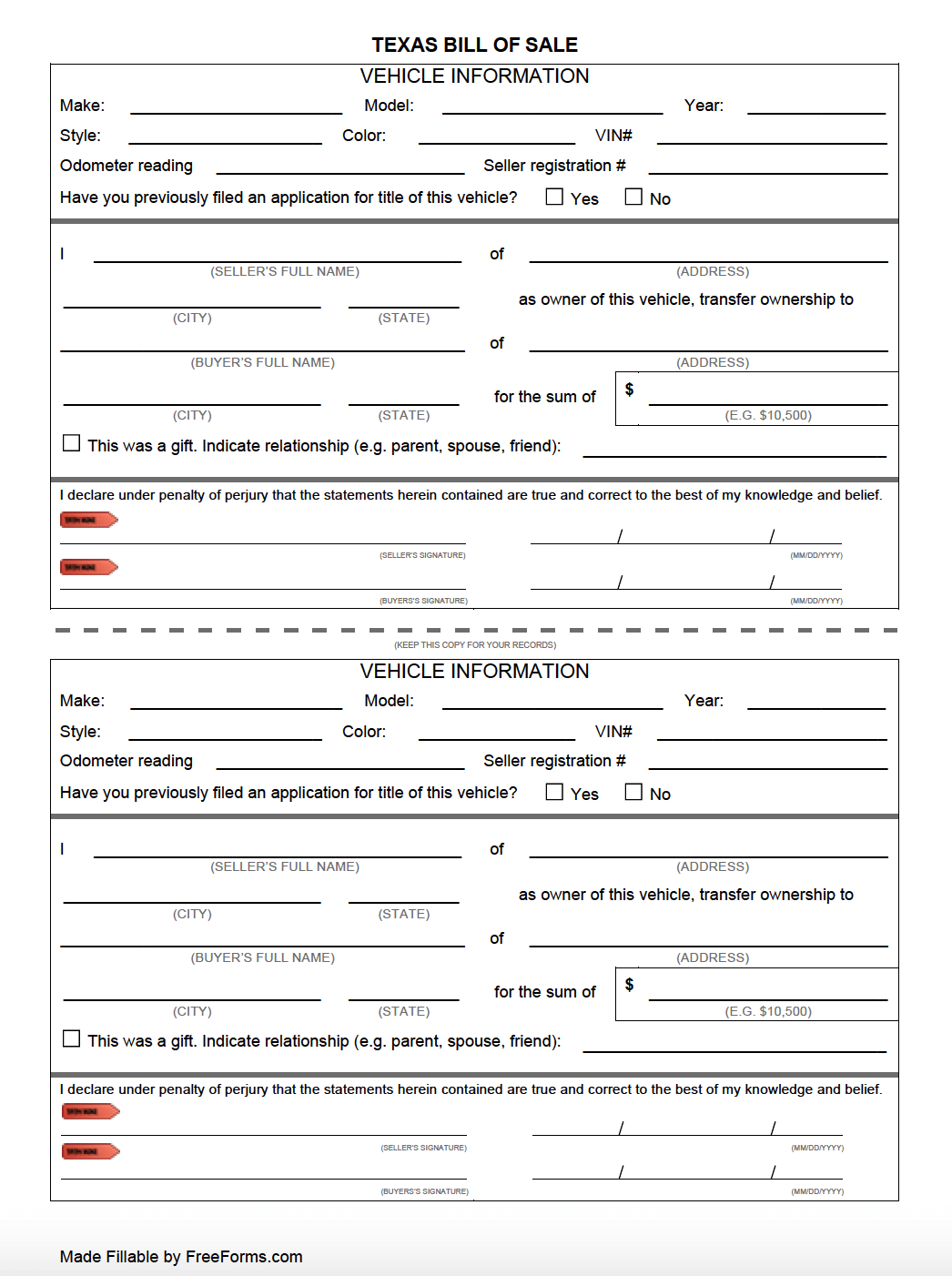
The cornerstone of gifting a car in Texas is the completion and submission of the “Gifted Vehicle Declaration” (Form VTR-255). This form is an affidavit that attests to the fact that no money was exchanged for the vehicle. Both the donor and the recipient must sign this document.
- Donor’s Responsibilities: The current owner (donor) must accurately complete the section detailing the vehicle’s information, including the Vehicle Identification Number (VIN), make, model, and year. They will also need to provide their personal information and sign the declaration.
- Recipient’s Responsibilities: The person receiving the gift (recipient) must also provide their information and sign the form. This signifies their acceptance of the gift.
- Accuracy is Key: It is imperative that all information on the VTR-255 form is accurate and matches the vehicle’s title. Any discrepancies could lead to delays or rejection of the transfer by the TxDMV.
The Importance of the Vehicle Title
The vehicle’s title is the legal proof of ownership. For a gifted vehicle, the donor must have a clear title in their name, free from any liens. If there is a lien on the title, it must be satisfied and released before the vehicle can be gifted.
- Transferring the Title: The donor will need to sign the “Assignment of Title by Owner” section on the existing title, indicating they are transferring ownership to the recipient. They should also fill in the recipient’s name and address.
- Odometer Disclosure: Federal and state laws require an accurate odometer reading disclosure at the time of transfer. This is typically done on the title itself or on a separate odometer disclosure statement, which is often integrated into the title transfer process. Ensure this is completed accurately to avoid penalties.
- Lost Title: If the donor has lost the original title, they will need to apply for a replacement title from the TxDMV before they can transfer ownership. This process can take time, so it’s best to address this early.
Navigating the Registration and Titling Process for the Recipient
Once the donor has completed their part of the transfer, the recipient becomes responsible for completing the necessary steps to register and title the gifted vehicle in their name with the TxDMV.
Required Documentation for the Recipient
To successfully title and register the gifted vehicle, the recipient will need to present several documents at their local county tax assessor-collector’s office.
- Completed Application for Texas Title and/or Registration (Form 130-U): This is the primary form for titling and registering any vehicle in Texas. It requires detailed information about the vehicle and the new owner.
- Original Vehicle Title: The signed-over title from the donor is essential.
- Gifted Vehicle Declaration (Form VTR-255): The signed affidavit confirming the gift.
- Proof of Texas Vehicle Insurance: Legally, all vehicles operated in Texas must have minimum liability insurance. The recipient will need to provide proof of this.
- Vehicle Inspection Certificate: In most counties, vehicles must pass a state safety inspection before they can be registered. The recipient will need to provide a valid inspection certificate.
- Proof of Identity and Residency: The recipient will need to present a valid Texas driver’s license or ID card and potentially other documents to prove their residency in Texas.

Fees and Taxes Associated with a Gifted Vehicle
While a gifted vehicle generally exempts the recipient from paying sales tax, there are still fees associated with the title and registration process.
- Title Transfer Fee: A fee is charged by the TxDMV for processing the title transfer.
- Registration Fee: Annual registration fees vary based on the vehicle type and weight.
- Appraised Value Fee: In some cases, particularly if the TxDMV suspects a sale rather than a true gift, they may appraise the vehicle and assess a fee based on that value. However, with a properly completed VTR-255, this is typically avoided.
Special Considerations for Gifting a Car
Beyond the standard documentation, several other factors might influence the gifting process in Texas.
Vehicles from Out-of-State Donors
If the gifted vehicle is currently registered in another state, the process in Texas will involve additional steps.
- Out-of-State Title: The recipient will need the current out-of-state title, properly assigned by the donor.
- VIN Inspection: The vehicle will likely need to undergo a VIN inspection conducted by a licensed inspector in Texas to verify its identity and ensure it hasn’t been reported stolen or altered.
- Tax Implications: While the transfer itself might be considered a gift, Texas may still assess a “title fee” based on the vehicle’s appraised value for out-of-state transfers. It’s advisable to consult with the TxDMV or the county tax assessor-collector’s office to understand any specific tax liabilities.
Vehicles with Liens
As mentioned earlier, a gifted vehicle must have a clear title. If there is an outstanding loan on the vehicle, the donor must pay off the loan and obtain a lien release from the lender before they can legally gift the car. The lienholder will then typically sign off on the title or provide a separate lien release document.
Gifted Vehicles to Minors
Gifting a vehicle to a minor (under 18 years of age) in Texas introduces a layer of complexity. Minors cannot legally hold a vehicle title in their name.
- Co-Owner: The vehicle must be titled with an adult co-owner, usually a parent or legal guardian, who will be responsible for the vehicle’s registration, insurance, and legal compliance.
- Trust or Custodial Account: Alternatively, the vehicle could be placed in a trust or a custodial account for the minor’s benefit, with a trustee or custodian managing the ownership and responsibility. This is a more complex legal arrangement and may require legal consultation.
Avoiding Common Pitfalls
- Incomplete Paperwork: Failing to fill out any part of the VTR-255 or the title accurately is a common reason for delays. Double-check all signatures and information.
- Unpaid Tolls or Parking Tickets: Outstanding fines or tolls associated with the vehicle can prevent a title transfer. It’s good practice for the donor to ensure all such liabilities are cleared before gifting.
- Expired Registration: While not always a showstopper, an expired registration can complicate the process for the recipient.
- Misrepresenting a Sale as a Gift: Attempting to avoid taxes by falsely claiming a sale was a gift can lead to penalties and legal repercussions. Honesty and accuracy in all documentation are paramount.
By carefully following these steps and ensuring all documentation is complete and accurate, gifting a car in Texas can be a rewarding experience, allowing you to share a valuable asset with a loved one without undue administrative burden. Always consult the official Texas Department of Motor Vehicles (TxDMV) website or your local county tax assessor-collector’s office for the most current forms and requirements.
LifeOutOfTheBox is a participant in the Amazon Services LLC Associates Program, an affiliate advertising program designed to provide a means for sites to earn advertising fees by advertising and linking to Amazon.com. Amazon, the Amazon logo, AmazonSupply, and the AmazonSupply logo are trademarks of Amazon.com, Inc. or its affiliates. As an Amazon Associate we earn affiliate commissions from qualifying purchases.