
Embarking on a journey through the Golden State, with its iconic coastlines, vibrant cities, and breathtaking national parks, is a dream for many travelers. From the sun-drenched beaches of San Diego to the majestic redwoods of Northern California, and the star-studded streets of Los Angeles to the fog-kissed charm of San Francisco, California offers an unparalleled array of experiences. Many choose to explore this diverse landscape via a quintessential California road trip, renting a car to traverse its extensive network of highways, including the scenic Pacific Coast Highway. However, alongside the excitement of discovery comes the responsibility of understanding local laws, particularly traffic regulations. An often-overlooked but potentially costly pitfall for both residents and visitors is the red light ticket. Far from being a mere inconvenience, a red light violation in California can significantly impact your travel budget and overall experience.
Unlike many other states or even countries, California takes traffic infractions seriously, and red light violations are among the most heavily penalized. The question of “How much is a red light ticket in California?” isn’t as simple as a single figure; it’s a complex calculation involving various fees, surcharges, and potential long-term consequences that can quickly escalate an initial fine into a four-figure expense. For travelers meticulously planning their itinerary, choosing between luxury accommodations in Beverly Hills or a charming boutique hotel in Napa Valley, or budgeting for unforgettable attractions like Disneyland or a ferry to Alcatraz Island, an unexpected red light ticket can derail financial plans and add considerable stress to an otherwise perfect getaway. Understanding these costs and how to avoid them is paramount for a smooth and enjoyable California adventure.

Navigating California’s Roads: A Traveler’s Guide to Traffic Laws
For many, driving in California is an integral part of the travel experience. Whether you’re cruising down a historic stretch of Route 66 or heading to the vibrant heart of Hollywood, understanding the nuances of the state’s traffic laws is essential. The allure of wide highways and stunning vistas can sometimes make drivers complacent, leading to costly mistakes at intersections.
Understanding the Basics: What Constitutes a Red Light Violation?
In California, a red light violation generally occurs when a vehicle enters an intersection after the traffic signal has turned red. It’s important to note that merely crossing the white limit line after the light has turned red is often sufficient for a citation, even if your vehicle hasn’t fully entered the intersection. This includes situations where drivers attempt to make a right turn on red without coming to a complete stop first, or making a left turn after the light has changed.
There are specific nuances to be aware of:
- Stop Before the Limit Line: Drivers must stop their vehicle before the solid white limit line, or, if there is no limit line, before entering the crosswalk.
- Right Turn on Red: While legal in most of California (unless explicitly prohibited by a sign), drivers must come to a complete stop before turning right on a red light. Rolling through the turn without stopping is a common cause of tickets.
- Emergency Vehicles: Always yield to emergency vehicles. In some cases, if you must enter an intersection against a red light to clear the path for an emergency vehicle, you might be excused, but this is a rare circumstance and requires careful consideration.
- Yellow Light vs. Red Light: Many drivers attempt to “beat” the yellow light. While entering an intersection on a yellow light is permissible, if the light turns red before you enter the intersection, it’s a violation. California traffic signals often have fairly short yellow light durations, which can catch unsuspecting drivers off guard.
The Immediate Impact: Initial Fines and Fees
The base fine for running a red light in California is officially set at $100. However, this figure is highly misleading. Due to a complex system of state and county surcharges, assessments, and fees, the actual cost of a red light ticket skyrockets. These additional charges are added to virtually every traffic infraction in California and are designed to fund various state programs and court operations.
When you receive a red light ticket, typically issued by a law enforcement officer or through a red light camera, the “courtesy notice” (which is actually a payment demand) will outline the total bail amount. This total can easily range from $490 to over $550 for a first-time offense. This includes:
- Base Fine: $100
- State Penalty Assessment: An additional $260 ($26 for every $10 of the base fine)
- County Penalty Assessment: An additional $50 ($5 for every $10 of the base fine)
- Court Construction Fee: $40
- Emergency Medical Air Transportation Services Fund: $4
- Court Operations Assessment: $40
- Traffic Violator School Fee: $30 (if eligible and elected)
These figures illustrate how quickly a seemingly minor $100 fine can balloon into a significant financial burden. For a traveler, an unexpected expense of nearly $500-$600 could easily deplete funds allocated for a special meal in San Francisco’s Ferry Building, a stay at a luxurious Santa Monica resort, or tickets to Universal Studios Hollywood.
Beyond the Base Fine: Hidden Costs and Long-Term Implications
The immediate financial hit is only one part of the equation. A red light ticket in California carries additional consequences that can have a ripple effect, particularly for those with out-of-state or international driving licenses. These implications can extend beyond the duration of your trip, affecting your driving record and insurance premiums for years to come.
Traffic School and Point Accumulation
Upon receiving a red light ticket, most drivers will be given the option to attend traffic school. This is a crucial consideration, as completing traffic school, usually an online course lasting around 8 hours, has two primary benefits:
- Masking the Point: In California, a red light violation is typically a one-point infraction on your driving record. Successfully completing traffic school prevents the point from being reported to the Department of Motor Vehicles (DMV). This is particularly important because accumulated points can lead to increased insurance premiums.
- Maintaining Driving Privilege: Accumulating too many points within a specific timeframe (4 points in 12 months, 6 points in 24 months, or 8 points in 36 months) can result in a driver’s license suspension. While this is more of a concern for residents, it can still impact a traveler if they receive multiple tickets during an extended stay.
However, traffic school isn’t free. In addition to the court’s administrative fee (often around $60-$70), there’s a separate fee for the traffic school itself, which can range from $20-$60 depending on the provider. So, while it helps mitigate long-term consequences, it adds another layer of cost to an already expensive ticket. For an out-of-state driver, the point might still be reported to their home state’s DMV, depending on interstate agreements, potentially affecting their insurance even if California records show the point masked. International drivers might face similar reporting challenges depending on agreements between their home country and the United States.
Insurance Premium Hikes for California Drivers
The most significant long-term financial consequence of a red light ticket, especially if you don’t attend traffic school, is the potential increase in your auto insurance premiums. Insurance companies typically view traffic violations as indicators of higher risk. A single point on your driving record can lead to a premium increase of 10-20% or more, lasting for three to five years.
Consider this: if your annual insurance premium is $1,500, a 15% increase would mean an extra $225 per year. Over three years, that’s an additional $675, effectively more than doubling the initial cost of the ticket. For someone renting a car, this might not directly impact their personal insurance immediately, but rental car companies do track driving records, and repeated infractions could lead to higher rental rates or even refusal to rent in the future. Furthermore, for those who move to California or consider it a second home, these consequences become very real.
Camera-Enforced Intersections: A Modern Reality for Travelers
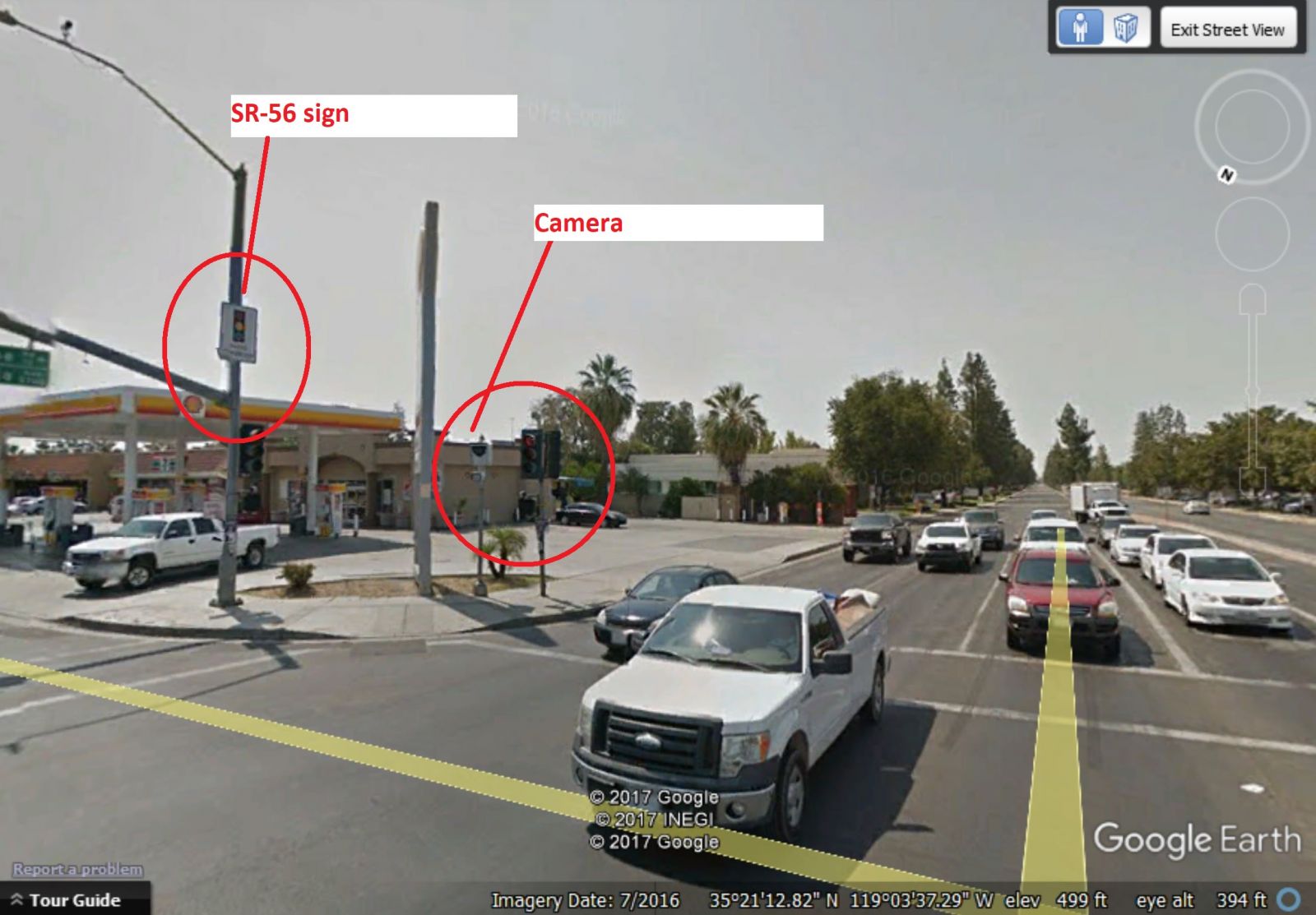
While being pulled over by a police officer is a clear indicator of a violation, many red light tickets in California are issued through automated red light camera systems. These cameras are ubiquitous in major urban centers and popular tourist destinations, making them a common concern for travelers navigating unfamiliar streets.
How Red Light Cameras Work in California
Red light camera systems are designed to detect vehicles that enter an intersection after the light has turned red. When a violation is detected, the system captures multiple images or a short video clip of the vehicle, including its license plate, the driver’s face, and the status of the traffic light.
The process typically involves:
- Detection: Sensors embedded in the road or radar technology detect a vehicle crossing the limit line after the light turns red.
- Capture: High-resolution cameras capture photos and/or video of the infraction.
- Review: A law enforcement officer reviews the evidence to confirm a violation occurred.
- Citation Mailing: If a violation is confirmed, a “Notice of Traffic Infraction” is mailed to the registered owner of the vehicle. This is particularly relevant for rental cars, where the ticket will initially go to the rental company, which will then typically forward it to the renter, often with an additional administrative fee.
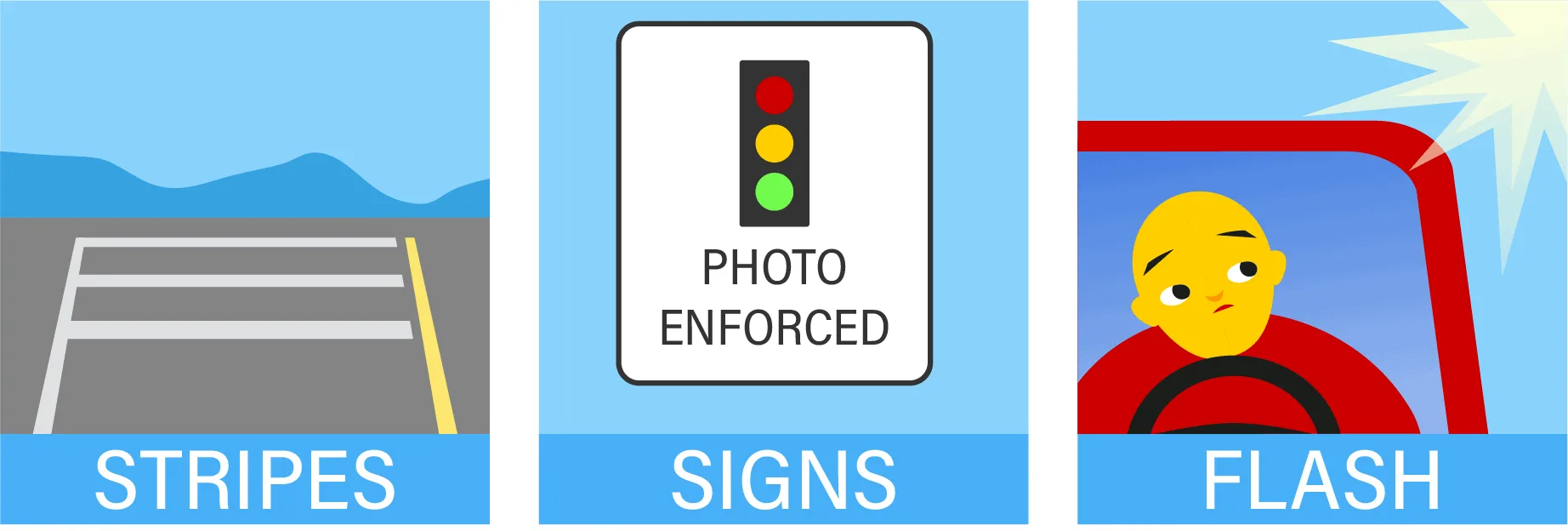
These cameras are frequently found in high-traffic areas and major intersections in cities like Los Angeles, San Francisco, San Diego, Sacramento, and various cities within Orange County. Travelers driving through these metropolitan hubs should be especially vigilant. Signs are usually posted indicating “Photo Enforced” intersections, but these can be easy to miss when focusing on navigation or admiring the scenery.
Appealing a Red Light Camera Ticket
Receiving a red light camera ticket can be disconcerting, especially if you believe you did not commit a violation or if you are an out-of-state or international visitor. While the process of appealing can be challenging, it is possible.
Steps to consider when appealing:
- Review the Evidence: The citation will usually include instructions on how to view the photographic or video evidence online. Carefully examine the footage to ensure it clearly shows your vehicle committing the violation. Look for details like the precise moment the light changed, whether your vehicle crossed the line, and if the images are clear.
- Identify the Driver: In California, red light camera tickets are primarily issued to the vehicle’s registered owner. However, for a conviction, it generally needs to be proven who the driver was. If you were not the driver (e.g., someone else was driving your rental car), you might be able to challenge the ticket.
- Request a Trial by Declaration: This allows you to contest the ticket in writing, avoiding a court appearance. You submit your defense in a written statement, and the officer involved submits theirs. The judge then makes a decision. This is often a convenient option for out-of-state or international visitors.
- Request a Court Trial: If your Trial by Declaration is unsuccessful or if you prefer a live appearance, you can request a court trial. This involves appearing before a judge and presenting your case. For travelers, this can be logistically challenging and expensive, potentially requiring return travel to California.
- Common Defenses: Valid defenses might include unclear photos, incorrect camera calibration (though this is difficult to prove), an emergency situation, or proof that you were not the driver. It’s crucial to have clear evidence to support your defense.
It’s important to remember that pursuing an appeal takes time and effort. Weigh the potential costs of contesting the ticket (travel, legal fees if you hire an attorney) against the cost of paying the ticket, especially for visitors.
Tips for Avoiding a Red Light Ticket While Exploring California
Prevention is always better than cure, especially when it comes to traffic tickets impacting your travel budget. By adopting a few mindful driving habits, you can significantly reduce your risk of receiving a red light ticket and ensure your focus remains on enjoying California’s many wonders.
Safe Driving Practices for Scenic Routes
California’s scenic drives, from the dramatic cliffs of Big Sur to the majestic beauty of Yosemite National Park and the serene shores of Lake Tahoe, demand your attention. However, even on these picturesque routes, you will encounter intersections in towns and cities.
- Maintain Focus: Avoid distractions, especially when approaching intersections. That stunning view of the Golden Gate Bridge can wait until you’ve safely navigated the next traffic light.
- Anticipate Yellow Lights: Pay attention to traffic flow and the timing of lights. If you see a stale green light (one that has been green for a while), anticipate it might change to yellow soon.
- Don’t Rush Yellow: A yellow light means “clear the intersection if you can safely do so” or “prepare to stop,” not “speed up.” If you are too close to stop safely, proceed carefully. Otherwise, prepare to stop.
- Observe Posted Speed Limits: Speeding significantly reduces your reaction time at intersections, making it harder to stop safely when a light changes.
- Be Aware of Sunlight Glare: At certain times of day, the California sun can make it difficult to see traffic lights, particularly at sunrise or sunset. Use your visor and slow down to ensure you can clearly see the signal.
Planning Your Journey: Staying Informed on Local Laws
Responsible travel includes being informed about the local environment, and that extends to driving laws.
- Review California DMV Rules: Before your trip, familiarize yourself with key California traffic laws. The official California Driver Handbook is available online and can provide valuable insights.
- Utilize GPS with Traffic Information: Many modern GPS systems and navigation apps (like Google Maps or Waze) provide real-time traffic updates and can highlight areas with frequent traffic camera enforcement, though this is not always foolproof.
- Ask for Local Advice: If you’re staying at a hotel or resort, don’t hesitate to ask concierge staff or locals about common traffic enforcement areas or particular intersections known for red light cameras in cities like San Jose in Silicon Valley or around Griffith Observatory in Los Angeles.
- Be Mindful in Major Cities: Cities naturally have more complex intersections and higher traffic volumes, leading to more rigorous enforcement. Exercise extra caution when driving through downtown areas, especially in places like San Francisco near Pier 39 or Los Angeles near the Hollywood Walk of Fame.
The Broader Context: Why Traffic Laws Matter for Your California Experience
Understanding and adhering to traffic laws in California is not just about avoiding costly tickets; it’s fundamental to ensuring a safe, enjoyable, and stress-free travel experience. For a website focused on travel, tourism, and lifestyle, this insight is crucial for responsible exploration.
Ensuring Safety on California’s Iconic Highways
California’s roads are a gateway to incredible destinations, from the stark beauty of Death Valley National Park to the bustling energy of Sacramento. However, they are also shared spaces. Red light violations are a leading cause of intersection accidents, which can result in serious injuries, property damage, and even fatalities. For travelers, an accident can turn a dream vacation into a nightmare, involving complex legal issues, medical emergencies, and significant disruptions to travel plans. By driving responsibly and respecting traffic signals, you contribute to your own safety and the safety of everyone else on the road, including fellow tourists and local residents. This enhances the overall quality of the travel experience for all.
Budgeting for the Unexpected: Travel Insurance and Contingency Funds
Even the most meticulously planned budget for a California trip can be thrown off by unforeseen expenses. A red light ticket is a prime example of such an unexpected cost. While travel insurance might cover certain aspects of travel disruption or medical emergencies, it generally does not cover fines for traffic violations. Therefore, it’s wise for any traveler to factor a contingency fund into their budget. This financial cushion can help absorb the impact of unexpected expenses, whether it’s a minor car repair, a forgotten item, or indeed, a traffic ticket.
Thinking about such possibilities might seem to detract from the spontaneous joy of travel, but it is a responsible aspect of lifestyle travel. Being prepared means you can react calmly to challenges rather than letting them spoil your trip. A red light ticket, while frustrating, is less devastating if you’ve mentally and financially prepared for the possibility of minor setbacks. It allows you to continue enjoying your stay at your chosen accommodation, dine at the restaurants you’ve booked, and visit the landmarks you’ve dreamt of seeing, without a significant financial shadow looming over your adventure.
In conclusion, a red light ticket in California is far more than its initial $100 base fine. With various fees and surcharges, the immediate cost can quickly approach $500-$600, with potential long-term impacts on insurance premiums and driving records. For travelers exploring the Golden State, understanding these costs, practicing safe driving habits, and being aware of camera-enforced intersections are essential steps to ensure a budget-friendly, safe, and truly unforgettable California experience. Drive carefully, stay informed, and let the wonders of California unfold before you, unhindered by unnecessary expenses.
LifeOutOfTheBox is a participant in the Amazon Services LLC Associates Program, an affiliate advertising program designed to provide a means for sites to earn advertising fees by advertising and linking to Amazon.com. Amazon, the Amazon logo, AmazonSupply, and the AmazonSupply logo are trademarks of Amazon.com, Inc. or its affiliates. As an Amazon Associate we earn affiliate commissions from qualifying purchases.