
Obtaining a Tax ID Number in Texas is a crucial step for individuals and businesses engaging in various economic activities within the Lone Star State. This identification number, often referred to as a Taxpayer Identification Number (TIN), is essential for tax reporting, compliance, and a multitude of business transactions. Whether you are a resident planning to start a business, an international investor, or a non-profit organization seeking to operate legally, understanding the process of acquiring the correct Tax ID is paramount to navigating the Texas economic landscape smoothly and efficiently. This guide will delineate the types of Tax ID Numbers relevant to Texas, the entities that require them, and the step-by-step procedures for obtaining each.
Understanding Tax Identification Numbers in Texas
In Texas, as across the United States, several types of Tax ID Numbers exist, each serving a specific purpose and issued by different federal or state agencies. The most common and widely recognized Tax ID Number is the Employer Identification Number (EIN), also known as the Federal Employer Identification Number (FEIN). This is a unique nine-digit number assigned by the Internal Revenue Service (IRS) to business entities operating in the United States for identification purposes. It is akin to a Social Security Number for businesses.
Beyond the EIN, individuals may utilize their Social Security Number (SSN) for certain tax-related activities, though it is primarily for personal income tax. For specific state-level requirements, Texas may utilize different identification mechanisms, though for most business operations requiring federal identification, the EIN is the primary identifier. Understanding the distinction between these numbers is the first step in ensuring proper compliance and access to the necessary services and benefits associated with being a registered entity in Texas.
Employer Identification Number (EIN)
The EIN is the most prevalent Tax ID Number for businesses operating in Texas. It is a mandatory requirement for various business structures, including:
- Corporations: All corporations, regardless of size, must obtain an EIN.
- Partnerships: General partnerships, limited partnerships, and limited liability partnerships (LLPs) require an EIN.
- Limited Liability Companies (LLCs): While a single-member LLC without employees may sometimes use its owner’s SSN, most LLCs, especially those with multiple members or employees, will need an EIN.
- Sole Proprietorships with Employees: If a sole proprietorship hires employees, it must obtain an EIN.
- Sole Proprietorships Operating as a Corporation or Partnership: Even if structured as a sole proprietorship, if it operates in a capacity that mimics a corporation or partnership for tax purposes, an EIN is often required.
- Estates and Trusts: These entities also require an EIN for tax filing.
- Non-profit Organizations: Charities, foundations, and other non-profit entities must secure an EIN to operate and receive tax-exempt status.
- Businesses Engaged in Specific Activities: Certain business activities, such as those involving alcohol, tobacco, or firearms, require an EIN even for sole proprietors without employees.
Social Security Number (SSN)
While not a business Tax ID Number in the same vein as an EIN, an individual’s SSN issued by the Social Security Administration is fundamental for personal income tax filings. For sole proprietors who do not hire employees and do not operate as a corporation or partnership, their SSN may serve as their primary Tax ID. However, as mentioned, situations arise where an EIN becomes necessary even for a sole proprietorship.
Texas Specific Tax Requirements
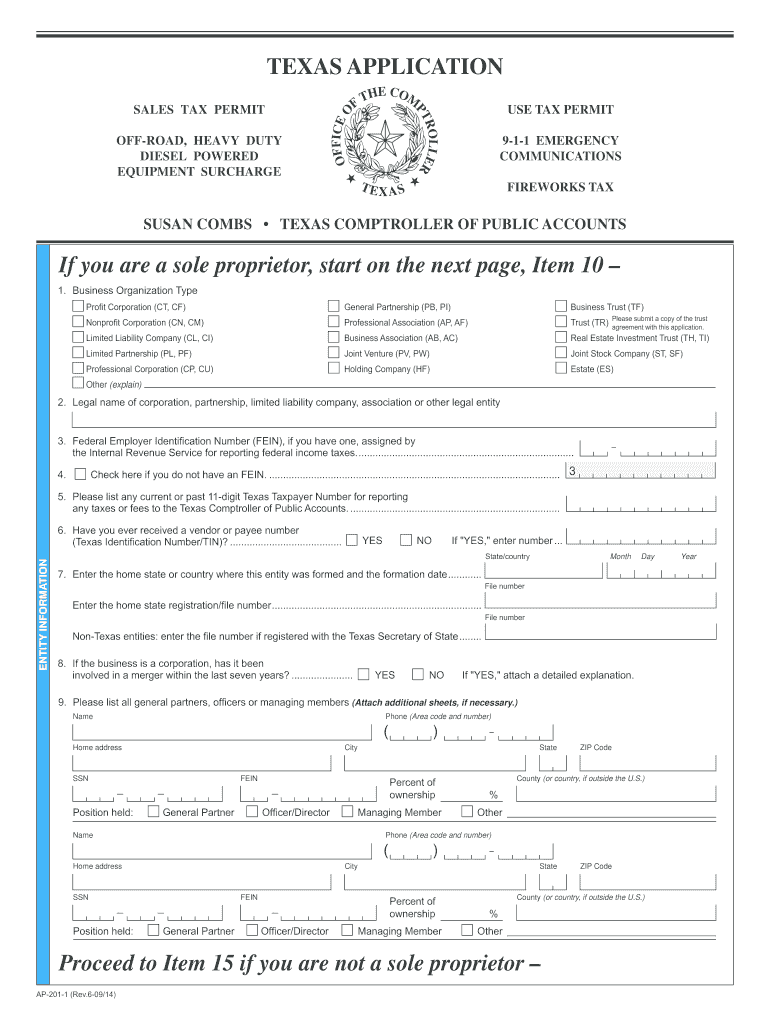
While the EIN is a federal identification number issued by the IRS, Texas operates its own tax system, managed by the Comptroller of Public Accounts. For certain state-level taxes, such as sales and use tax, businesses will register with the Comptroller and may be assigned a state-specific tax identification number or permit. This is distinct from the EIN but equally important for state-level compliance.
Obtaining an EIN for Texas Businesses
The process for obtaining an EIN is streamlined and primarily handled through the Internal Revenue Service. For entities operating in or looking to operate in Texas, the method of application remains consistent.
Eligibility and Requirements for an EIN
To apply for an EIN, the responsible party must:
- Have a valid Taxpayer Identification Number (SSN, ITIN, or EIN) to use as their identifying number.
- Be a legal entity operating in the United States.
- Provide accurate and complete information about the business entity.
Application Methods for an EIN
There are three primary methods to apply for an EIN:
1. Online Application (Preferred Method)
This is the fastest and most convenient way to obtain an EIN.
- Eligibility: The applicant must be an authorized individual (e.g., sole proprietor, partner, officer, or trustee) with a valid Taxpayer Identification Number (SSN, ITIN, or EIN). The entity must be located in the United States or its territories.
- Process:
- Visit the official Internal Revenue Service website.
- Navigate to the “Apply for an Employer ID Number (EIN) Online” page.
- Complete the online application form. You will be asked for information such as the business legal name, DBA (Doing Business As) name if applicable, business mailing address, business physical address, type of entity (e.g., corporation, partnership, LLC), reason for applying, and the name and TIN of the responsible party.
- Submit the application. If all information is validated, the EIN will be assigned immediately.
- Upon successful submission, you will receive your EIN confirmation letter (CP 575). It is crucial to save this document, as it is your official confirmation.
- Timeliness: Typically, an EIN is issued instantly upon successful online application.
2. Fax or Mail Application
For those who prefer not to apply online or are unable to, the IRS provides the option to apply by fax or mail.
- Form: You will need to complete IRS Form SS-4, “Application for Employer Identification Number.” This form is available for download from the Internal Revenue Service website.
- Process:
- Download and carefully fill out Form SS-4. Ensure all fields are completed accurately, paying close attention to section 7, which requires the responsible party’s TIN.
- For Fax: Fax the completed Form SS-4 to the appropriate IRS fax number for your region. The fax numbers are listed in the instructions for Form SS-4.
- For Mail: Mail the completed Form SS-4 to the appropriate IRS address for your region, also provided in the Form SS-4 instructions.
- Timeliness: This method is significantly slower than the online application. It can take several weeks to process applications submitted via fax or mail.
3. Telephone Application (Limited Availability)
This option is available only to international applicants who do not have a physical presence in the United States or its territories. Since most Texas businesses will have a physical presence or be operated by individuals with a U.S. TIN, this method is less relevant for the majority of Texas entities.
Key Information Needed for EIN Application

Regardless of the application method, you will generally need the following information:
- Legal name of the business entity.
- DBA (Doing Business As) name, if applicable.
- Business mailing address and physical address.
- Type of entity (e.g., corporation, partnership, LLC, sole proprietorship with employees).
- Reason for applying (e.g., started a new business, hired employees, incorporated, purchased a business).
- Name and Taxpayer Identification Number (SSN, ITIN, or EIN) of the responsible party. The responsible party is the person who has ultimate control and authority over the entity and its finances.
- Name and TIN of the principal officer (for corporations), partners (for partnerships), or members (for LLCs).
- Highest principal officer’s name and title.
- Future end of accounting period.
State-Level Tax Registration in Texas
While the EIN is a federal requirement, businesses operating in Texas must also comply with state tax laws. The Comptroller of Public Accounts is the state agency responsible for administering most state taxes.
Sales and Use Tax Permit
If your business sells taxable goods or services in Texas, you are generally required to obtain a Texas Sales and Use Tax Permit from the Comptroller of Public Accounts.
- Eligibility: Businesses that sell tangible personal property or provide taxable services in Texas.
- Process:
- Visit the Texas Comptroller of Public Accounts website.
- Navigate to the section for business registration and permits.
- Complete the online application for a Sales and Use Tax Permit. You will need your EIN (or SSN if applicable) and other business details.
- Once approved, you will receive your permit, which allows you to collect and remit sales tax.
- Timeliness: Online applications are typically processed relatively quickly.
Other Texas State Taxes
Depending on the nature of your business, you may be subject to other state taxes administered by the Comptroller, such as:
- Franchise Tax
- Motor Vehicle Tax
- Oil and Gas Taxes
- Unemployment Tax (managed by the Texas Workforce Commission)
Each of these may have specific registration requirements, often involving a state identification number distinct from your EIN. It is advisable to consult the Comptroller of Public Accounts website or a tax professional for detailed information relevant to your specific business operations in Texas.
Special Cases and Considerations
Certain situations may require specific attention when obtaining a Tax ID Number in Texas.
International Businesses and Investors
Foreign individuals or entities seeking to conduct business in Texas or have income derived from U.S. sources may need an EIN.
- ITIN (Individual Taxpayer Identification Number): For individuals who are not eligible for an SSN but have U.S. tax obligations, an ITIN is issued by the IRS. This can be used as the responsible party’s TIN when applying for an EIN for a U.S. business.
- Foreign Address: While the IRS prefers a U.S. mailing address, foreign entities can obtain an EIN. The application process may require additional verification. The Internal Revenue Service has specific guidelines for foreign applicants.
Non-Profit Organizations
Non-profit organizations in Texas seeking tax-exempt status must first obtain an EIN from the IRS. This EIN is then used when applying for tax-exempt status under Section 501(c) of the Internal Revenue Code by submitting Form 1023 to the IRS.
Sole Proprietorships Without Employees
As noted, a sole proprietorship without employees and that does not operate as a corporation or partnership typically uses its owner’s SSN for tax purposes. However, if the sole proprietor needs to open a business bank account that requires an EIN, or if they plan to hire employees in the future, obtaining an EIN is recommended.
Maintaining Tax Compliance in Texas
Once you have obtained your Tax ID Numbers, maintaining compliance with both federal and state tax regulations is crucial.
Regular Tax Filings
- Federal Taxes: Ensure timely filing of all federal tax returns (e.g., corporate tax, partnership tax, employment tax) with the IRS using your EIN.
- State Taxes: Comply with all Texas state tax filing requirements, including sales tax returns, franchise tax reports, and any other applicable state tax obligations.
Record Keeping
Maintain accurate and organized financial records for your business. This includes all income, expenses, payroll records, and tax documents. Good record-keeping is essential for accurate tax filing and can be invaluable in the event of an audit by the IRS or the Texas Comptroller.

Staying Updated
Tax laws and regulations can change. It is important for businesses operating in Texas to stay informed about any updates to federal and state tax requirements. Consulting with a tax professional or staying connected with official resources from the IRS and the Texas Comptroller of Public Accounts is highly recommended.
Obtaining the correct Tax ID Number in Texas is a foundational step for legal and successful business operations. By understanding the different types of IDs, the application processes, and the ongoing compliance requirements, businesses can navigate the complexities of taxation with confidence and focus on growth and prosperity within the dynamic Texas economy.
LifeOutOfTheBox is a participant in the Amazon Services LLC Associates Program, an affiliate advertising program designed to provide a means for sites to earn advertising fees by advertising and linking to Amazon.com. Amazon, the Amazon logo, AmazonSupply, and the AmazonSupply logo are trademarks of Amazon.com, Inc. or its affiliates. As an Amazon Associate we earn affiliate commissions from qualifying purchases.