
The question “Does it snow in Alaska?” often conjures images of an endless winter wonderland, a vast expanse perpetually blanketed in white. While the answer is, unequivocally, yes—it snows a lot in Alaska—the reality is far more nuanced and fascinating than a simple affirmation. This magnificent state, the largest in the United States, boasts an incredible diversity of climates, geographies, and, consequently, snowfall patterns. For the intrepid traveler, understanding these variations is key to unlocking the quintessential Alaskan winter experience, from thrilling snow sports to the serene magic of the Aurora Borealis dancing above pristine landscapes.
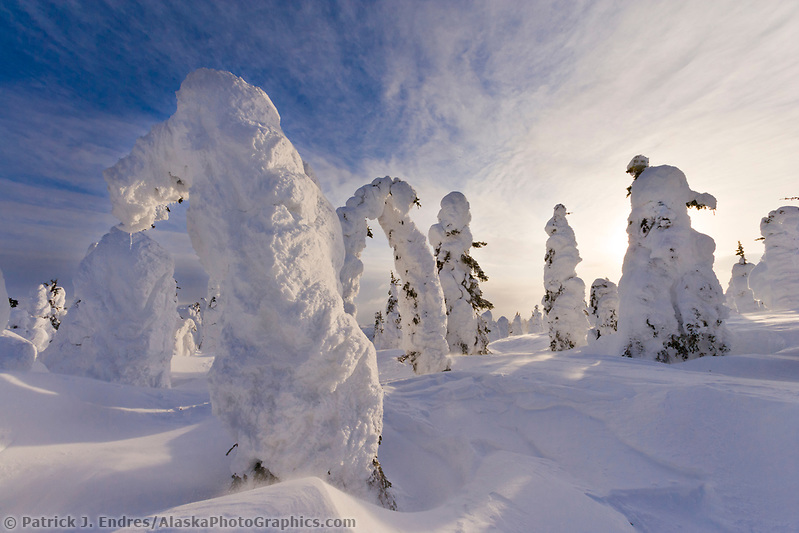
Unveiling Alaska’s Diverse Snowfall Landscape
Alaska’s sheer size and varied topography mean that snowfall isn’t uniform across the state. Instead, it’s a dynamic phenomenon shaped by mountain ranges, coastal influences, and vast interior plains.
The Myth and the Reality: Dispelling Common Misconceptions
Many assume that all of Alaska is locked in a deep freeze with constant heavy snowfall from September to May. While some regions do experience prolonged, severe winters, others enjoy milder conditions or less frequent, albeit substantial, snow events. For instance, parts of Southeast Alaska might see more rain than snow in winter, especially at lower elevations, due to warmer Pacific influences. Conversely, the Interior is known for its exceptionally cold, dry air and impressive snowpack. The perception of perpetual blizzards might be romantic, but it understates the region-specific charm and challenges of Alaskan winters.
Regional Variations: From Coastal Rains to Interior Blizzards
- Southcentral Alaska (e.g., Anchorage, Kenai Peninsula): This region typically experiences moderate to heavy snowfall, influenced by proximity to the Gulf of Alaska and the protective Chugach Mountains. Anchorage generally receives around 75-80 inches (190-200 cm) of snow annually, making it a popular hub for winter recreation. The snow is often wet and dense, perfect for building snow forts or enjoying ski trails.
- Interior Alaska (e.g., Fairbanks): This is where extreme cold and lighter, fluffier snow dominate. Fairbanks might receive less total snowfall than coastal areas, averaging around 60-70 inches (150-175 cm), but it stays on the ground for much longer due to consistently frigid temperatures. The dry powder here is ideal for cross-country skiing and dog mushing.
- Southeast Alaska (e.g., Juneau): The Panhandle’s maritime climate means milder winters and more precipitation, often falling as rain in coastal towns. However, higher elevations in areas like Juneau and within the Tongass National Forest receive substantial snow, essential for glacier formation and mountain sports. Juneau averages about 80-90 inches (200-230 cm) annually, with significant variations based on elevation.
- Arctic Alaska (e.g., Barrow/Utqiagvik): Surprisingly, the Arctic region receives relatively little snowfall, often less than 30 inches (75 cm) annually. The extreme cold, however, ensures that what little snow falls remains on the ground for most of the year, forming part of the sea ice and tundra landscape.
Factors Influencing Snow Accumulation
Several natural elements dictate Alaska’s’s intricate snowfall patterns. Ocean currents, particularly the warmer waters of the North Pacific Ocean, bring moisture inland. As this moist air rises over towering mountain ranges like the Chugach, Alaska Range, and Brooks Range, it cools, condenses, and precipitates as snow. This orographic lift is responsible for the incredibly deep snowpacks found in mountainous regions, which feed Alaska’s’s vast network of glaciers. Interior areas, shielded by these ranges, experience a continental climate with colder, drier air masses, resulting in lighter, persistent snowfall.
When to Experience Alaska’s Winter Wonderland
Timing your visit is crucial for a snow-centric Alaskan adventure, as the winter season unfolds with distinct phases.
The Peak Snow Season: November to March
The heart of Alaska’s snow season typically runs from November through March, offering the most reliable conditions for winter activities.
- November-December: The landscape begins its transformation, with consistent snow starting to fall and accumulate. Temperatures drop significantly, and daylight hours shorten dramatically, especially in the Interior and Arctic. This period is excellent for early season skiing, snowshoeing, and witnessing the first strong displays of the Aurora Borealis.
- January-February: These months represent the coldest and darkest part of the Alaskan winter. Snow depths are at their peak, and ice formations are widespread. It’s the prime time for ice fishing, dog sledding, and experiencing the full grandeur of the Arctic winter. Prepare for very short daylight hours in the north, but also for consistently clear, cold nights ideal for aurora viewing.
- March: As spring approaches, daylight hours extend rapidly, and temperatures begin a slow ascent. Snow conditions remain excellent for most winter sports, but the sun’s presence becomes a welcome companion. March also hosts iconic events like the Iditarod Trail Sled Dog Race and the Iron Dog snowmachine race, making it a vibrant time to visit.
Shoulder Seasons: Autumn’s First Dustings and Spring Thaws
- Late September-October: Depending on elevation and region, the first dustings of snow can appear in late September, particularly in higher mountains. October sees more widespread snowfall, often ephemeral at lower elevations but signaling the impending winter. This is a beautiful time for photography, with vibrant fall colors often peeking through fresh snow.
- April-May: The big melt begins, though many areas, especially ski resorts and higher elevations, retain significant snowpack well into April and even May. Spring skiing is popular, and wildlife starts to re-emerge against a backdrop of melting snow and budding life. While snow can still fall, it’s typically wetter and heavier, and less reliable for continuous snow activities.
Planning Your Visit: Tailoring to Snow-Related Activities
Your ideal travel time depends entirely on your desired snow experience. For deep powder and consistent cold, target January-February. For a balance of snow, increasing daylight, and iconic events, March is often a fantastic choice. For photography with early snow contrasting against autumn foliage, late October offers unique beauty. Always check specific regional forecasts and snow reports closer to your travel dates, as conditions can vary year to year.
Iconic Snowy Destinations and Adventures
Alaska’s vastness provides a playground for every type of winter enthusiast, from thrill-seekers to those simply wishing to bask in serene, snow-covered beauty.
Fairbanks and the Interior: Northern Lights and Dog Sledding
Fairbanks, situated in the heart of Interior Alaska, is arguably the world’s best land-based destination for viewing the Aurora Borealis. Its location directly under the auroral oval, combined with clear, cold nights and minimal light pollution, creates unparalleled viewing opportunities. When you’re not gazing skyward, Fairbanks offers quintessential Alaskan winter experiences:
- Dog Sledding: Learn to mush your own team across snowy trails.
- Ice Sculpting: Witness world-class ice artists at the World Ice Art Championships.
- Snowmobiling (Snowmachining): Explore vast stretches of wilderness.
- Cross-Country Skiing and Snowshoeing: Enjoy groomed trails or break your own path through the boreal forest.
Anchorage and Southcentral: Skiing and Winter Sports
As Alaska’s largest city, Anchorage serves as a convenient gateway to a diverse range of winter activities, often just a short drive from the urban center.
- Downhill Skiing/Snowboarding: Resorts like Mount Alyeska in Girdwood offer challenging terrain and incredible ocean views, consistently receiving deep snow.
- Fat Biking: Navigate snowy trails around Anchorage on specially designed bikes.
- Ice Skating: Numerous outdoor rinks and frozen lakes offer a classic winter pastime.
- Winter Hikes: Explore snow-covered trails in Chugach State Park or on the Tony Knowles Coastal Trail.
Juneau and the Panhandle: Glacier Views and Coastal Snows
Juneau, the capital city, provides a unique blend of coastal charm and mountainous winter beauty.
- Mendenhall Glacier: Witness this stunning glacier in its winter glory, often surrounded by snow and ice. Opportunities for ice cave exploration (with guides) may exist.
- Heliskiing: Access pristine, untouched powder in the surrounding Coast Mountains.
- Snowshoeing: Trails around the city and into the Tongass National Forest become magical under a blanket of snow.
Remote Wilderness: Snowmobiling and Ice Fishing in the Backcountry
For the truly adventurous, Alaska’s remote regions offer unparalleled solitude and adventure.
- Denali National Park (Winter): While much of the park road is closed, winter offers opportunities for cross-country skiing, snowshoeing, and aurora viewing near the park entrance, often with stunning views of Mount Denali.
- Ice Fishing: Countless frozen lakes across the state, from the Mat-Su Valley to the Interior, become hotspots for targeting Arctic char, burbot, and rainbow trout.
- Backcountry Exploration: For experienced winter travelers, multi-day snowmobile or ski trips into Alaska’s vast backcountry offer an unforgettable encounter with the wild. Always prioritize safety and local expertise.
Essential Preparation for Your Snowy Alaskan Journey
Venturing into Alaska’s winter requires thoughtful preparation to ensure comfort and safety.
Layering for Extreme Cold: Clothing and Gear Essentials
The key to staying warm in Alaska is the art of layering.
- Base Layer: Moisture-wicking thermal underwear (wool or synthetic) to keep sweat away from your skin.
- Mid-Layers: Fleece jackets, down vests, or wool sweaters for insulation.
- Outer Layer: A waterproof and windproof jacket and pants (often insulated) to protect against the elements.
- Extremities: A warm hat that covers your ears, insulated gloves or mittens (mittens are generally warmer), and warm, moisture-wicking socks. Waterproof, insulated boots are non-negotiable for snow and ice.
- Accessories: Neck gaiter or scarf, sunglasses (for glare on snow), and lip balm.
Transportation in Winter: Navigating Snowy Roads and Air Travel
Winter travel in Alaska demands flexibility and preparedness.
- Driving: Many roads are plowed, but conditions can change rapidly. Four-wheel drive or all-wheel drive vehicles with winter tires (studded are common) are highly recommended. Always carry an emergency kit, including extra warm clothes, food, water, a shovel, and recovery gear. Check road conditions frequently via resources like 511 Alaska.
- Air Travel: Flights, especially to remote communities, can be delayed or canceled due to weather. Factor in extra time and be prepared for potential changes.
- Train/Bus: The Alaska Railroad operates a limited winter schedule between Anchorage and Fairbanks, offering scenic views. Some bus services connect major towns but are less frequent.
Safety Considerations: Acknowledging Alaska’s Wild Side
Alaska’s beauty comes with inherent risks, especially in winter.
- Wildlife Encounters: Animals like moose are common even in urban areas and can be dangerous, particularly if agitated or with calves. Give them space.
- Hypothermia/Frostbite: Be aware of the signs and dress appropriately. Seek warmth if you feel prolonged cold.
- Avalanche Danger: If venturing into mountainous terrain, understand and respect avalanche forecasts. Consider hiring a professional guide.
- Remote Areas: If traveling to remote locations, inform someone of your itinerary and expected return time. Carry communication devices like satellite phones or personal locator beacons.
Beyond the Snow: The Magic of Alaskan Winters
While snow is undoubtedly a star, the Alaskan winter experience is enriched by a tapestry of natural wonders and cultural festivities.
The Aurora Borealis Under Snowy Skies
There’s no grander spectacle than the vibrant green, purple, and red hues of the Aurora Borealis dancing across a crisp, starry night sky, perfectly framed by snow-laden trees or ice-covered landscapes. The reflective quality of snow enhances the light, creating an otherworldly glow. Optimal viewing typically occurs between late August and mid-April, far from city lights, with Fairbanks and the surrounding Interior often offering the clearest, most frequent displays.
Wildlife Encounters in a White Landscape
Winter transforms wildlife viewing into a special treat. Moose, with their dark coats, stand out starkly against the white snow, often seen foraging along roadsides or in urban parks. Wolves and lynx become more active, leaving tell-tale tracks in the fresh powder. Bald eagles are still prevalent along the coast, and hardy caribou herds roam the vast tundra. Birdwatchers can spot winter residents like ptarmigan, snow owls, and various finches. Observing these creatures in their natural, snow-covered habitat offers profound insights into their resilience.
Unique Cultural Events and Festivals
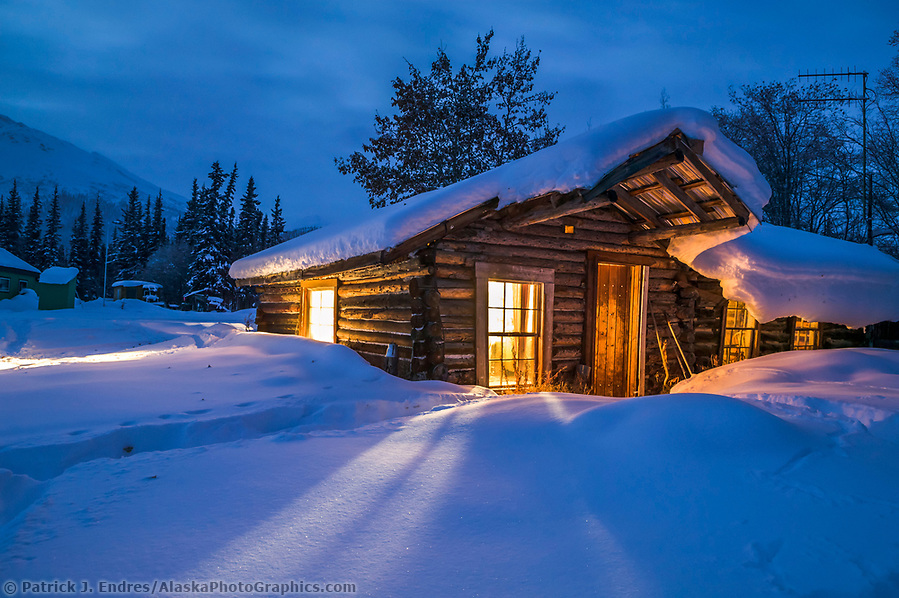
Alaskan communities embrace winter with a series of unique events and festivals that celebrate the season.
- Iditarod Trail Sled Dog Race: The iconic “Last Great Race on Earth,” starting in Anchorage in March, draws visitors worldwide to witness mushers and their dog teams embark on a grueling journey to Nome.
- Fur Rondy: Anchorage’s winter festival, held concurrently with the Iditarod, features a diverse range of events from dog sled races to snow sculpture contests and carnival rides.
- World Ice Art Championships: Held in Fairbanks each March, this internationally renowned competition showcases breathtaking ice sculptures, often illuminated at night.
- Arctic Winter Games: A circumpolar multi-sport event that highlights traditional Arctic sports and culture, hosted by different Arctic cities.
In conclusion, yes, it snows in Alaska, and in many ways that make it one of the most compelling winter travel destinations on Earth. From the deep, wet snows of the coast to the dry, powdery flakes of the Interior, Alaska offers an unparalleled spectrum of frosty beauty and exhilarating adventure, promising an unforgettable journey for those prepared to embrace its magnificent winter embrace.
LifeOutOfTheBox is a participant in the Amazon Services LLC Associates Program, an affiliate advertising program designed to provide a means for sites to earn advertising fees by advertising and linking to Amazon.com. Amazon, the Amazon logo, AmazonSupply, and the AmazonSupply logo are trademarks of Amazon.com, Inc. or its affiliates. As an Amazon Associate we earn affiliate commissions from qualifying purchases.