
Navigating the process of renewing your driver’s license in Texas is a straightforward, yet essential, task for any resident. This guide aims to demystify the procedures, timelines, and requirements, ensuring your driving privileges remain current without unnecessary complications. Whether you’re a long-time resident or new to the Lone Star State, understanding the renewal process is key to maintaining compliance with Texas Department of Public Safety (DPS) regulations.
Understanding Your License Renewal Options
Texas offers several convenient avenues for driver’s license renewal, catering to different preferences and situations. The primary methods include online renewal, renewal by mail, and in-person renewal at a Texas Driver License office. Each option has its specific eligibility criteria and procedural steps. Familiarizing yourself with these will help you choose the most suitable method for your needs.
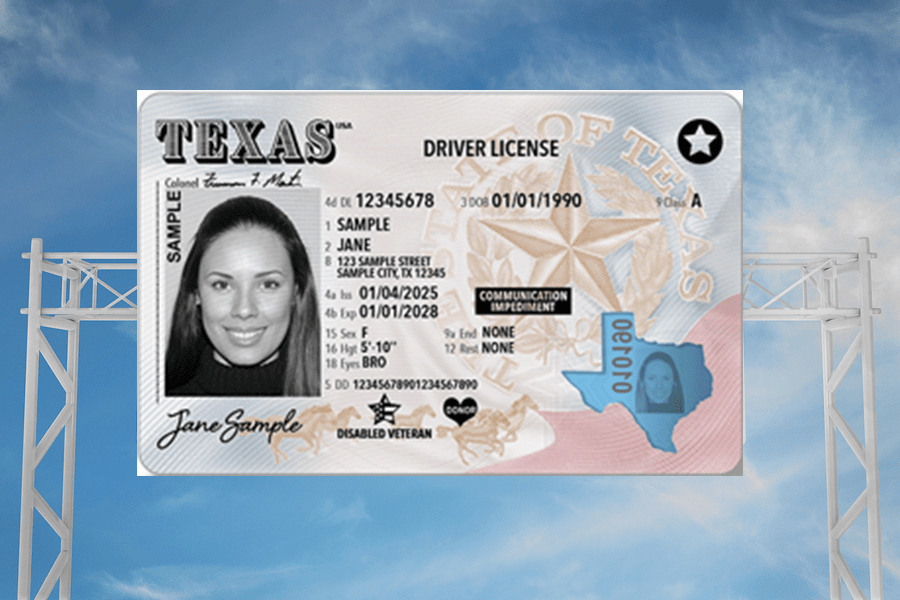
Online Renewal
The Texas DPS online renewal system is often the quickest and most efficient way to update your license, provided you meet the eligibility requirements. This method is ideal for individuals who have had a clean driving record and whose licenses are not expired for too long.
Eligibility for Online Renewal:
- Age: You must be between 18 and 78 years of age.
- License Type: This option is generally available for Class C, CDL (Commercial Driver License), and motorcycle licenses.
- Expiration Status: Your license must not be expired for more than two years.
- No New Requirements: You must not have had significant changes in your physical condition that would require an updated medical certification or other endorsements.
- Residency: You must be a Texas resident.
- Previous Renewal Method: You must have renewed your license online or by mail previously, or your current license must be a REAL ID compliant license issued after October 1, 2016.
- Vision Test: You must pass a vision screening test administered by a licensed eye care professional within the last 12 months and have the results submitted electronically to the DPS. Alternatively, you can attest that you have passed a vision test.
- Social Security Number: Your Social Security number must be on file with the DPS.
- No Outstanding Tickets or Warrants: You must not have any outstanding traffic tickets or warrants that would prevent renewal.
The Online Renewal Process:
- Visit the Texas DPS Website: Access the official Texas DPS Driver License renewal portal.
- Enter Required Information: You will need to provide your driver’s license number, date of birth, and other identifying details to verify your identity.
- Complete the Vision Test Declaration: As mentioned, you’ll either need to provide proof of a recent vision test or attest to passing one.
- Pay the Renewal Fee: Secure payment of the renewal fee can be made online using a credit or debit card.
- Receive Confirmation: Upon successful completion, you will receive a confirmation of your renewal. Your new license will be mailed to your address on file within a few weeks.
Renewal by Mail
Renewal by mail is another option for eligible individuals who prefer not to renew online or visit a DPS office. This method is particularly useful for those who are temporarily out of state or have mobility challenges.
Eligibility for Renewal by Mail:
- Active Duty Military Personnel: Texas residents serving on active duty in the U.S. Armed Forces, or their spouses, can renew by mail.
- Temporary Absence: Individuals who are temporarily residing outside of Texas due to specific circumstances (e.g., employment, education) may also be eligible.
- Disability: Those with certain disabilities may qualify for mail renewal if they are unable to visit a DPS office.
- Age and License Type: Similar to online renewal, age and license type restrictions may apply.
The Mail Renewal Process:
- Obtain a Renewal Application: Request a renewal form from the Texas DPS by phone or online.
- Complete the Application: Fill out the form accurately and completely.
- Submit Supporting Documents: Depending on your eligibility, you may need to include proof of military service, a letter from your employer, or medical documentation.
- Include Payment: A check or money order for the renewal fee should be included with your application.
- Mail to the DPS: Send the completed application, supporting documents, and payment to the designated address on the renewal form.
In-Person Renewal
For those who do not meet the eligibility criteria for online or mail renewal, or who simply prefer the personal interaction, visiting a Texas Driver License office in person is the standard procedure. This method allows for immediate service and verification of all requirements.
When to Renew In-Person:
- First-Time Renewal after Certain Events: If you are renewing after a significant change in your name or appearance, or if your license has been expired for more than two years.
- REAL ID Compliance: If you need to obtain a REAL ID compliant license and haven’t already done so.
- Specific License Types: Some specialized licenses or endorsements may require an in-person visit.
- Inability to Meet Other Requirements: If you cannot meet the vision test requirements for online renewal or lack the necessary documentation for mail renewal.
The In-Person Renewal Process:
- Locate a DPS Office: Use the Texas DPS website to find the nearest Driver License office. It’s advisable to check office hours and services offered beforehand.
- Gather Required Documents: Bring the following essential documents:
- Proof of Identity: Such as a U.S. birth certificate, U.S. passport, or permanent resident card.
- Proof of Social Security Number: Your Social Security card or a W-2 form.
- Proof of Texas Residency: Two valid documents showing your Texas address, like a utility bill, lease agreement, or bank statement.
- Your Current Driver License: Even if expired.
- Vision Screening: If you have a vision screening report from a licensed eye care professional, bring it. Otherwise, you will take a vision test at the office.
- Complete Application Form: You will fill out a Driver License renewal application form at the office.
- Pass Vision Test: Undergo the vision screening.
- Take Photograph: Have your photograph taken for the new license.
- Pay the Renewal Fee: The fee can typically be paid by cash, check, money order, or credit/debit card.
- Receive Temporary License: You will receive a temporary paper license, and your new card will be mailed to you.
Key Considerations for Renewal
Several factors can influence the renewal process and the type of license you receive. Staying informed about these can prevent unexpected delays or requirements.

REAL ID Compliance
Since October 1, 2020, a REAL ID compliant driver’s license or identification card is required for access to federal facilities, military bases, and boarding commercial aircraft domestically. If you do not have a REAL ID, your current license may eventually become insufficient for these purposes. The renewal process is an excellent opportunity to obtain a REAL ID if you haven’t already.
Obtaining a REAL ID:
To obtain a REAL ID, you will need to present more extensive documentation at a DPS office, including:
- Proof of Identity: Original or certified copy of your birth certificate or U.S. passport.
- Proof of Social Security Number: Original Social Security card or W-2 form.
- Proof of Legal Presence: If not a U.S. citizen.
- Proof of Texas Residency: Two documents, such as utility bills or bank statements.
- Proof of Name Change (if applicable): Marriage certificate or court order.
License Expiration and Grace Periods
Texas driver’s licenses are typically valid for six to eight years. It is crucial to renew your license before it expires to avoid potential penalties. While there might be a short grace period for renewal, driving with an expired license is illegal and can result in fines and other legal consequences. The Texas DPS usually sends renewal notices by mail or email, but it’s your responsibility to keep track of your expiration date.
Updating Your Information
If you have moved or changed your name since your last renewal, you must update this information with the Texas DPS. Name changes require specific documentation, such as a marriage certificate or court order, to be presented at an in-person visit. Address changes can often be made online or by mail when renewing.
Driver Improvement Courses
In certain situations, such as accumulating too many traffic violations, you may be required to complete a driver improvement course. This course is designed to educate drivers on traffic laws and safe driving practices. If required, completion certificates must be presented during the renewal process.
Frequently Asked Questions About License Renewal
The renewal process can sometimes bring up specific questions. Here are answers to some of the most common inquiries.
How Far in Advance Can I Renew My License?
You can typically renew your Texas driver’s license up to one year before its expiration date. It is advisable to renew well in advance to avoid any last-minute issues or lapses in your driving privileges.
What if My License is Expired?
If your license has been expired for less than two years, you may still be eligible for online or mail renewal, or you can renew in person. However, if it has been expired for more than two years, you will likely need to reapply for a new license and pass all required tests, including the driving test.
Can I Renew if I’m Out of State?
Yes, eligible Texas residents can renew their driver’s licenses while out of state. The options available depend on your specific circumstances, with online renewal or renewal by mail being the most common. Active-duty military personnel have specific provisions for renewal.
What are the Fees for Renewal?
The renewal fee for a standard Texas driver’s license is subject to change but is generally around $33. Additional fees may apply for specific endorsements or for obtaining a REAL ID compliant license. The official Texas DPS website will have the most up-to-date fee schedule.
How Long Does It Take to Receive My New License?
After a successful renewal, your new driver’s license typically arrives by mail within three to four weeks. If you have not received it within that timeframe, you should contact the Texas DPS for assistance.

Conclusion
Renewing your driver’s license in Texas is a crucial administrative task that ensures you can continue to legally operate a vehicle. By understanding the various renewal methods—online, by mail, and in person—and their associated requirements, you can navigate the process smoothly. Whether you’re aiming for a standard renewal or seeking a REAL ID compliant license, preparedness and awareness of deadlines will contribute to a stress-free experience. Always refer to the official Texas DPS website for the most current information and to initiate your renewal process.
LifeOutOfTheBox is a participant in the Amazon Services LLC Associates Program, an affiliate advertising program designed to provide a means for sites to earn advertising fees by advertising and linking to Amazon.com. Amazon, the Amazon logo, AmazonSupply, and the AmazonSupply logo are trademarks of Amazon.com, Inc. or its affiliates. As an Amazon Associate we earn affiliate commissions from qualifying purchases.