
The question “How much of California has burned?” resonates deeply, especially for those who cherish its diverse landscapes, vibrant cities, and unparalleled outdoor experiences. For prospective travelers, tourism professionals, and even long-term residents, the specter of wildfires has become an unfortunate, yet undeniable, part of the state’s narrative. This isn’t merely a statistical query; it’s a profound concern that touches upon everything from travel safety and destination accessibility to the resilience of local communities and the future of sustainable tourism.
California, a state synonymous with breathtaking natural beauty, iconic landmarks, and a lifestyle that blends luxury with adventure, faces a complex relationship with its natural environment. While much of the global media focuses on the sheer acreage scorched, the real story for those in the travel and tourism industry lies in understanding the nuanced impacts on destinations, the measures taken for recovery, and how visitors can continue to enjoy and support this magnificent state responsibly. From the sun-kissed beaches of San Diego to the majestic peaks of Yosemite National Park, California’s allure remains strong, even as it navigates the challenges posed by an evolving climate. This article delves into the realities of California’s wildfires, offering insights for planning your next adventure and contributing positively to its enduring spirit.
The Scope of California’s Wildfires and Their Immediate Aftermath
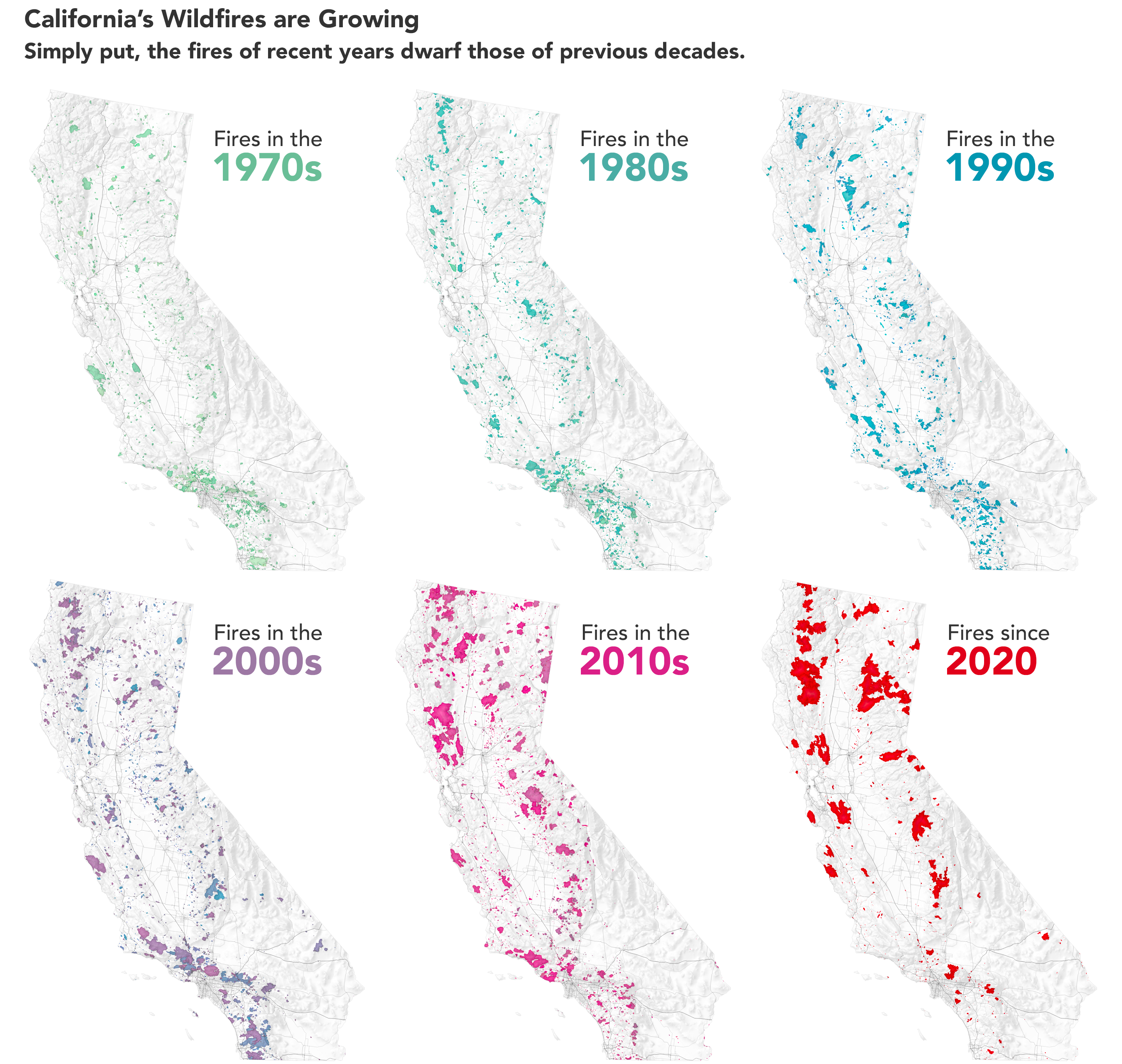
Wildfires in California are not a new phenomenon; they are a natural part of the ecosystem. However, recent years have seen an alarming increase in their frequency, intensity, and destructive power, often exacerbated by prolonged droughts and climate change. Millions of acres have been affected over the past decade, transforming vast swathes of forest and wildland, impacting everything from national parks to rural communities. While the total percentage of California’s landmass burned might seem relatively small compared to its immense size, the localized impact on specific ecosystems, towns, and agricultural regions can be devastating. This widespread devastation poses significant questions for the tourism sector, affecting everything from attraction accessibility to the fundamental perception of safety for travelers.
Understanding the immediate aftermath involves more than just assessing physical damage; it’s about comprehending the ripple effects on air quality, infrastructure, and the very fabric of communities that rely on tourism. Travelers dreaming of a scenic drive through Big Sur or a wine-tasting tour in Napa Valley need to be aware of how these events might temporarily alter their experience.
A Landscape Transformed: Beyond the Headlines
The images broadcast worldwide often depict the most dramatic scenes of active fires, but the aftermath presents a different, albeit equally impactful, reality. Landscapes can be profoundly transformed, with once-lush forests reduced to charred remains. However, nature also demonstrates remarkable resilience. Many areas, even those severely impacted, begin to show signs of recovery relatively quickly, with new growth emerging from the ashes. For destinations centered around nature, like [Sequoia National Park](https://lifeoutofthe Park/sequoia-national-park) or regions surrounding Lake Tahoe, this transformation can alter hiking trails, scenic vistas, and wildlife habitats.
From a tourism perspective, this means that while some trails might be closed for ecological recovery or safety reasons, many other areas remain untouched and continue to offer breathtaking experiences. The challenge lies in discerning which areas are open, safe, and welcoming, and appreciating the new beauty that emerges from recovery. Visiting areas post-fire, when appropriate and safe, can also offer a unique perspective on natural cycles and the importance of conservation, reminding visitors of the delicate balance that sustains these cherished environments.
Air Quality and Public Safety: A Traveler’s Concern
One of the most immediate and widespread concerns during and after major wildfires is air quality. Smoke plumes can travel hundreds of miles, affecting metropolitan areas like San Francisco and Los Angeles that are far from the active fire zones. Poor air quality can impact outdoor activities, deterring travelers from exploring famous parks or enjoying al fresco dining. Public safety is paramount, and officials issue warnings and evacuation orders when necessary, which can disrupt travel plans significantly.
For travelers, staying informed is crucial. Monitoring air quality indexes (AQI) and local news before and during their trip is essential for making informed decisions about outdoor activities. Many attractions and businesses have protocols in place to ensure visitor safety, and understanding these measures is part of responsible travel planning. While temporary inconveniences might arise, the vast majority of California remains unaffected at any given time, and businesses across the state are adept at providing up-to-date information to ensure a pleasant and secure visit.
Navigating Travel in Fire-Affected Regions: Planning Your Trip
Despite the challenges posed by wildfires, California remains an unparalleled travel destination. The key to a successful and enjoyable trip lies in informed planning, flexibility, and a commitment to responsible tourism. The state is immense, offering an incredible diversity of experiences, and even when one region faces fire activity, countless others are ready to welcome visitors. This segment focuses on practical advice for travelers, covering destination accessibility, accommodation considerations, and general planning tips to ensure your California adventure is both safe and rewarding.
One of the core tenets of navigating travel in these conditions is to always prioritize safety and local guidance. State and local authorities provide real-time updates on fire incidents, road closures, and air quality advisories. Utilizing official resources, such as CAL FIRE, the United States Forest Service, and county emergency management websites, should be a standard part of your pre-trip research. Travel professionals, from hotel concierges to tour operators, are also invaluable sources of current, localized information.

Destination Accessibility and Road Closures
Wildfires can lead to temporary road closures, especially in areas directly affected or those used as access routes for emergency services. This can impact travel to certain national parks, state forests, and even scenic drives like portions of Highway 1 or routes through Sonoma County. While an active fire incident might cause a specific area to be inaccessible, the sheer scale of California means that many other regions remain fully open and unaffected. For instance, if a fire impacts a mountain region, coastal cities like Santa Barbara or desert oases like Palm Springs are typically miles away and operate as usual.
Travelers should monitor real-time road conditions through Caltrans (the California Department of Transportation) and National Park Service alerts if their itinerary includes specific park entrances. Many attractions, like Disneyland Resort or the museums of Hollywood, are located in densely populated areas far removed from wildland fires and are rarely directly impacted beyond potential, temporary air quality issues. Flexibility in itinerary planning is a significant asset; having alternative destinations or routes in mind can help mitigate any unforeseen disruptions.

Accommodation Resilience: Hotels, Resorts, and Rebuilding Efforts
The accommodation sector in California has shown remarkable resilience in the face of natural challenges. While specific hotels or resorts in directly impacted zones might unfortunately suffer damage or temporary closure, the vast majority of lodging options across the state continue to operate without interruption. Many establishments, particularly those in fire-prone areas, have invested heavily in fire-resistant construction materials, advanced sprinkler systems, and comprehensive emergency plans to protect both guests and property.
For travelers, this means that while a specific boutique hotel in a hard-hit wine country region might be temporarily unavailable, numerous alternatives in nearby, unaffected areas are ready to welcome them. Furthermore, the recovery process often sees incredible community spirit, with hotels and local businesses playing a vital role in supporting recovery efforts and rebuilding tourism infrastructure. When booking accommodations, it’s always wise to check cancellation policies and consider travel insurance, especially if traveling during peak fire season (typically late summer through fall). Opting for eco-friendly or sustainably minded resorts also ensures that your stay contributes to the broader environmental health of the region.
Supporting California’s Resilience: Responsible Tourism Practices
For a state that thrives on its natural beauty and diverse attractions, confronting the reality of increased wildfire activity necessitates a collective effort towards resilience and recovery. Travelers have a significant role to play in this, transforming their visits into acts of support for the communities and environments that make California so special. Responsible tourism practices not only ensure a safe and enjoyable trip but also contribute to the long-term health and sustainability of the Golden State. It’s about recognizing that every travel decision, from where you stay to what activities you engage in, has an impact.
Embracing responsible tourism in California means being an informed, respectful, and proactive visitor. It involves staying updated on local conditions, adhering to fire prevention guidelines, and consciously choosing to support businesses and initiatives that contribute to ecological restoration and community recovery. By doing so, visitors become part of the solution, helping to ensure that California’s iconic landscapes and vibrant communities continue to enchant generations to come.
Investing in Local Economies and Recovery
One of the most effective ways travelers can contribute to California’s resilience is by directing their spending to local businesses, especially in areas that have been affected by fires. When you purchase goods from local artisans, dine at family-owned restaurants, book tours with local guides, or stay at community-run accommodations, you inject vital funds directly into the economy. This support helps businesses recover, retain employees, and rebuild their communities. After a fire, the return of tourism is often a critical factor in a town’s ability to bounce back.
Beyond direct spending, many communities have established relief funds or recovery initiatives that benefit from donations. Researching these organizations and contributing, even a small amount, can have a meaningful impact. Choosing to visit regions that are open for business, even if they’ve faced challenges in the past, sends a clear message of support and encourages continued investment in tourism infrastructure. Celebrating the re-opening of a cherished attraction or the revitalization of a charming town helps broadcast that California is open and welcoming.
Fire Prevention: Every Traveler’s Role
Prevention is the cornerstone of mitigating wildfire risk, and every traveler has a role to play. Being mindful of fire safety rules is not just a suggestion; it’s a critical responsibility, particularly when exploring California’s vast natural areas. Simple actions can make a huge difference in preventing accidental ignitions.
Here are key prevention tips for travelers:
- Be Smart with Campfires: Always check local fire restrictions before lighting a campfire. Use designated fire rings, keep them small, and ensure they are completely extinguished before leaving. Remember the adage: “If it’s too hot to touch, it’s too hot to leave.”
- Dispose of Cigarettes Properly: Never toss cigarette butts out of car windows or onto the ground. Use an ashtray and ensure they are fully extinguished.
- Mind Your Vehicles: Hot vehicle parts, especially catalytic converters, can ignite dry grass. Avoid parking on dry vegetation. Ensure your vehicle is well-maintained to prevent sparks.
- Check Spark Arrestors: If you’re using ATVs or other off-road vehicles, ensure they are equipped with functional spark arrestors.
- Know Your Evacuation Routes: If you are staying in a rural or wildland-urban interface area, familiarize yourself with local emergency procedures and evacuation routes.
- Report Fires Immediately: If you spot smoke or fire, call 911 (or the local emergency number) without delay. Early detection can prevent small fires from becoming large infernos.
By adhering to these guidelines, travelers become active participants in protecting California’s precious landscapes and ensuring the safety of its residents and future visitors.
California’s Enduring Allure: Looking Beyond the Smoke
Despite the profound challenges posed by wildfires, California’s spirit remains unbroken, and its allure for travelers is as strong as ever. The state is a mosaic of experiences, from the cultural vibrancy of San Francisco with its iconic Golden Gate Bridge, to the entertainment capital of Los Angeles, to the serene beauty of its countless beaches and mountain ranges. While the question “How much of California has burned?” highlights a very real concern, it’s important to remember that vast portions of this magnificent state remain untouched, vibrant, and eager to welcome visitors.
The narrative of California is one of innovation, resilience, and breathtaking natural wonders. Its diverse ecosystems, from the towering redwoods to the vast deserts, continue to offer unique adventures and moments of profound connection with nature. Its cities are global centers of culture, cuisine, and creativity. For every area that has faced the test of fire, there are countless others thriving, offering the quintessential California experience.
Travelers considering a trip to California should do so with confidence, armed with information and a commitment to responsible travel. By staying informed, being flexible, and supporting local communities, visitors not only enjoy an unforgettable journey but also contribute to the ongoing story of a state that continually rebuilds, adapts, and shines brightly. The enduring magic of California isn’t just in its famous landmarks or stunning vistas; it’s also in its unbreakable spirit and the collective effort to preserve its beauty for all. So, pack your bags, prepare your itinerary, and come discover the boundless wonders that await in California.
LifeOutOfTheBox is a participant in the Amazon Services LLC Associates Program, an affiliate advertising program designed to provide a means for sites to earn advertising fees by advertising and linking to Amazon.com. Amazon, the Amazon logo, AmazonSupply, and the AmazonSupply logo are trademarks of Amazon.com, Inc. or its affiliates. As an Amazon Associate we earn affiliate commissions from qualifying purchases.