
Proper care of your Gore Tex jacket is paramount to maintaining its waterproof, windproof, and breathable qualities, especially for seasoned travelers and outdoor enthusiasts. Whether you’re trekking through the rugged landscapes of the Patagonia region, braving the unpredictable weather of the Scottish Highlands, or simply enjoying a brisk walk in your local park, your Gore Tex jacket is an essential piece of gear. Neglecting its maintenance can lead to a loss of performance, rendering it less effective against the elements and potentially compromising your comfort and safety on your adventures. This guide will walk you through the essential steps for cleaning your Gore Tex jacket, ensuring it remains a reliable companion for all your travels.
Understanding Gore Tex and Its Care Needs
Gore Tex is a highly advanced waterproof, breathable fabric technology renowned for its durability and performance in extreme conditions. It’s a multi-layered material, typically comprising a membrane with billions of microscopic pores, an outer fabric, and often a protective inner lining. The magic lies in the membrane: the pores are small enough to prevent liquid water (like rain) from entering but large enough to allow water vapor (your sweat) to escape, thus keeping you dry from both external moisture and internal perspiration.
Over time, the performance of your Gore Tex jacket can be diminished by dirt, oils, body grime, and residues from sunscreen or insect repellent. These contaminants can clog the pores of the membrane, reducing breathability and causing the jacket to “wet out” – meaning the outer fabric absorbs water, making the garment feel heavy and clammy. Regular washing, using the correct methods and detergents, is the most effective way to remove these impurities and restore the jacket’s optimal performance. It’s crucial to understand that typical laundry detergents and fabric softeners can actually harm the fabric’s delicate structure and the DWR (Durable Water Repellent) coating.
Preparing Your Gore Tex Jacket for Washing
Before you begin the washing process, a few preparatory steps will ensure the best results and protect your jacket.
Pre-Wash Inspection and Cleaning
First, thoroughly inspect your jacket for any obvious stains or particularly dirty areas. For minor smudges or light dirt, a damp cloth can often suffice. For more stubborn stains, you can pre-treat them gently. Avoid harsh scrubbing, which can damage the fabric.
Zippers and Fastenings
Ensure all zippers are fully zipped up, including the main front zipper, pocket zippers, and pit zips. Fasten all Velcro closures and snap buttons. This prevents them from snagging on the washing machine drum or damaging other parts of the jacket during the wash cycle. Properly closing these elements also helps maintain their integrity.
Empty Pockets
A crucial step often overlooked is to empty all pockets. This not only prevents items from being damaged or lost but also ensures that any substances within the pockets (like tissues, receipts, or even stray snacks) don’t interfere with the washing process or leave residue on your jacket.
Checking Care Labels
Always refer to the specific care label on your Gore Tex jacket. While the general guidelines provided here are widely applicable, manufacturers may have specific recommendations based on the exact construction and features of their garment. This label will provide essential information regarding water temperature, detergent types, and drying instructions tailored to your specific jacket.
The Washing Process: Machine Washing Gore Tex
Machine washing is generally the recommended method for cleaning Gore Tex jackets, as it provides a thorough and consistent clean. However, it’s vital to follow the correct procedure to avoid damaging the fabric and its protective treatments.
Choosing the Right Detergent
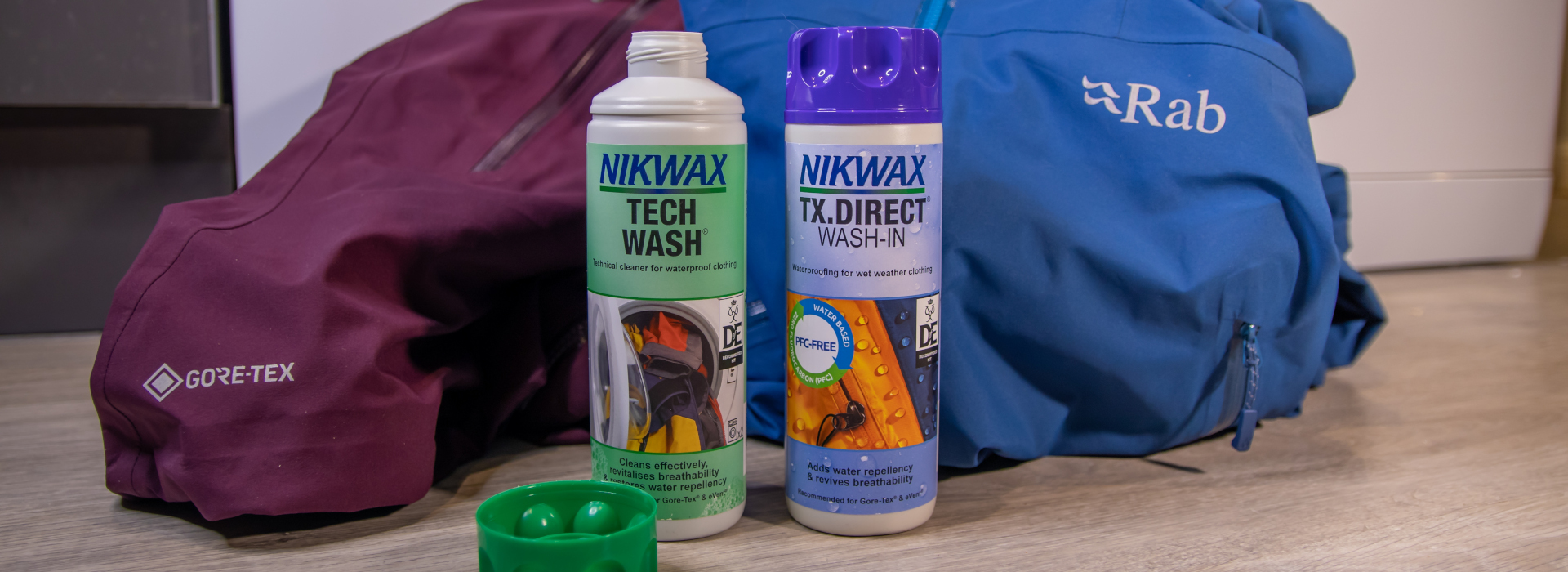
This is arguably the most critical aspect of washing your Gore Tex jacket. You must use a technical wash specifically designed for waterproof and breathable outdoor gear. Products like Nikwax Tech Wash or Grangers Performance Wash are excellent choices. These detergents are formulated to clean effectively without leaving behind residues that can clog the membrane or harm the DWR coating. Crucially, avoid conventional laundry detergents, bleach, fabric softeners, and stain removers. These products contain chemicals that can strip the DWR finish and damage the waterproof-breathable membrane, leading to a significant reduction in performance. If you cannot find a specialized wash immediately, you can use a very small amount of mild liquid detergent, but this should be a last resort and requires thorough rinsing.
Machine Settings
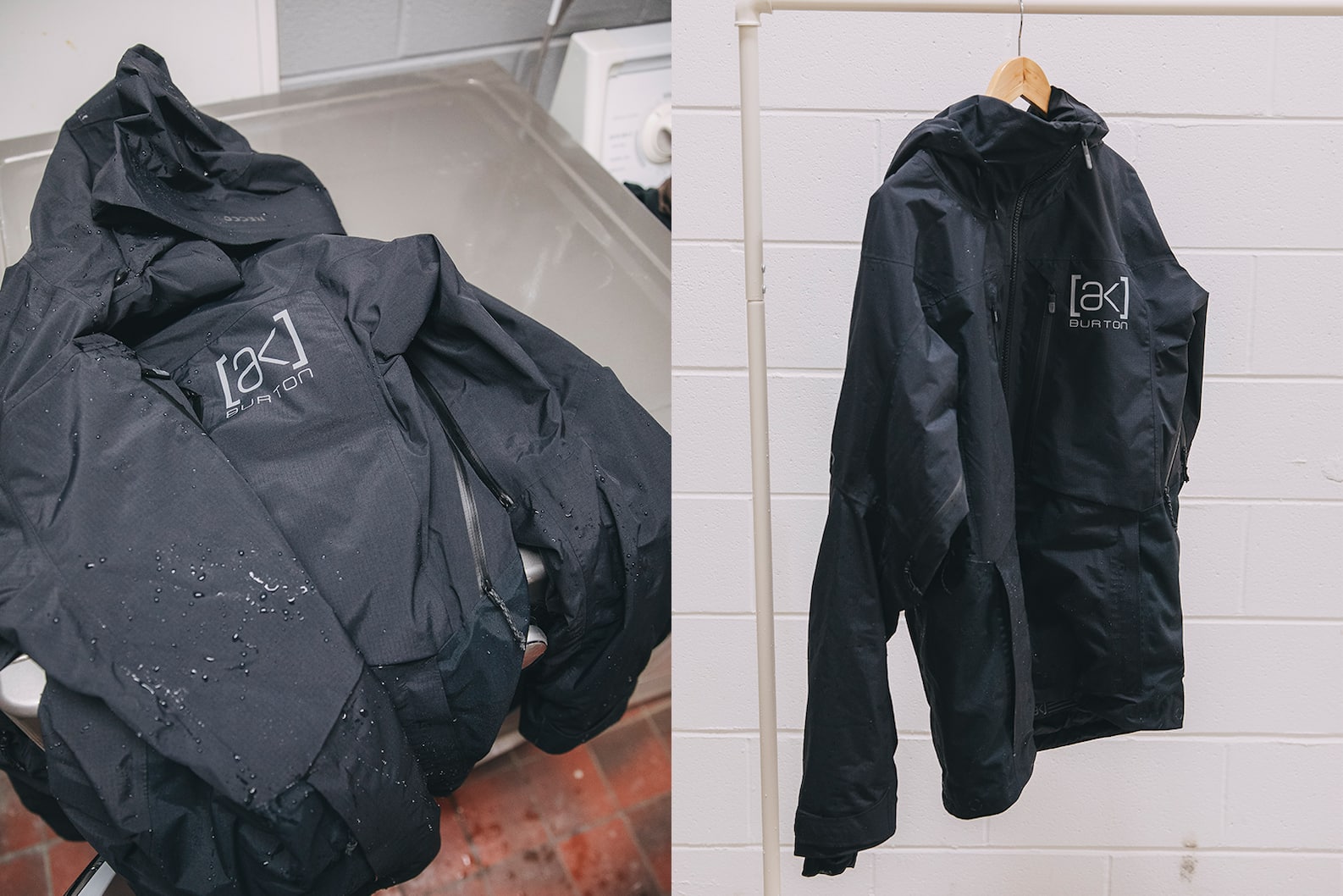
- Washing Machine Type: A front-loading washing machine is ideal, as it’s gentler on garments than a top-loading machine with an agitator. If you only have a top-loader, consider using a mesh laundry bag to protect your jacket.
- Wash Cycle: Select a gentle or delicate wash cycle. A normal cycle might be too aggressive for the delicate membranes and coatings.
- Water Temperature: Use warm water, typically around 40°C (104°F). Check your jacket’s care label for precise temperature recommendations, but avoid hot water, as it can damage the fabric and its treatments.
- Rinse Cycle: It is essential to run an extra rinse cycle. This ensures that all detergent residue is completely removed from the fabric. Any remaining soap can hinder the jacket’s breathability and water repellency.
Washing Instructions
- Load your Gore Tex jacket into the washing machine. It’s best to wash it alone or with only a few other technical garments of similar material. Avoid washing it with heavily soiled items like work clothes or towels, as this can transfer dirt and grime.
- Add the recommended amount of specialized technical wash to the detergent dispenser. Follow the product instructions precisely.
- Select the appropriate wash cycle and water temperature.
- Start the washing machine.
- Once the cycle is complete, run at least one, and preferably two, extra rinse cycles to ensure all detergent is flushed out.
Revitalizing the DWR Coating
Washing your Gore Tex jacket not only cleans it but also prepares it for the reactivation of its Durable Water Repellent (DWR) finish. The DWR coating is a thin, invisible layer applied to the outer face of the fabric that causes water to bead up and roll off. Over time and with use, this coating wears away.
Understanding DWR Reactivation
The heat from a tumble dryer or a gentle ironing process can reactivate the remaining DWR treatment on your jacket. This is a crucial step in restoring its water-repellent capabilities.
Tumble Drying
- Method: After washing and ensuring all detergent is rinsed out, place your jacket in a tumble dryer on a medium heat setting.
- Duration: Dry for about 20-30 minutes, or until the jacket is completely dry. The heat is the key component here, not the tumbling action itself.
- Benefits: The heat helps to refresh and reactivate the DWR finish, encouraging water to bead on the surface again.
Ironing (Alternative Method)
If you don’t have a tumble dryer, or if the care label advises against it, you can use a domestic iron.
- Method: Set your iron to a low or medium heat setting (no steam). Place a clean towel or a piece of thin cloth between the iron and your jacket to protect the fabric.
- Technique: Gently iron the outer surface of the jacket in a circular motion for a few minutes. Ensure even heat distribution.
- Caution: Always check your jacket’s care label before ironing. Some modern Gore Tex materials may not be suitable for ironing.
Reapplying DWR (If Necessary)
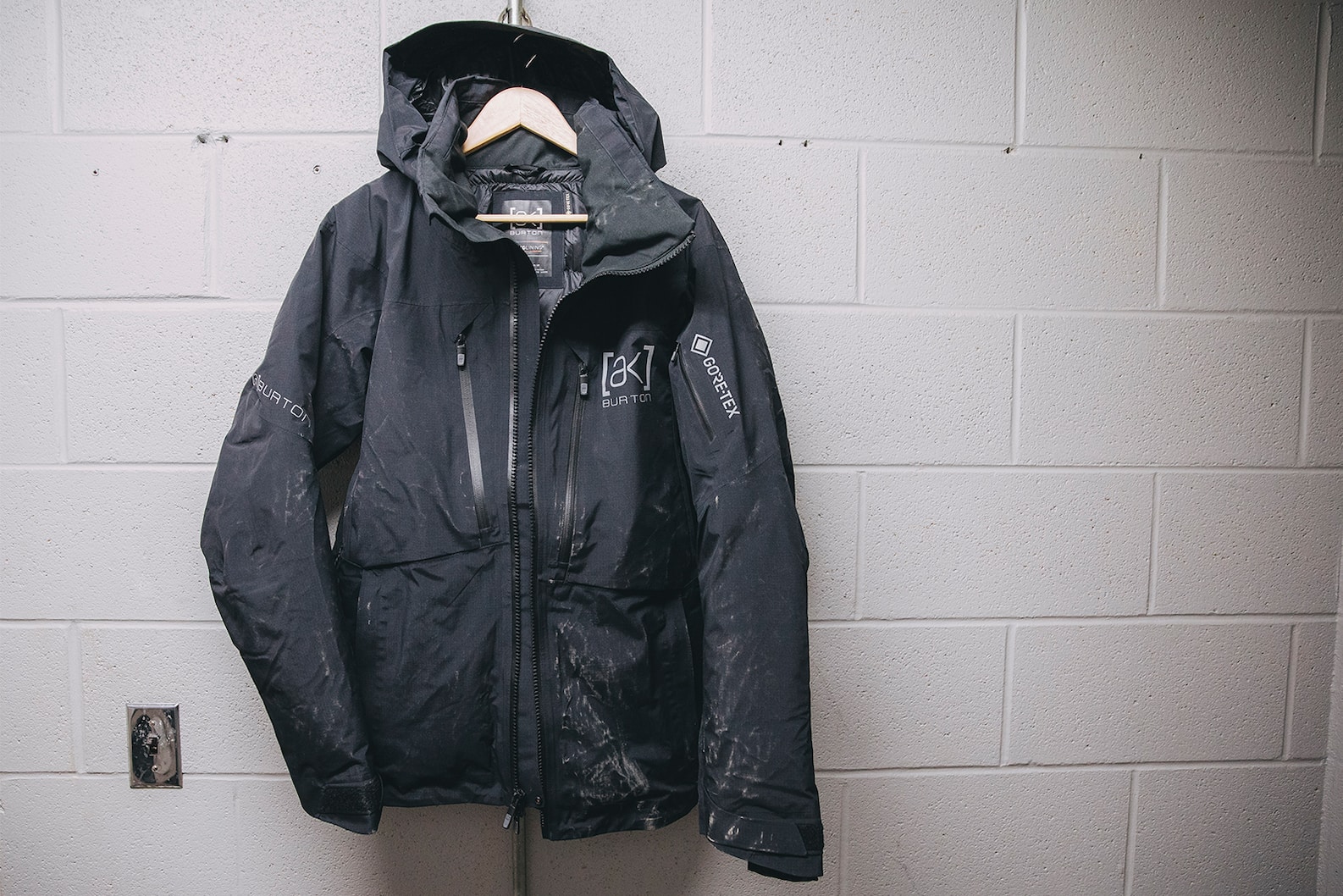
If, after washing and drying/ironing, you notice that water no longer beads up and rolls off your jacket’s surface, but instead soaks into the fabric (the jacket “wets out”), it’s time to reapply a DWR treatment.
Choosing a DWR Product
There are various DWR re-treatment products available, often in spray or wash-in forms. Popular and effective options include Nikwax TX.Direct and Grangers Performance Repel Plus. Choose a product that is compatible with your jacket’s material.
Application Methods
- Spray-On DWR: This is a common and easy-to-use method. After washing and drying your jacket, hang it up or lay it flat. Evenly spray the DWR treatment onto the outer surface of the jacket, ensuring complete coverage, paying attention to seams and high-wear areas. Allow the jacket to air dry thoroughly according to the product instructions, and then often it’s recommended to tumble dry on a medium heat for a short period to activate the treatment.
- Wash-In DWR: This is applied in the washing machine. After washing your jacket with technical wash, you would add the wash-in DWR to the detergent compartment and run a separate wash cycle. Again, follow the product’s instructions for drying and heat activation.
Important Considerations for DWR Reapplication
- Timing: Only reapply DWR when it’s truly needed. Over-application can sometimes lead to a greasy feel or reduced breathability.
- Coverage: Ensure an even application for consistent water repellency.
- Product Compatibility: Always check that the DWR product is suitable for Gore Tex and other waterproof-breathable fabrics.
By following these steps diligently, you can significantly extend the lifespan and performance of your Gore Tex jacket. Regular, proper cleaning and maintenance will ensure it continues to offer superior protection against the elements, keeping you dry, comfortable, and ready for your next adventure, whether it’s a challenging hike in the Dolomites or a city break in Vancouver.
LifeOutOfTheBox is a participant in the Amazon Services LLC Associates Program, an affiliate advertising program designed to provide a means for sites to earn advertising fees by advertising and linking to Amazon.com. Amazon, the Amazon logo, AmazonSupply, and the AmazonSupply logo are trademarks of Amazon.com, Inc. or its affiliates. As an Amazon Associate we earn affiliate commissions from qualifying purchases.