
New York City, a metropolis that pulses with an energy unlike any other, is a destination that beckons travelers from every corner of the globe. Its iconic skyline, vibrant neighborhoods, and endless array of experiences make it a perennial favorite for those seeking adventure, culture, and unforgettable memories. For the discerning traveler, understanding the rhythm of this magnificent city is key to unlocking its full potential. While the question “What day is it in New York City?” might seem simple, it underpins a deeper appreciation for the city’s distinct character, its daily ebb and flow, and how this influences the very essence of a visit.
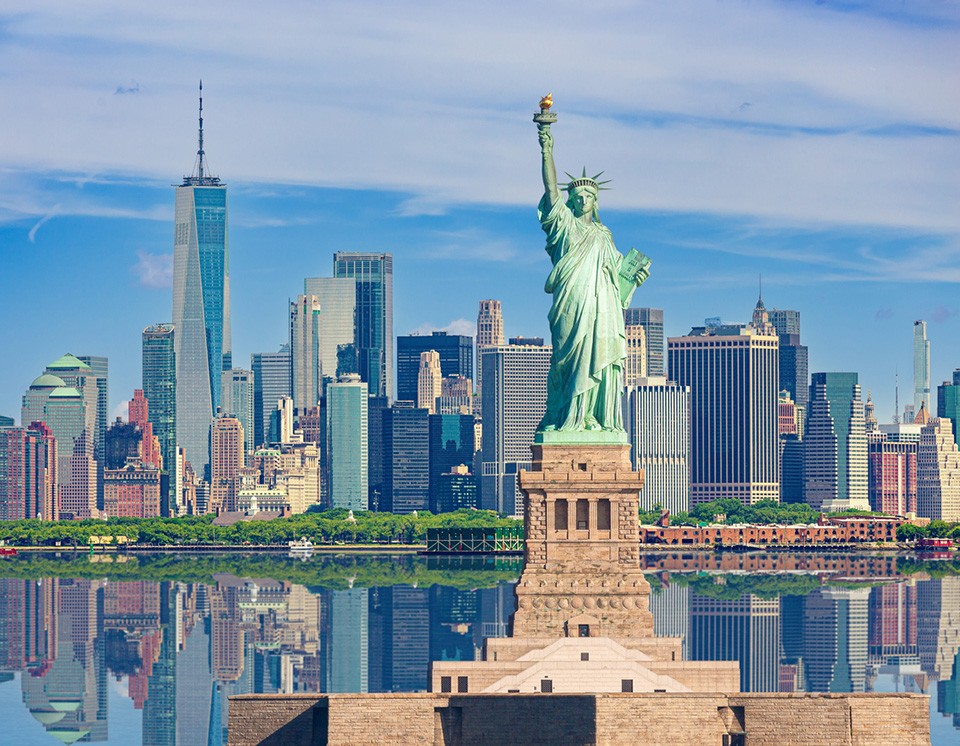
Embracing the NYC Vibe: A Daily Dance
The answer to “What day is it in New York City?” is, of course, dictated by the universal calendar. However, within that simple fact lies a complex tapestry of daily life that significantly shapes the travel experience. Each day of the week in New York City offers a unique flavor, a different beat to the city’s drum. Understanding these nuances can transform a good trip into an extraordinary one.
The Weekday Hustle: Monday to Friday
From Monday morning to Friday evening, New York City is in perpetual motion. This is when the city truly embodies its reputation as the “city that never sleeps,” though the early hours might offer a brief respite before the daily grind commences.
Monday: A Fresh Start or a Slow Burn?
Mondays in New York City can be a mixed bag for visitors. For many New Yorkers, it’s a day to re-immerse themselves in the work week, often with a renewed sense of purpose after the weekend. This means that popular attractions might see a slight dip in crowds during the morning and early afternoon, offering a more relaxed experience. However, as the day progresses, the city’s business hubs, like Midtown Manhattan, begin to buzz. Museums, while open, may experience a less frenetic pace than on weekends, making it an ideal time for in-depth exploration. Restaurants, especially those catering to the business lunch crowd, will be active, but dinner reservations might be easier to secure than later in the week. Consider this day for a leisurely stroll through Central Park or a visit to a less crowded gallery.
Tuesday and Wednesday: The Mid-Week Momentum
By Tuesday and Wednesday, New York City has fully settled into its weekly rhythm. These are arguably the sweet spots for many travelers. Crowds at major attractions like the Empire State Building or the Metropolitan Museum of Art are present but generally more manageable than on weekends. The city’s vast culinary scene is in full swing, with lunch specials abounding and evening reservations still relatively accessible. The theater district in Times Square is alive with activity, and securing tickets for popular Broadway shows might be easier on these weekdays. These days are perfect for exploring diverse neighborhoods like the charming streets of Greenwich Village or the bustling markets of Chinatown.
Thursday: The Anticipation Builds
Thursday marks the transition towards the weekend. The energy in New York City begins to shift. After work, bars and restaurants in areas like the Lower East Side and West Village start to fill up as people anticipate the approaching weekend. Museum crowds might see a slight increase in the late afternoon and early evening. For travelers looking to catch a performance, Thursday nights offer a vibrant pre-weekend atmosphere. It’s a good day to book a popular restaurant, but still not as challenging as Friday or Saturday.
Friday: The Weekend Beckons
Friday in New York City is electric. As the workday ends, the city transforms. Streets become more congested, and the demand for dining and entertainment skyrockets. This is the day when tourists are in full force, eager to kick off their weekend explorations. Reservations at sought-after restaurants are essential, and booking well in advance is highly recommended. Broadway shows are often at peak demand, and tickets can be scarce. For a more relaxed experience, consider exploring neighborhoods slightly off the beaten path or visiting attractions that are less tourist-centric. The city’s nightlife truly comes alive on a Friday, with clubs and bars buzzing until the early hours.
The Weekend Pulse: Saturday and Sunday
Weekends in New York City are characterized by a palpable shift in tempo and focus. While the city remains undeniably busy, the nature of that busyness changes, leaning more towards leisure, recreation, and cultural immersion.
Saturday: The City’s Playground
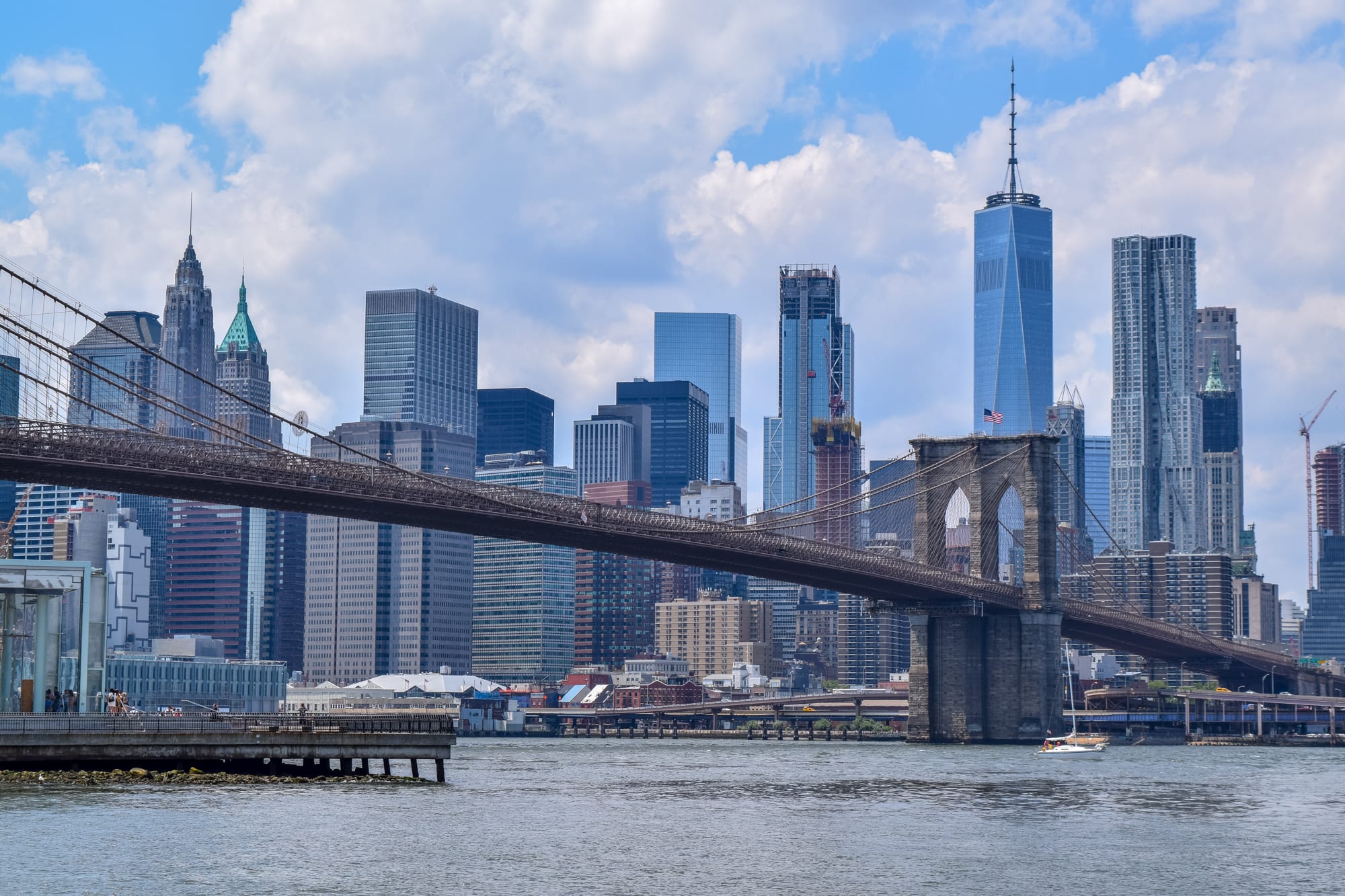
Saturdays are arguably the busiest days for tourism in New York City. Families, couples, and friends descend upon popular attractions, making it an ideal day for experiencing the city at its most vibrant, albeit most crowded. Landmarks like the Statue of Liberty and Ellis Island see high visitor numbers. Shopping districts, particularly along Fifth Avenue and in areas like SoHo, are packed with shoppers. The performing arts scene is at its peak, with matinee and evening performances across the city. Culinary experiences are in high demand, and securing a table at a popular brunch spot or dinner restaurant requires significant foresight and reservations. For those seeking a more laid-back Saturday, consider exploring the vastness of Prospect Park in Brooklyn, visiting a local farmers market, or discovering the unique charm of neighborhoods like Astoria.
Sunday: A Leisurely Farewell or a Cultural Immersion
Sundays in New York City offer a slightly different, often more relaxed, pace compared to Saturdays, though certain activities remain highly popular. Brunch culture is a quintessential New York Sunday experience, with cafes and restaurants across the city offering lavish spreads. This makes brunch reservations highly competitive. Many museums offer a more serene environment on Sundays, especially in the morning before the crowds fully materialize. It’s an excellent day for a leisurely walk across the Brooklyn Bridge or to explore the diverse artistic offerings in areas like Chelsea. For those looking for a touch of culture before the week begins anew, many churches offer services that are open to visitors, and some parks host free concerts or events. The afternoon can see a surge in activity as people try to make the most of the last day of the weekend, but generally, there’s a gentler winding down compared to the Saturday frenzy.
Beyond the Calendar: Special Days and Events
While the standard weekly cycle dictates much of the city’s rhythm, special days and recurring events in New York City can profoundly influence the experience of any given day.
Holidays and Celebrations
Major holidays like Christmas in New York City (think Rockefeller Center tree lighting, Fifth Avenue decorations) and New Year’s Eve (the iconic ball drop in Times Square) bring unprecedented crowds and a unique festive atmosphere, often requiring extensive pre-planning. Thanksgiving Day is marked by the famous Macy’s Thanksgiving Day Parade, which closes off major avenues and draws massive crowds. Even seemingly ordinary days can be transformed by local festivals, street fairs, or parades that might reroute traffic and alter the accessibility of certain areas.
Cultural and Sporting Calendars
New York City boasts a world-class cultural and sporting calendar. The Metropolitan Opera, the New York Philharmonic, and numerous theaters offer performances throughout the week and weekend. Major sporting events, such as New York Yankees or New York Mets baseball games at Yankee Stadium or Citi Field, New York Knicks or Brooklyn Nets basketball games at Madison Square Garden, or New York Rangers hockey games, draw significant crowds to their respective venues. The timing of these events can impact local transportation and dining options in their vicinity.
Optimizing Your Itinerary: The Day-to-Day Advantage
Understanding the daily rhythm of New York City is not just about avoiding crowds; it’s about strategically enhancing your travel experience.
Strategic Sightseeing
For iconic sights that can be overwhelming on weekends, consider visiting on a Tuesday or Wednesday morning. This might grant you a more intimate encounter with masterpieces at the Museum of Modern Art or a less rushed moment at the Top of the Rock Observation Deck for panoramic views. Conversely, if you relish the vibrant energy of a bustling city, embrace the weekend, but plan your days accordingly, perhaps dedicating weekdays to more niche interests or quieter exploration.
Culinary Delights
Weekdays offer more opportunities for exploring the diverse lunch menus of New York City’s culinary landscape. Many establishments offer special lunch deals that are less common on weekends. For dinner, while Friday and Saturday nights are glamorous, securing a table requires booking months in advance for some restaurants. Consider Thursday evenings for a slightly more relaxed, yet still lively, dining experience, or explore Sundays for the popular brunch scene or early evening dining before the week begins.

Cultural Immersion
The arts scene in New York City is a seven-day affair. While weekend performances are often spectacular, weekdays can offer more readily available tickets and sometimes more intimate settings for smaller productions or gallery openings. Check local listings for weekday evening events or consider attending weekday matinees for a more relaxed cultural outing.
In essence, the question “What day is it in New York City?” is a gateway to appreciating the city’s dynamic personality. By aligning your itinerary with the daily pulse, you unlock the potential for a richer, more nuanced, and ultimately more memorable journey through this extraordinary global icon. Whether you’re a first-time visitor or a seasoned traveler, understanding the city’s weekly cadence is the ultimate travel hack.
LifeOutOfTheBox is a participant in the Amazon Services LLC Associates Program, an affiliate advertising program designed to provide a means for sites to earn advertising fees by advertising and linking to Amazon.com. Amazon, the Amazon logo, AmazonSupply, and the AmazonSupply logo are trademarks of Amazon.com, Inc. or its affiliates. As an Amazon Associate we earn affiliate commissions from qualifying purchases.