
As the Atlantic hurricane season officially begins on June 1st and extends through November 30th, residents and visitors in the Lone Star State naturally turn their attention to potential tropical threats. While the unpredictability of weather patterns means no one can definitively predict a hurricane’s landfall months in advance, understanding the factors that influence hurricane formation and the specific vulnerabilities of the Texas coast is crucial for preparedness. This deep dive into the potential for a hurricane in Texas focuses on the critical elements relevant to travel and tourism, ensuring that any plans made in the region are informed by the latest meteorological insights and safety considerations.

Understanding the Drivers of Hurricane Activity
Hurricane development is a complex interplay of atmospheric and oceanic conditions. Several key factors contribute to the formation and intensification of these powerful storms, and their presence or absence significantly influences the likelihood of activity impacting the Gulf of Mexico and, consequently, the Texas coastline.
Sea Surface Temperatures: The Fuel for Storms
Perhaps the most critical ingredient for hurricane formation is warm ocean water. Tropical cyclones, the umbrella term for hurricanes, typhoons, and cyclones, draw their energy from the heat stored in the upper layers of the ocean. For a storm to develop, sea surface temperatures generally need to be at least 26.5 degrees Celsius (80 degrees Fahrenheit) and extend down to a depth of at least 50 meters. The Gulf of Mexico is known for its warm waters, particularly during the summer and early fall months, making it a fertile breeding ground for tropical systems. Monitoring these temperatures throughout the season provides an early indicator of potential activity. Anomalies, such as unusually warm patches or widespread higher-than-average temperatures, can signal a more active season.
Atmospheric Instability and Wind Shear
Beyond warm waters, a favorable atmospheric environment is essential. This includes low vertical wind shear, which refers to minimal changes in wind speed and direction with height. High wind shear can tear apart developing storm systems, preventing them from organizing and strengthening. Conversely, low wind shear allows thunderstorms to cluster and grow vertically, forming the structure of a tropical cyclone. Atmospheric instability, where the air is prone to rising, also plays a role, fueling the thunderstorms that form the storm’s core.
The Role of Saharan Dust
An interesting, albeit secondary, factor influencing Atlantic hurricane activity is dust originating from the Sahara Desert. Large plumes of dust can suppress hurricane formation by creating dry air that weakens thunderstorms and increasing wind shear. While not a primary driver, the intensity and frequency of these dust events can modulate the overall activity level in the Atlantic basin.
Predicting the Predictable: Seasonal Outlooks and Their Limitations
Meteorological agencies, such as the National Oceanic and Atmospheric Administration (NOAA), issue seasonal hurricane outlooks based on a complex analysis of prevailing atmospheric and oceanic conditions. These outlooks, typically released in May for the Atlantic season, provide probabilistic forecasts for the number of named storms, hurricanes, and major hurricanes.
Key Indicators for Seasonal Forecasts
These outlooks often consider:
- The El Niño-Southern Oscillation (ENSO): The El Niño phase of ENSO is generally associated with increased wind shear in the tropical Atlantic, which tends to suppress hurricane activity. Conversely, La Niña conditions often lead to reduced wind shear and a more active hurricane season.
- Atlantic Multi-Decadal Oscillation (AMO): The AMO is a cycle of warmer and cooler sea surface temperatures in the North Atlantic. Warmer phases of the AMO are typically linked to more active hurricane seasons.
- Stratospheric Winds and African Easterly Waves: The strength of easterly winds across the tropical Atlantic and the activity of African easterly waves (tropical waves that emerge from Africa and can develop into tropical cyclones) are also factored into predictions.
Navigating the Uncertainty
It is crucial to remember that seasonal outlooks are probabilistic. They offer a broad picture of expected activity but cannot pinpoint the exact track, intensity, or landfall location of any individual storm. A “below-average” season can still produce a devastating hurricane, while an “above-average” season might see storms that track away from populated areas. Therefore, while seasonal forecasts are valuable for understanding the general risk, they should not be relied upon for day-to-day planning or for determining the need for preparedness.
Historical Patterns and Texas Vulnerability
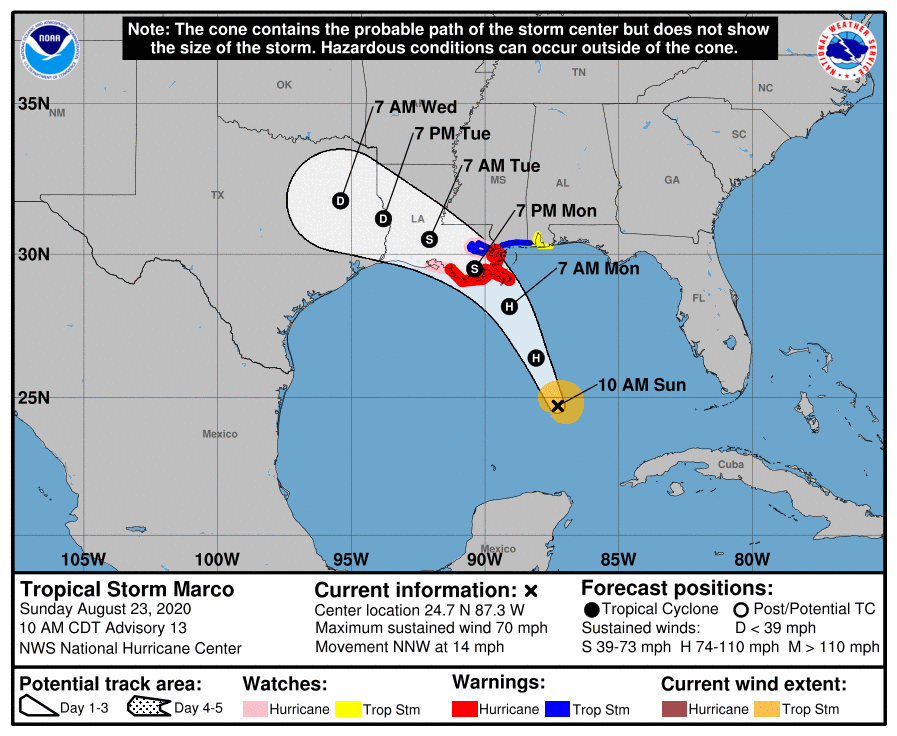
Texas has a long and often challenging history with tropical cyclones. The state’s extensive coastline, stretching from the border with Mexico to the Sabine Pass near Louisiana, makes it susceptible to storms forming in the Gulf of Mexico. Understanding historical patterns can offer insights, but it’s vital to acknowledge that each season is unique.
Notable Texas Hurricanes
The state has been impacted by numerous significant hurricanes throughout history. Some of the most devastating include:
- The 1900 Galveston Hurricane: This remains the deadliest natural disaster in United States history, with an estimated death toll of 6,000 to 12,000. It underscores the extreme vulnerability of low-lying coastal areas.
- Hurricane Carla (1961): A powerful Category 4 storm that made landfall near Port O’Connor, causing widespread destruction and forcing one of the largest evacuations in U.S. history at the time.
- Hurricane Alicia (1983): A Category 3 storm that struck near Galveston and Freeport, causing significant damage to the Houston metropolitan area.
- Hurricane Rita (2005): Although it weakened before landfall as a Category 3 storm near the Texas-Louisiana border, Rita caused massive evacuations and significant storm surge in coastal communities.
- Hurricane Ike (2008): A Category 2 storm that brought a devastating storm surge to the upper Texas coast, particularly impacting Galveston Island and the Bolivar Peninsula.
- Hurricane Harvey (2017): This slow-moving storm stalled over the Texas coast, dropping unprecedented amounts of rainfall that led to catastrophic flooding across much of southeastern Texas, including the Houston area. While it made landfall as a Category 4 hurricane, its most destructive impact was due to inland flooding.
Coastal Geography and its Impact
The low-lying nature of much of the Texas coast, coupled with its barrier islands and bays, makes it particularly susceptible to storm surge, which is the abnormal rise of water generated by a storm’s winds. This surge can be the deadliest aspect of a hurricane, inundating coastal communities and causing widespread structural damage. Additionally, many of Texas’s popular tourist destinations, from the beaches of Galveston to the fishing towns along the coast, are situated in vulnerable zones.
Preparing for the Possibility: Travel and Tourism Considerations
While the question of “Is a hurricane coming to Texas?” cannot be answered definitively in advance, the possibility necessitates a proactive approach for anyone planning travel or operating within the tourism sector. Preparedness is key to mitigating risks and ensuring safety.
Monitoring Official Forecasts and Advisories
The most critical step for travelers and tourism businesses is to stay informed through official channels. During hurricane season, and especially when a tropical system is developing, it is vital to monitor:
- The National Hurricane Center (NHC): The NHC issues regular advisories, watches, and warnings for tropical cyclones. Their website (nhc.noaa.gov) is the primary source of official information.
- Local Emergency Management Agencies: Many Texas counties and cities have their own emergency management departments that issue local evacuation orders and provide specific guidance for their communities.
- Reliable News Sources: Major news outlets that provide accurate and timely reporting on weather events are also valuable resources.
Flexible Travel Planning
For tourists, flexibility in travel plans is paramount during hurricane season.
- Booking Policies: When booking accommodations or activities in coastal areas, inquire about cancellation and rebooking policies in the event of a hurricane threat. Many hotels and tour operators offer more flexible terms during hurricane season.
- Travel Insurance: Consider purchasing comprehensive travel insurance that covers weather-related cancellations and disruptions.
- Pre-Trip Checks: Before departing for a destination like Galveston, Corpus Christi, or the Rio Grande Valley, check the latest weather forecasts and any advisories issued by local authorities.

Business Preparedness in the Tourism Sector
Businesses in the tourism industry, including hotels, resorts, restaurants, and activity providers, must have robust hurricane preparedness plans.
- Evacuation Procedures: Clear and well-communicated evacuation procedures for guests and staff are essential. This includes designated assembly points and transportation arrangements if necessary.
- Communication Strategies: Establish reliable communication channels to inform guests about potential threats, safety measures, and operational status.
- Securing Assets: Implement measures to secure property, such as boarding up windows, securing outdoor furniture, and preparing for potential power outages.
- Post-Storm Operations: Develop plans for assessing damage, resuming operations, and assisting guests with rebooking or alternative arrangements after a storm has passed.
In conclusion, while the presence of a hurricane in Texas is not a certainty at any given moment, the potential is ever-present during the Atlantic hurricane season. By understanding the scientific drivers of these storms, staying informed about seasonal outlooks, and remaining vigilant with official forecasts, both individuals and the tourism industry can better prepare for and navigate the challenges posed by tropical cyclones, ensuring the safety and well-being of all involved.
LifeOutOfTheBox is a participant in the Amazon Services LLC Associates Program, an affiliate advertising program designed to provide a means for sites to earn advertising fees by advertising and linking to Amazon.com. Amazon, the Amazon logo, AmazonSupply, and the AmazonSupply logo are trademarks of Amazon.com, Inc. or its affiliates. As an Amazon Associate we earn affiliate commissions from qualifying purchases.